
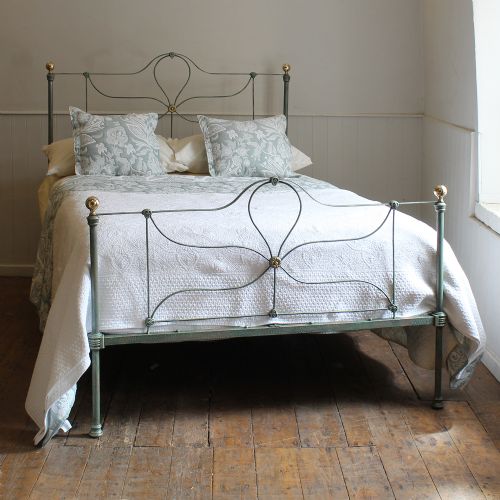
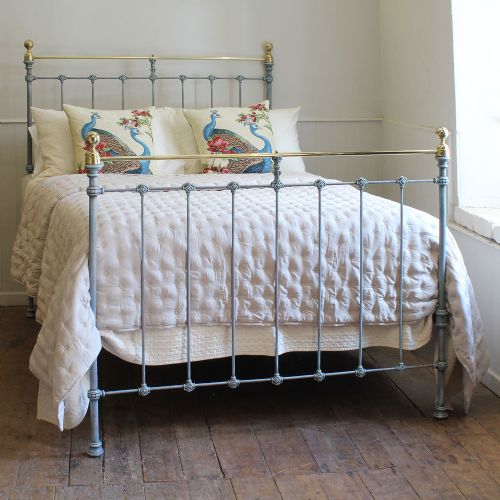
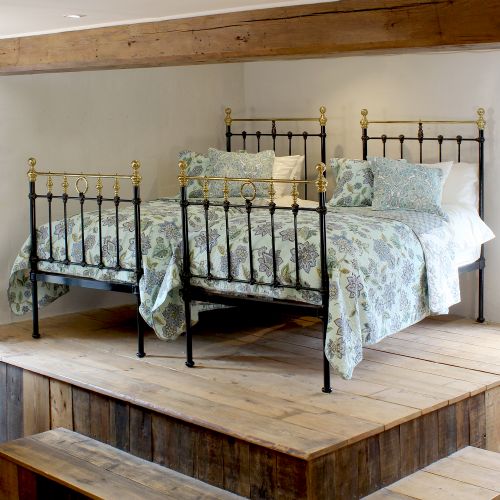
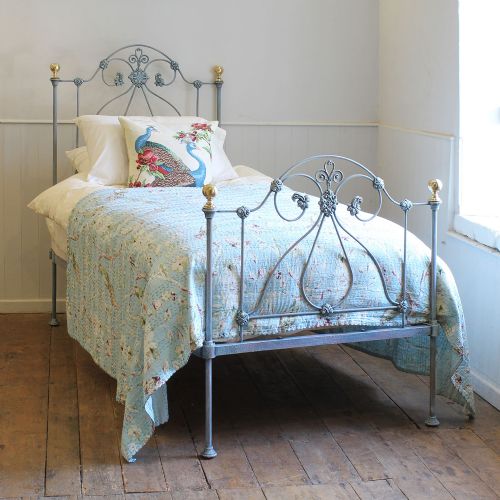

Antique Cast Iron Bed
These heavy metal frames bring Victorian and Edwardian character to a bedroom while offering robust support for modern mattresses.
Antique Cast Iron Bed
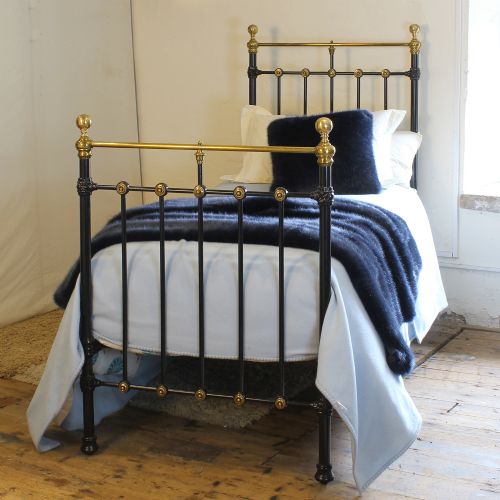
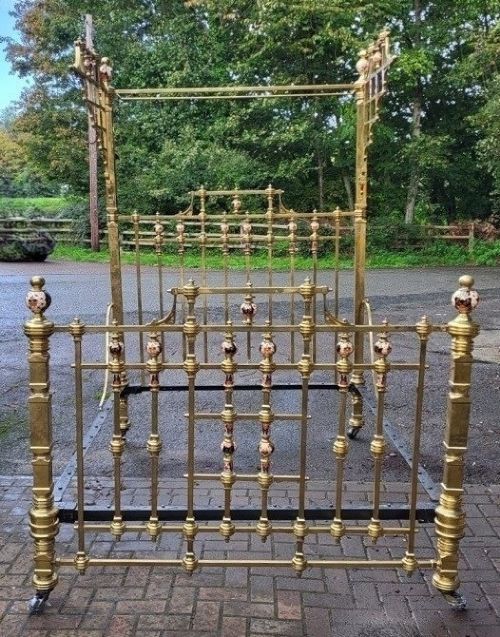
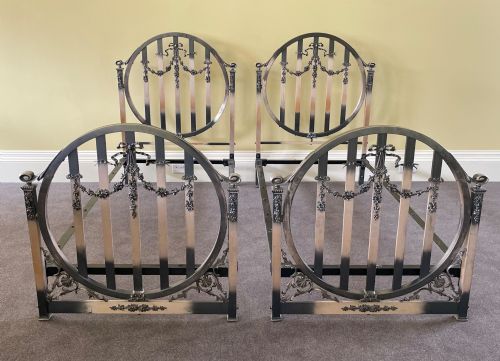
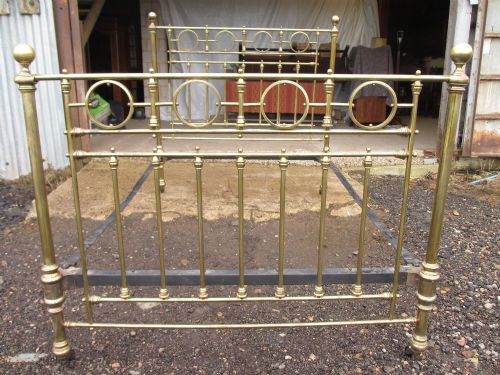
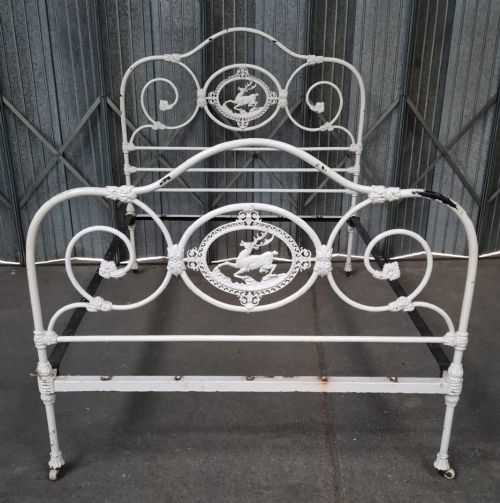
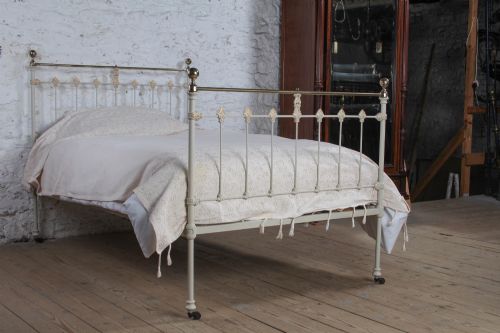
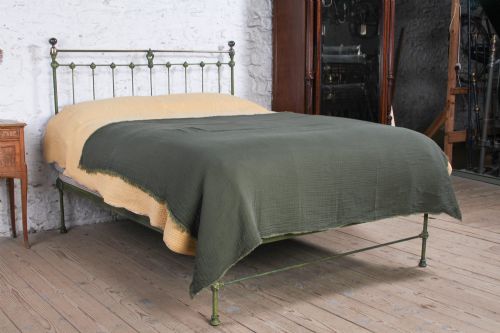
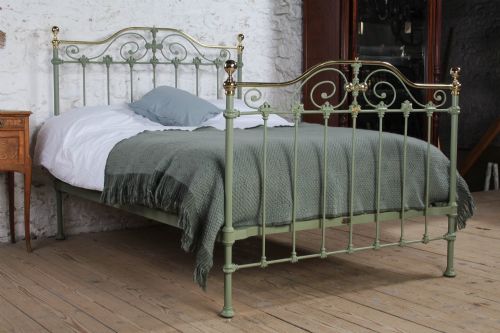
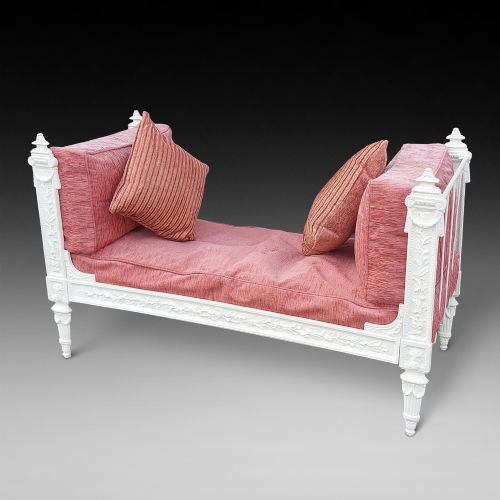
When you search for an antique cast iron bed, you meet sturdy metal frames built to last generations, frequently paired with gleaming brass components, ceramic details or nickel plating. The pieces listed here span the Victorian and Edwardian eras, taking forms from single bedframes and daybeds up to generous king sizes.
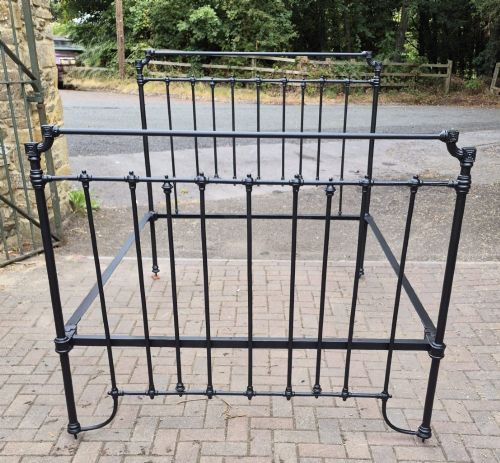
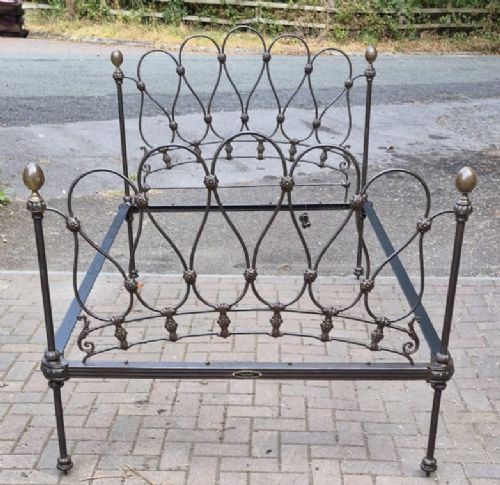
You will encounter simple all-iron numbers alongside ornate French country styles and Celtic revival designs. Many feature distinctive curly ironwork, decorative castings, and dip rail shapes that distinguish them from modern factory-made furniture.
Construction and Materials
These bedsteads combine cast iron frames with wrought iron components, brass tubing, and steel elements. Makers utilised sand casting for the decorative joints and bedstead terminals, pouring molten metal into moulds to create intricate patterns.
Surfaces were finished with durable paint, black enamel, or protective nickel plating to prevent oxidation. Some examples incorporate ceramic inserts, mother of pearl, or wooden elements like mahogany into the head and foot boards.
Antique Cast Iron Bed Retail Price Guide 2026
Typical asking prices for cast iron bed among the pieces listed under this phrase on Sellingantiques today, from the lower quarter to the upper quarter. They describe what is for sale here now, not the wider market.
Past archives include a German cast iron novelty go-to-bed match striker shaped as a cat.
Quality and Craftsmanship
The distinction between standard production and exhibition quality lies in the crispness of the castings and the weight of the metal. Finer examples display deeply detailed decorative ironwork, substantial brass mounts, and robust slot-in frame joints that assemble securely without wobble.
Proportion and decorative restraint separate ordinary frames from superior pieces. Well-balanced proportions in the tapering posts and refined shaping around the headboard distinguish the work of notable makers from standard factory output.
Winfield·R W Winfield
The Antique Cast Iron Bed Glossary
- Bedstead
- The framework of a bed, including the headboard, footboard, and side rails. In antique metal beds, these typically dismantle into separate components for transport.
- Half Tester
- A canopy bed where the tester extends only partway over the head of the bed rather than covering the full length. This style provides a decorative focal point without overwhelming smaller bedrooms.
- Dip Rail
- A headboard or footboard rail that curves downward in the centre. This configuration creates a softer silhouette than straight-topped frames.
- Castor
- A small wheel mounted on a swivel attached to the bottom of the bed legs. These allowed heavy iron beds to be moved easily across floorboards for cleaning.
- Winfield
- A prominent nineteenth-century maker known for high-quality brass and iron bedstead production. Their pieces often feature marked components and superior casting detail.
Antique Cast Iron Bed: Frequently Asked Questions
How do I assemble an antique metal bed?
Most antique metal beds use a slot-in frame system where the side rails wedge directly into the corner brackets attached to the headboard and footboard. Tapping the joints gently with a rubber mallet settles the wedges firmly into place.
Modern mattress slats or custom base frames can then be dropped inside the side rails to support your mattress securely.
Will modern mattresses fit these antique frames?
Many antique iron beds were built to Victorian and Edwardian sizing standards that differ slightly from current standard dimensions. Checking the internal length and width of the side rails against your mattress size ensures a proper fit.
Custom mattress makers can also supply bespoke sizes to fit unusual or historic frame dimensions precisely.
How do I clean and care for cast iron and brass?
Dust painted iron frames regularly with a dry cloth and avoid harsh chemical cleaners that might damage the original painted or enamelled finish. Brass components can be polished gently with a mild metal cleaner if you prefer a bright shine.
Leaving the brass unpolished allows a natural warm patina to develop over time.
How can I tell the period of a metal bed?
Victorian examples often display heavier cast iron components, ornate scrollwork, and combination brass and iron construction. Edwardian frames tend toward cleaner lines, lighter proportions, and styles such as Art Nouveau.
Maker's marks stamped into the iron or brass components also help confirm the manufacturing date.