


Antique Carved Hall Chair
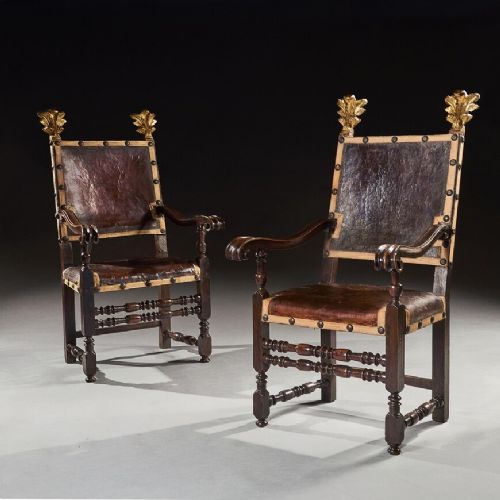
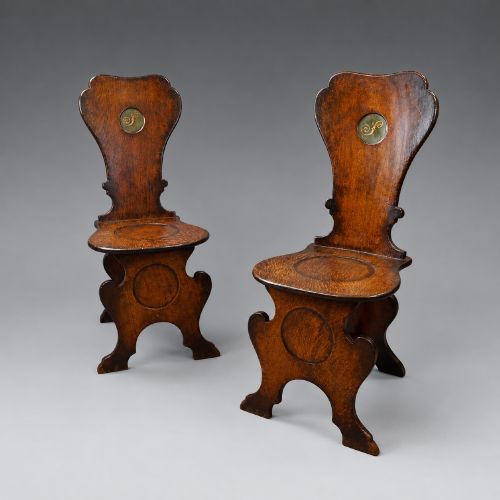
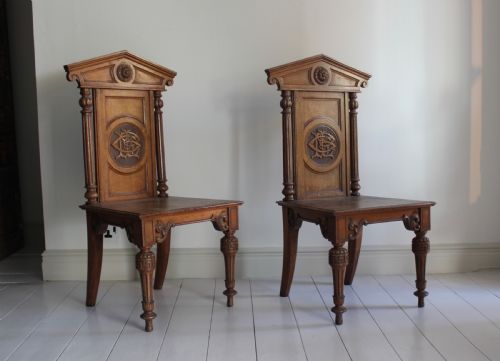
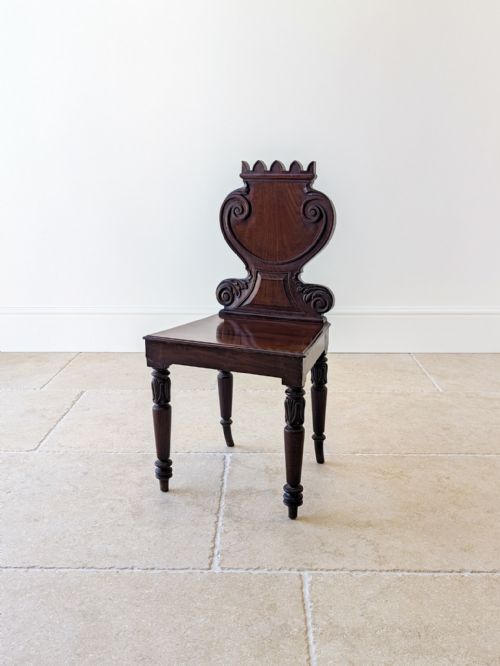
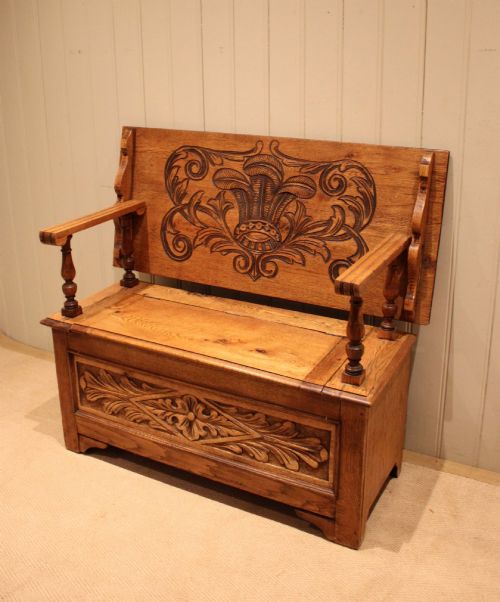
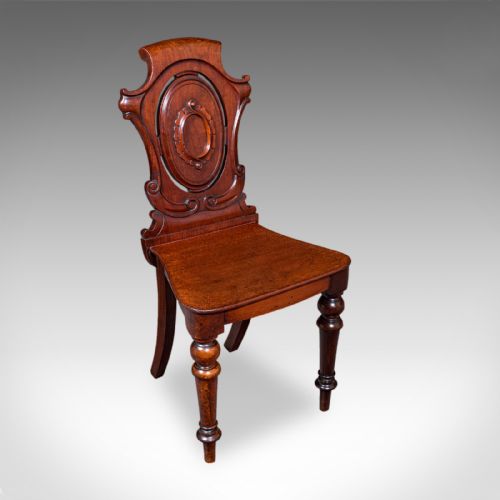
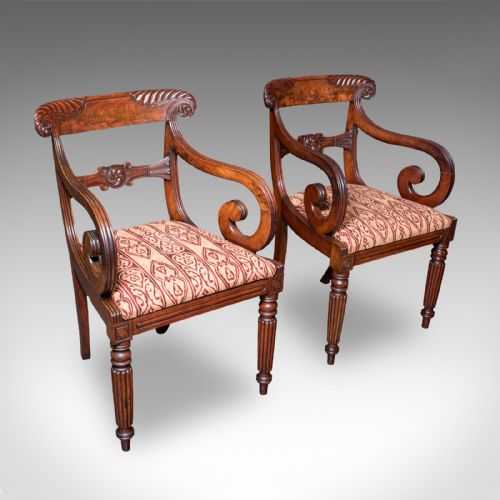
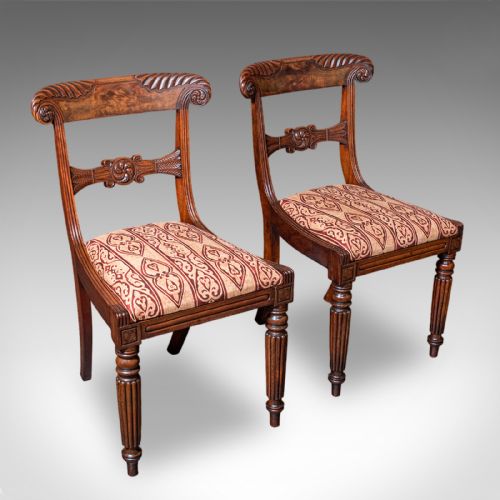
An antique carved hall chair delivers instant architectural presence to an entranceway, combining sturdy timber construction with dramatic period relief work.
Understanding the antique carved hall chair
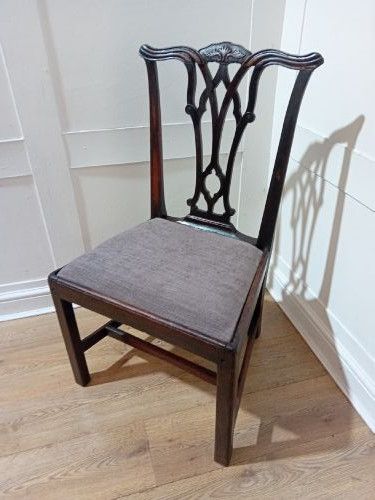
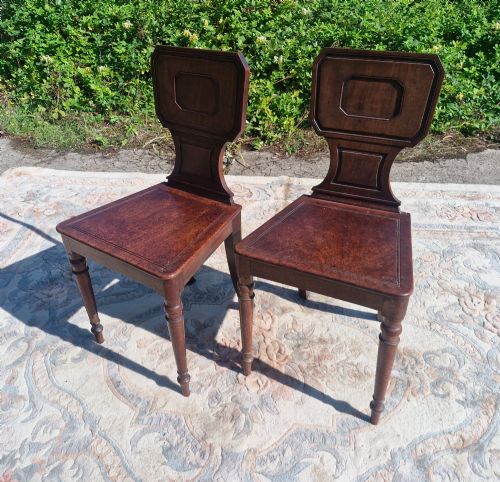
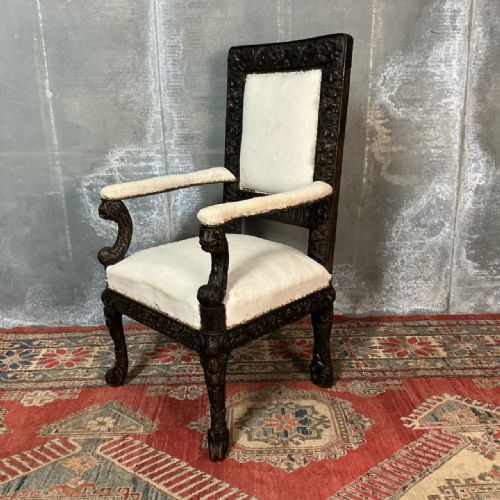
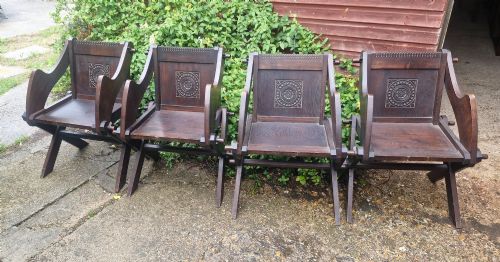
The antique carved hall chair category encompasses rigid wooden seats traditionally placed in entrance halls, corridors, and reception spaces. These forms range from high-backed wainscot seats and armchairs to side chairs, sgabellos, and throne chairs.
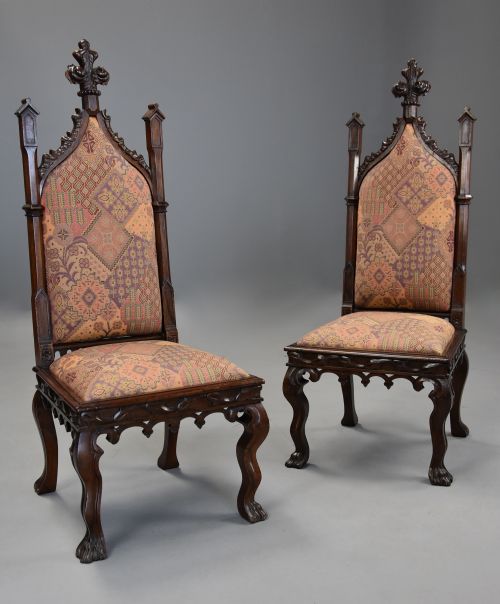
Buyers frequently encounter nineteenth-century examples executed in solid oak or walnut, often channeling earlier revivals such as Jacobean, Gothic, or Renaissance styles. Many pieces originate from British workshops, though continental and American examples also appear.
The inventory balances pairs and single items, with side chairs and elbow seats dominating the selection. Every piece serves as both a functional seat and a decorative statement in a hallway.
Materials and construction methods
Cabinetmakers built these seats primarily using dense hardwoods like oak, walnut, and mahogany, relying on traditional joinery to anchor heavy frames. Selected timbers often received deep relief carving depicting foliage, armorials, or figural motifs.
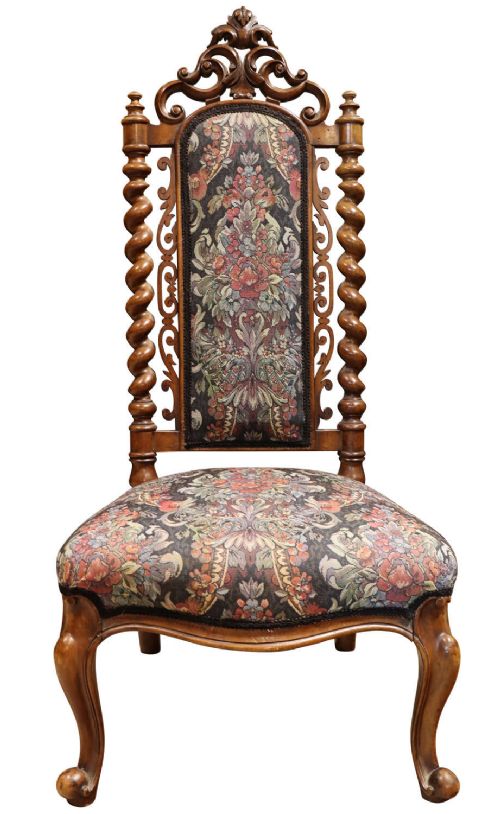
Certain iterations incorporate auxiliary materials such as brass fittings, or textile elements including velvet, tapestry, and fabric upholstery. Frame construction ranges from simple side chair proportions to substantial elbow seats and wainscot forms.
Retail Price Guide 2026
Typical UK retail prices for carved hall chair, calculated from the Sellingantiques database of over a million retail prices indexed since 2003. This retail price guide relies exclusively on Sellingantiques data; no external sources or auction records are used, so the figures do not describe the wider market.
Listings feature oak, walnut, and mahogany timbers across nineteenth-century Victorian and revival periods.
Assessing quality and execution
Superior examples separate themselves through the crispness and depth of the timber carving, where hand-chiseled details remain sharp and expressive. The choice of figured mahogany or well-selected oak provides a richer natural grain than plain or hastily finished timber.
Structural integrity and the retention of original brass elements or period upholstery define the upper tier of the range. The ambition of the design - such as an elaborate armorial crest or complex Italian Renaissance styling - distinguishes standard utility furniture from exceptional showroom pieces.
Simpson and Sons Halifax
The Antique Carved Hall Chair Glossary
- Wainscot chair
- An early wooden armchair constructed with panelled backboards reminiscent of wall panelling. These seats are typically heavy in oak and reflect seventeenth-century domestic architecture.
- Gothic Revival
- A nineteenth-century design movement mimicking medieval architectural elements like pointed arches and tracery. Furniture in this style translates stone motifs into carved timber.
- Jacobean Revival
- A style drawing inspiration from early seventeenth-century British design, characterised by turned legs and geometric panelling. Pieces in this manner display heavy, dark timber construction.
- Armorial
- A design incorporating heraldic coats of arms or family crests. Master carvers rendered these emblems onto the central backs of grand hall chairs.
Frequently Asked Questions
Where should I place an antique hall chair?
These chairs suit entrance hallways, landings, and large corridors where their upright posture and decorative backs can be viewed without needing deep lounging comfort.
Because they were originally designed for brief seating rather than long relaxation, they function best as accent pieces against prominent walls.
How do I distinguish revival styles from original early pieces?
Most surviving hall chairs date from the nineteenth century, even when constructed in styles mimicking seventeenth-century Jacobean or Renaissance periods.
Examining the tool marks, timber shrinkage, and joinery helps determine whether a chair is a genuine period survival or a later revival interpretation.
Are these chairs comfortable for daily use?
Solid wooden seats and rigid high backs encourage upright posture rather than relaxed lounging. Some variations soften this with upholstered velvet or tapestry pads.
Their primary purpose historically was aesthetic display and momentary seating rather than hours of reading.
What woods were commonly used?
Oak and walnut appear most frequently, supported by various grades of mahogany. These durable timbers endured heavy use in busy household entryways.
Carvers favoured these dense hardwoods because they accepted intricate relief work without splitting along the grain.