
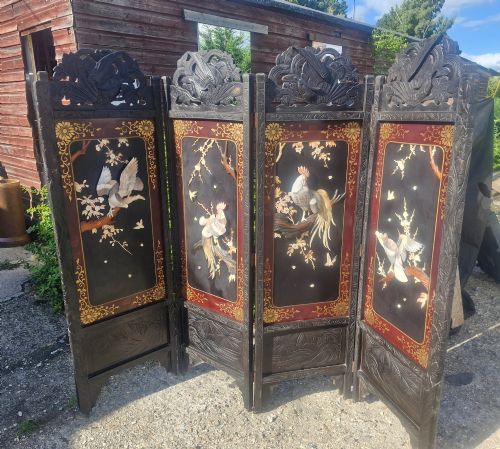
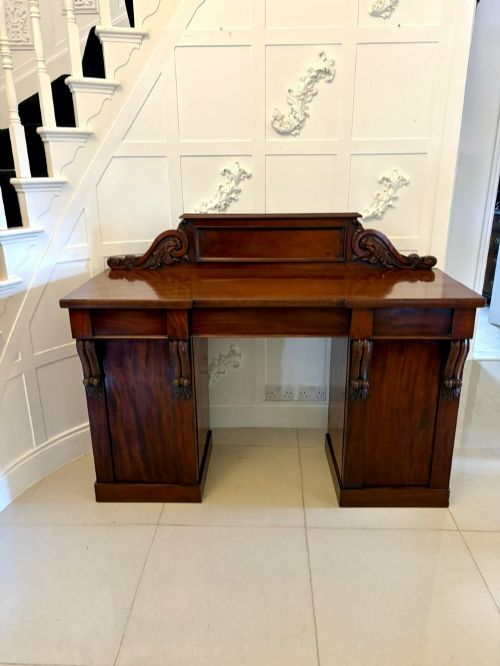
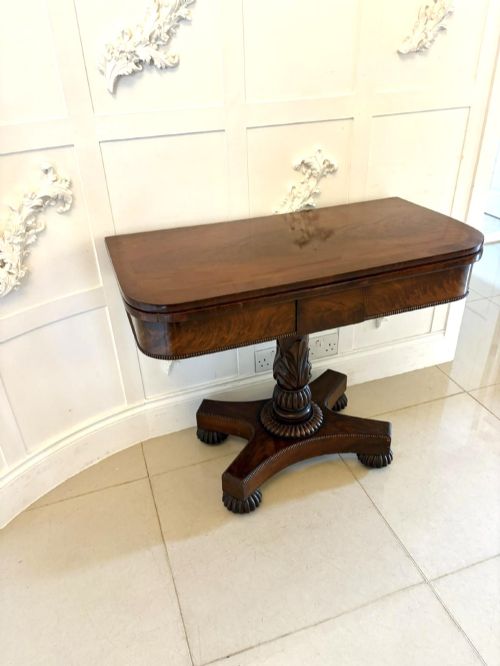

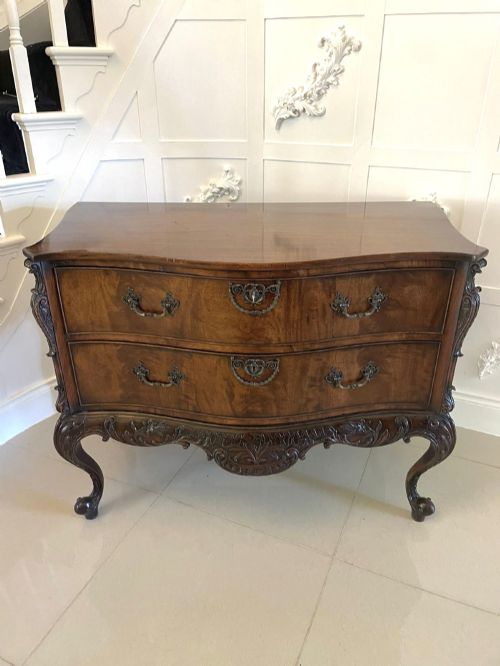
Antique Carved Figure
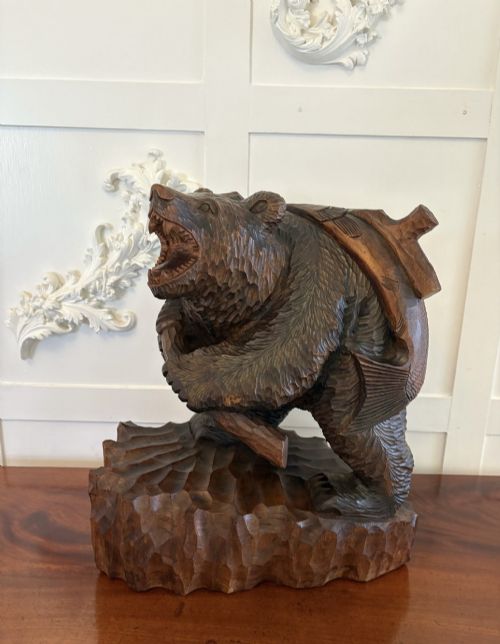
An antique carved figure brings centuries of craftsmanship into a room, capturing human, divine or animal forms in wood, stone and ivory.
Antique Carved Figure
An antique carved figure encompasses standalone sculptures, furniture reliefs, and decorative fittings shaped by hand across various centuries. Pieces range from small pocket items and bookends to monumental statues and furniture panels.
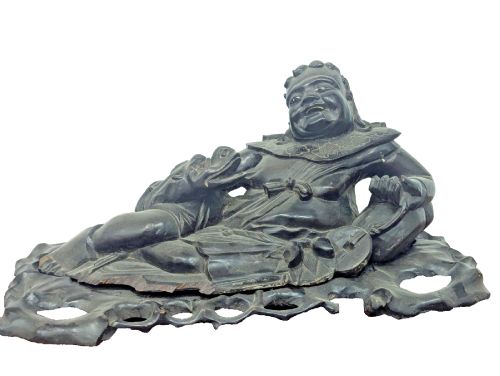
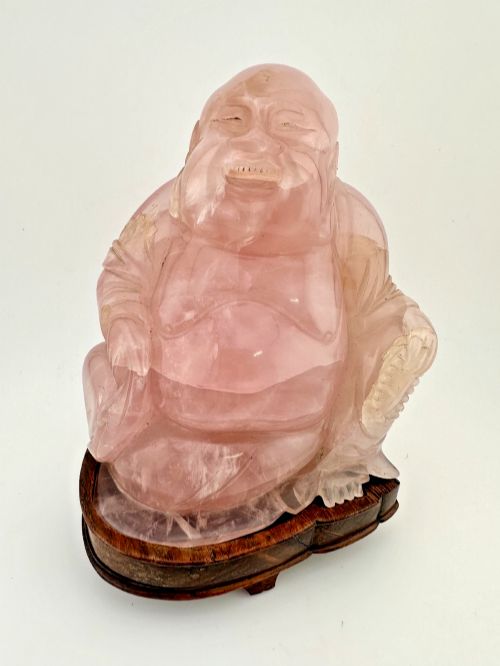
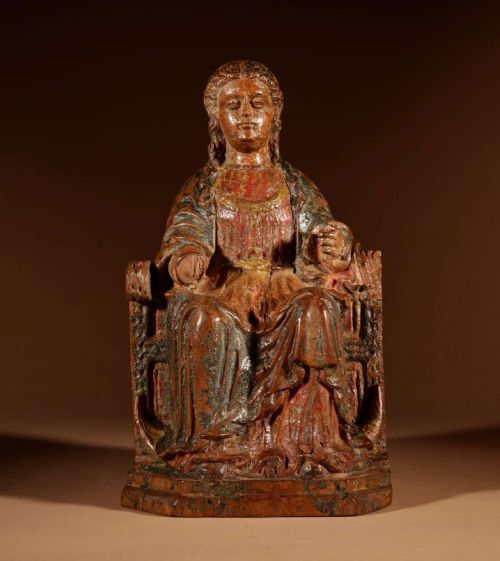
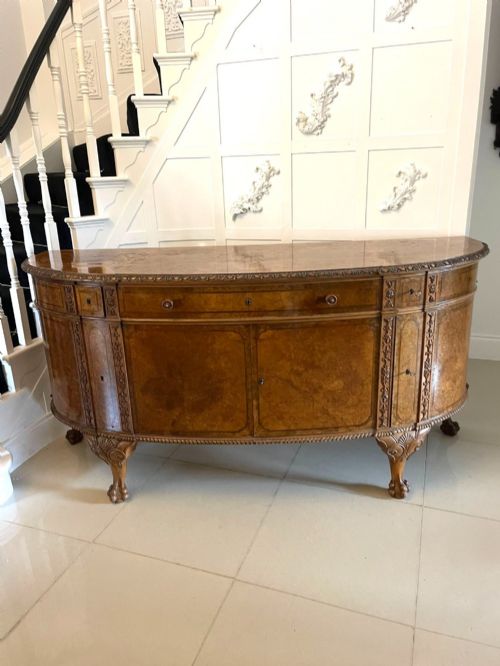
Religious figures such as saints, Buddhas, and deities appear frequently alongside secular subjects like artists' lay figures, literary characters, and allegorical representations. Many domestic items integrate carving as structural ornamentation on cabinetry, brackets, and stands.
How They Were Made
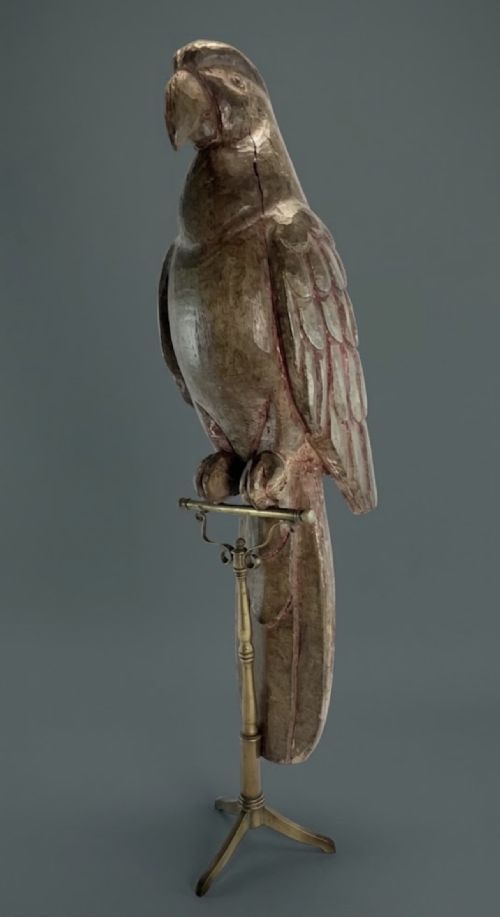
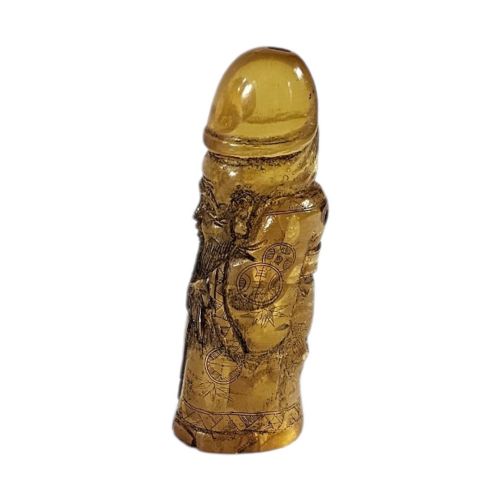
Carvers utilised traditional hand tools such as gouges, chisels, and knives to shape dense mediums like oak, walnut, limewood, fruitwood, and mahogany. Artisans also worked with mineral substances including marble, alabaster, soapstone, jade, amber, and coral.
Techniques varied by region and material, ranging from deep relief panels and fully articulated wooden joints to intricate miniature piercing in bone and ivory. Many European and Asian works received surface treatments including polychrome paint, gilding, wax polishing, or natural oil finishes.
Listings span the seventeenth to the twentieth centuries, featuring walnut, oak, mahogany, marble, jade, and amber.
What Varies in Quality
The choice and preparation of the raw material dictate longevity and aesthetic impact. Dense, well-seasoned timbers and flawless mineral blocks allow for crisper undercut details that retain their definition over centuries.
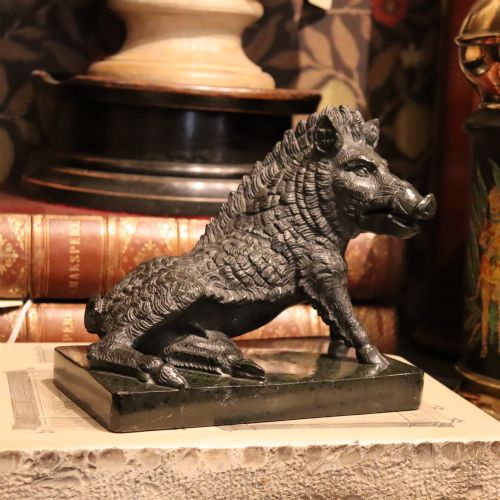
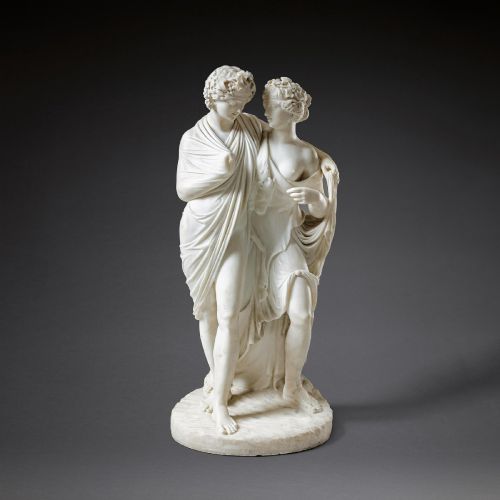
Carlo Albacini·Barranti
The Antique Carved Figure Glossary
- Polychrome
- Painted in several colours, often found on wooden religious figures to enhance realism. This technique applied pigments over a gesso ground.
- Relief
- A sculptural technique where figures project from a flat background. High relief brings the subject almost entirely forward from the plane.
- Lay figure
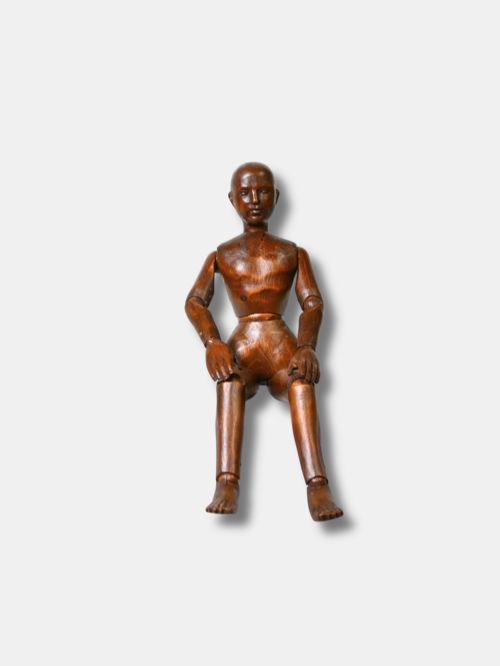
- An articulated wooden model utilised by artists to study drapery and human posture. These joints moved realistically.
- Grand Tour
- A cultural journey undertaken by nineteenth-century travellers who collected small marble or alabaster souvenirs. These objects copied classical antiquities.
- Blanc de Chine
- White porcelain from Dehua, China, frequently moulded into religious figures. This ceramic body displays a glossy milk-white glaze.
Antique Carved Figure: Frequently Asked Questions
How do I identify the wood used in a figure?
Examine the grain pattern, colouration, and weight of the piece under good natural light. Oak typically shows prominent medullary rays, while walnut displays a richer, darker tone with smoother grain lines.
Fruitwood and limewood present a tighter, more uniform texture favoured for fine facial details. Comparing the patina helps differentiate newly worked timber from mature historical surfaces.
Where were these figures displayed originally?
Religious figures usually occupied household shrines, private chapels, or ecclesiastical settings as objects of devotion. Secular carvings adorned studies, libraries, and drawing rooms as decorative sculptures, bookends, or furniture mounts.
Grand Tour souvenirs and small ivories sat upon mantelpieces, cabinets, and scholar's desks. Larger architectural pieces formed part of wall panelling or bespoke furniture frameworks.
How should I care for wooden and stone carvings?
Keep carved objects away from direct sunlight, heating vents, and rapid humidity fluctuations to prevent splitting or warping. Dust gently with a soft, dry brush rather than damp cloths to protect delicate patinas and aged finishes.
Stone and marble elements tolerate occasional cleaning with a slightly damp microfiber cloth, followed immediately by drying. Avoid applying modern commercial polishes or oils unless specifically suited to antique timber.
What distinguishes Asian carvings from European ones?
Asian carvings often employ traditional materials like jade, soapstone, coral, and bamboo to depict cultural deities, scholars, or mythical animals. The iconography reflects specific philosophies, dynasties, and indigenous craftsmanship methods.
European pieces frequently draw upon classical mythology, Christian theology, or historical portraiture rendered in native hardwoods and marbles. Stylistic shifts follow distinct continental periods like the Renaissance, Baroque, and Victorian eras.