



Vintage Wooden Portrait Sculpture
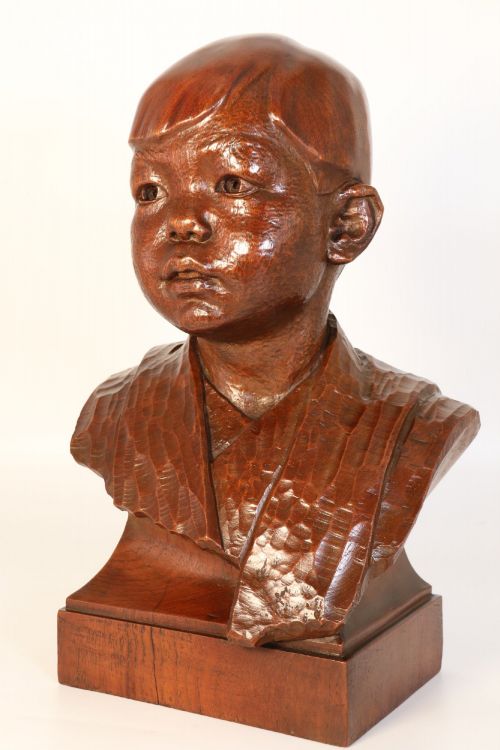
These vintage wooden portrait sculpture pieces capture human likeness through hand carving, offering collectors striking character studies from various periods and traditions.
Vintage Wooden Portrait Sculpture
When you search for a vintage wooden portrait sculpture, you encounter carved likenesses spanning the eighteenth to the twentieth centuries. These works include busts, bookends, masks, and wall sculptures rendered in various timber species.
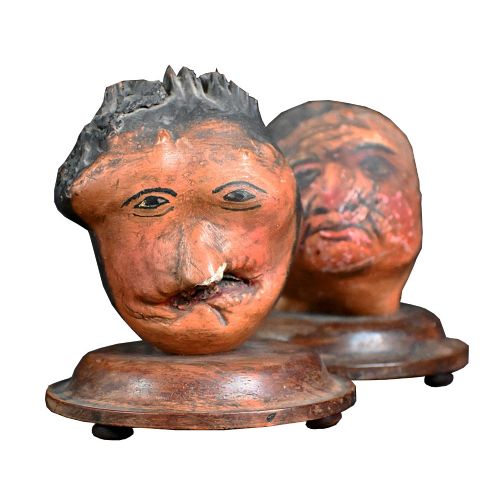
The selections on this page range from European folk art heads and Tyrolean character studies to African tribal masks and American historical figures. You will find both signed studio pieces and anonymous regional works representing specific eras.
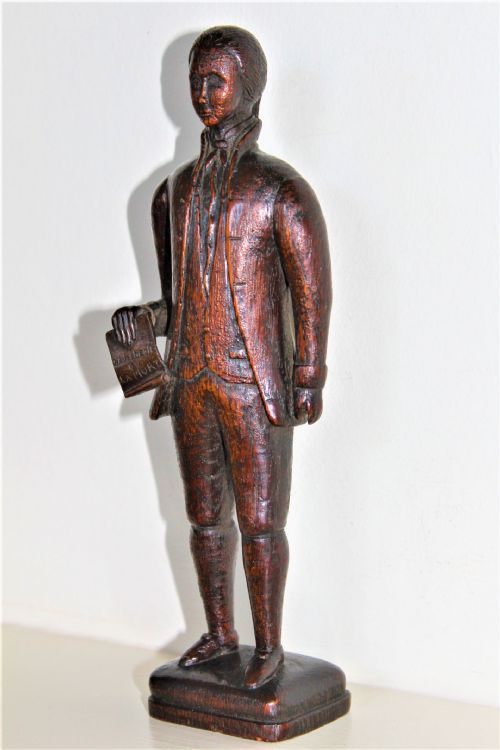
Makers utilised distinct regional carving traditions, resulting in diverse forms from detailed pearwood portraits to chunky folk art interpretations of historical leaders.
How they were made
Some examples incorporate surface treatments, including paint and kaolin pigment, to accentuate the expression or depict traditional markings. Artisans finished the wood with oils or waxes to seal the material while preserving its natural tone.
Oliver Cromwell appears among these sculpted faces, reminding us that even stern Lord Protectors occasionally ended up immortalised in chunky wood.
What varies in quality
The distinction between standard and superior pieces rests on the anatomical accuracy and the expressiveness captured by the carver. Master carvers rendered musculature and expression with subtlety, whereas simpler works relied on stylised geometric forms.
Signatures by recognised sculptors elevate certain works beyond anonymous regional carvings. The choice of dense timbers like walnut or finely grained pearwood also permits sharper detail than softer or coarser woods.
George Henry Paulin RBS·V Ramirez Bolivia
The Vintage Wooden Portrait Sculpture Glossary
- Pearwood
- A dense, pale timber prized by European carvers for its smooth grain and capacity to hold minute facial detail.
- Kaolin pigment
- A fine white clay used historically to colour or prime surfaces in certain sculptural and mask traditions.
- Tyrolean Art
- Carving originating from the Tyrol region, often noted for realistic regional portraiture and character studies in wood.
- Folk art
- Utilitarian or decorative objects created by self-taught or community artisans outside formal academic traditions.
- Walnut
- A heavy, dark hardwood valued for its rich grain patterns and durability in figurative sculpture.
Vintage Wooden Portrait Sculpture: Frequently Asked Questions
How do I identify the wood type?
Examine the grain pattern and weight of the sculpture under good light. Dense timbers like walnut show distinct open pores, while fruitwoods like pear present a much tighter, smoother surface.
Colour can also guide identification, though older pieces often develop a deep patina from handling and age that obscures the original timber tone.
Were these sculptures made for display?
Most portrait busts and wall sculptures served as decorative interior items, mantel ornaments, or specific functional objects such as bookends and milliner's display heads.
Some tribal masks and portrait heads held cultural or ceremonial roles before entering the decorative market.
How should I clean carved wood?
Dust the surface gently with a soft, dry brush to remove particles from recessed carved details. Avoid using water, detergents, or modern polishes that can penetrate the grain and damage older finishes.
Maintain a stable indoor humidity level to prevent the timber from drying out or splitting over time.
How do I date an antique carving?
Look at the tool marks left on the underside or back, as machine-sawn timber differs from hand-adzed or chiselled material. The style of dress, facial hair, and the clothing depicted in the portrait also offer clues to the period.
Signatures, stamps, or labels can further narrow down the decade of production.