
Antique Carved Animal Figures
Antique carved animal figures capture creatures in wood, marble, and bone, offering expressive forms that bring character and history into a room.
Antique Carved Animal Figures
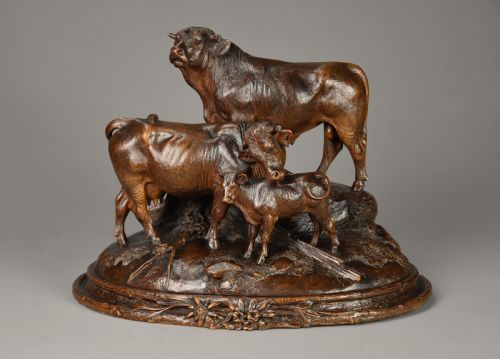
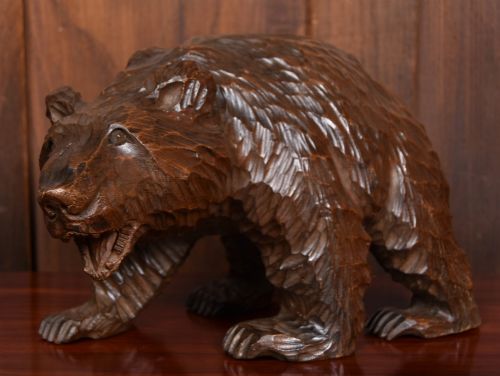
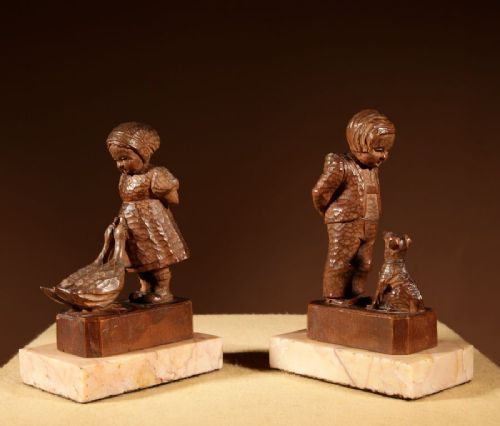
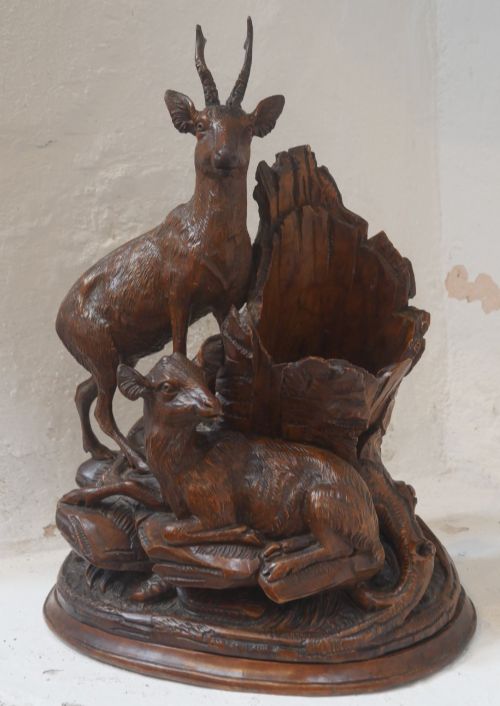
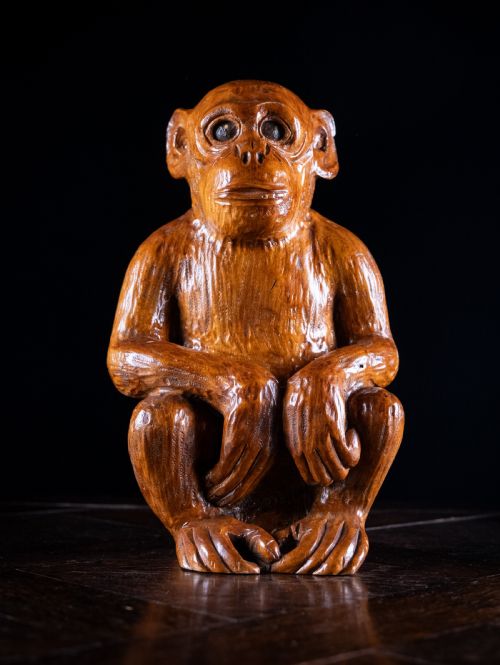
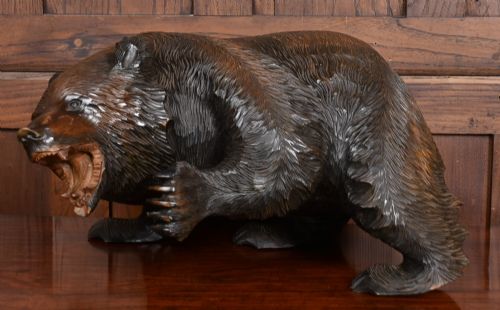
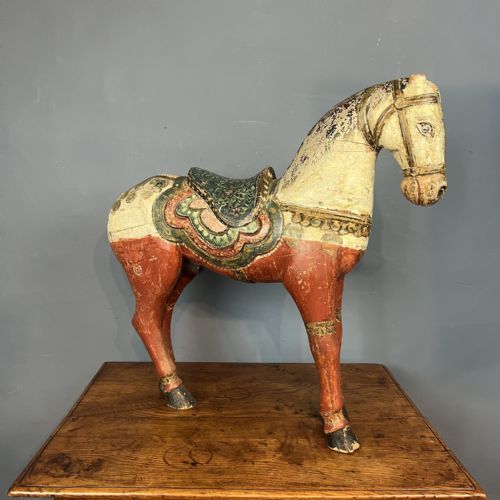
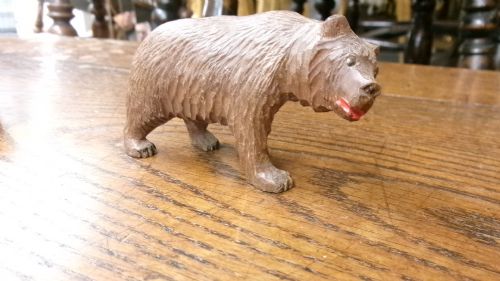
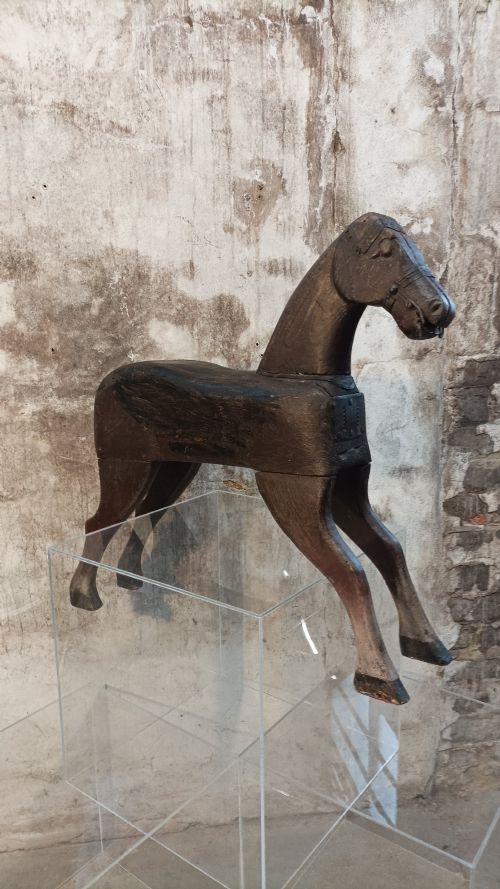
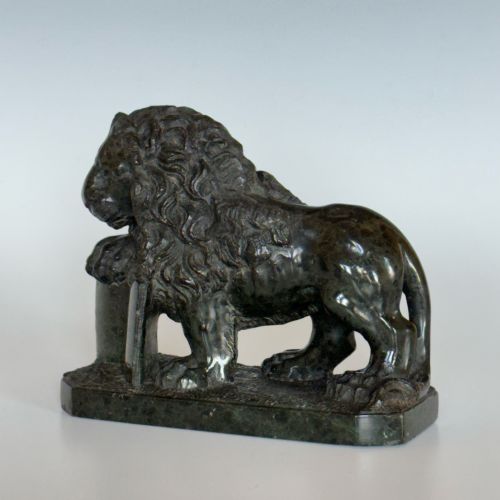
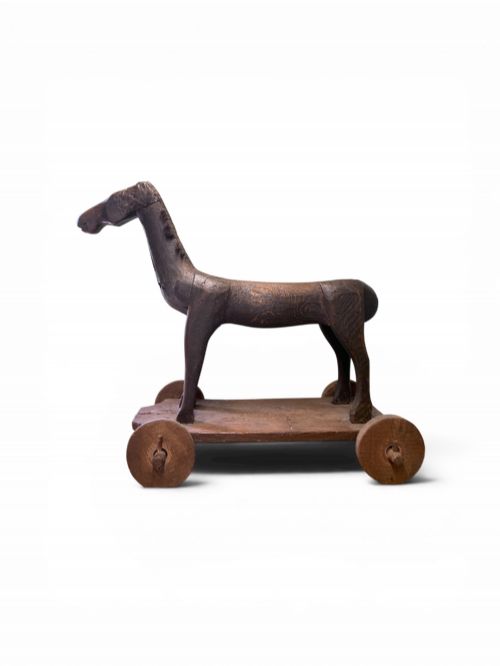
When you search for antique carved animal figures, you encounter a diverse array of sculptures, bookends, and decorative figures originating from European, Asian, and Anglo-Indian workshops. These pieces range from naive folk art horses and carousel figures to detailed Black Forest bears and classical grand tour marble lions.
The domestic interior and the scholar's desk provide the primary contexts for these objects, with subjects spanning British, French, Swiss, and Japanese traditions. Bears, elephants, lions, and horses dominate the forms, reflecting both regional wildlife and exotic imports favoured by nineteenth-century collectors.
Materials and Carving Methods
Carvers predominantly utilised linden wood, hardwood, and various marbles such as serpentine, Derbyshire alabaster, and veined Carrara, often applying surface paint or leaving the grain exposed. Linden wood allowed European makers to achieve deep undercut foliage and realistic fur textures in Black Forest groups.
Asian and Anglo-Indian workshops employed dense timbers like teak, ebony, and hard woods to render elephants and water buffaloes with smooth, polished surfaces. Stone carvers utilised traditional chisel and drill techniques to shape Italian grand tour lions and wild stallions from solid blocks of mineral.
Listings feature items from the eighteenth century through the Art Deco period, rendered in wood, marble, bone, glass, and soapstone.
Distinctions in Execution
The vitality of the carving and the anatomical accuracy of the creature separate standard decorative items from superior works. Skilled carvers rendered musculature, facial expressions, and natural postures with acute observation, whereas naive pieces rely on charming simplicity and bold proportions.
The integration of the subject with its base or setting influences the overall success of the piece, as seen in complex multi-animal groups or fitted stands. Preservation of original surface finishes, whether unvarnished wood or historical paint, maintains the integrity of the object.
J Huggler·Bright And Sons·Limonaire
The Antique Carved Animal Figures Glossary
- Black Forest
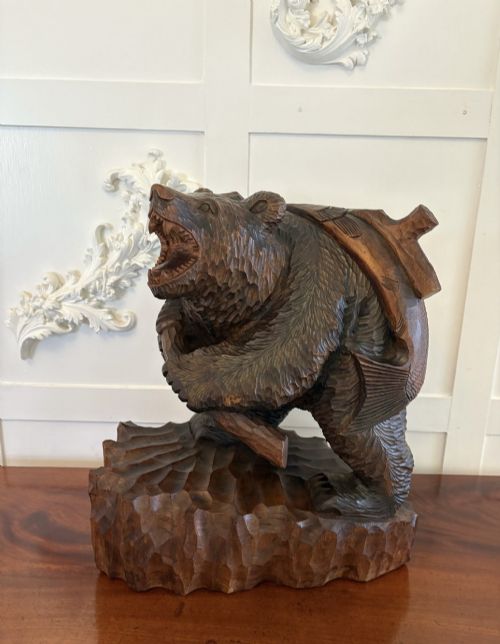
- A regional style of wood carving originating from the Swiss and German borderlands, characterised by realistic bears, deer, and alpine animals. These pieces often function as practical items such as inkwells, umbrella stands, and bookends.
- Grand Tour
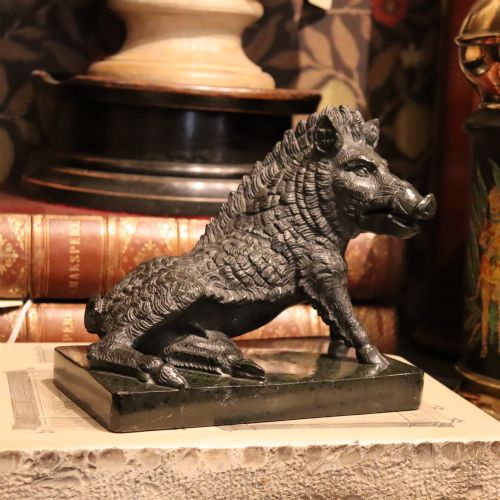
- A nineteenth-century cultural tradition where travellers acquired miniature architectural models and animal sculptures, such as Florentine boars in serpentine marble. These souvenirs replicated classical antiquities found in Italian collections.
- Folk Art
- Objects created by self-taught or non-professional makers, prioritising expressive design over academic proportion. Examples include naive wooden horses and carousel figures adorned with original paint.
- Linden wood
- A pale, fine-grained timber favoured by European carvers for its uniform texture and resistance to splitting. This wood permits intricate detailing without splintering along the grain.
Antique Carved Animal Figures: Frequently Asked Questions
How do I clean antique wooden animal carvings?
Dust the surface regularly with a soft, dry bristle brush to prevent particle buildup in carved recesses. Avoid using water, harsh detergents, or modern furniture polishes on antique wood or painted finishes.
For stubborn dust, utilise a slightly damp cloth followed immediately by a dry lint-free cloth. Preserving the dry patina ensures the historic character remains intact.
What is Black Forest carving?
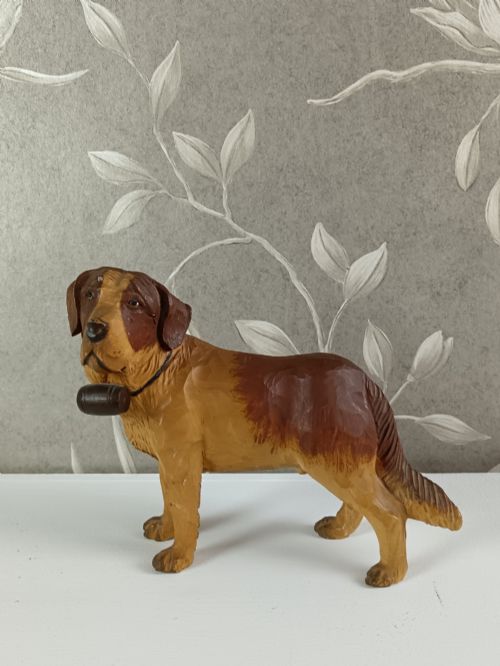
Black Forest carving refers to nineteenth-century wooden animal sculptures produced primarily in the Brienz region of Switzerland and the Black Forest area of Germany. Bears and dogs dominate these works, frequently depicted holding trays or serving as bookends.
Master carvers utilised linden wood to render realistic fur, claws, and facial expressions. These items served both decorative and functional purposes in Victorian homes.
How do I identify a grand tour marble sculpture?
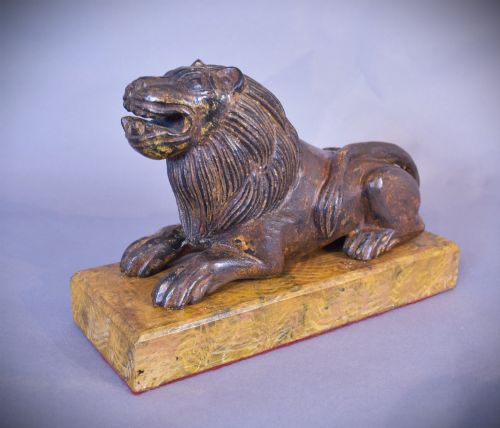
Grand tour marble sculptures typically depict classical subjects, such as the Florentine boar or the Lion of St Mark, carved from serpentine or Carrara marble during the nineteenth century. Travellers purchased these pieces as souvenirs of their European educational journeys.
Examine the mineral composition and the weathering of the stone base for signs of age. These carvings reflect the neoclassical taste of collectors who sought miniature replicas of ancient monuments.
Are painted folk art figures original?
Folk art figures often retain layers of historical paint that reveal how the object was used and displayed over generations. Original paint displays natural craquelure, wear patterns, and tonal variations consistent with age.
Inspect the surface under magnification to check for modern overpainting or restoration work. Untouched surfaces command greater interest among collectors of naive wooden toys and carousel figures.