





Carved Wood Lion Figures
These carved wood lion figures span centuries of animal sculpture, offering strong decorative presence for any room.
Carved Wood Lion Figures
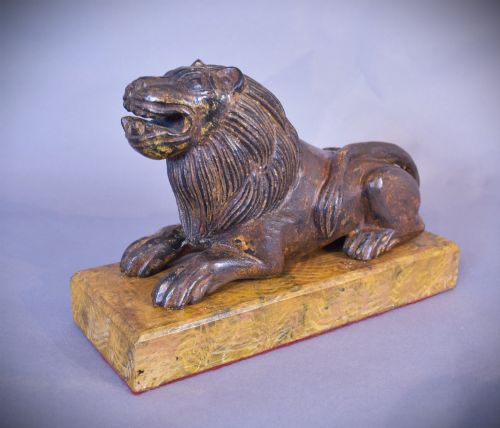
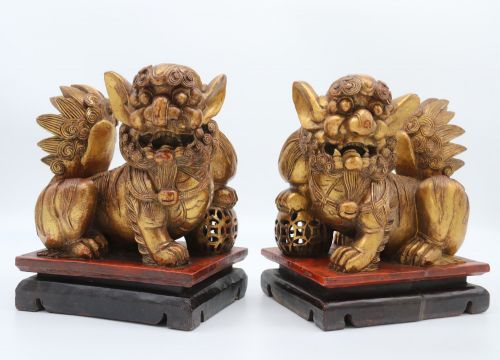
When you search for carved wood lion figures, you encounter a diverse range of sculptural forms spanning European and Asian traditions. The selection includes traditional European depictions such as Medici lions on plinths alongside Chinese Buddhist lions and Foo dogs.
Pieces on this page date from the seventeenth century through to the mid twentieth century, encompassing Georgian, Gothic Revival, Art Deco and Qing Dynasty styles. Forms vary from monumental pairs to small boxwood carvings, utilising materials like hardwood, giltwood and root wood.
How they were made
Artisans carved these figures from various woods including boxwood, walnut and root wood, sometimes applying paint, lacquer or gilt to the surface. Some examples incorporate contrasting bases such as marble plinths to support the weight of larger sculptures.
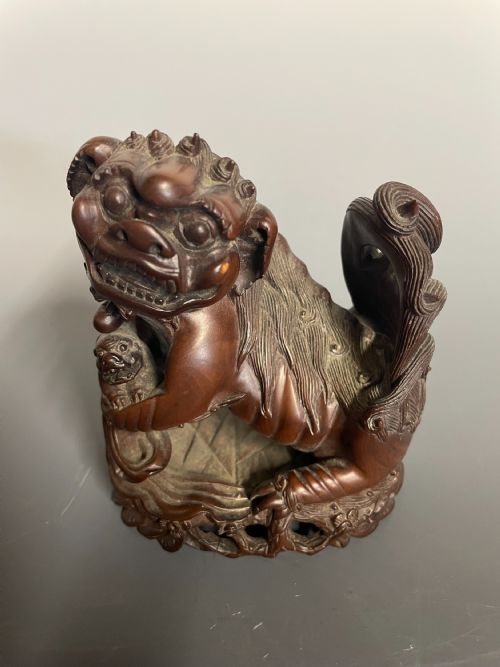
The construction relies entirely on traditional hand-carving techniques, shaping the timber to capture the musculature and expression of the animals. Detail work ranges from the intricate curls of a Foo dog's mane to the formal posture of Grand Tour Medici lions.
Carved Wood Lion Figures Retail Price Guide 2026
Typical asking prices for carved wood lion figures among the pieces listed under this phrase on Sellingantiques today, from the lower quarter to the upper quarter. They describe what is for sale here now, not the wider market.
The selection includes European styles like Gothic Revival and Grand Tour alongside traditional Chinese and Qing Dynasty art.
What varies in quality
Surface finishing also dictates quality, with skilled application of giltwood, paint or lacquer enhancing the visual texture of the timber. The integration of supporting elements, such as bespoke plinths or marble bases, further separates ordinary carvings from exceptional works.
Eugene Emile Borga·Luigi Frullini
The Carved Wood Lion Figures Glossary
- Foo Dog
- A traditional Chinese guardian lion, also known as a lion dog or Buddhist lion. These mythical creatures frequently appear in pairs guarding entrances or sacred spaces.
- Medici Lion
- A classic representation of a lion standing with one paw on a sphere, modelled after the antique marble sculptures in Florence. They are commonly rendered in pairs as decorative ornaments.
- Giltwood
- Wood that has been treated with a thin layer of gold leaf or gilt paint. This finish creates a reflective, decorative surface seen on various period sculptures.
- Root wood
- Timber sourced from the root system of a tree, prized for its gnarled, organic grain and twisted natural shapes. Chinese carvings often utilise this material to accentuate movement in animal figures.
- Grand Tour
- A cultural journey undertaken by wealthy Europeans in the eighteenth and nineteenth centuries to collect classical art and sculpture. Figures associated with this tradition emulate ancient monuments.
Carved Wood Lion Figures: Frequently Asked Questions
What is a Foo dog?
A Foo dog is a traditional Chinese guardian lion often depicted in pairs. These mythical figures served a protective function in Asian art and architecture.
Carvers rendered them in various timbers, including boxwood and root wood, typically showing them seated with stylised manes and open mouths.
Are these figures always sold in pairs?
Many examples appear as matching pairs, particularly the Chinese Buddhist lions and the Grand Tour Medici lions. These balanced sets were designed for symmetrical placement on mantelpieces or flanking entryways.
Single figures also occur, such as standalone nineteenth century decorative ornaments or individual carvings mounted on dedicated plinths.
How do I identify the period?
Dating relies on stylistic cues and the specific woodworking techniques employed by the maker. Seventeenth and Georgian pieces display European classical motifs, while nineteenth century examples often reflect Revival movements or Grand Tour influences.
Twentieth century items, including Art Deco works, introduce more stylised forms and may incorporate modern base materials like marble alongside the carved timber.
Where should I display them?
These sculptures suit placement on sturdy surfaces such as sideboards, display cabinets or dedicated plinths. Their substantial visual weight makes them effective focal points in traditional or eclectic interiors.
Positioning them away from direct heat sources helps protect the carved wood, lacquer and gilt surfaces from drying out over time.