




19th Century Lion Carvings
These 19th century lion carvings are substantial sculptural works shaped in stone and wood, bought by collectors to anchor a study or gallery.
19th Century Lion Carvings
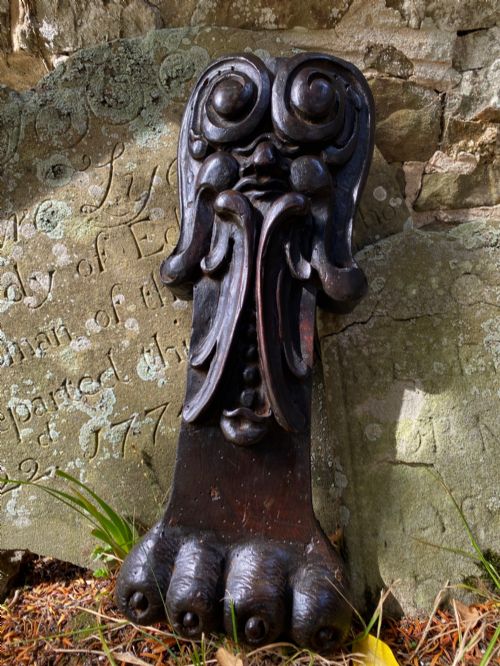
19th century lion carvings encompass diverse regional interpretations, from European Grand Tour souvenirs to Chinese temple figures and Black Forest forestry work. You are most likely to encounter marble figures, architectural wall masks, and carved wooden heraldic crests reflecting classical and Gothic revival aesthetics.
The objects range from recumbent architectural fragments and furniture mounts to monumental freestanding pairs. Sculptors of the period drew upon Venetian symbols, Medici prototypes, and Canova models to satisfy the era's taste for classical antiquity.
How they were made
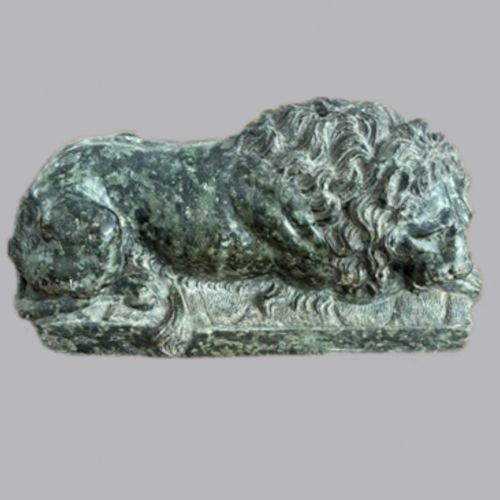
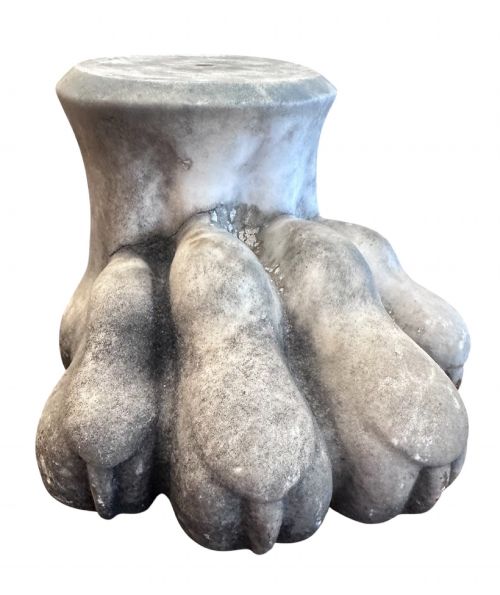
Stonemasons and marble carvers utilised hard stones such as Carrara marble, serpentine, green marble, and standard stone, shaping them with chisels to produce smooth Grand Tour figures and architectural paw supports. These mineral materials required patient hand-polishing to achieve the varied surface sheens seen across the Italian and Chinese examples.
19th Century Lion Carvings Retail Price Guide 2026
Typical asking prices for 19th century lion carvings among the pieces listed under this phrase on Sellingantiques today, from the lower quarter to the upper quarter. They describe what is for sale here now, not the wider market.
The listings show materials spanning green marble, serpentine marble, Carrara marble, stone, walnut, oak, and carved hardwood.
What varies in quality
Quality rests upon the anatomical precision of the carving and the discipline of the tool work in both stone and timber. Superior pieces display confident musculature, deep relief, and sensitive treatment of expression rather than mechanical repetition.
The choice of raw material dictates the baseline calibre, with dense green marble, serpentine, and figured walnut offering superior durability and capacity for fine detail compared to coarser local stones.
LUIGI FRULLINI
The 19th Century Lion Carvings Glossary
- Grand Tour
- Souvenirs purchased by wealthy travellers touring the cultural sites of Europe during the nineteenth century. These items frequently replicate famous Italian sculptures in marble and serpentine.
- Black Forest
- A regional style of wood carving originating in Switzerland and Germany, known for realistic representations of animals carved in walnut and lime wood.
- Medici Lions
- A pair of marble sculptures of lions, one with its paw upon a ball, originally Roman and placed at the Villa Medici in Rome. Nineteenth-century carvers frequently copied these notable monuments.
- Serpentine Marble
- A dark green rock rich in serpentine minerals, prized by carvers for its mottled appearance and smooth finish. It appears frequently in Grand Tour carvings.
- Architectural Salvage
- Building elements rescued from structures undergoing demolition or alteration. These components often include wall masks and decorative stone fragments.
19th Century Lion Carvings: Frequently Asked Questions
What materials were used for these lion carvings?
Carvers utilised a range of hard materials including Carrara marble, green marble, serpentine, tiger oak, walnut, and standard stone.
Selection depended on the regional workshop and the intended placement, with furniture mounts generally formed in timber and Grand Tour pieces shaped in stone.
Where were these carvings originally displayed?
The objects served multiple functions, operating as desk ornaments, furniture components, architectural wall masks, and garden or hall sculptures.
Larger pairs often flanked doorways or anchored substantial partner desks within nineteenth-century interiors.
What is the difference between stone and wood carvings?
Stone carvings utilise materials like marble and serpentine to achieve smooth classical surfaces and cool tactile qualities. Walnut and oak wood carvings employ deep relief to render dynamic textures such as animal fur and heraldic crests.