


Antique Car Mascot
These antique car mascot pieces are striking radiator ornaments that bring period motoring flair to any collection.
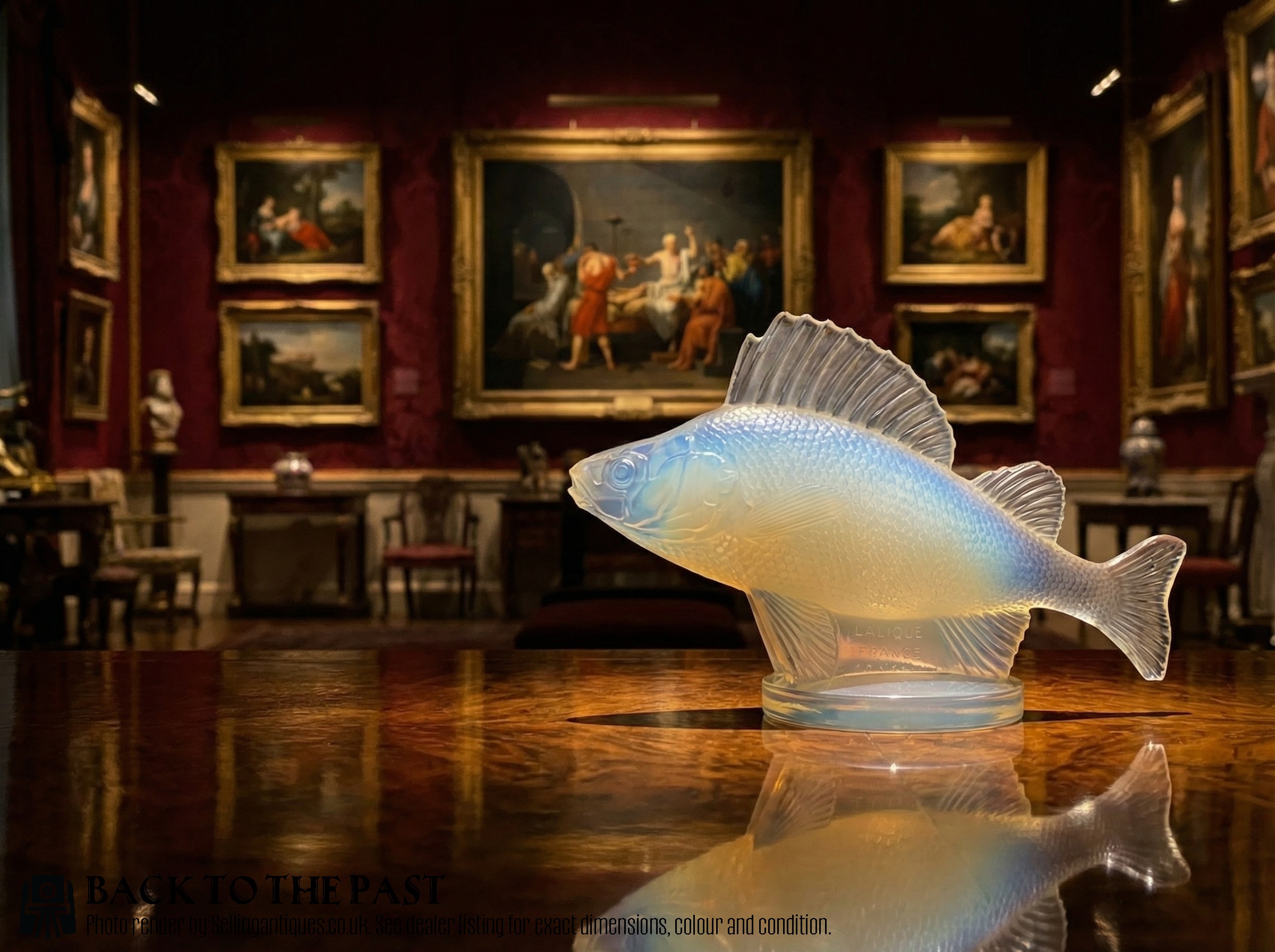
Antique Car Mascot
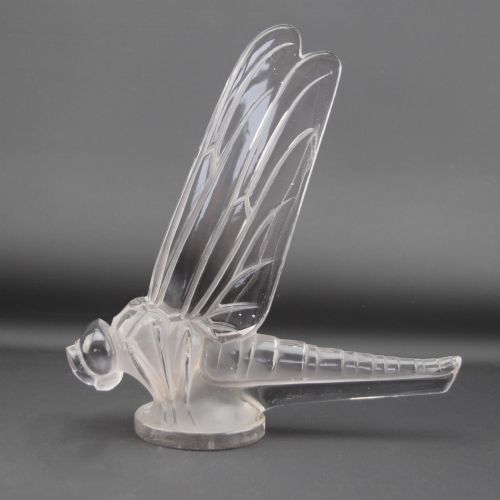
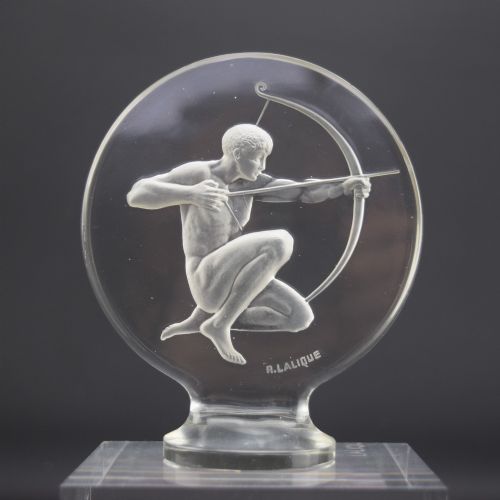
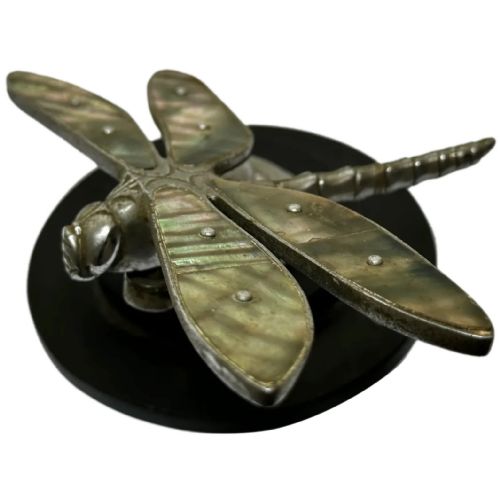
An antique car mascot is a sculptural object mounted on the radiator cap of a motor vehicle during the early twentieth century. This selection includes forms shaped as animals, birds, insects, human figures, and novelty items from the Edwardian period through to the mid-century automobilia era.
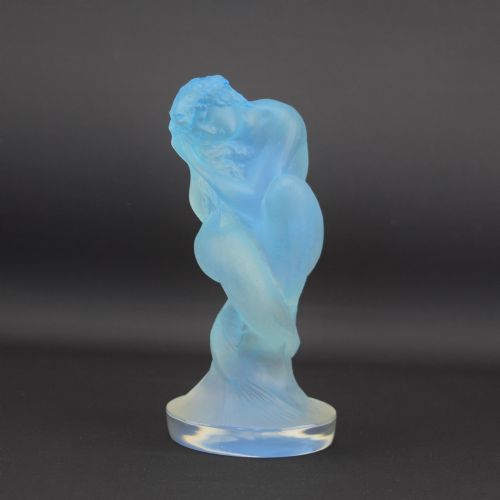
Most pieces seen here belong to the Art Deco style, featuring animals like lions, greyhounds, poodles, and pelicans alongside female figures and modernist designs. Makers utilised materials ranging from moulded glass to cast bronze for these decorative objects.
Beyond automotive use, many of these sculptures function as desk accessories or paperweights. Buyers will find classic glass creations alongside metal figures intended for both car grilles and interior display.
How they were made
Makers utilised bronze, brass, chrome, and aluminium for metal pieces, often applying cold-painted finishes or gilding to enhance detail. Foundry casting captured the dynamic lines of figures such as golfers, dancers, and racing animals.
Glass pieces rely on moulding techniques to achieve clear, frosted, or opalescent visual effects. Artists shaped heavy glass into detailed forms like fish, birds, and dragonflies designed to catch the daylight from a bonnet.
Listings feature periods spanning from nineteen hundred to nineteen-forty, with a strong concentration of nineteen-twenties and nineteen-thirties Art Deco designs.
What varies in quality
Glass mascots vary according to the purity of the material and the subtlety of the opalescence or frosting. Superior glass catches light evenly across its moulded surfaces, whereas lesser pieces appear heavy or lack translucency.
Rene Lalique·Louis Lejeune·Desmo·Jose Dunach
The Antique Car Mascot Glossary
- Automobilia
- Items associated with the history, culture, and use of motor vehicles. This encompasses mascots, badges, and related motoring accessories.
- Cold-painted bronze
- A bronze sculpture painted with oil-based paint without being fired in a kiln. This technique was popular for small animal figures and novelty items.
- Opalescent glass
- Glass that displays a milky or iridescent appearance with milky-blue highlights when lit. It was favoured by master glassmakers for decorative automotive ornaments.
- Radiator cap
- The removable top of a vehicle cooling system. Early motorists mounted sculptural mascots directly onto these fittings.
- Moulded glass
- Glass formed by pressing molten material into a metal or wooden mould. This process allowed makers to produce complex sculptural shapes in volume.
Antique Car Mascot: Frequently Asked Questions
How were car mascots mounted?
Mascots were typically threaded or bolted directly onto the top of the vehicle radiator cap.
This allowed drivers to display personal emblems or sculptural art at the front of the car during journeys.
Can I display these off a car?
Many collectors exhibit these pieces on desks, shelves, or cabinets as standalone sculptures.
Their solid bases make them suitable for use as paperweights or decorative desk ornaments.
What materials are most common?
Bronze and moulded glass appear frequently across this category.
Makers also utilised chrome, brass, aluminium, and wood depending on the period and style.
How do I spot Art Deco pieces?
Art Deco examples feature stylised geometric lines, streamlined animal forms, and modern human figures.
These pieces often date from the nineteen-twenties and nineteen-thirties.