


Antique Caned Settee
An antique caned settee brings historic woodwork and woven seating together, offering a stately focal point for a traditional room.
Antique Caned Settee
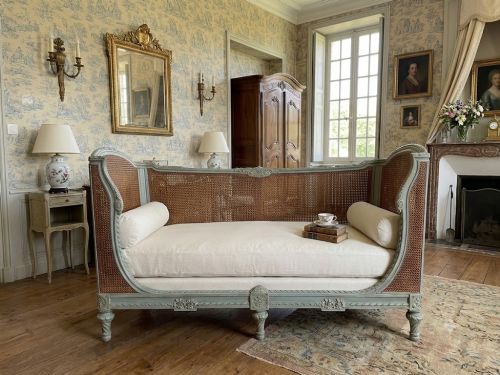
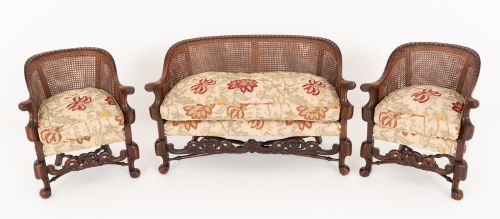
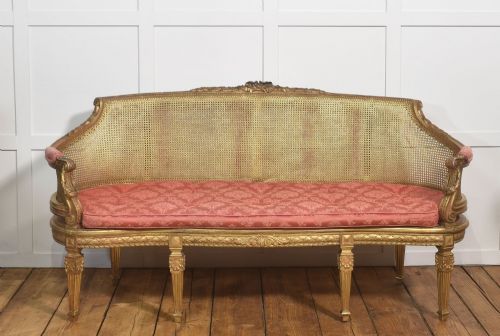
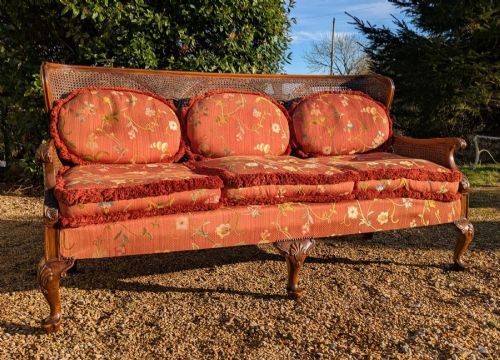
An antique caned settee is a long seated piece featuring woven natural material panels within a wooden frame, designed for parlour or drawing room use. You will frequently encounter French revival styles, notably Louis XVI and Louis XV interpretations from the nineteenth and early twentieth centuries, alongside British revival and Anglo-Indian pieces.
The selection ranges from carved walnut and giltwood daybeds to painted beech frames and multi-seat sofas fitted with feather cushions. Many examples reflect historical revivals spanning the eighteenth, nineteenth, and early twentieth centuries, showing diverse regional interpretations of classic seating forms.
Materials and construction methods
Makers shaped structural frames primarily from hardwoods such as walnut, beech, and rosewood, occasionally applying paint, giltwood, or satinwood finishes to the exterior surfaces. These dense timbers provided the necessary rigidity to support the tension of woven seating panels and frequent daily use.
Cane work forms the distinct backing or seat inserts, woven intricately through pre-drilled holes in the wooden rails to create a flexible, breathable support. Artisans frequently combined these woven panels with upholstered fabric cushions filled with feathers for added comfort.
One exceptional settee originates directly from the ballroom of the RMS Queen Elizabeth ocean liner.
Assessing quality and craftsmanship
The finesse of the wood carving dictates the tier of the piece, with crisp, hand-chiselled ornamentation separating standard workshop output from exceptional commissions. Giltwood surfaces and detailed painted finishes show varying degrees of preservation and original skill.
The tightness and regularity of the cane weave indicate the standard of production, alongside the structural integrity of the underlying hardwood frame. Original joinery and preserved surface treatments hold greater weight among collectors than later restorations.
Thonet
The Antique Caned Settee Glossary
- Canapé
- A French term for a sofa or settee, often associated with decorative carved wooden frames and open armrests. These pieces frequently mirror formal architectural styles of various royal periods.
- Bergère
- An enclosed upholstered armchair or sofa design featuring upholstered sides and typically a loose seat cushion. The style often incorporates woven cane panels along the backrest and frame.
- Giltwood
- Timber treated with a thin layer of gold leaf or gilt preparation to create a lustrous metallic finish. This treatment appears frequently on formal French revival salon seating.
- Carolean Style
- A British furniture style spanning the mid to late seventeenth century, noted for rich carved walnut and scrolling motifs. Later revival iterations borrow these distinctive structural flourishes.
- Gustavian
- The Swedish interpretation of French neoclassical design, characterised by pale painted finishes and restrained classical carving. Pieces from this tradition offer a lighter aesthetic than heavier continental counterparts.
Antique Caned Settee: Frequently Asked Questions
How are antique caned settees cleaned?
Dust the wooden frame gently with a dry cloth and vacuum the cane panels using a soft brush attachment on a low setting.
Avoid soaking the woven material with excess water, as moisture can weaken the natural fibres over time.
Can damaged cane seating be repaired?
Skilled restorers can re-weave broken or sagging sections by matching the pattern and gauge of the original plant material.
Professional re-caning preserves the structural integrity of the frame while maintaining the historical appearance of the piece.
Where were these settees originally placed?
These seating forms occupied formal reception rooms, parlours, and bedrooms in grand townhouses and country estates.
Window seats and daybeds were specifically positioned to catch natural light in private chambers and reception spaces.
How do I identify a revival piece?
Examine the tool marks, timber ageing, and joinery methods to distinguish nineteenth-century revival work from earlier original eras.
Revival pieces often combine historical motifs like Louis XVI carving with manufacturing techniques characteristic of the late Victorian period.