


Caned Back Bench
A caned back bench brings lightness and texture to a room, offering an airy seating option crafted from woven cane and timber.
Caned Back Bench
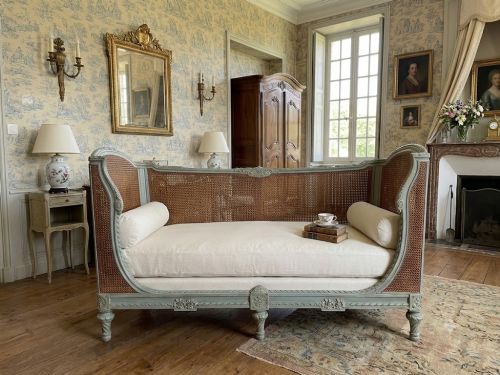
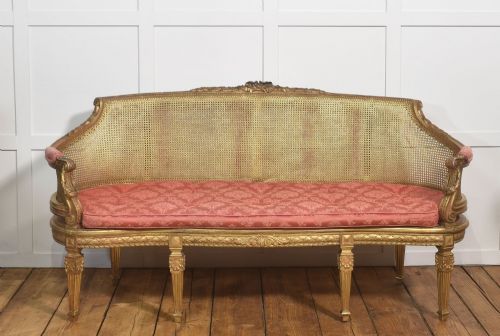
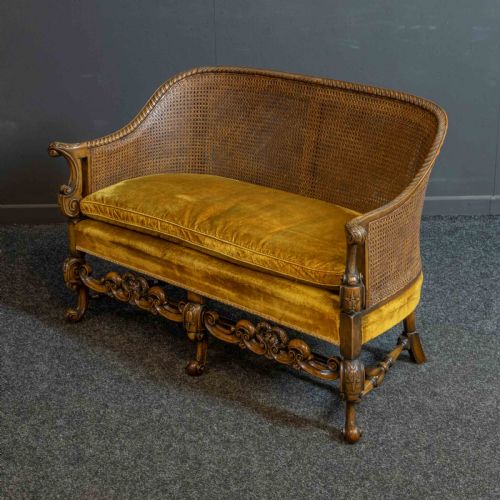
A caned back bench combines the utility of a settee or sofa with the intricate detail of woven cane work. Buyers seeking a caned back bench will encounter forms ranging from French Louis XVI style daybeds to Anglo Indian rosewood scroll back benches and Edwardian pieces.
The selections available span multiple periods including the eighteenth century, nineteenth century, and early twentieth century. Common forms include settees, daybeds, window seats, and loveseats produced in various regional styles like Gustavian, Viennese bentwood, and French chateau.
Most examples rely on traditional European and colonial forms, appearing as painted wood, giltwood, walnut, beech, or rosewood structures. The defining characteristic across these varied pieces remains the woven cane back panel that provides both support and visual transparency.
Materials and construction
Makers constructed the framework of a caned back bench using hardwoods such as walnut, beech, satinwood, and rosewood, alongside softer timbers designated for painted or gilded finishes. These wooden frames often feature carved details, giltwood highlights, or painted surfaces finished in linen and damask fabric upholstery on associated squab cushions.
The defining element utilises natural cane, threaded through holes drilled in the frame to form a tight, supportive mesh. Artisans balanced the structural rigidity of the wooden chassis with the flexible tension of the woven canework.
The listings feature pieces utilising walnut, beech, rosewood, and satinwood alongside natural cane and fabric upholstery.
Distinctions in quality
Quality in a caned back bench rests upon the precision of the timber carving and the tightness of the woven cane panel. Finer pieces demonstrate hand-carved joinery in walnut or rosewood, whereas simpler versions utilise painted or simpler moulded frames.
The integrity of the cane work dictates the overall standard of the piece, with even tension and uniform pattern indicating superior workshop execution. The choice of primary material, from gilded gesso over wood to solid rosewood or satinwood, further separates standard production from high-end execution.
Thonet
The Caned Back Bench Glossary
- Cane
- Strips of peeled rattan woven into a patterned mesh. It forms the lightweight, breathable backing characteristic of these seats.
- Giltwood
- Timber treated with a thin layer of gold leaf or gilt. This finish appears frequently on formal revival seating.
- Bergere
- An enclosed upholstered armchair or settee with wooden frames and usually a caned back. These French-inspired seats often include loose squab cushions.
- Gustavian
- The Swedish interpretation of French neoclassical design, characterised by pale painted finishes and restrained classical carving. This style emphasises light and proportion.
- Settee
- A medium-sized upholstered or caned seat designed for multiple occupants. It shares similarities with a small sofa or bench.
Caned Back Bench: Frequently Asked Questions
How were these benches used?
These pieces served as seating in formal salons, bedrooms, and window recesses, offering a lighter alternative to heavily padded upholstery.
They functioned primarily for resting or conversation rather than heavy lounging, positioned where their decorative frames and woven backs could be admired.
How do I care for cane?
Natural cane requires moderate humidity to prevent the material from drying out and snapping under tension. Regular dusting with a soft brush keeps the weave clean without damaging the fibres.
Avoid placing these seats near direct heat sources or in overly dry rooms. Treating the underside occasionally with dampness can help maintain the flexibility of the rattan.
Are cushions necessary?
Many examples were originally designed to accommodate loose fabric squab cushions for comfort over the wooden or caned base. These pads soften the seat while allowing the decorative back to remain visible.
Original upholstery materials seen include linen, damask fabric, and simple patterned textiles that complement the painted or polished wood frames.
How do I distinguish French styles?
French revival pieces from the nineteenth and early twentieth centuries often borrow motifs from Louis XV and Louis XVI reigns. Louis XVI pieces typically display straight fluted legs and symmetrical frames, while Louis XV designs favour curved cabriole lines.
Painted or giltwood finishes further separate these decorative seating options from simpler bentwood or regional British and Anglo Indian variations.