

Antique Cane Desk Chair
An antique cane desk chair brings together supportive woven seating and sturdy timber frames to offer a practical workspace seat.
Antique Cane Desk Chair
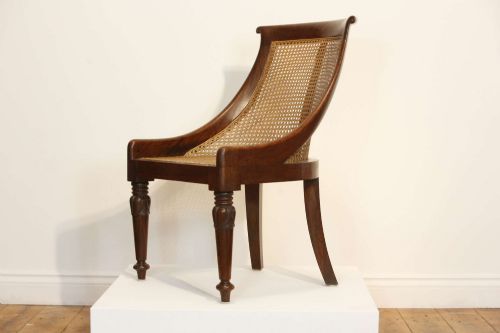
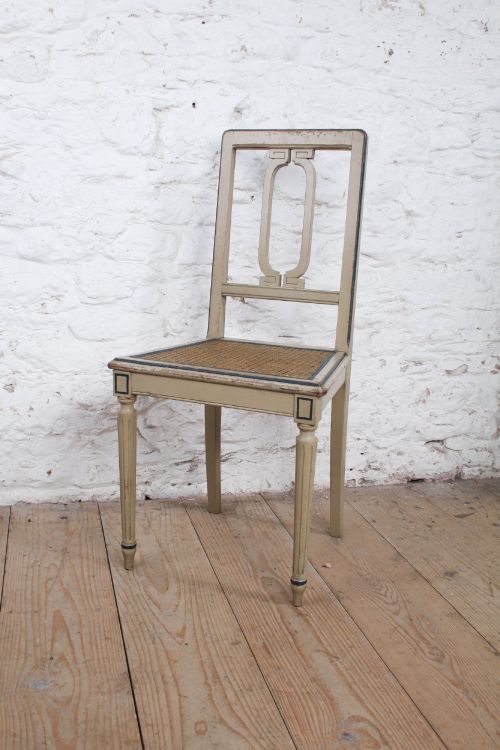
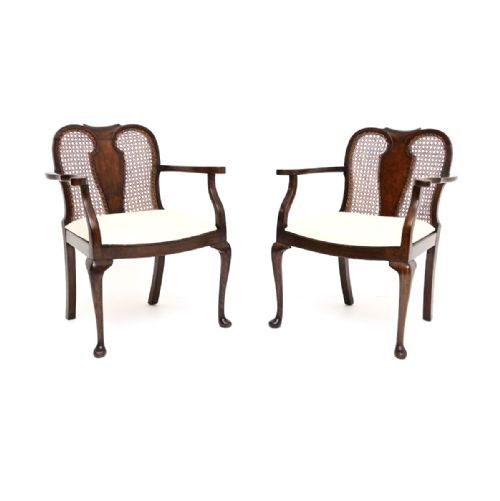
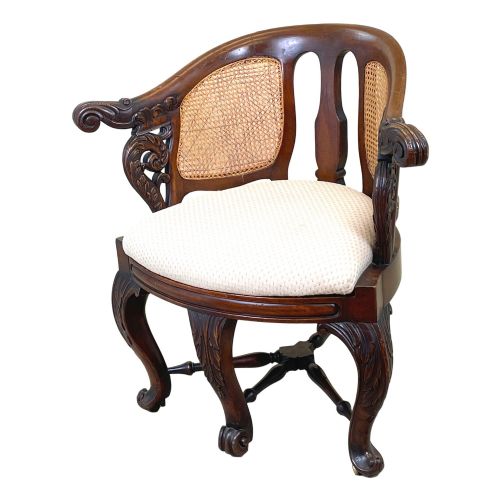
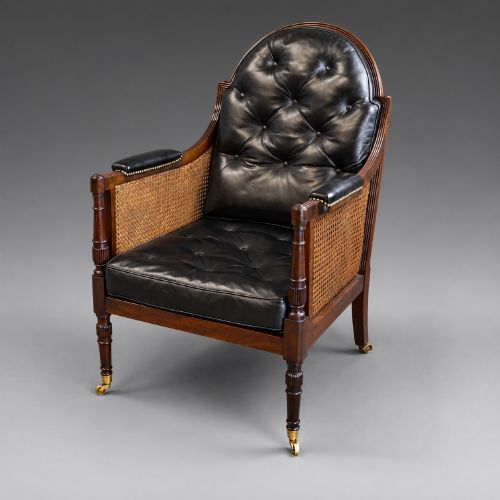
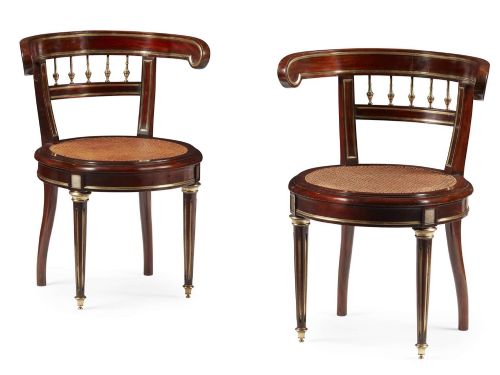
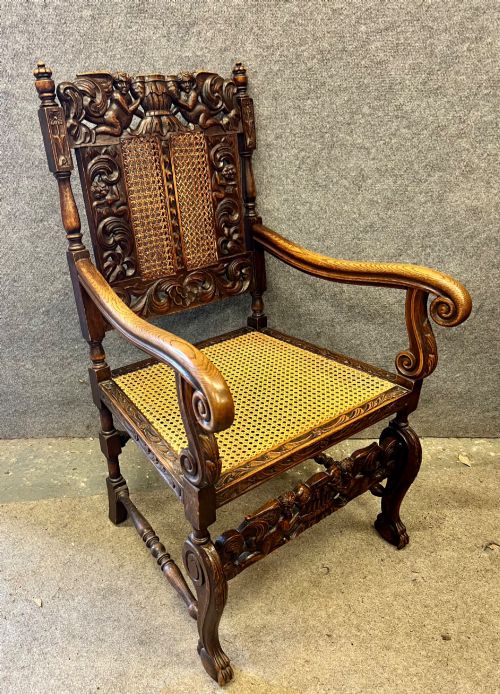
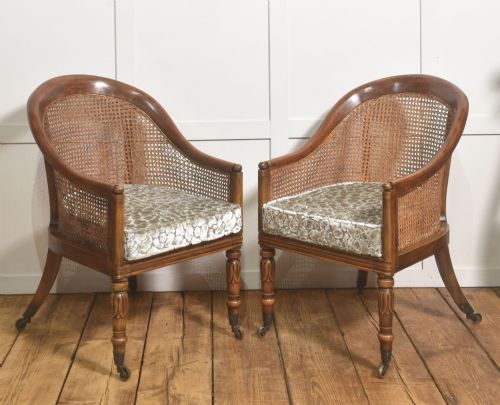
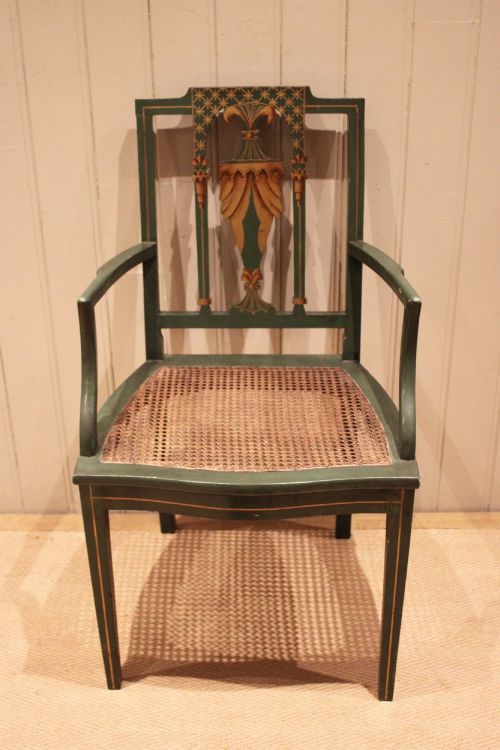
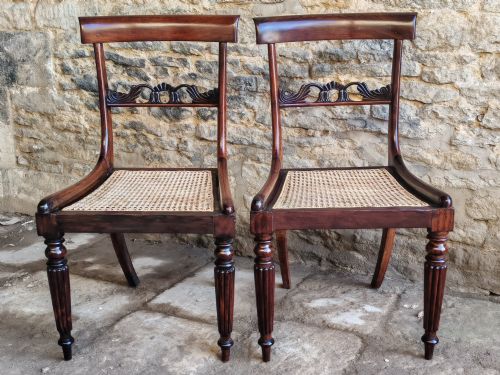
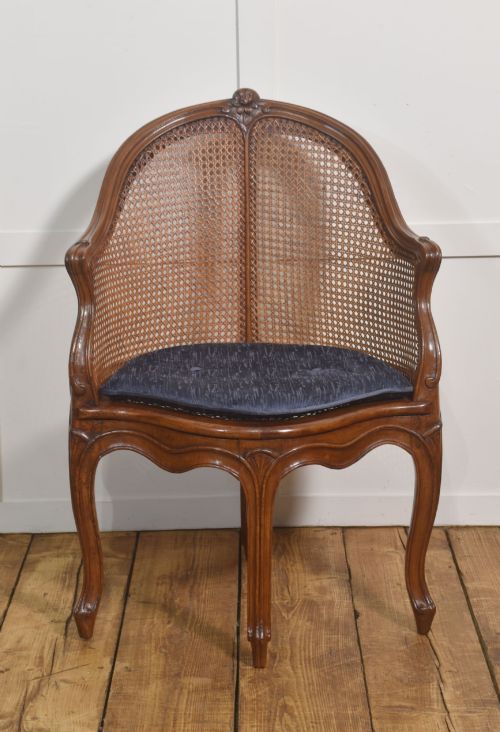
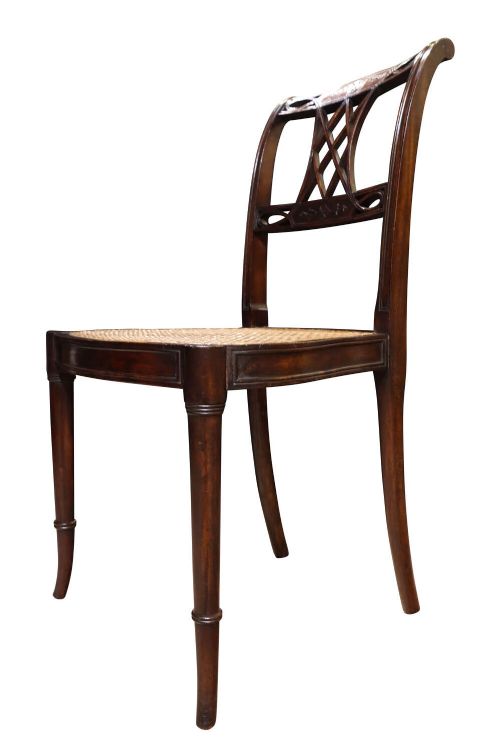
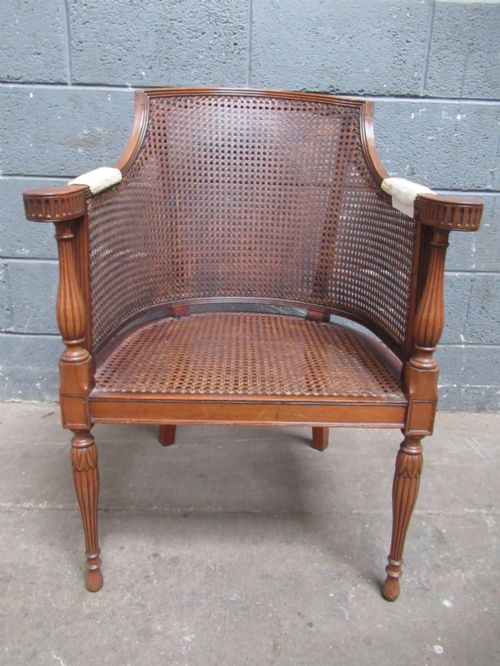
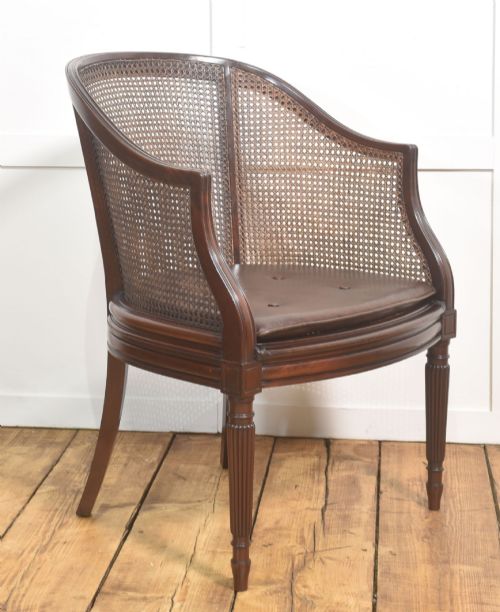
When searching for an antique cane desk chair, buyers encounter various timber frames built during the Regency, Victorian, and Edwardian periods. These pieces appear in forms such as armchairs, library bergères, and tub shapes designed for sitting at tables and writing desks.
The selection includes styles ranging from straightforward nineteenth-century models to revival pieces influenced by earlier furniture makers. Many feature woven panels in the seat, back, or sides to provide a resilient and flexible support.
Origins span across English workshops, continental European makers, and Anglo-Indian production centres, employing local hardwoods alongside imported materials. These diverse seating forms reflect the changing domestic requirements for study and correspondence throughout the nineteenth and early twentieth centuries.
Materials and construction methods
Construction relies heavily on durable timbers such as mahogany, walnut, oak, rosewood, and satinwood, shaped into turned legs, curved backrests, and supportive arm structures. Joinery techniques connect these solid wood frames to withstand the daily pressures of a working seat.
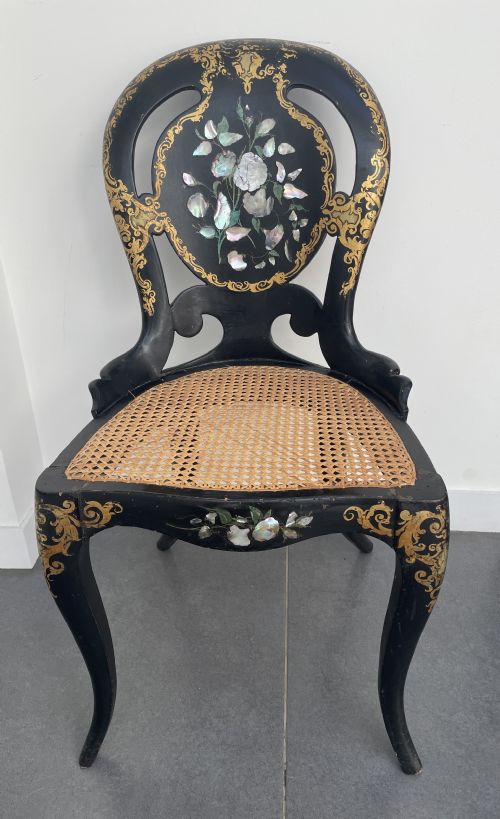
Caning involves weaving split rattan strands through drilled holes along the frame rails to create a patterned mesh seat or back panel. Additional elements like brass castors, leather cushioning, and painted decoration often complement the primary timber framework.
Antique Cane Desk Chair Retail Price Guide 2026
Typical asking prices for cane desk chair among the pieces listed under this phrase on Sellingantiques today, from the lower quarter to the upper quarter. They describe what is for sale here now, not the wider market.
Listings feature cane desk chairs across periods from Regency and Victorian up to Edwardian times, constructed in mahogany, walnut, oak, and rosewood.
Distinctions in construction and material standard
Quality separates chairs built with dense, well-figured timber and tight, uniform cane weaving from those utilising simpler woods and looser mesh work. The precision of the joinery and the grace of the carved details determine the overall standard of the piece.
The integrity of the frame and the condition of the woven panels dictate how well the structure holds up under regular use. Pieces showing careful attention to proportion and finish represent the higher end of the range.
Gillows
The Antique Cane Desk Chair Glossary
- Bergère
- An upholstered armchair with enclosed sides, frequently featuring cane panels in the back and arms. This French seating form became popular in Britain during the Regency period.
- Caning
- A method of weaving split rattan cane into open mesh patterns for chair seats and backs. This technique provides a flexible yet resilient surface.
- Tub chair
- A curved seating form where the back and arms merge into a single continuous semi-circular enclosure. These compact seats often incorporate woven cane panels.
- Sabre leg
- A concave-curving leg that tapers toward the foot, commonly seen on Regency chairs. This design provides structural stability while maintaining a light silhouette.
- Klismos
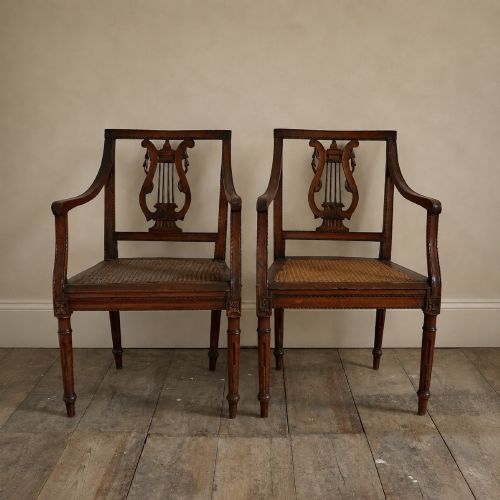
- An ancient Greek chair form characterised by curved back rails and sabre legs, revived during the nineteenth century. These seating designs often include woven cane inserts.
Antique Cane Desk Chair: Frequently Asked Questions
What is an antique cane desk chair?
An antique cane desk chair is a wooden seat featuring woven rattan panels, designed for use at a writing table or library desk.
These pieces combine traditional timber framing with flexible cane mesh to provide support during extended periods of work.
How do I identify the period of my chair?
Period identification relies on examining the timber species, turning styles, and specific decorative motifs present on the frame. Regency pieces often display ebonised finishes and sabre legs, while Edwardian examples show lighter inlaid woods.
Comparing construction details against documented styles helps narrow down the decade of production.
How should I care for cane seating?
Cane panels require occasional cleaning with a damp cloth and should be kept away from direct heat sources to prevent the rattan from drying out. Maintaining moderate humidity in the room helps preserve the natural flexibility of the woven material.
Avoid placing excessive point loads on the centre of the cane mesh to ensure even weight distribution.
Were these chairs originally used at desks?
Many nineteenth-century seating forms served multiple domestic purposes, including writing, reading in libraries, or sitting in bedrooms. While some were specifically built for study spaces, others adapted easily from parlour use to desk work over time.