


Antique Cane Bench
These antique cane bench examples combine woven natural seating with timber frames, offering lightweight elegance and historical character.
Antique Cane Bench
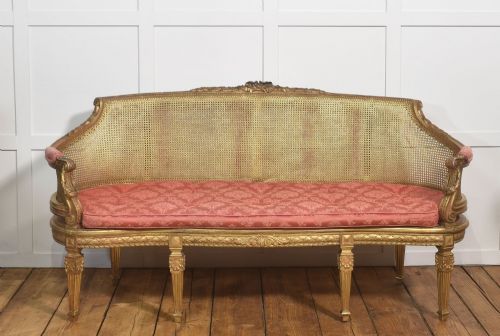
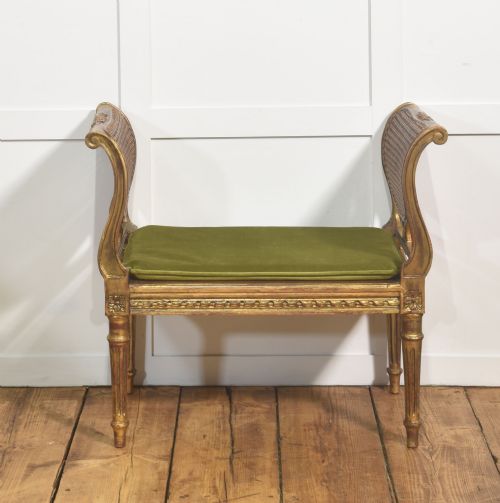
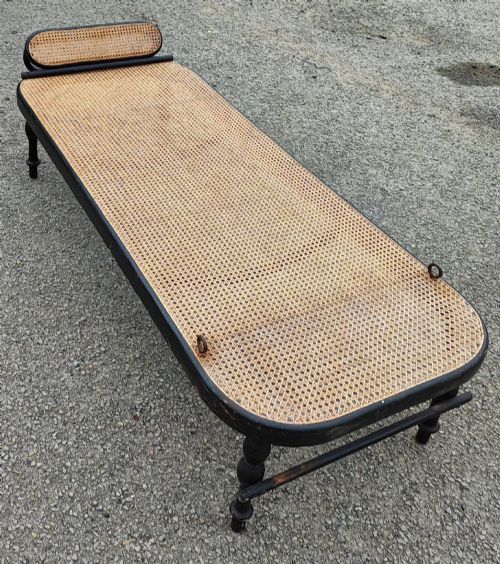
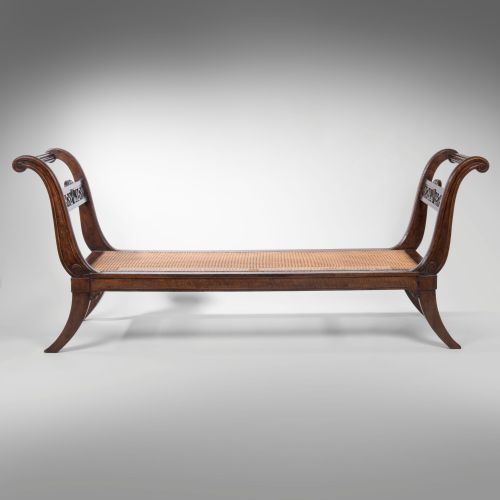
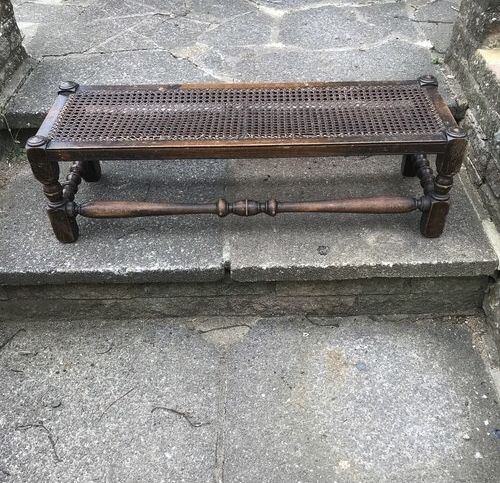
Makers utilised various formats, including scroll back benches, two seater window sofas, and long oak framed footstools. Pieces originate from periods spanning the eighteenth century through to the early twentieth century.
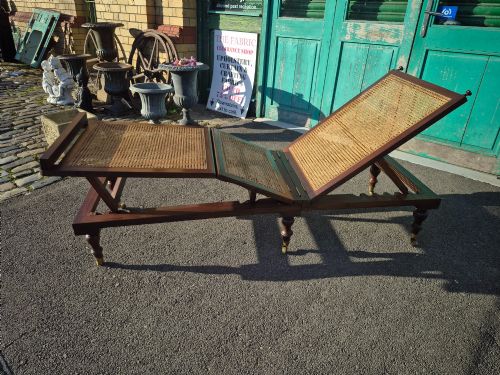
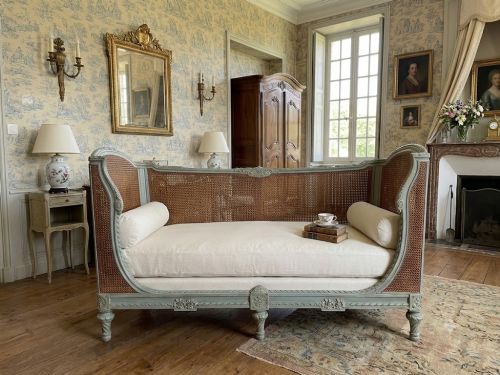
Buyers encounter structural varieties such as X-frame window seats, bergere sofas, and campaign style day beds. These items function equally as hall benches, salon seating, and bedroom daybeds.
Materials and construction methods
Craftsmen built frameworks from beech, mahogany, walnut, oak, rosewood, and satinwood, frequently applying paint, giltwood, or ebonisation. These timbers provide the structural rigidity required for long benches and day beds.
The characteristic seating panels employ woven cane inserted into chair and bench frames. Artisans combined this traditional canework with carved wood details, turned legs, and occasionally upholstered fabric elements.
The furniture styles represented across the inventory include Louis XVI, Regency, Anglo-Indian, and Victorian Gothic designs.
Distinctions in quality
Quality rests in the crispness of the wood carving and the tightness of the woven canework across the seat or back panel. Finer examples display master joinery in frames made from dense hardwoods like mahogany or walnut.
The integrity of the original giltwood, japanning, or painted surfaces elevates a piece above standard production. Proportion, decorative restraint, and harmonious proportions between the cane panel and the wooden frame separate masterwork pieces from simpler utilitarian seating.
The Antique Cane Bench Glossary
- Bergere
- An enclosed upholstered or caned armchair or sofa with wooden sides. The style originates from France and typically incorporates woven cane panels.
- Japanned
- Covered in a hard, black or dark resinous varnish in imitation of Japanese lacquer work. This decorative finish appears on eighteenth and nineteenth-century furniture.
- Giltwood
- Wood that has been coated with gold leaf or a gold-coloured finish. It is common on decorative European window seats and salon furniture.
- X-Frame
- A structural furniture base formed by intersecting curved or straight timbers shaped like the letter X. This support appears frequently on Regency window seats and benches.
Antique Cane Bench: Frequently Asked Questions
How do I care for antique canework?
Keep woven cane panels away from direct heat sources and strong sunlight to prevent the natural fibres from becoming brittle and snapping.
Lightly dust the weave with a soft brush and occasionally dampen the underside with a sponge to maintain the natural moisture of the material.
Where were these benches placed historically?
Homeowners positioned these seats in long hallways, grand salons, and bedrooms as functional resting spots. Window seats sat specifically within structural window recesses to provide views and reading light.
Larger daybeds served for daytime resting in private chambers, while smaller stools functioned near fireplaces or dressing tables.
How do I identify French style pieces?
French style frames display characteristic neoclassical or rococo carved motifs such as floral garlands, fluted legs, and gilded or painted surfaces. The terminology often references Louis periods like Louis XVI.
Construction typically involves beech or walnut frames paired with refined proportions and symmetrical scrollwork.