


Colonial Wooden Bench
A colonial wooden bench brings character and global history into a room through rich tropical timbers and traditional regional carving.
Colonial Wooden Bench
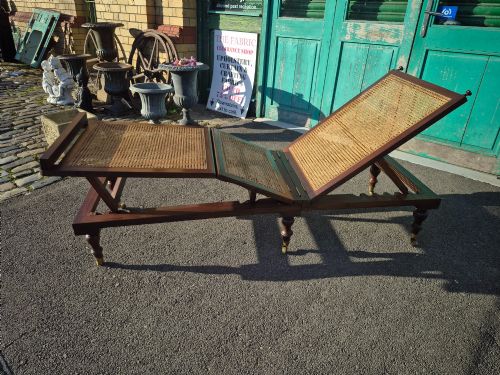
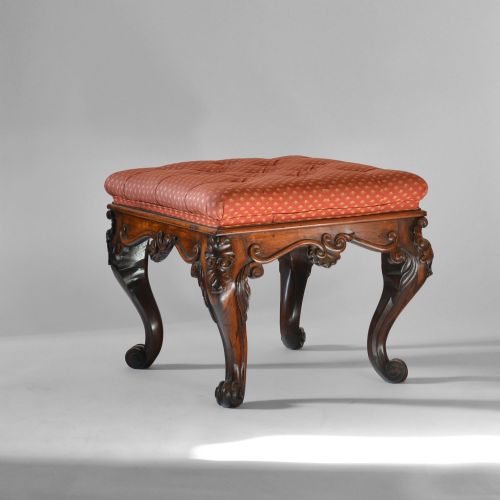
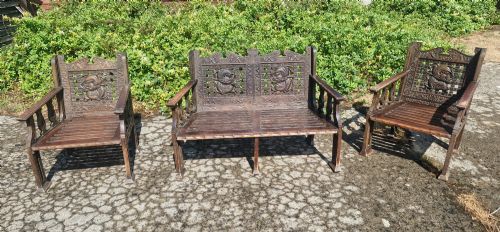
A colonial wooden bench encompasses robust seating forms shaped by European design meeting local craftsmanship across diverse overseas territories during the eighteenth and nineteenth centuries. Buyers searching for a colonial wooden bench will frequently encounter Anglo-Indian daybeds, settees, and stools displaying intricate regional carving and woven elements.
The selection ranges from large veranda seating in teak to refined rosewood scroll-back benches and early South African stinkwood examples. Hall benches, window seats, and campaign style daybeds also populate the offerings, reflecting the varied domestic needs of officials and traders abroad.
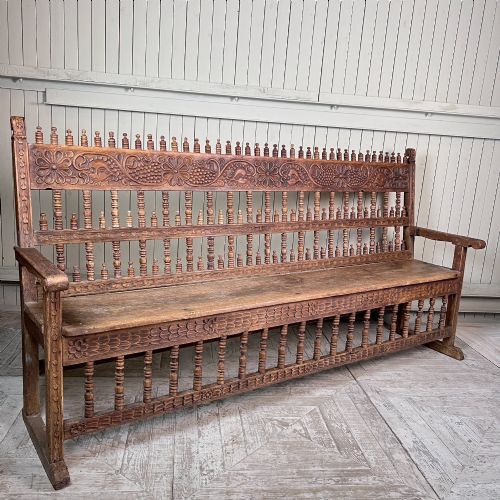
Most pieces date from the nineteenth century, bridging Regency and Victorian eras, while late eighteenth-century Spanish colonial variants provide older, heavier forms in carved hardwood. These benches serve practical seating functions while displaying distinct hybrid aesthetics developed in regions such as Ceylon, Burma, and the Cape.
Materials and Construction
Makers utilised dense tropical timbers including teak, rosewood, mahogany, and stinkwood to withstand humid climates and heavy daily use. These durable hardwoods provided a stable base for deep relief carving and structural longevity without succumbing easily to warping.
Cane, woven rattan, and fabric panels frequently formed the seating surfaces, offering cool ventilation in warmer regions. Brass mounts and decoration were integrated for structural reinforcement and visual contrast against the dark timber.
Listings feature 19th-century pieces predominantly, alongside select 18th-century and early 20th-century items utilising teak, rosewood, mahogany, and stinkwood.
Assessing Quality
Quality rests primarily in the crispness and depth of the hand-carved detail, distinguishing fluid, purposeful foliage and figural work from softer, later recutting. The choice and matching of timber sections also dictate the visual coherence of the piece, particularly in larger seating suites and long benches.
Structural integrity depends on the original joinery within the dense hardwoods and the preservation of woven cane or rattan elements. Superior examples maintain uncompromised frames and original brass hardware where applicable, showing harmonious integration between imported European forms and local hand-building traditions.
The Colonial Wooden Bench Glossary
- Stinkwood
- A highly prized South African hardwood known for its distinct aromatic scent when freshly cut and rich, lustrous dark grain. It was utilised for fine colonial furniture including early benches.
- Cane
- Woven rattan material used for seats and backs in tropical furniture to provide breathability and light weight. It requires careful tensioning during manufacture.
- Anglo-Indian
- A descriptive term for furniture made in India during the British period, combining British furniture forms with local Indian decorative motifs and dense timbers.
- Campaign style
- Portable furniture designed for easy dismantling and transport by military officers or travellers, often featuring brass corners and folding elements.
- Settee
- A small upholstered or wooden sofa with a back and arms, designed to seat multiple people comfortably.
Colonial Wooden Bench: Frequently Asked Questions
What is a colonial wooden bench?
A colonial wooden bench is a seating piece produced in European colonies or trading outposts, blending domestic European forms with local timber and carving styles.
These pieces range from veranda benches in teak to formal rosewood scroll-back settees from the nineteenth century.
How were colonial benches used?
They served functional seating roles in homes, administrative offices, and verandas across distant territories, accommodating warm climates through breathable cane panels.
Larger versions functioned as daybeds or hall seats, offering versatile resting and waiting spaces for residents and visitors alike.
How do I date a colonial bench?
Dating relies on stylistic markers aligned with Regency, Victorian, or late eighteenth-century design trends combined with regional construction methods.
Examining the wood species, such as South African stinkwood or Ceylonese teak, alongside the complexity of the carving helps narrow the period of origin.
How do I care for tropical hardwood?
Maintain stable indoor humidity levels to prevent the dense timbers from splitting or the woven cane panels from becoming brittle.
Apply suitable natural wax sparingly and avoid placing the furniture near direct heat sources or strong sunlight.