



Indian Wooden Daybed
An indian wooden daybed brings tactile warmth and historic British colonial character straight into a modern interior.
Indian Wooden Daybed
An indian wooden daybed is a substantial seating and lounging piece originating from South Asian craftsmanship under various British colonial influences. These low platforms serve multiple domestic functions as benches, window seats, and coffee tables within living spaces.
The most common versions encountered on this page date from the nineteenth century, reflecting periods such as the Regency and Victorian eras. These pieces often carry specific regional and stylistic identities, including Anglo-Indian, Moorish Revival, and vernacular forms.
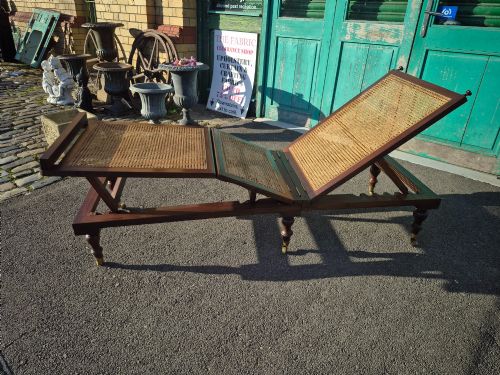
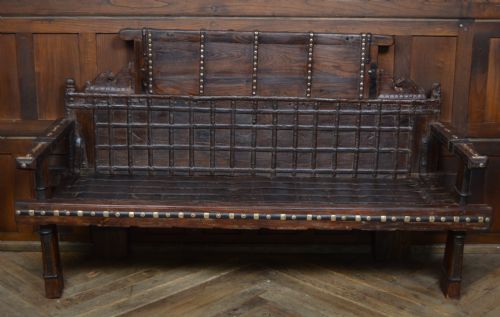
Forms vary from robust carved teak floor seats and bullock cart benches to delicate caned settees and scroll-backed benches. Buyers encounter diverse proportions and structural details that reveal both utilitarian origins and refined domestic luxury.
How they were made
Carpenters utilised dense tropical timbers like teak, hardwood, and rosewood to construct sturdy frames capable of withstanding warm climates. These timbers were often deeply carved with intricate floral or geometric motifs, reflecting regional artisan traditions.
Upholstery and loose cushions completed the seating surfaces for comfort, while specialised joinery accommodated campaign portability or fixed domestic placement.
Current listings demonstrate materials spanning hardwood, teak, cane, and iron alongside styles ranging from Moorish Revival to colonial campaign.
What varies in quality
The sophistication of the timber carving separates standard utility furniture from high-status commissions. Crisp, deeply undercut relief work indicates master artisan involvement, whereas shallow or mechanical incisions point to simpler village production.
The integrity of the structural joinery and the original state of the cane work dictate long-term durability. Pieces retaining their original timber patination and intact structural framing demonstrate superior survival through decades of use.
The Indian Wooden Daybed Glossary
- Anglo-Indian
- A descriptive term for furniture made in India by local craftsmen for British colonial residents or for export to Britain. It combines traditional Indian forms with European aesthetic preferences.
- Cane
- Woven material made from the peeled bark of rattan palms, utilised here for resilient and breathable seat panels. It requires careful hand-weaving techniques to maintain tension across the frame.
- Takhat
- A traditional low Indian seating platform used for sitting, lounging, or displaying objects. These low tables form a distinct category of domestic furniture.
- Campaign style
- Portable furniture designed for easy dismantling and transport by military officers on the move. Such pieces utilise clever knockdown joints and protective brass corners.
- Regency
- An architectural and decorative style spanning the early nineteenth century in Britain. It influences the classical proportions seen in certain colonial daybeds.
Indian Wooden Daybed: Frequently Asked Questions
How do I use a daybed at home?
An indian wooden daybed functions brilliantly as a daytime lounging spot, a window seat, or an alternative sofa in a living room. Adding loose linen cushions makes the firm wooden frame comfortable for everyday relaxation.
Lower versions also serve effectively as generous coffee tables or low display platforms. Their sculptural presence anchors a room while offering practical surface space.
Are these daybeds comfortable?
The comfort level depends on the addition of squabs or cushions placed across the wooden or caned base. Caned panels offer natural spring and breathability, making them pleasant in warmer weather.
Most historic pieces were designed for reclining rather than deep slouching. Adding tailored upholstery transforms them into deeply inviting seating areas.
How do I date a nineteenth-century daybed?
Dating relies on examining the timber species, joinery techniques, and stylistic crossover between British design books and local Indian craftsmanship. Regency and Victorian examples often incorporate specific turning styles and hardware.
Evidence of hand tools, fastener types, and surface wear patterns help narrow down the period of manufacture. Comparing carved motifs with known regional workshops provides further chronological context.
What is an Anglo-Indian daybed?
An Anglo-Indian daybed is a hybrid furniture form produced in the Indian subcontinent during British colonial rule. These pieces merge traditional South Asian forms with European upholstery styles and proportions.
They showcase exceptional indigenous woodworking skills applied to Western domestic requirements. This cross-cultural dialogue creates distinct regional aesthetics not found in standard British furniture.