
Antique Candlestick Lamps
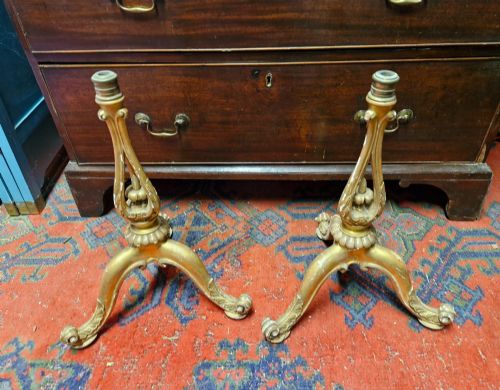
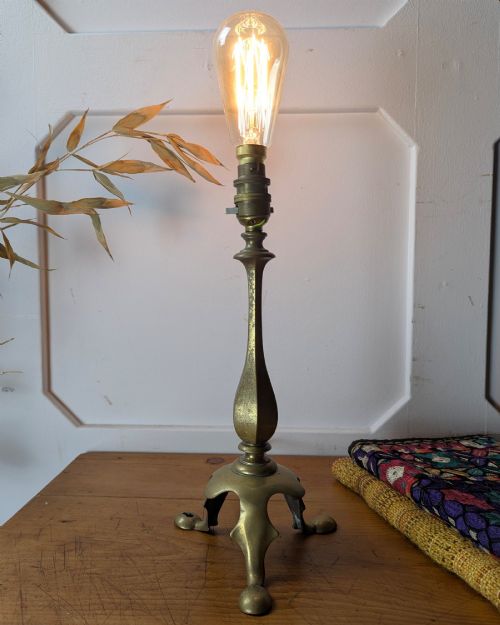
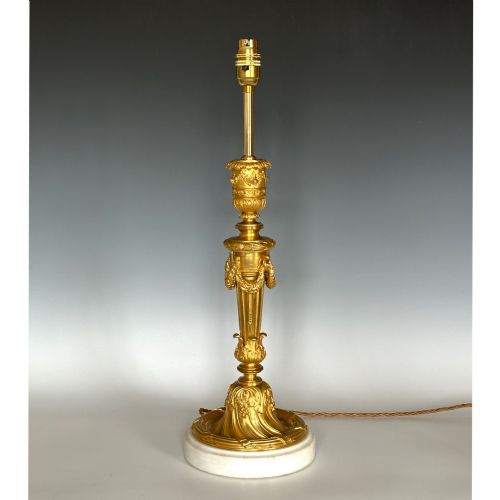
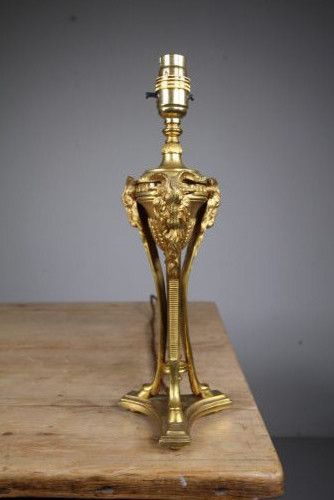
Antique candlestick lamps bring distinct illumination and period character to a room, fashioned from converted lighting or traditional pillars.
Antique Candlestick Lamps
Antique candlestick lamps encompass converted candleholders, oil lamps and pillar forms adapted for modern electrical use. Buyers searching for antique candlestick lamps typically encounter brass, silver-plated and ormolu pieces dating from the Victorian and Edwardian eras.
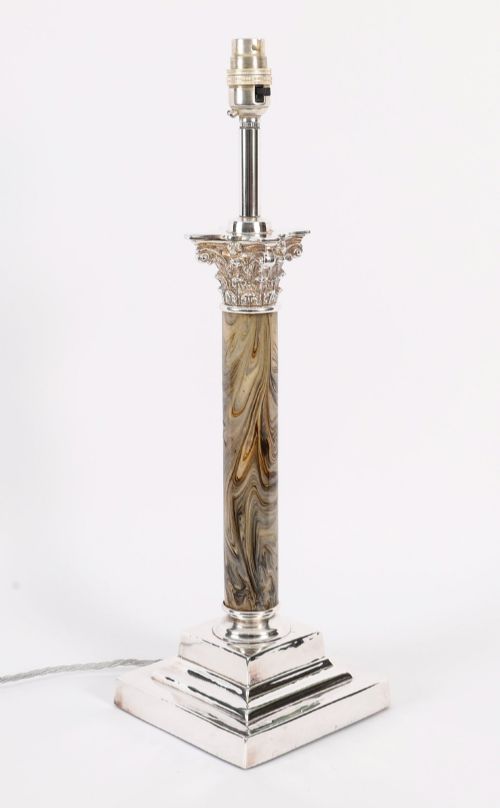
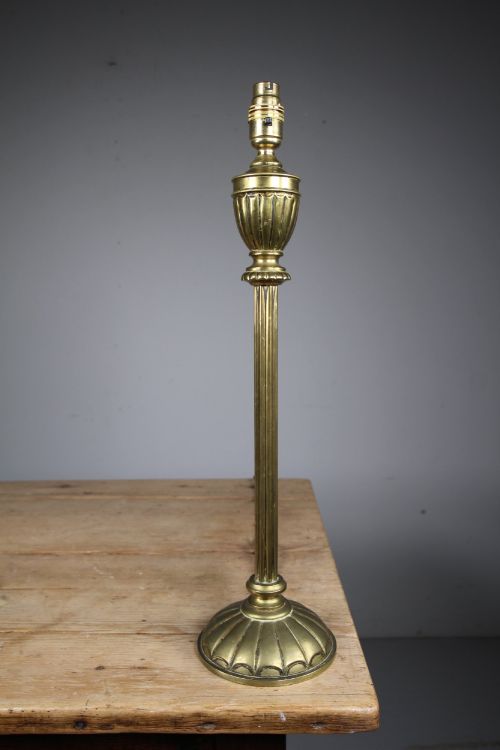
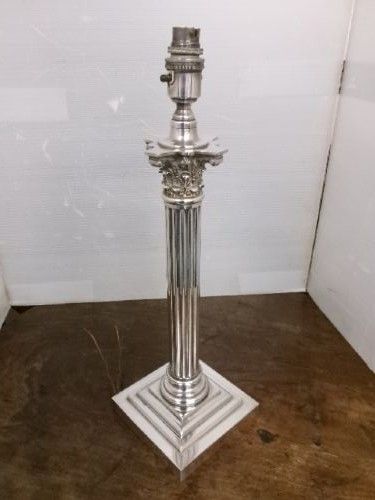
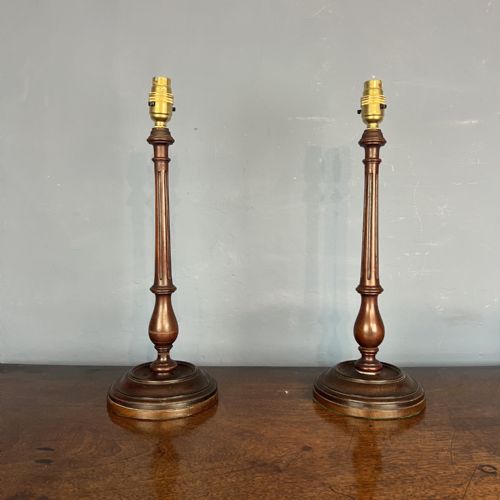
The selection ranges from tall Corinthian columns and barley twist shafts to heavy turned timber and carved wooden bases. Many examples began life as church candlesticks, desk lamps or dining room lights before receiving electrical fittings.
Origin points span English, French and continental workshops, reflecting styles from Neoclassical and French Empire to Arts and Crafts and Gothic Revival. Pairs frequently appear alongside singular monumental pillars.
How they were made
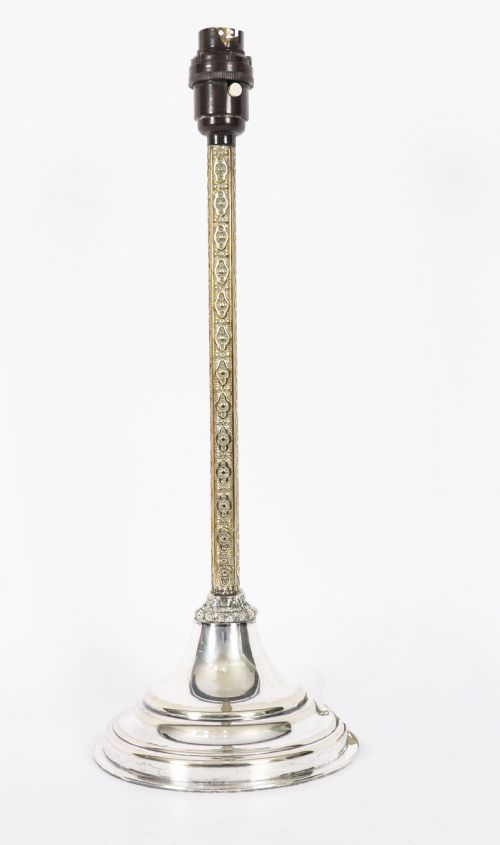
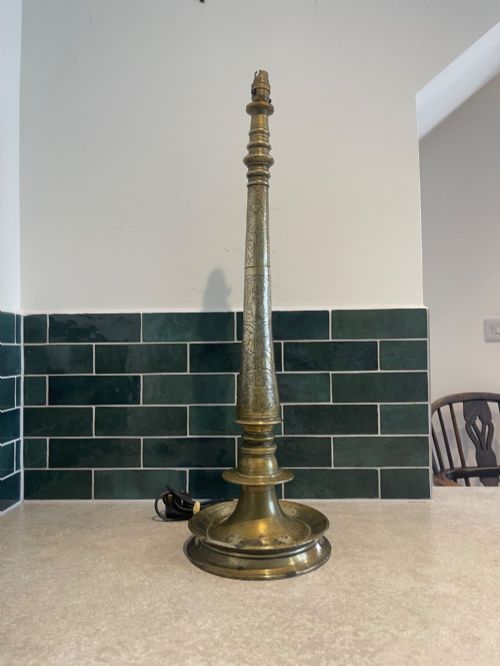
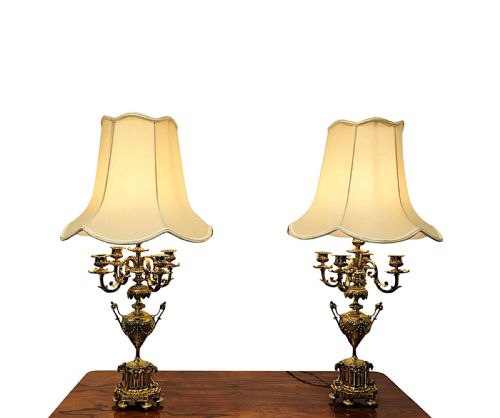
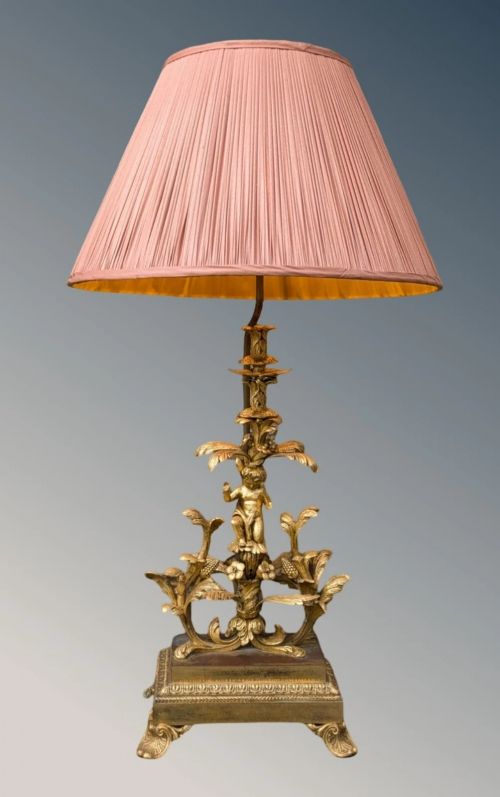
Metalworking dominates the construction of these pieces, utilising cast brass, silver plate on copper, and mercury-gilded bronze or ormolu. Artisans cast components in sections before chasing surface details and assembling columns with threaded rods.
Wooden examples rely on dense timbers such as mahogany, oak and lignum vitae, shaped on lathes into baluster or pillar forms. Detail work involves parcel gilding, lacquering or hand-painting on pine bases.
Antique Candlestick Lamps Retail Price Guide 2026
Typical asking prices for candlestick lamps among the pieces listed under this phrase on Sellingantiques today, from the lower quarter to the upper quarter. They describe what is for sale here now, not the wider market.
Materials range from simple painted pine and limed oak to heavy gilt bronze and silver-plated brass.
What varies in quality
Casting crispness dictates visual success, separating sharp acanthus leaves and defined fluting on brass and ormolu columns from soft, worn contours. Heavy gauge metal provides stability, whereas lighter plates bend under pressure.
Original surface finishes, whether untouched silver plate with warm underlying warm copper or deep patinated bronze, outweigh polished-down metal. The integrity of turned wooden profiles and retained fabric shades further divide standard utility pieces from collector examples.
Mappin and Webb's·Birks
The Antique Candlestick Lamps Glossary
- Ormolu
- Gilt bronze created by applying a mercury and gold amalgam to cast bronze before firing. This technique produces a durable golden finish seen on French Empire and Rococo pieces.
- Corinthian column
- A classical architectural order featuring an ornate capital decorated with acanthus leaves. This motif appears frequently on tall brass and silver-plated lamp bases.
- Silver plate
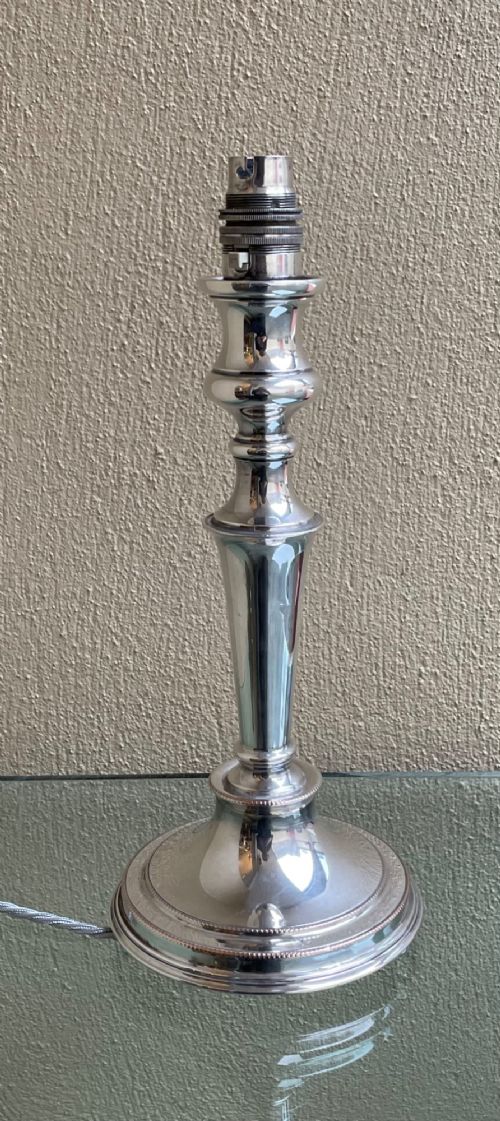
- A thin layer of silver bonded to a base metal such as copper or Britannia metal. Electroplating methods became widespread during the Victorian era for domestic lighting.
- Lignum vitae
- A dense, heavy tropical hardwood prized for its oily self-lubricating properties and dark grain. Craftsmen turned this timber into solid table lamp bases in the nineteenth century.
- Barley twist
- A helical turning technique resembling a twisted rope, carved into wooden or cast into metal shafts. This style recurs on late nineteenth-century table lamps.
Antique Candlestick Lamps: Frequently Asked Questions
Are antique candlestick lamps converted?
Many antique candlestick lamps started as oil lamps, church lights or domestic candleholders before receiving electrical wiring later in their lifespan. Conversion methods vary, with some retaining original burners and threaded mounts.
Other pieces were manufactured as lamp bases from the outset, particularly during the Edwardian period and the early twentieth century. Examining the internal cord paths and base weights reveals how the adaptation took place.
How do I date a brass candlestick lamp?
Dating relies on stylistic clues, manufacturing marks, and construction techniques used on the metal base. Victorian examples often feature heavy brass castings with ionic or Corinthian capitals, while later twentieth-century versions display simpler geometric turnings.
Patina and wear patterns around the base also offer clues to age. Hallmarks or maker stamps on silver-plated mounts provide precise production years.
Do antique candlestick lamps come in pairs?
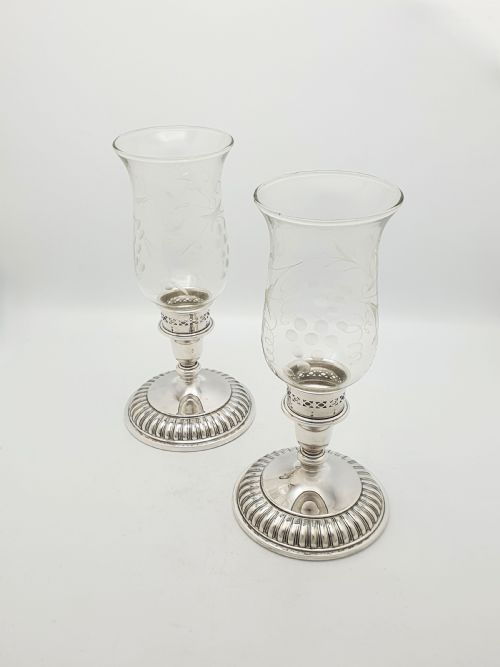
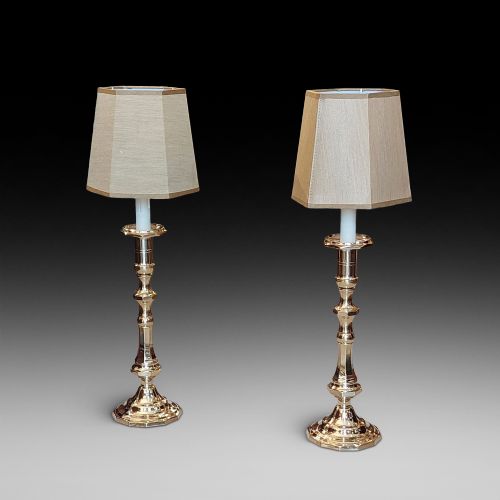
Pairs frequently appear in this selection, particularly among church candleholders, column lamps and turned wooden pillars. Symmetrical pairs suit mantelpieces, sideboards and large desks.
Single lamps also feature prominently, often representing heavier desk lights, architectural fragments or unique conversion projects. Matching pairs generally command more interest for formal interior layouts.
What shades suit antique candlestick lamps?
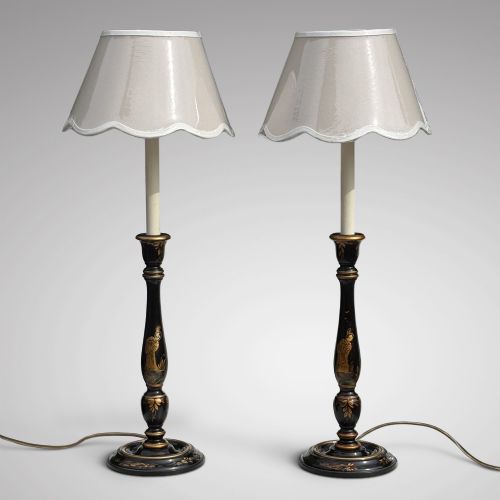
Fabric shades in silk, linen or pleated designs complement the metallic and wooden textures of the bases. Historically, some models paired with glass hurricane shades or decorative fabric coverings.
Proportion guides the choice, ensuring the shade width matches the footprint of the base. Neutral tones allow the detailed metalwork or carved wood to remain the visual focus.