


Antique Cameo Glass Vase
An antique cameo glass vase brings complex multi-layered colour and botanical or landscape motifs straight into a room through masterful glassmaking.
Antique Cameo Glass Vase
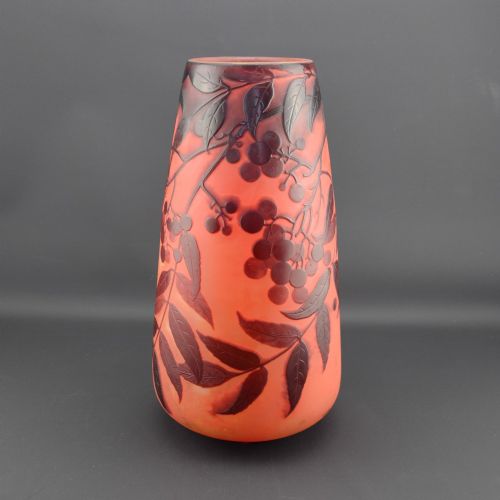
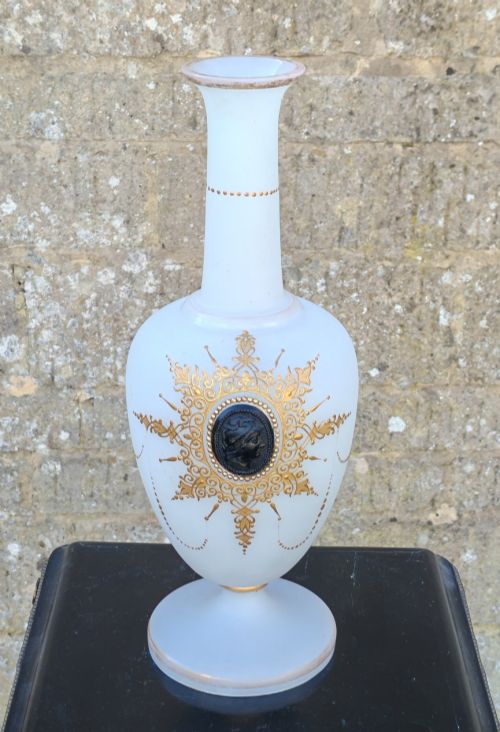
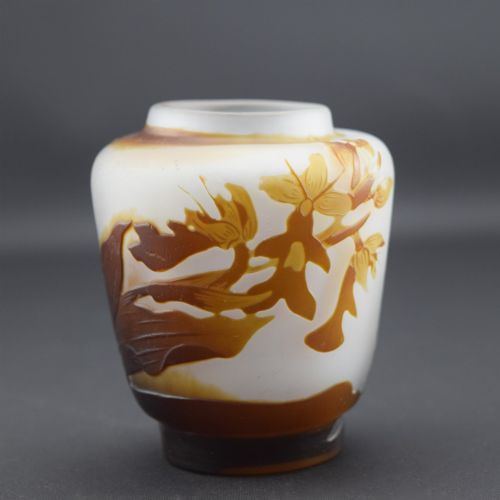
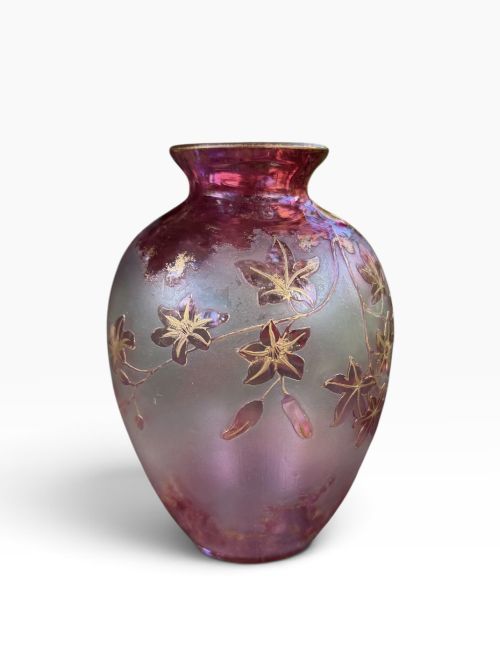
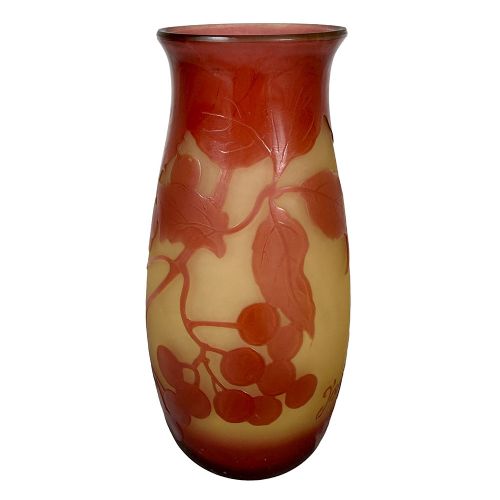
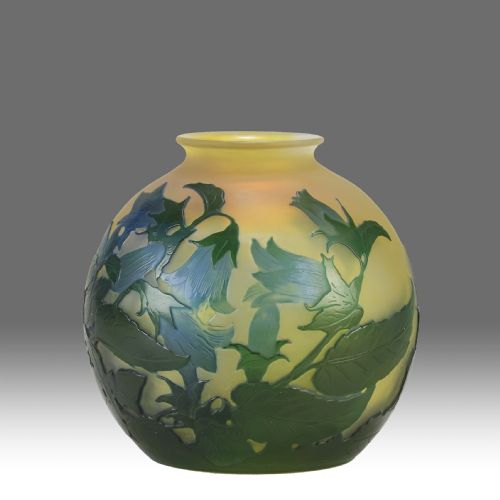
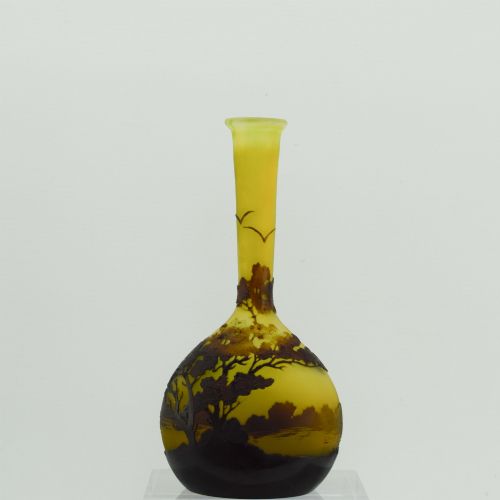
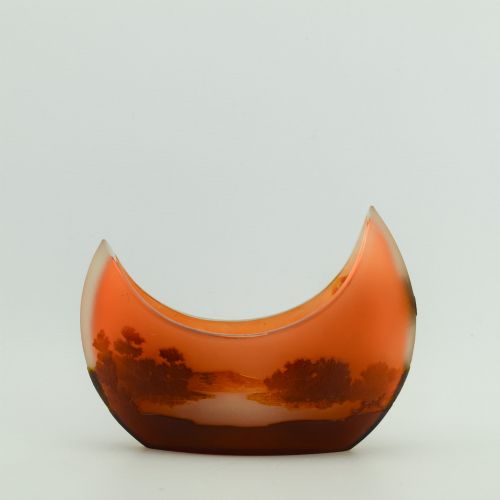
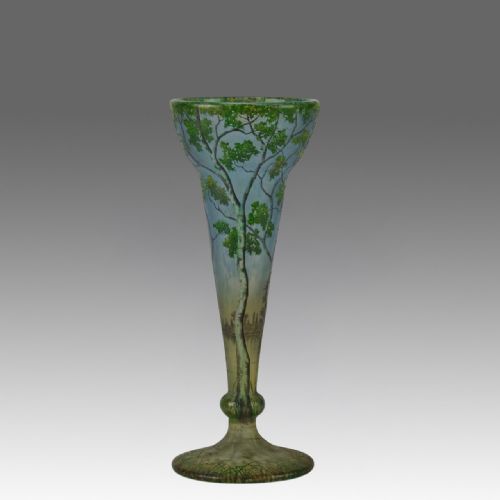
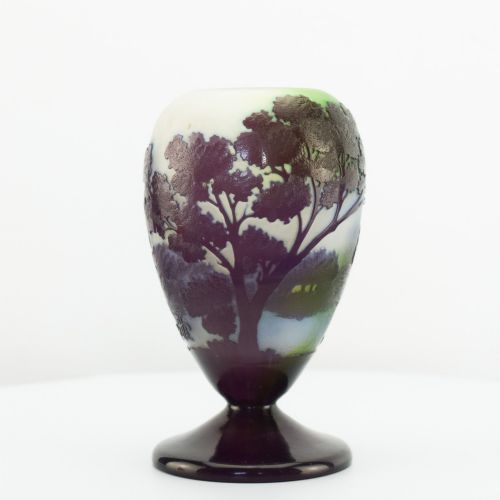
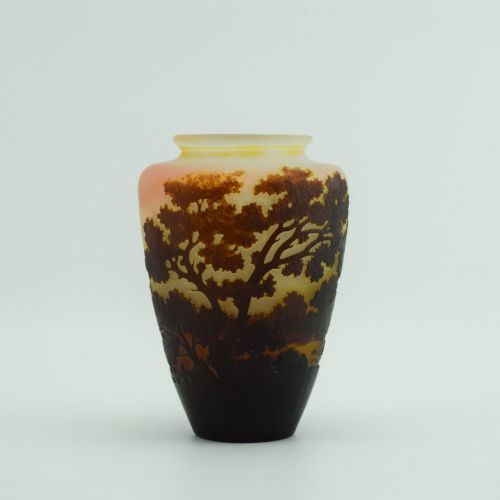
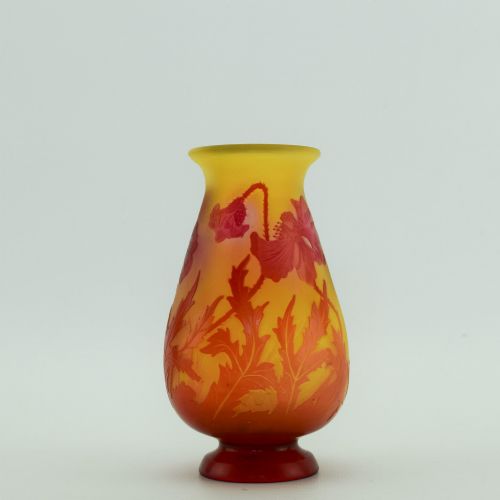
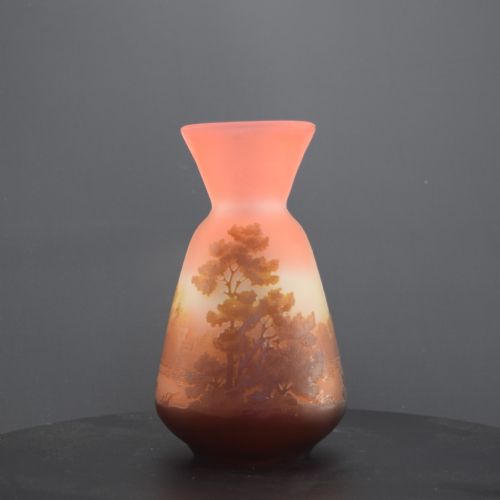
An antique cameo glass vase is a vessel formed from multiple layers of coloured glass, carved or acid-etched down to create contrasting relief designs. When buyers search this phrase, they encounter works largely spanning the Art Nouveau and Art Deco periods, created by prominent French workshops and glassmakers. The pieces shown here predominantly feature floral subjects, naturalistic plant forms, and scenic landscapes executed across varied bulbous, footed, and banjo silhouettes.
The aesthetic of an antique cameo glass vase shifts from organic, curving floral lines toward geometric or stylised forms as the manufacturing date moves from the nineteenth century into the twentieth. Collectors find vessels ranging from small cabinet pieces to large display items, with landscape and aquatic themes appearing frequently alongside botanical studies.
How They Were Made
Makers built up an antique cameo glass vase by gathering multiple layers of molten glass of different colours onto a core or pipe, often incorporating powdered glass, enamel, or gold leaf for added depth. Once cooled and shaped, workers applied acid-etching techniques or hand-carved the outer layers away to reveal the contrasting background design.
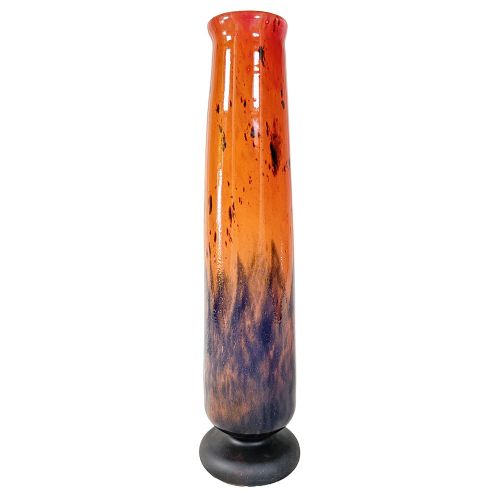
Certain specialised pieces involved blowing the glass into a mould to achieve specific structural forms, followed by meticulous wheel-carving or chemical baths to refine the surface texture and detail. Frosted glass backgrounds often provided a matte contrast to polished relief motifs.
Antique Cameo Glass Vase Retail Price Guide 2026
Typical asking prices for cameo glass vase among the pieces listed under this phrase on Sellingantiques today, from the lower quarter to the upper quarter. They describe what is for sale here now, not the wider market.
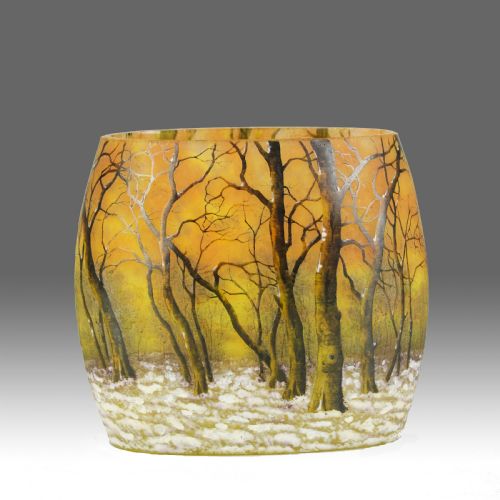
Winter landscapes etched onto glass capture snowy French forests, keeping chilly woods permanently contained inside a warm room.
What Varies in Quality
The distinction in an antique cameo glass vase lies in the depth of the carving, the complexity of the layering, and the clarity of the colour contrasts. Superior examples display undercut work where the relief stands proud from the body with sharp botanical detail.
Design execution and signature legibility also separate standard output from masterworks. Pieces utilising additional decorative elements such as enamel or fire-polishing require greater technical control, elevating the artistry of the finished vessel.
Emile Gallé·Daum Frères·Le Verre Francais·Legras·Baccarat·D'Argental
The Antique Cameo Glass Vase Glossary
- Cameo Glass
- Glass vessels created with two or more distinct layers of colour, where the outer layer is carved or etched away to produce a raised design. This technique imitates traditional carved hardstone cameos.
- Acid-Etched
- A method of biting away exposed glass using hydrofluoric acid rather than mechanical cutting. This process allowed makers to achieve precise tonal gradations and repeatable textures across complex floral patterns.
- Soufflé
- A technique where glass is blown into a metallic mould, trapping air or incorporating powdered glass and foil between layers. This creates a textured interior visual effect beneath the cameo surface.
- Art Nouveau
- An international style prominent between roughly eighteen-nineties and nineteen-fourteen, characterised by asymmetrical organic lines, plant motifs, and flowing botanical silhouettes. Much of the recorded cameo glass aligns with this aesthetic.
Antique Cameo Glass Vase: Frequently Asked Questions
How do I clean an antique cameo glass vase?
Dust the surface gently with a soft, dry cloth to remove everyday particles. Avoid harsh chemical cleaners or abrasive materials that could damage the acid-etched or enamelled details.
Wash the interior cautiously with lukewarm water and mild soap only when necessary, keeping moisture away from any delicate exterior signatures or applied gold leaf.
What is the difference between Gallé and Daum pieces?
Gallé pieces frequently focus on botanical accuracy and evocative landscape scenes, often incorporating poetic signatures directly into the design. Their carving tends towards naturalistic floral studies like irises, ferns, and clematis.
Daum production often emphasises vibrant colour grounds, sometimes combining cameo carving with enamelling or internal powdered glass effects to create luminous geometric or floral compositions.
How can I tell the period of a vase?
Examine the stylistic cues, such as the flowing organic curves typical of Art Nouveau pieces versus the more stylised forms associated with Art Deco production. Signatures and cameo techniques also evolved from nineteenth-century acid-etching experiments to twentieth-century mould-blown variants.
Compare the colour palette and subject matter against known historical periods recorded in the manufacturing timeline, noting changes in floral preferences and silhouette shapes.
Where should I display my vase?
Position the piece in a stable cabinet or on a secure shelf away from direct sunlight, which can alter sensitive glass tones over long periods. Adequate spacing allows the multi-layered colours to catch ambient light effectively.
Ensure the location protects the vessel from accidental knocks, particularly for footed or flared silhouettes with delicate extended rims.