
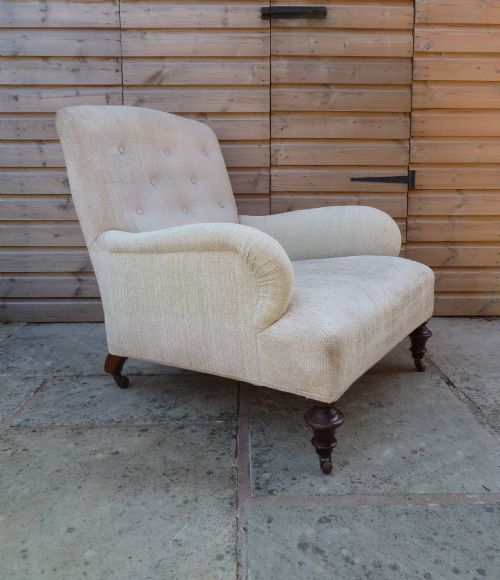
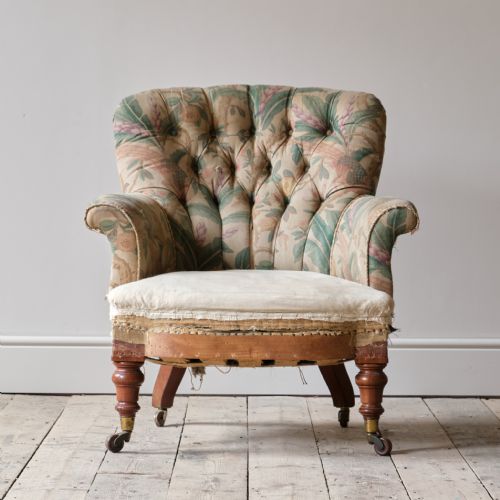
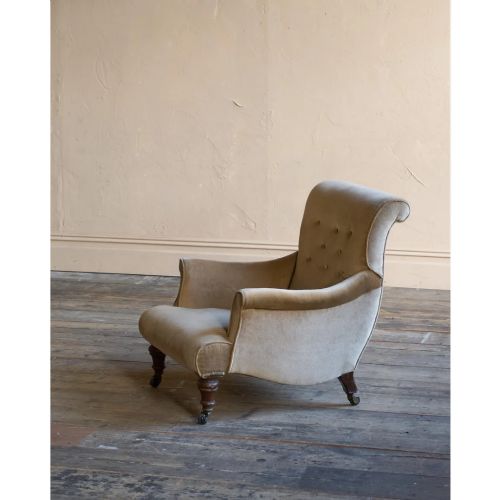
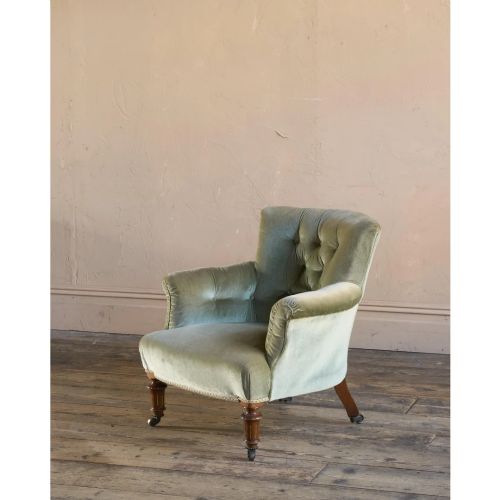
Antique Buttoned Easy Chair
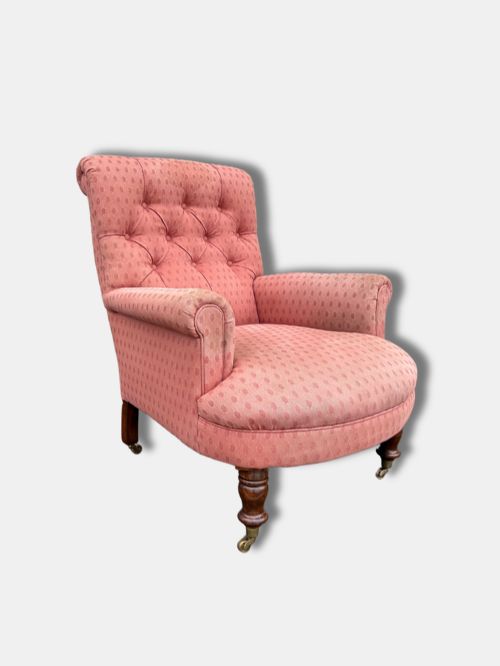
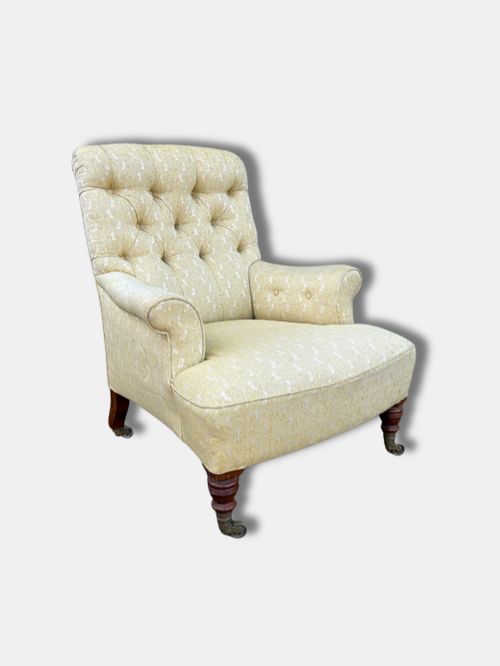
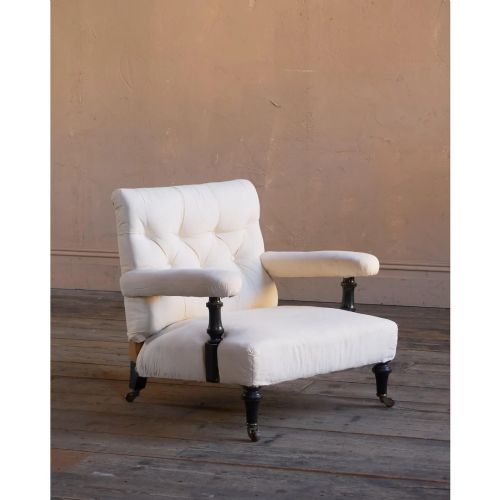
An antique buttoned easy chair brings nineteenth-century comfort into a room with deep upholstery and turned wooden supports.
Antique Buttoned Easy Chair
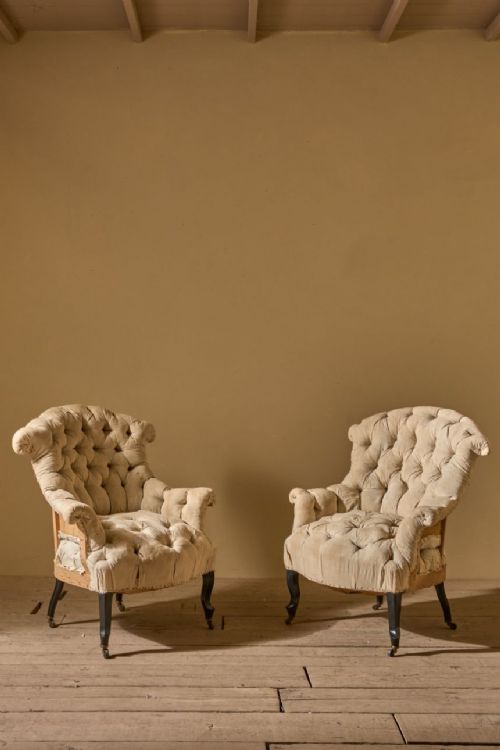
When you search for an antique buttoned easy chair, you encounter upholstered seating designed for drawing rooms and libraries primarily during the nineteenth century. The selection spans Victorian, Regency, and Napoleon III periods, encompassing forms such as armchairs, slipper chairs, and club armchairs.
Victorian and mid-nineteenth-century examples dominate the listings, frequently displaying deep buttoning across the back and seat. You will also find pieces styled after notable makers, English country house chairs, and pairs originating from France.
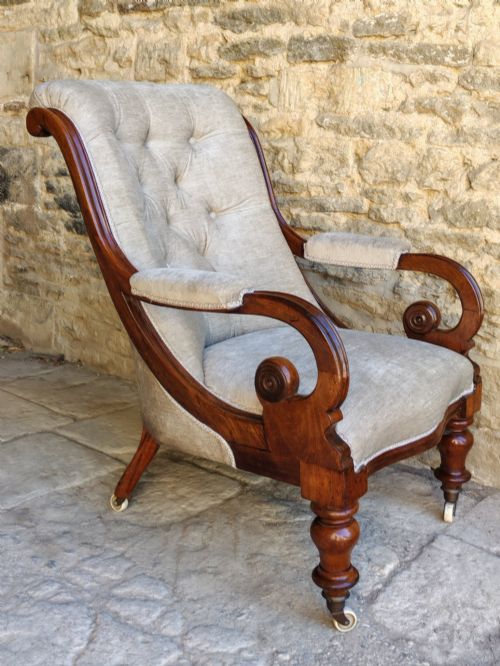
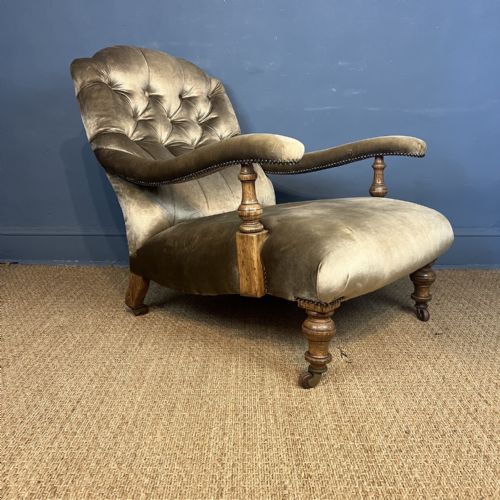
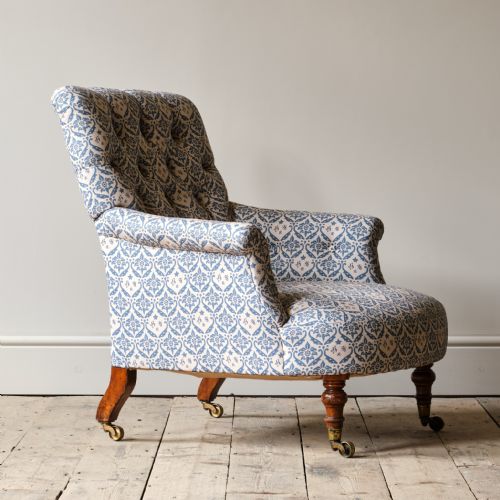
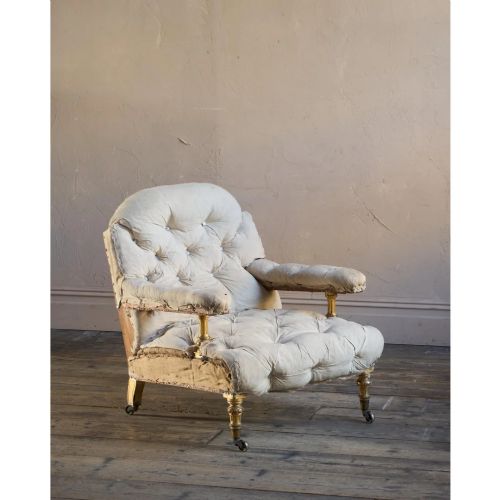
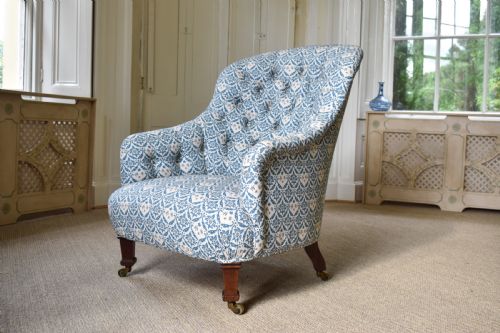
The timber frames reveal themselves through exposed mahogany, walnut, oak, and rosewood elements on the arms and legs. Many pieces arrive covered in contemporary or period fabric, velvet, linen, calico, or leather.
Materials and construction
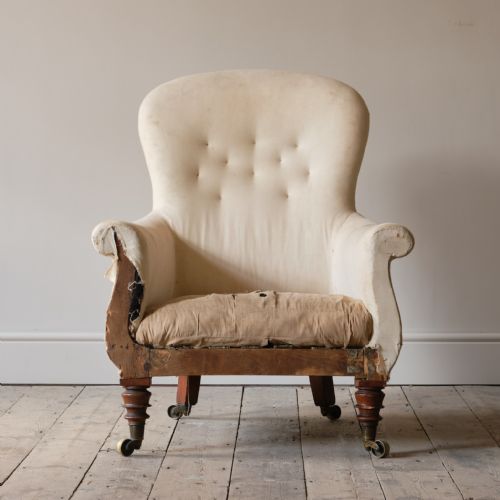
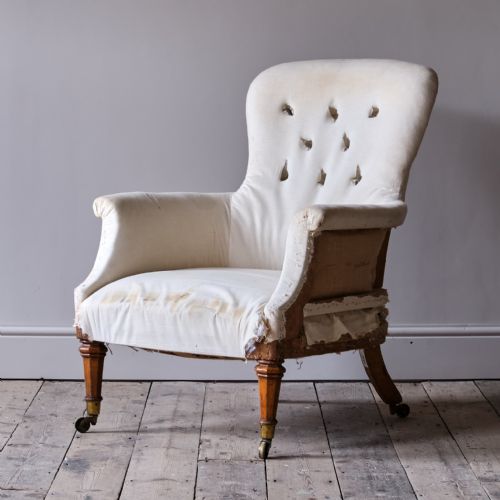
Frames rely on sturdy hardwoods like mahogany, walnut, oak, and rosewood to provide structural integrity beneath the heavy padding. Wood turners shaped these timbers for the legs, sometimes incorporating brass castors for mobility.
Upholstery involves traditional stuffing secured with springs and webbing, finished with buttons pulled tight to create the characteristic tufted surface. Outer coverings range from supple leather and velvet to printed linen, cotton calico, and wool fabric.
Some nineteenth-century slipper chairs sat so low to the floor that Victorian etiquette permitted entirely new angles of repose.
Assessing quality and craftsmanship
Quality rests upon the proportion of the frame and the integrity of the underlying joinery, which determines how solidly the chair bears weight. Finer examples display crisply carved or turned wooden legs and balanced proportions that support the sitter correctly.
The execution of the buttoning and the choice of covering material dictate the visual refinement of the piece. Superior execution shows even tension across the tufted upholstery and harmonious pairing of fabric with the timber frame.
Howard and Sons·Gillows·Mellier and Co
The Antique Buttoned Easy Chair Glossary
- Buttoned
- Upholstery featuring deep tufting secured by recessed buttons that create geometric folds in the fabric. This technique holds the internal stuffing firmly in place.
- Easy chair
- A large, comfortable upholstered seat designed for relaxation in drawing rooms or libraries. These pieces usually feature padded arms and deep proportions.
- Slipper chair
- A low-seated upholstered chair originally designed for bedrooms to assist with putting on shoes. They frequently lack arms and stand close to the floor.
- Club armchair
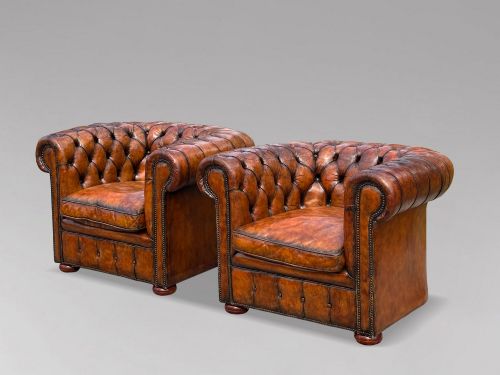
- A deep, comfortable seating option traditionally upholstered in leather. These sturdy chairs emerged during the nineteenth century for smoking rooms and studies.
Antique Buttoned Easy Chair: Frequently Asked Questions
Where should I place an easy chair?
These comfortable seats suit drawing rooms, studies, and bedrooms where you require a supportive spot for reading or relaxing. Their substantial proportions make them natural focal points in a seating arrangement.
Position them away from direct heat sources to protect the wooden frames and leather or fabric coverings from drying out over time.
How do I identify a Victorian piece?
Victorian examples often feature walnut or mahogany frames with distinctive turned legs and deep buttoned upholstery. You can examine the construction methods and timber characteristics to confirm the nineteenth-century origin.
Stylistic cues such as heavy sprung padding and nineteenth-century upholstery techniques help distinguish these chairs from later reproductions.
Can I reupholster a buttoned chair?
Professional upholsterers can renew the fabric and internal padding while preserving the original wooden frame. Maintaining the traditional buttoning technique ensures the chair retains its historical appearance.
Choose replacement fabrics that respect the period character of the frame, whether opting for patterned linen, velvet, or leather.
What is a club armchair?
A club armchair is a deep, leather-upholstered seat built for robust comfort during the nineteenth century. These chairs offer generous proportions and sturdy construction.
They function well in libraries and studies, providing a relaxed seating posture distinct from formal drawing room chairs.