

Antique Butler Tea Tray
When you search for an antique butler tea tray, you seek a practical serving surface that brings period character to modern hosting.
Antique Butler Tea Tray
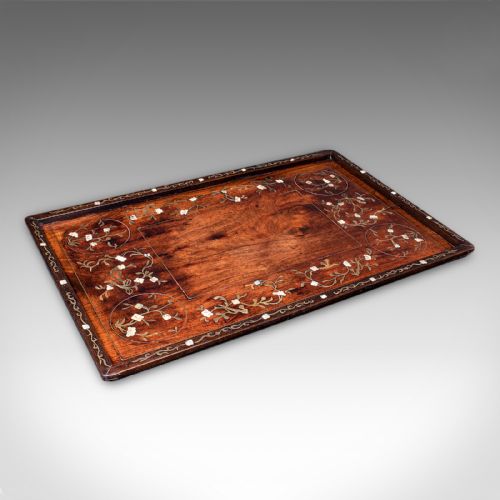
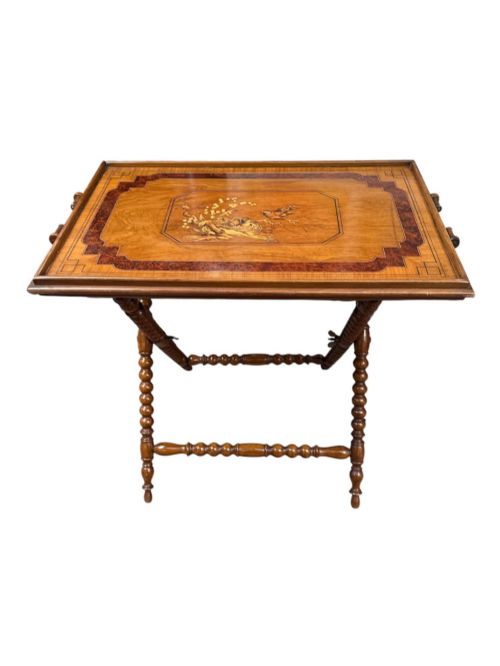
An antique butler tea tray serves as a portable surface historically used for carrying tea service, drinks, or silver. These pieces appear in forms ranging from simple wooden platters to elaborate trays paired with folding stands to create occasional tables. You are most likely to encounter Edwardian and Victorian examples on this page, alongside earlier Georgian and 18th-century iterations.
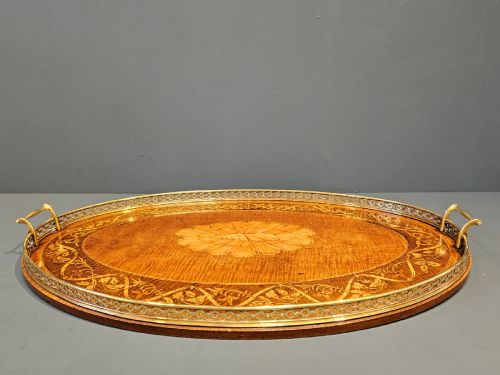
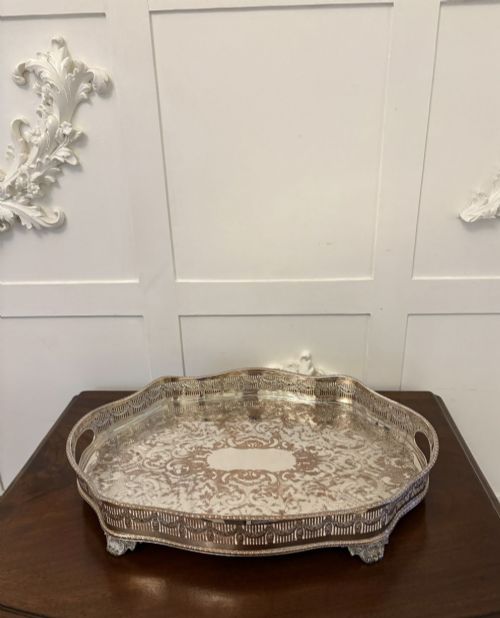
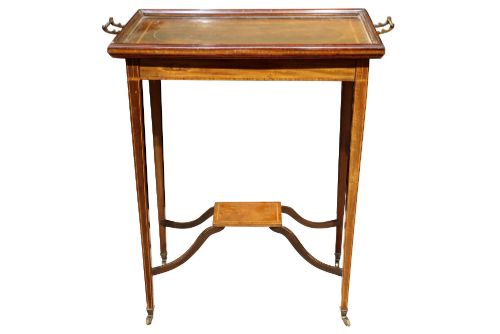
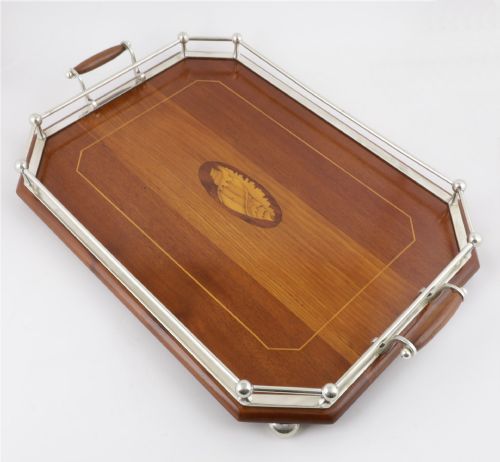
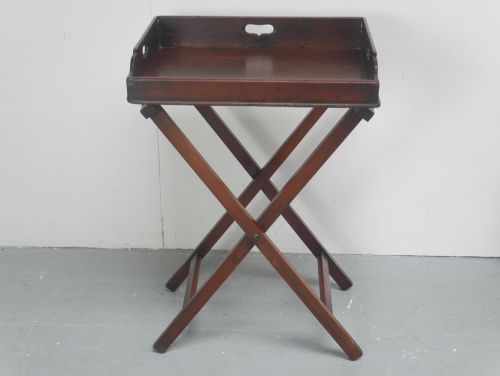
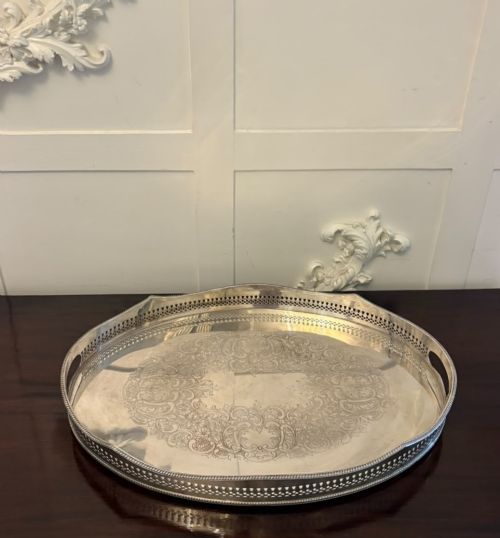
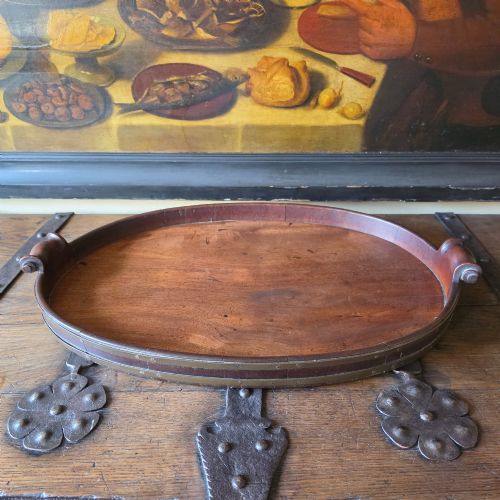
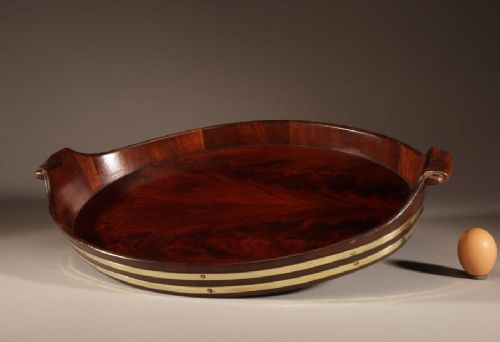
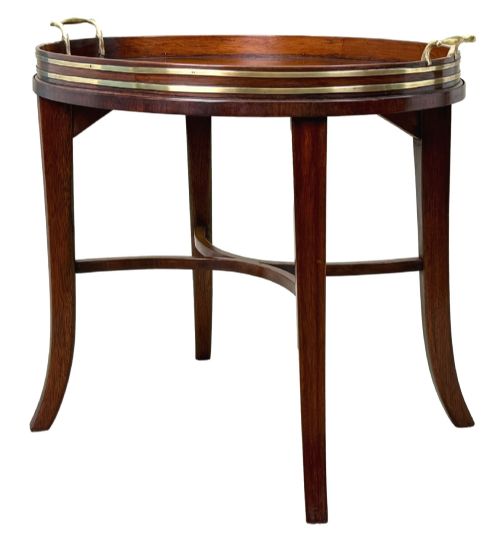
The construction typically involves a flat wooden base surrounded by a raised gallery edge, brass handles, or pierced borders to secure vessels during transport. Many designs incorporate folding stands, transforming a portable tray into a permanent coffee table or side table. Materials vary from rich mahogany and satinwood to silver plate and papier-mâché, reflecting the diverse domestic needs of past households.
How they were made
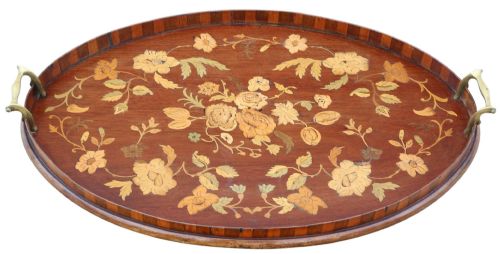
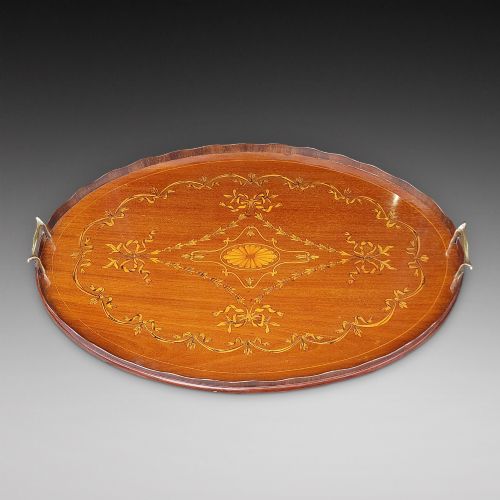
Cabinetmakers utilised timber such as mahogany, walnut, and satinwood, often applying marquetry inlay, oyster veneers, or hand-carved details to the surface. Trays with raised wooden galleries or brass-bound decoration required precise joinery to ensure durability during daily service.
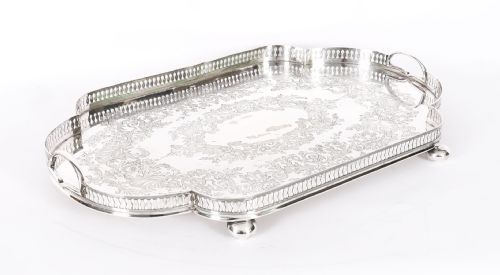
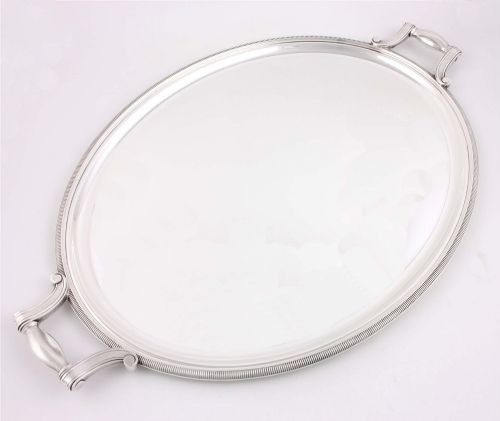
Metal versions rely on silver plating over copper or base metals, utilising techniques like Sheffield plating, EPNS, or pierced galleries. Artisans engraved floral motifs, coats of arms, or geometric patterns onto the metal surfaces, while papier-mâché examples received layered lacquer and hand-painted Chinoiserie decoration.
Listings feature woods including mahogany, satinwood, walnut, teak, and ebony across Georgian, Victorian, and Edwardian periods.
What varies in quality
The standard of timber selection and inlay work dictates the worth of a wooden tray, with finely figured mahogany and crisp marquetry marking superior pieces. The weight and depth of silver plating determine the durability and prestige of metal examples, where crispness of engraving remains paramount.
Structural integrity of the handles, gallery joints, and folding stands separates utilitarian items from elite commission pieces. The crispness of carved details in Anglo-Indian teak or Sorrento ware marquetry reveals the hand of a skilled artisan rather than mass production.
James Deakin·Mappin and Webb·Edwards and Roberts·Harrison Bros
The Antique Butler Tea Tray Glossary
- Gallery
- A raised border surrounding the edge of a tray to prevent items from sliding off during transport. These borders can be pierced metal, solid wood, or brass-bound.
- Marquetry
- The art of applying decorative pieces of veneer to a structure to form intricate floral or geometric designs. It appears frequently on satinwood and mahogany tray surfaces.
- EPNS
- Electroplated Nickel Silver, a common base metal process utilised for Victorian and Edwardian trays to simulate solid silver at a lower cost.
- Coopered
- A construction technique using wooden staves joined together adjacently, often seen in rounded trays and buckets utilising barrel-making methods.
- Sorrento Ware
- Intricate inlaid woodwork originating from Italy, featuring micro-mosaics and marquetry panels depicting architectural scenes or floral motifs.
Antique Butler Tea Tray: Frequently Asked Questions
How do I use an antique butler tea tray today?
These trays function well as cocktail service stations, coffee table tops, or decorative display surfaces in a living room. Placing them on folding stands creates a functional side table that moves easily when needed.
Protect the historic wood or silver surfaces by using coasters and avoiding excessive moisture. Regular gentle dusting preserves the original polish and patina of the antique finish.
What is the difference between a tray and a butler tray table?
A standard tray consists solely of the portable serving platform, designed to be carried by hand or placed temporarily on a surface. A butler tray table includes a dedicated folding or fixed stand that elevates the tray into a permanent piece of furniture.
Many period trays detach from their stands, offering the versatility of both a portable platter and an occasional table. Stands were traditionally constructed to fold flat for storage when not in active service.
How do I date an antique butler tea tray?
Dating relies on identifying material shifts, construction techniques, and stylistic markers recorded in the woodwork or metal hallmarks. Georgian and 18th-century pieces often feature solid mahogany with heavy brass mounts, while Victorian examples introduce papier-mâché and extensive inlay.
Edwardian iterations frequently showcase silver plating techniques and lighter satinwood marquetry. Hallmarks on metal galleries provide precise manufacturing years through assay office stamps.
Are silver plated trays durable for daily use?
Silver plated and Sheffield plated trays tolerate careful daily use provided they are cleaned with non-abrasive cloths and mild detergents. The thickness of the original plating determines how well the surface resists wear over decades of service.
Polishing should occur infrequently using specialised creams to preserve the remaining silver layer on the underlying copper or base metal.