





Antique Bust Stand
An antique bust stand elevates sculpture to eye level, framing three-dimensional form with classical proportion and architectural presence.
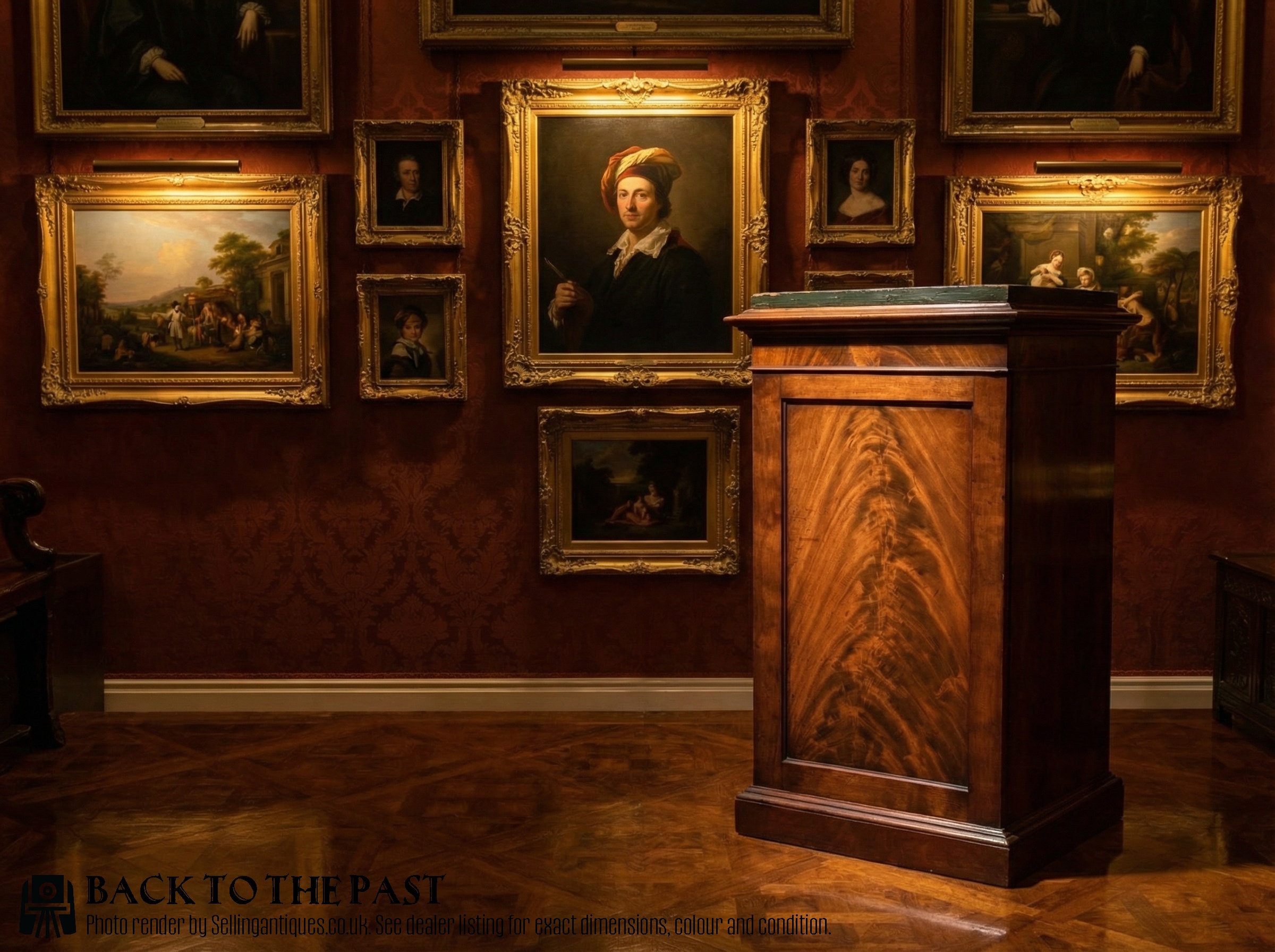
Antique Bust Stand
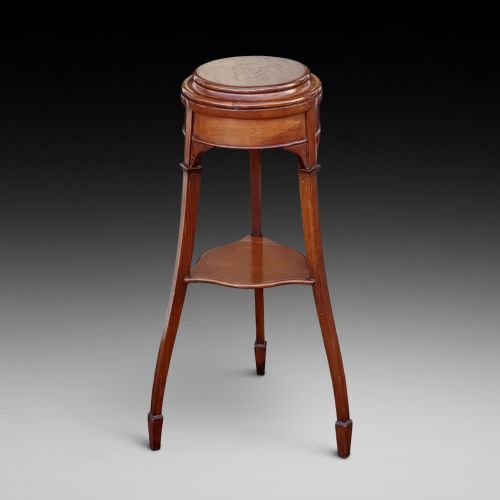
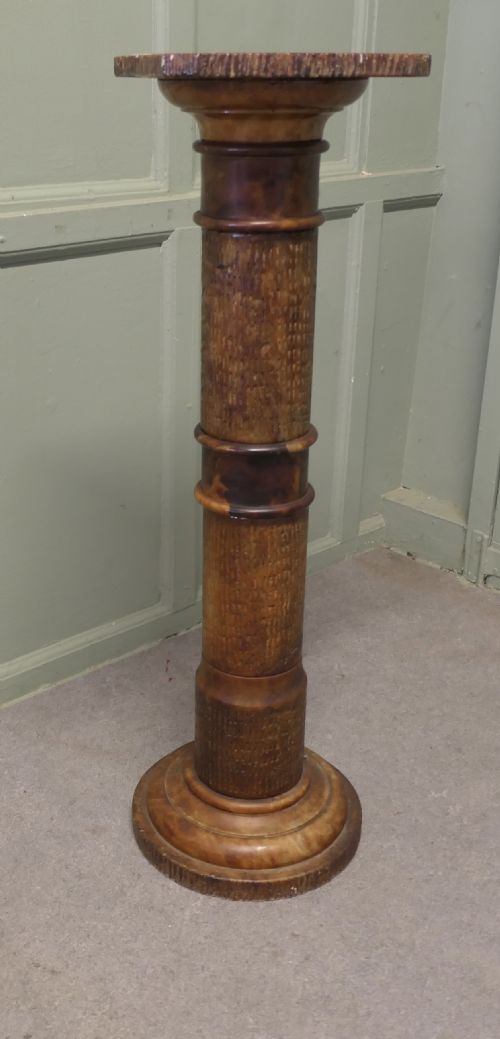
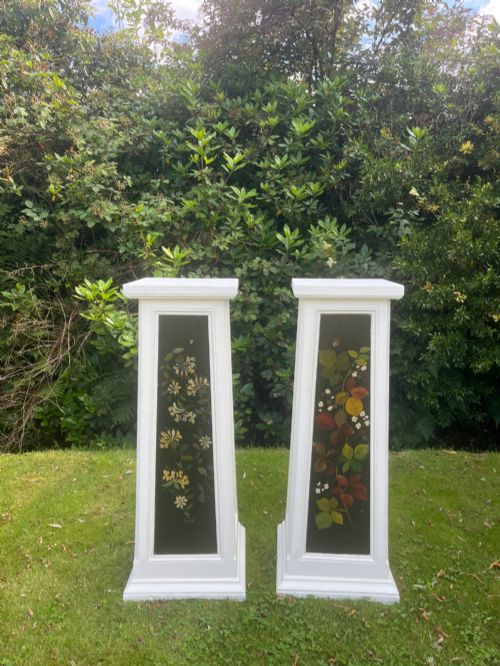
When you search for an antique bust stand, you encounter tall columns, pedestals, and compact display tables designed to support sculptural portraits and urns. These pieces originate primarily from the nineteenth and early twentieth centuries, spanning Victorian, Edwardian, and Art Deco eras.
Origins range across European workshops, incorporating French Empire elegance, Italian marble carving, and English country house utility. Whether supporting a bronze philosopher or a plaster cast, each stand provides a stable architectural stage for display.
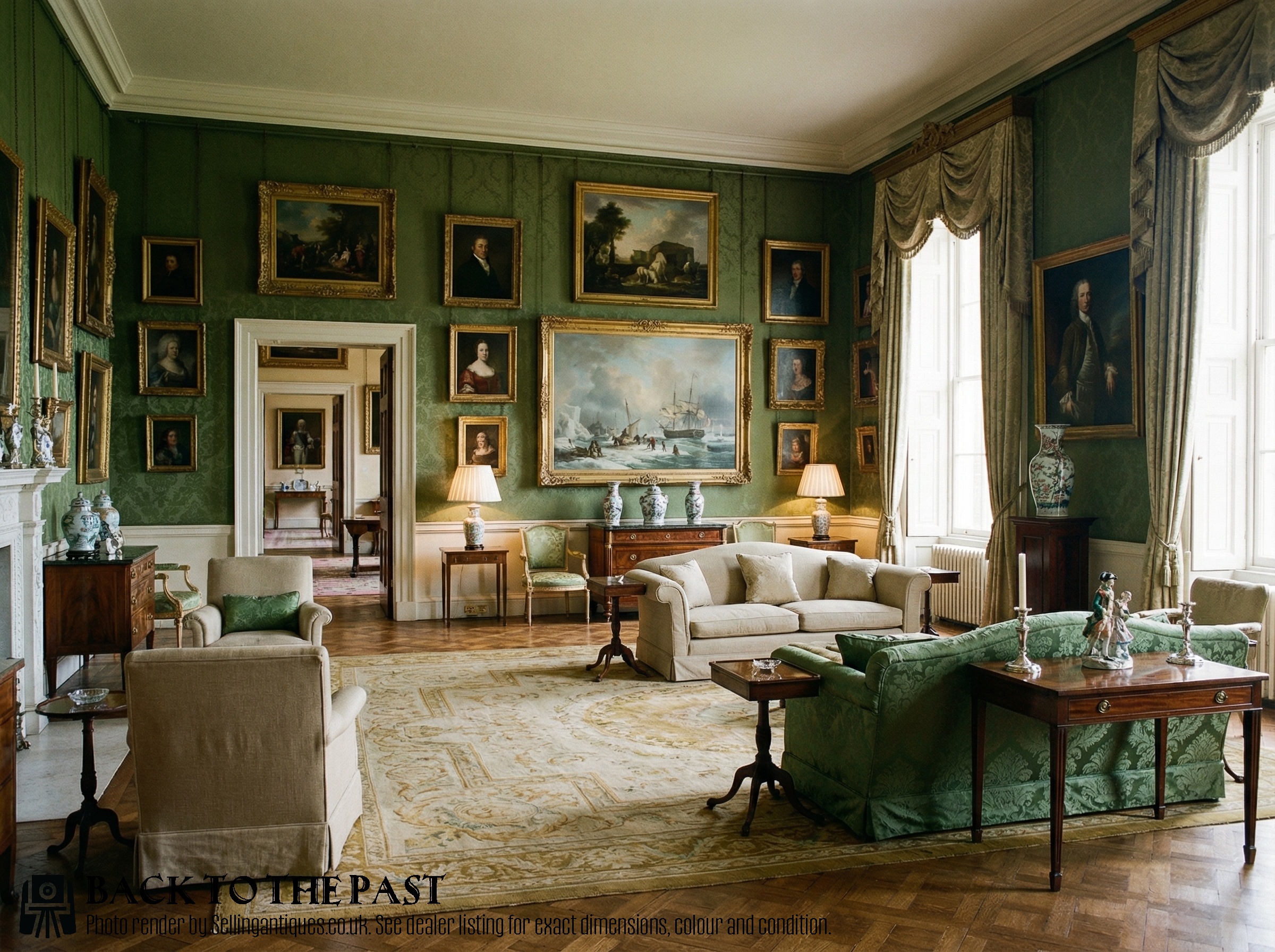
Materials and construction methods
Makers utilised dense natural materials including variegated marble, onyx, alabaster, and cast bronze to ensure stability for heavy sculptural works. Stone columns often turned on lathes before receiving hand-chiselled fluting or polished finishes.
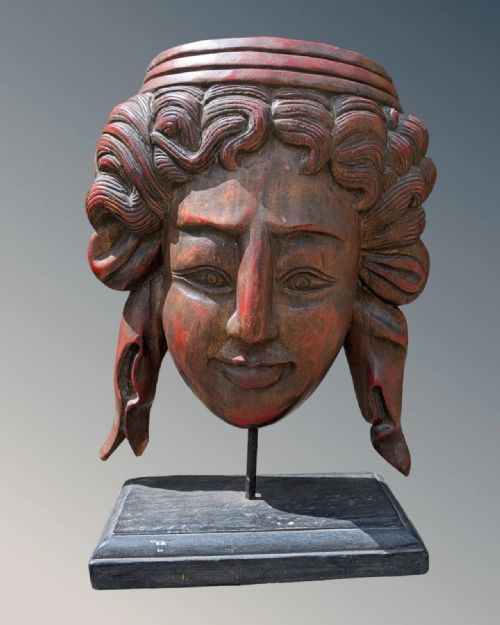
Wooden variants combined solid hardwoods such as mahogany and oak with carved decorative elements like giltwood masks and caryatids. Ormolu mounts and brass collars added structural reinforcement and refined decorative contrast to stone and timber shafts.
Antique Bust Stand Retail Price Guide 2026
Typical asking prices for bust stand among the pieces listed under this phrase on Sellingantiques today, from the lower quarter to the upper quarter. They describe what is for sale here now, not the wider market.
An unexpected nineteenth-century powder puff doll stand proves that even vanity items deserved architectural dignity.
Judging the standard of manufacture
Quality rests upon the integrity of the materials and the precision of the carving or turning. Solid marble and finely figured mahogany represent superior craftsmanship compared to painted pine or faux finishes.
The integration of metal mounts distinguishes exceptional pieces from standard workshop output. Cast ormolu details that fit flush against stone or timber without excessive pinning indicate meticulous bench work by skilled artisans.
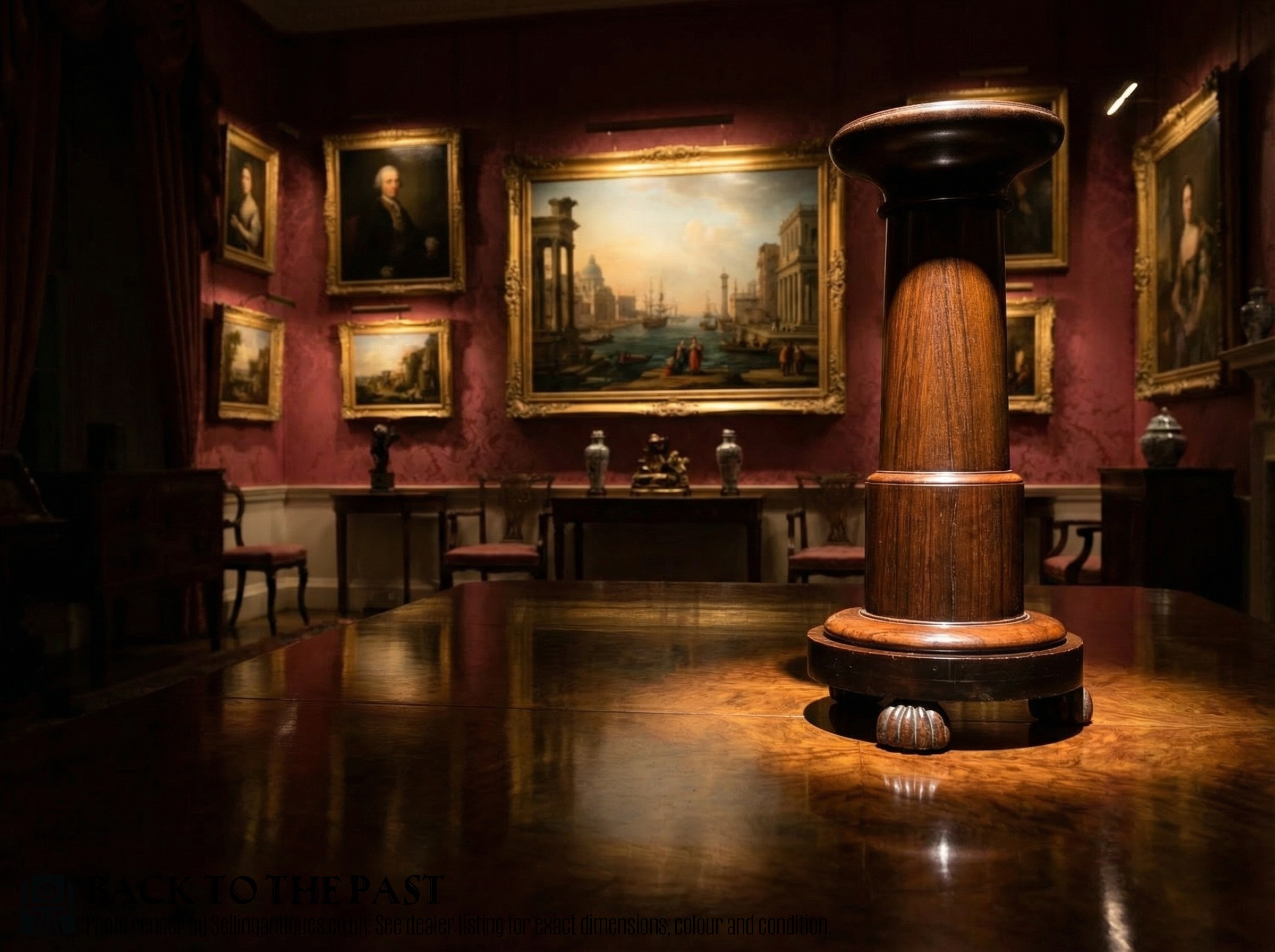
Shoolbred·Stockman of Paris·Fasold and Stuach·Bohumil Rezl·E Laurent
The Antique Bust Stand Glossary
- Ormolu
- Gilt bronze ornamentation applied to furniture and pedestals. This technique involved mercury amalgamation to bond gold leaf to a bronze base, producing a rich, durable lustre.
- Torchere
- A tall ornamental stand designed to hold a light source or sculpture. These slender supports became popular in country houses for displaying busts.
- Scagliola
- A composite material made from glue, plaster, and pigments to imitate marble. Artisans polished the surface to create convincing faux-stone columns and pedestals.
- Caryatid
- A sculpted female figure serving as an architectural support. These figures frequently form the structural corners of pedestals and cabinets.
- Neoclassical
- A style reviving classical antiquity during the eighteenth and nineteenth centuries. Pieces feature strict geometric symmetry, fluted columns, and classical motifs.
Antique Bust Stand: Frequently Asked Questions
How do I choose the right height?
Consider the height of the bust or sculpture in relation to the room where you intend to place it. Taller columns work best in open hallways, while shorter tables suit domestic studies.
Ensure the top platform matches or slightly exceeds the base dimensions of the sculpture for secure placement.
How do I clean marble columns?
Wipe marble and onyx surfaces with a soft, damp cloth using mild soap if necessary. Avoid acidic cleaners that etch polished stone.
Dry the surface thoroughly with a lint-free cloth to maintain the natural sheen of the mineral.
Are these pieces suitable for plants?
Many historical stands served double duty as plant or jardiniere supports. Waterproof saucers protect wooden or painted tops from moisture damage.
Stone and tile-topped columns tolerate plant displays particularly well without risk of warping timber.