
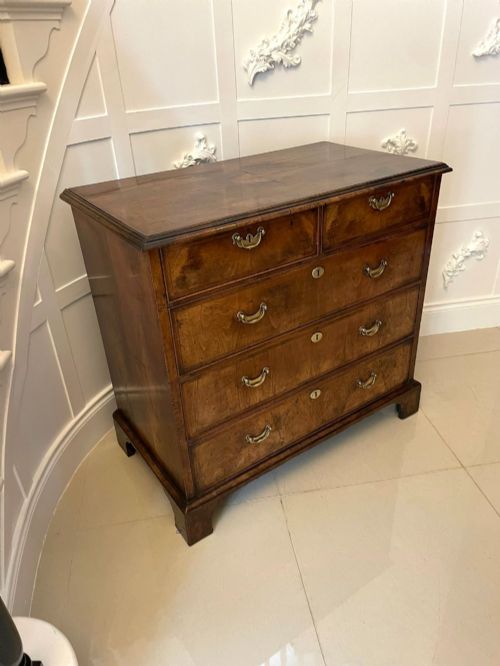
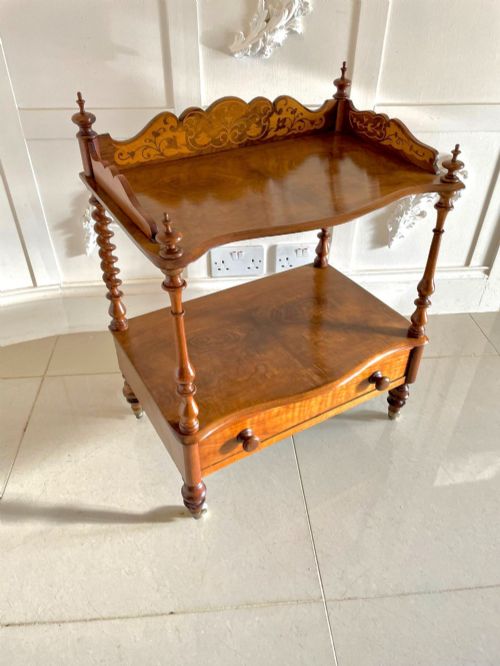
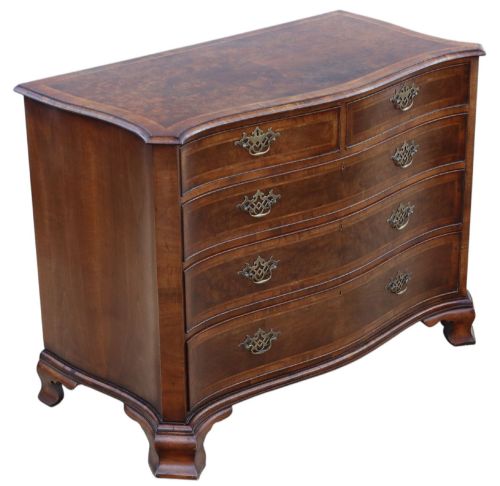
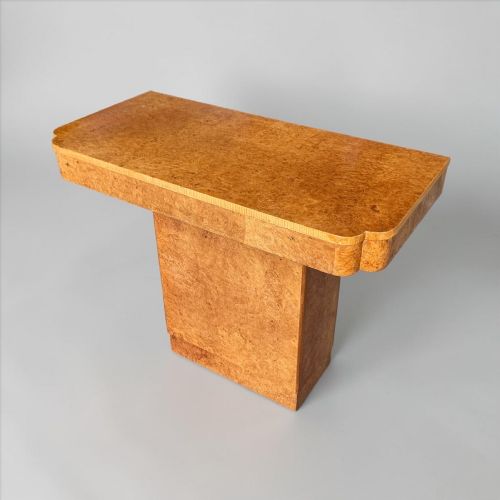


Antique Burr Walnut Furniture
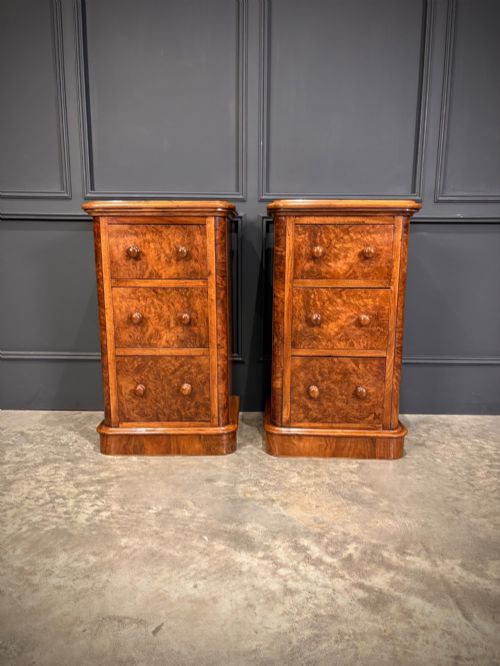
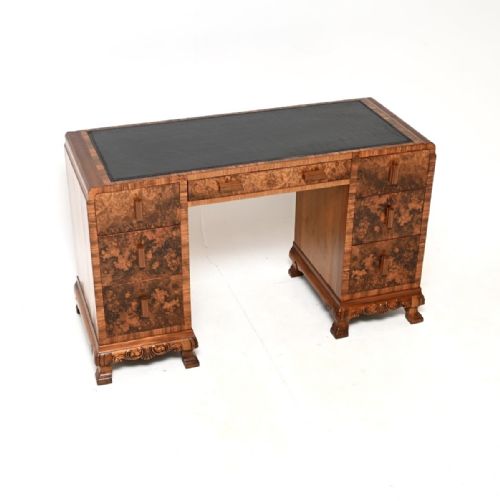
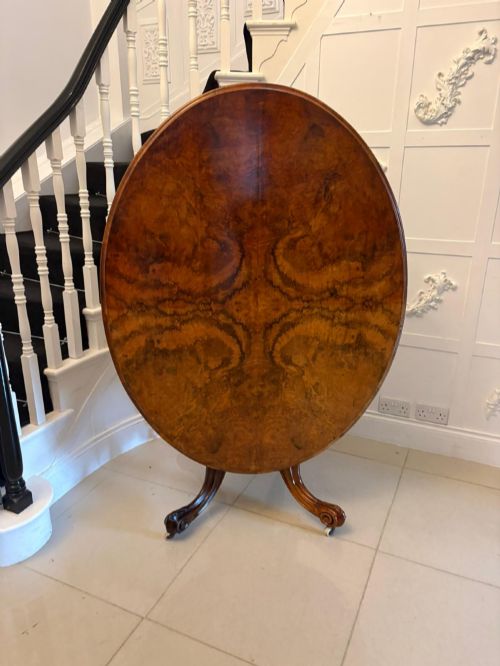
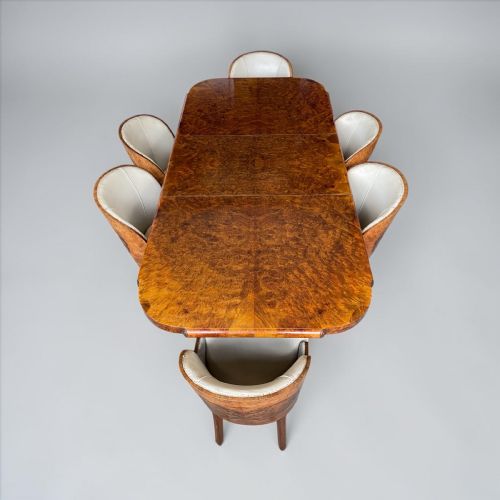
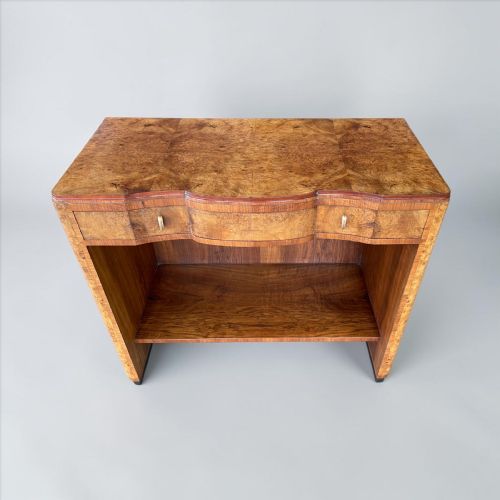
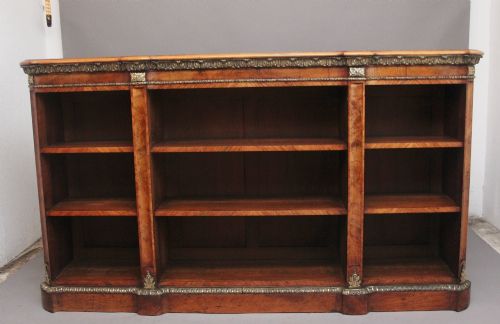
Come in, have a look at these antique burr walnut furniture pieces selected for their rich figuring and historic cabinetmaking.
What antique burr walnut furniture is
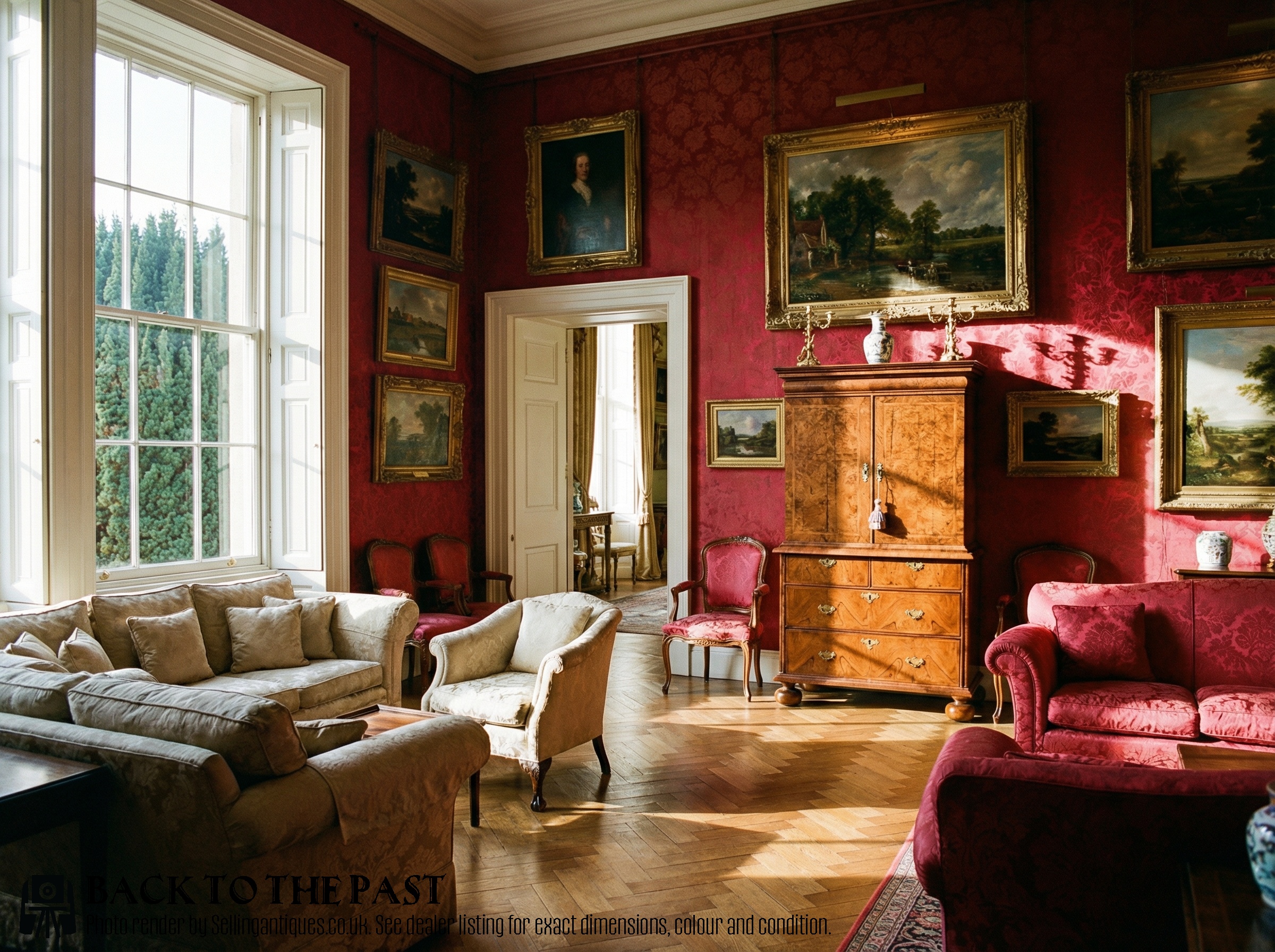
When you search for antique burr walnut furniture, you are looking at items defined by decorative veneers taken from the burl growths of walnut trees. These surfaces display complex, swirling grain patterns that catch the eye and provide a distinct focal point in a room.
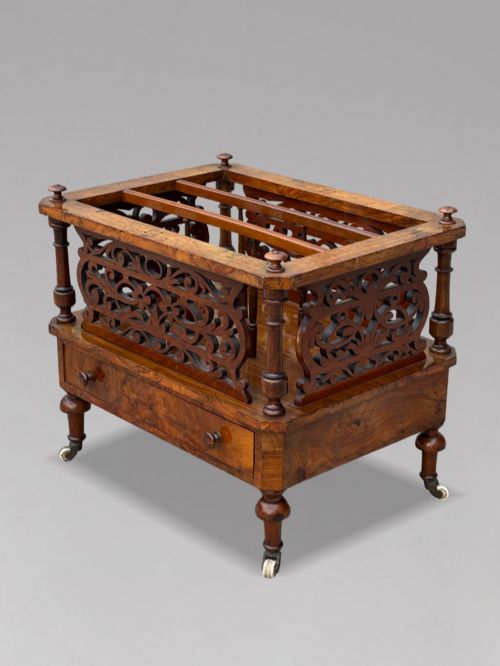
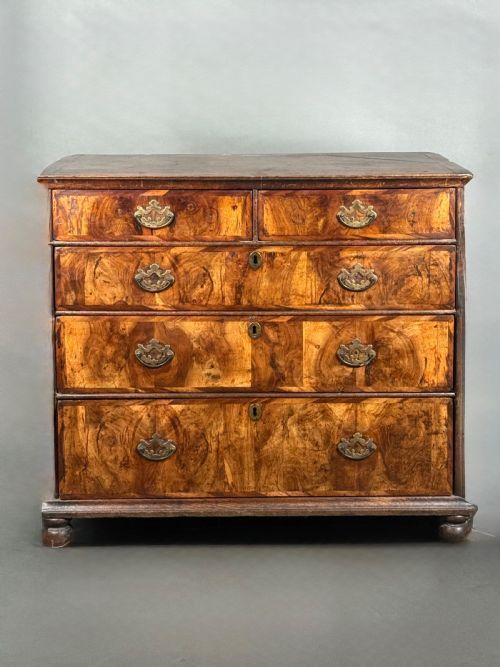
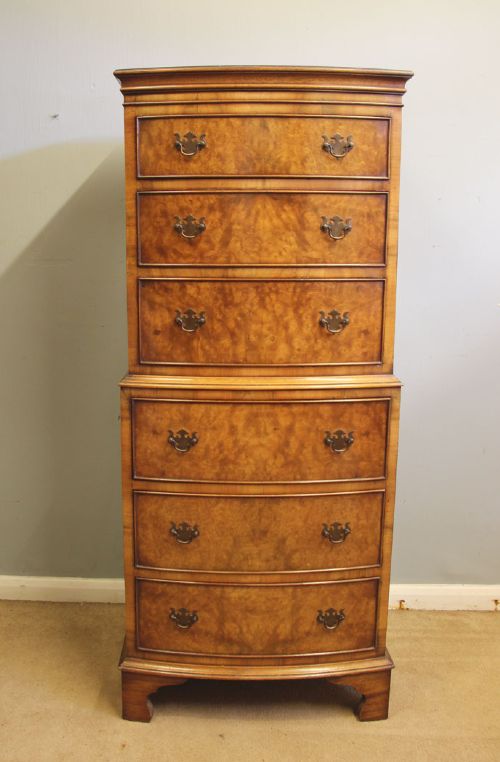
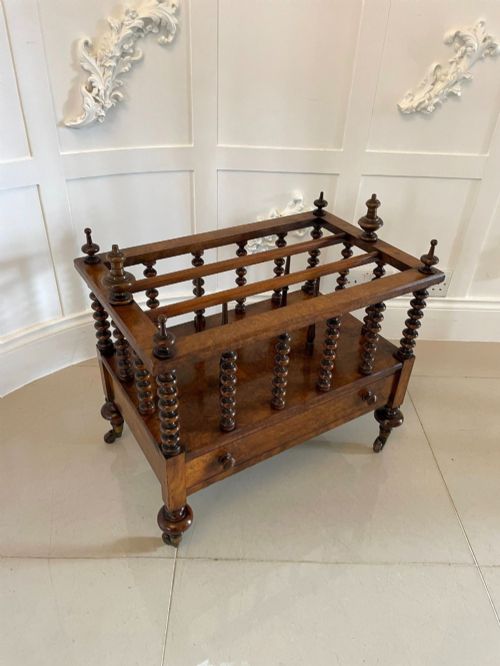
The pieces available here span several centuries and styles, taking forms such as bookcases, display cabinets, canterburys, and writing desks. You are most likely to meet Victorian examples alongside earlier William and Mary pieces and later 1930s cocktail cabinets.
Makers utilised this striking timber on utilitarian and display pieces alike, ensuring that storage items and tables alike received the rich patterning of burr walnut. Each surviving item demonstrates how cabinetmakers chose timber specifically to emphasise natural figure and colour variation.
How they were made
Cabinetmakers constructed these pieces using primary timbers like walnut and secondary woods such as pine, applying thin slices of burr walnut veneer to visible surfaces. They reinforced structural elements with brass fittings, glass panels, and occasionally leather inserts on writing surfaces.
The application of veneer required precise hand-cutting and careful matching of grain patterns across doors, tabletops, and drawer fronts to create symmetrical designs. Joinery methods matched the period of production, whether the seventeenth-century cabinet on chest construction or Victorian framing techniques.
Retail Price Guide 2026
Typical UK retail prices for burr walnut furniture, calculated from the Sellingantiques database of over a million retail prices indexed since 2003. This retail price guide relies exclusively on Sellingantiques data; no external sources or auction records are used, so the figures do not describe the wider market.
Some nineteenth-century tables served specifically to hold afternoon lamps, keeping reading material illuminated long before the advent of flick switches.
What varies in quality
Quality in these items rests primarily on the density, symmetry, and depth of the burr walnut figuring across the main surfaces. Finer examples display continuous, carefully matched grain patterns that wrap symmetrically around drawers and doors without awkward interruptions.
Construction standards also separate the range, with superior pieces showing meticulous interior cabinetry, heavy-gauge brass hardware, and secondary timbers chosen for stability rather than economy. The harmony of the proportions and the crispness of the applied mouldings distinguish standard production from exceptional workshop output.
M P Davis Furniture of London
The Antique Burr Walnut Furniture Glossary
- Canterbury
- A low stand featuring partitions for sheet music or books, often combined with a small drawer or shelf. These pieces appeared frequently in nineteenth-century interiors.
- Breakfront
- A cabinet or bookcase whose central section projects forward from the flanking sections. This configuration creates architectural depth and visual variety.
- Cabinet on chest
- A tall storage form consisting of an upper enclosed cabinet set directly upon a lower chest of drawers. This architectural style gained prominence in the seventeenth century.
Frequently Asked Questions
What is burr walnut furniture?
Burr walnut furniture refers to pieces surfaced with decorative timber veneers harvested from the irregular growths on walnut trees. These veneers showcase complex, swirling patterns that elevate simple storage items and tables into decorative centerpieces.
Cabinetmakers across the nineteenth and early twentieth centuries utilised this richly figured wood on cabinets, desks, and bookcases. The resulting items combine structural utility with striking natural visual texture.
How do I date an antique cabinet?
Dating an antique cabinet involves examining the construction methods, secondary timbers, hardware, and overall stylistic characteristics. Earlier pieces often display seventeenth-century joinery and carcass designs, while Victorian items typically feature heavier proportions and machine-assisted framing.
Comparing the primary walnut veneers and brass fittings against documented examples helps narrow down the period of production. Secondary woods like pine also offer clues regarding the workshop region and era.
How were canterburys used?
Canterburys were designed to hold sheet music, periodicals, and books near a piano or seating area in the nineteenth-century parlour. Their partitioned upper sections kept fragile paper items upright and accessible.
Many examples also incorporated small drawers or lower shelves for additional storage of writing materials or small accessories. They functioned as both practical tidying furniture and decorative display items.
How do I care for walnut veneer?
Caring for walnut veneer requires maintaining stable indoor humidity levels and keeping pieces away from direct sunlight and heat sources. Extreme temperature shifts can cause the thin wood layers to lift or split from the carcass.
Gentle dusting with a soft, dry cloth preserves the polished surface without introducing moisture. Avoiding abrasive cleaning products ensures the historic finish remains intact.