

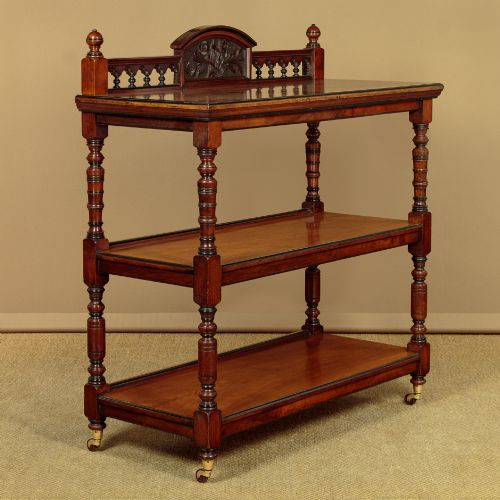
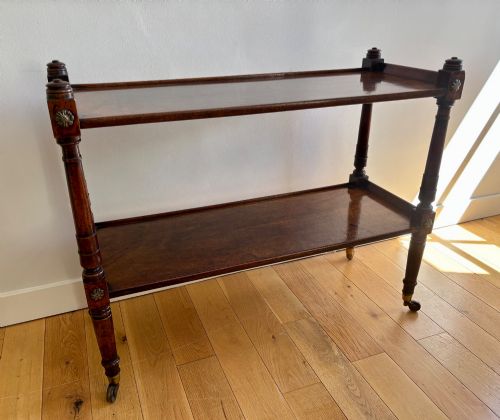
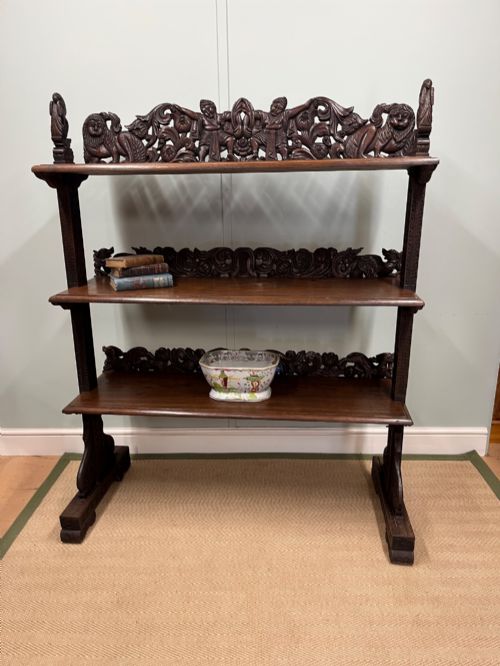
Antique Buffet with Shelves
An antique buffet with shelves brings practical dining room storage and display space together in pieces shaped by Victorian, Regency, and Edwardian cabinetmakers.
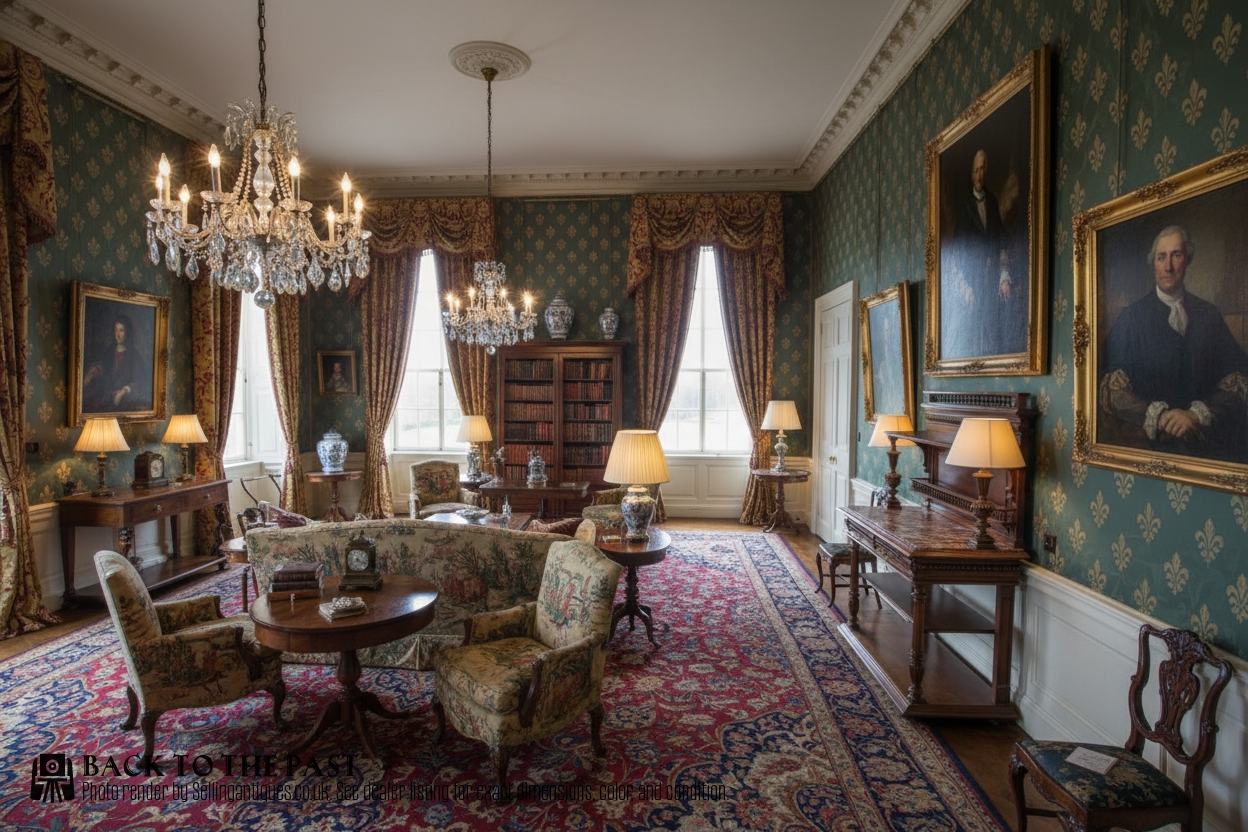
Antique Buffet with Shelves
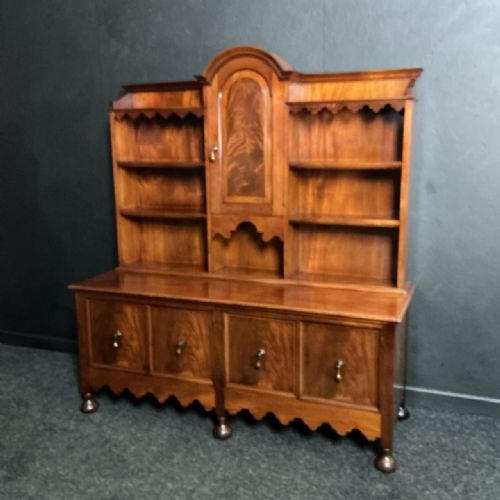
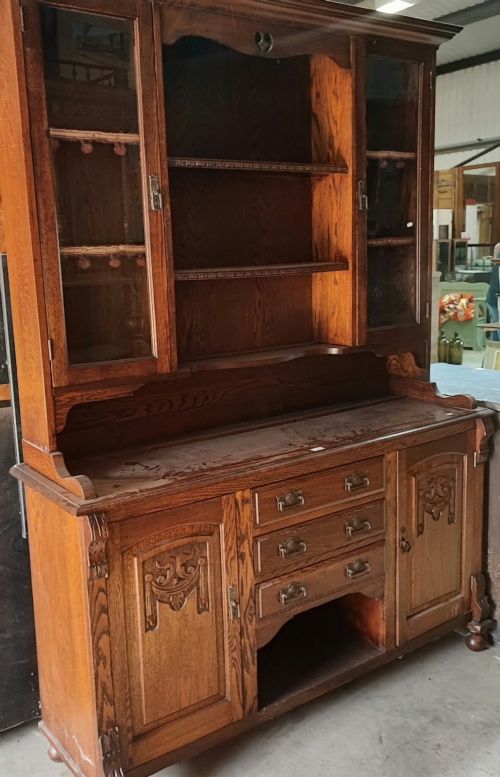
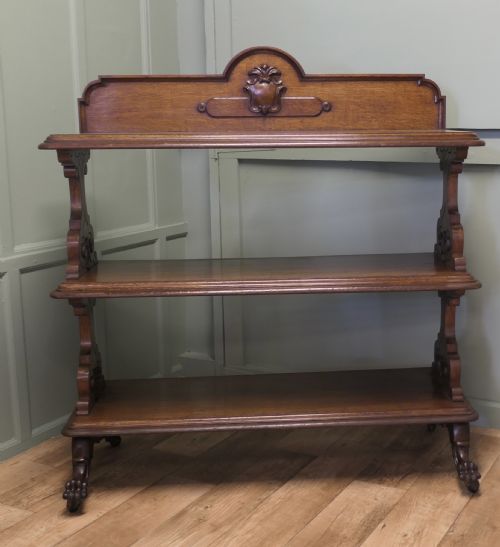
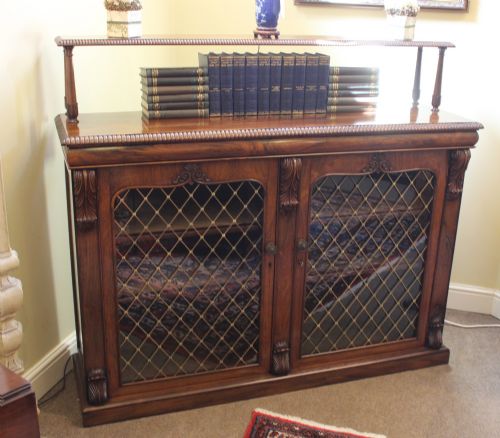
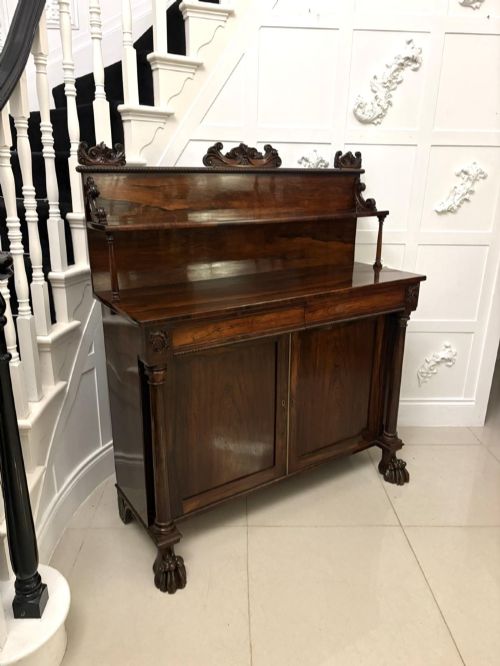
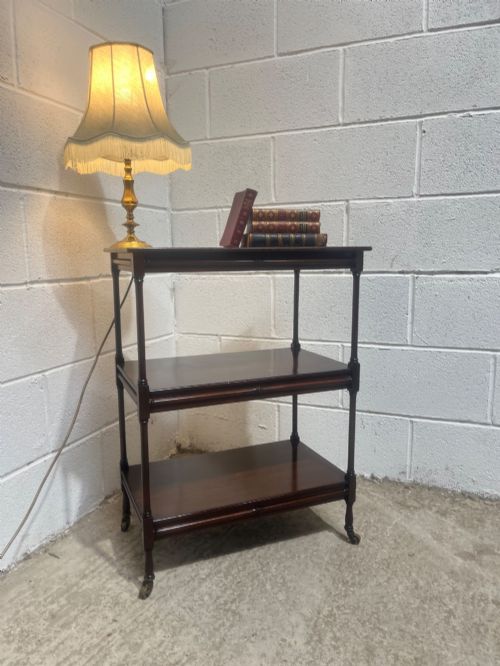
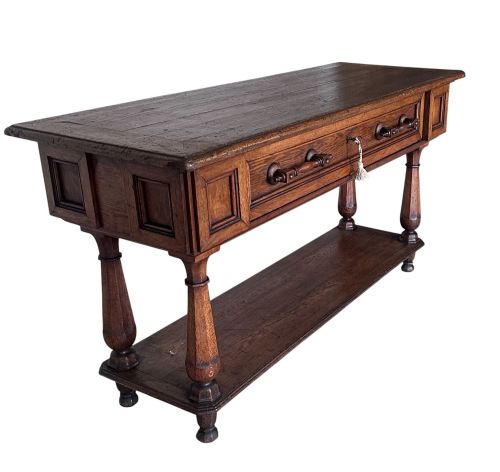
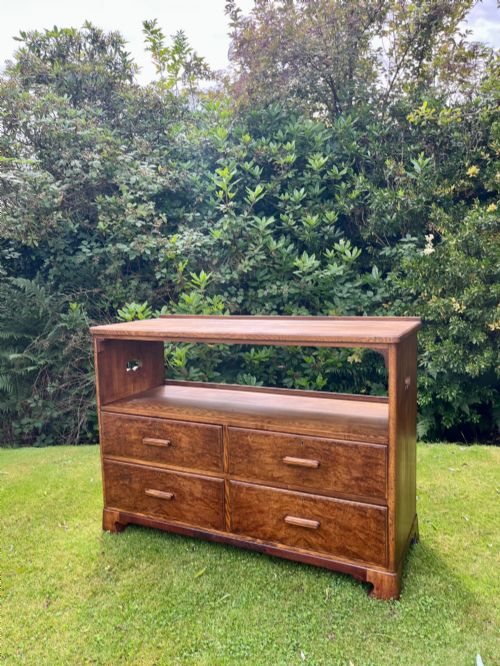
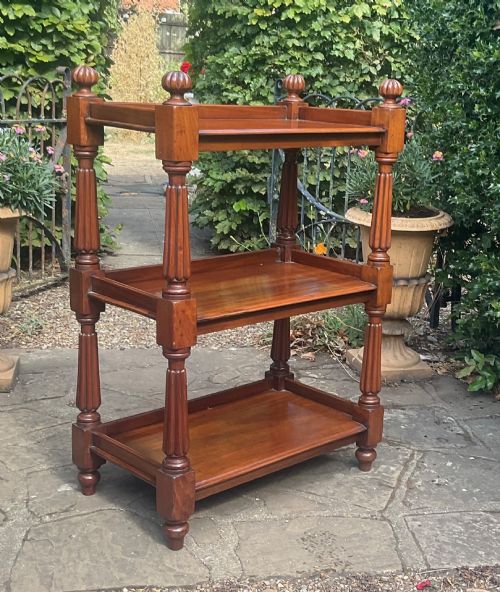
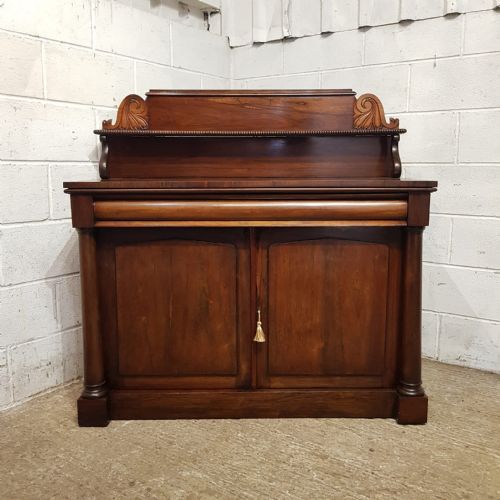
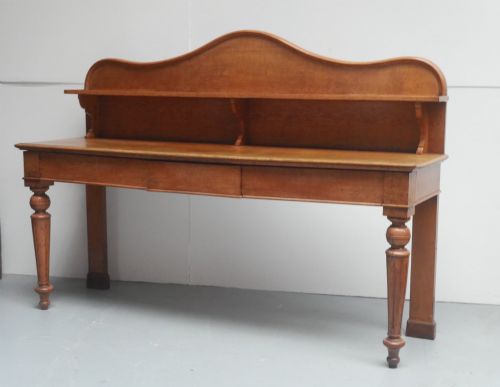
When you search for an antique buffet with shelves, you encounter a varied group of dining and serving furniture primarily originating from the nineteenth and early twentieth centuries. These forms appear under descriptions such as chiffoniers, sideboards, dressers, and side cabinets, frequently incorporating tiered shelving or plate racks above a lower cupboard base.
The pieces span periods including Regency, Victorian, and Edwardian eras, alongside earlier eighteenth-century examples and regional variants like Welsh dressers. Mahogany, oak, walnut, and rosewood dominate the construction, reflecting the prevailing domestic storage needs of their respective decades.
Materials and construction
Cabinetmakers utilised solid timbers such as oak, walnut, and mahogany, frequently applying flame mahogany veneer or burr walnut to prominent surfaces to enhance the visual grain. Structural stability relied on traditional joinery, while decorative elements incorporated brass fittings, glass doors, and carved details.
Secondary woods supported internal framing, and specialised additions such as marble tops or ormolu mounts appeared on select high-status buffet and credenza forms. The integration of upper shelves or pot shelves required sturdy uprights and brackets secured directly to the lower sideboard base.
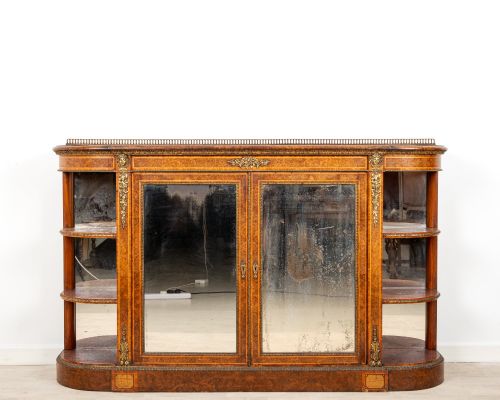
Object forms on this page include chiffoniers, dressers with pot shelves, credenzas, and serving tables fitted with glass or mirrored doors.
Assessing construction and design
Quality reveals itself in the selection of timber figures, such as plum pudding mahogany or burr walnut, matched symmetrically across drawer fronts and cupboard doors. Superior examples display crisp hand-carving, tightly fitted joints, and original brass hardware without modern replacements.
The architectural proportion between the lower sideboard and the upper shelving tier dictates the visual success of the piece. Finer workshops ensured that internal linings, drawer construction, and backboards received the same attention to detail as the external display surfaces.
James Shoolbred And Co
The Antique Buffet with Shelves Glossary
- Chiffonier
- A low sideboard featuring an enclosed cupboard base, frequently surmounted by a single shelf or tier supported on scroll columns.
- Pot shelf
- An open lower shelf incorporated into dressers and sideboards, originally designed for storing heavy pots and culinary utensils.
- Credenza
- A decorative side cabinet, often enclosed by mirrored or glazed doors and enhanced with ormolu mounts, emerging prominently in the Victorian period.
- Flame mahogany veneer
- Thin slices of mahogany cut from the fork of the tree to produce a distinctive, flickering flame pattern across cabinet doors.
- Welsh dresser
- A traditional regional form combining a deep base of drawers and cupboards with an open plate rack shelving superstructure.
Antique Buffet with Shelves: Frequently Asked Questions
How were antique buffets used?
These pieces served dining rooms as serving surfaces for food, storage units for silver and linen, and display areas for ceramic plates.
The upper shelves held plates and glassware, while the lower cupboards concealed heavier dining accessories and serving dishes.
What is a chiffonier?
A chiffonier is a compact sideboard developed in the nineteenth century, typically featuring an enclosed lower cabinet and a raised shelf.
They provided convenient serving space in smaller dining rooms where a full-size sideboard proved too large.
How do I date these cabinets?
Dating relies on observing the primary timber used, the style of the carving, and construction methods such as dovetailing.
Regency pieces display classical restraint, whereas Victorian examples introduce heavier proportions, burr veneers, and glazed doors.
Are shelves usually removable?
Most upper shelves and plate racks on these pieces remain fixed as structural components integrated into the backboards and supports.
Modifications or removable plate racks appear occasionally on later vernacular dressers and utility serving tables.