




Antique Buffet Serving Stand
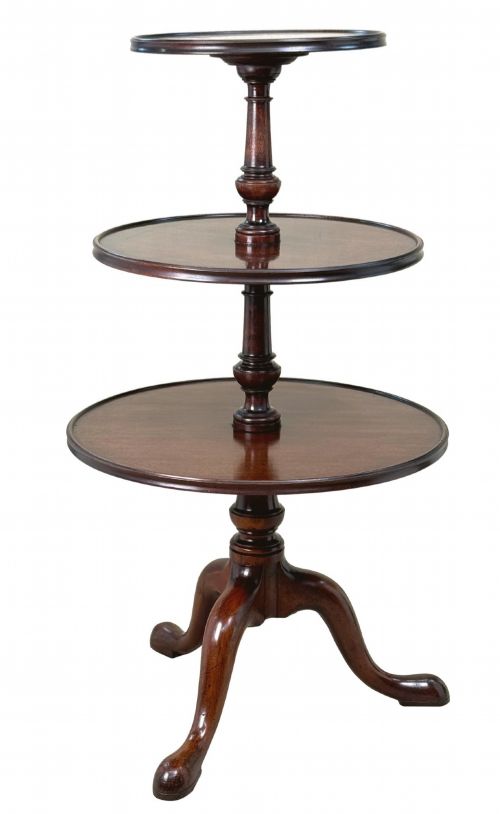
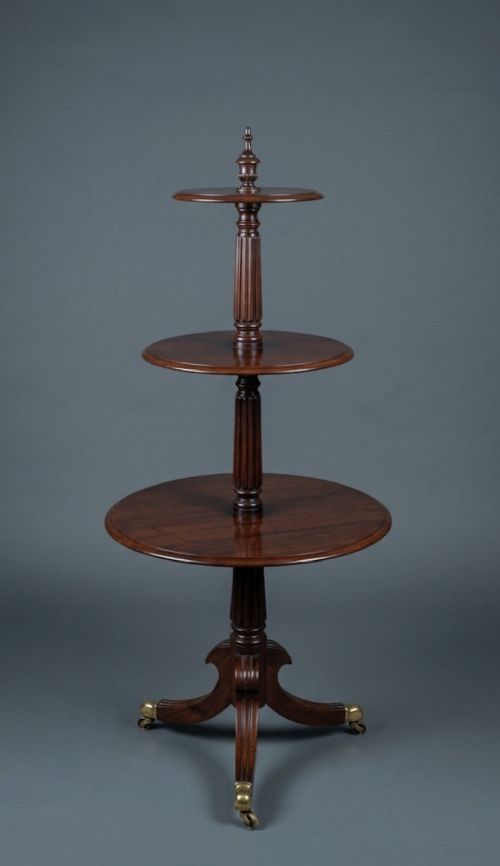
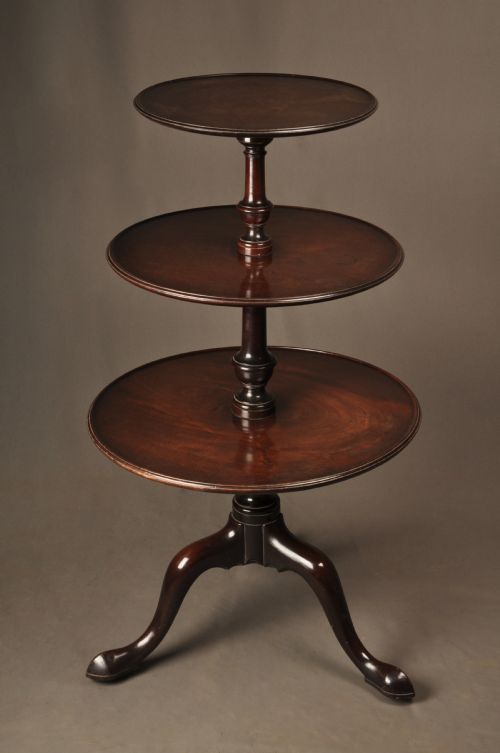
An antique buffet serving stand offers tiered elegance for dining spaces, bringing practical tiered shelving and classic timber character to the room.
Antique Buffet Serving Stand
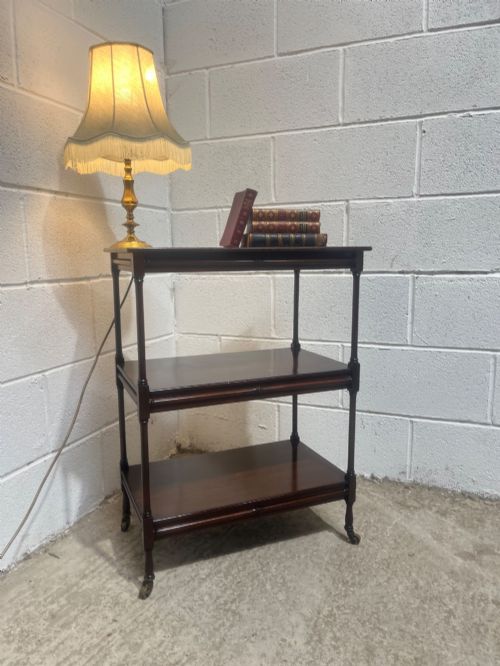
When you search for an antique buffet serving stand, you encounter a variety of multi-tiered serving furniture designed to hold dishes and utensils during meals. These pieces function as dumb waiters, side tables, and trolley stands, spanning centuries of dining tradition.
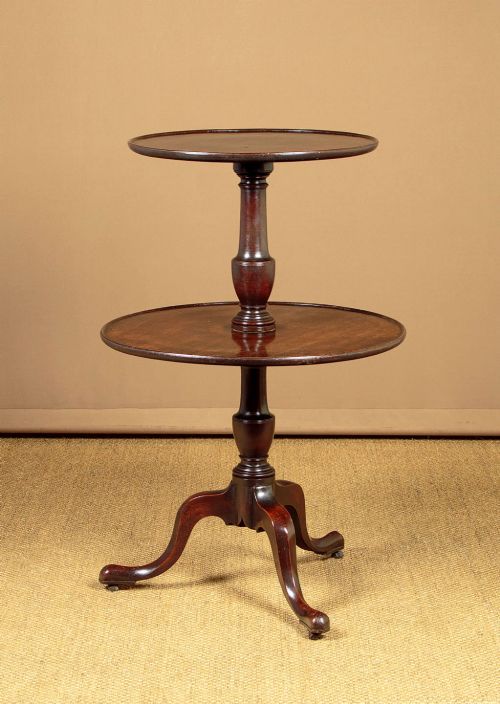
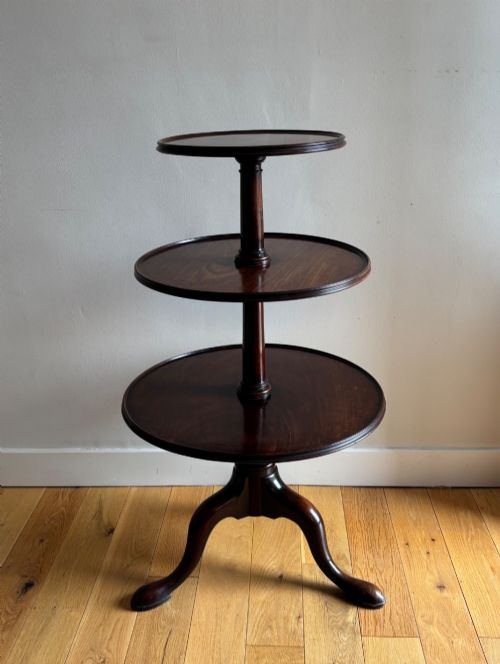
The version you are most likely to meet on this page is the multi-tiered mahogany dumb waiter originating from the Georgian and Regency periods. These tiered stands frequently feature circular revolving trays or drop leaves supported on central pillars.
Makers designed these stands to assist dining rooms where servants were absent or discrete service was required. The tiers permit the arrangement of plates, glassware, and food across distinct levels for easy access.
Timbers and Construction Methods
Cabinet makers relied heavily on solid mahogany and mahogany veneers, shaping the wood to form tiered circular trays, rectangular drop-leaves, and turned central columns. Walnut, amboyna veneer, pollard oak, and padauk wood also appear across various pieces.
Makers incorporated brass castors, hinges, and pivoting mechanisms to allow tiers to fold down or revolve smoothly. Joinery techniques ensured that stacked tiers remained stable under the weight of heavy ceramics and glass.
Some Victorian models allow you to adjust the height of the buffet, proving that Victorians loved clever mechanical furniture just as much as we do.
Assessing Craftsmanship and Proportion
Quality rests in the cleverness of the mechanics, particularly on folding mechanisms, revolving pivots, and adjustable tiers that operate without sticking. The choice of timber grain, such as figured mahogany or amboyna veneer, distinguishes standard examples from exhibition pieces.
Proportion and stability dictate the standing of a piece within its period. Refined pillar turnings, well-cast brass hardware, and balanced multi-tiered arrangements denote superior workshop production.
Maple & Co·Gillows
The Antique Buffet Serving Stand Glossary
- Dumb waiter
- A tiered serving stand designed to hold food and tableware without the presence of a servant. These tables feature stacked circular or rectangular shelves.
- Drop-leaf
- A tabletop or tier with hinged flaps that fold down to save space when not in use. This mechanism appears frequently on eighteenth-century dining furniture.
- Revolving tier
- A shelf mounted on a central pivot allowing diners to rotate dishes without reaching across the table. This innovation is common in Georgian examples.
- Galleriéd
- A shelf or tray featuring a raised wooden or brass rim to prevent items from sliding off during service. This detail enhances both utility and visual refinement.
Antique Buffet Serving Stand: Frequently Asked Questions
What is a dumb waiter?
A dumb waiter is a multi-tiered piece of dining furniture designed to hold plates, glasses, and dishes during a meal. It allows people to serve themselves without needing attendants in the room.
Most examples feature two or three stacked circular trays mounted on a central pillar with brass castors. Some versions include folding sides or revolving tiers for added convenience.
How were these stands used?
Hosts placed these stands beside dining tables to hold extra courses, wine bottles, and clean tableware. They kept the main dining table clear of clutter.
During quieter meals, diners rotated the tiers or folded down the leaves as courses finished. This made serving efficient in smaller dining rooms.
How do I spot a Georgian piece?
Georgian stands typically feature solid mahogany timber with rich patination, elegant pillar turnings, and subtle brass hardware. The construction relies on traditional joinery methods appropriate for the eighteenth century.
Look for circular graduated tiers and tripod or pedestal base supports. Many examples from this era incorporate revolving mechanisms.
Are the tiers adjustable?
Certain Victorian and later examples include fully adjustable mechanisms that allow the height or angle of the tiers to change. This flexibility suited various domestic tasks.
Earlier Georgian and Regency pieces usually fixed the tiers rigidly to the central column at set heights. Check the specific description to confirm mobility.