
Antique Bronze Pot
An antique bronze pot spans domestic vessels and temple censers, offering tactile metalwork and historical weight for any room.
Antique Bronze Pot
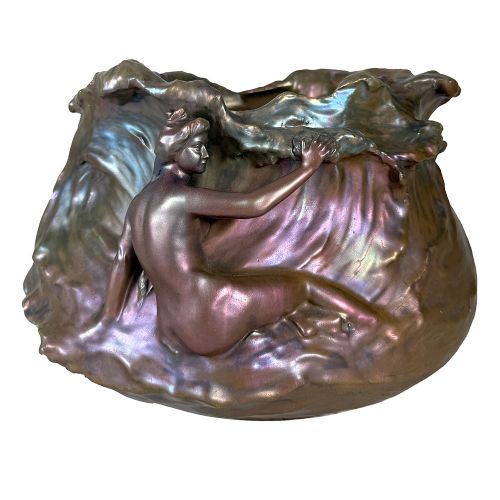
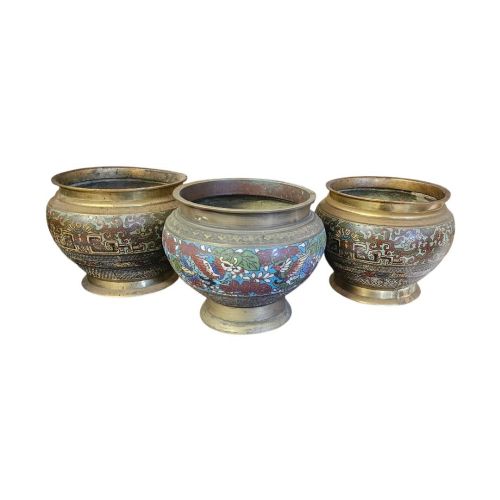
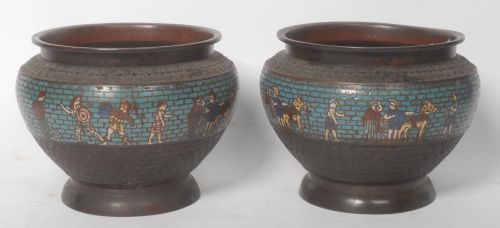
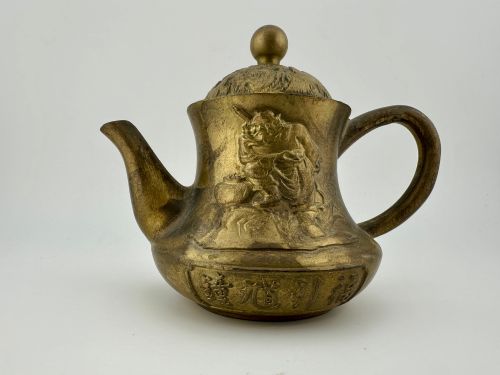
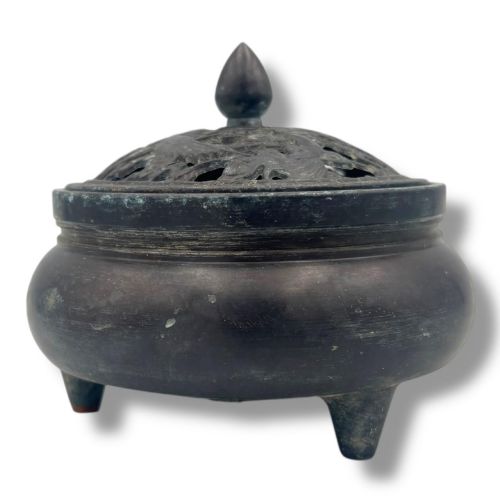
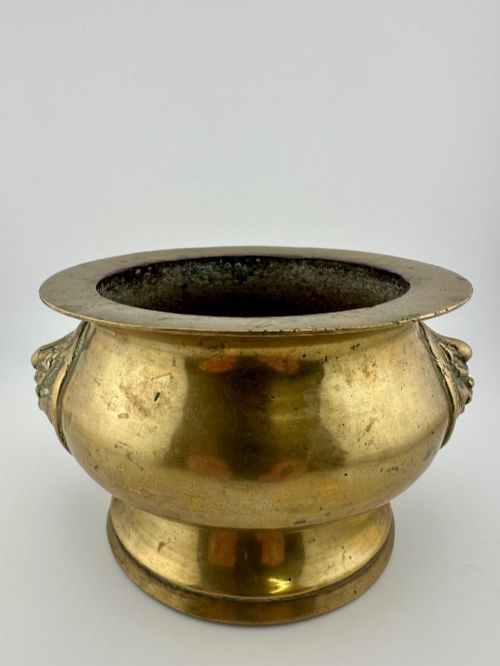
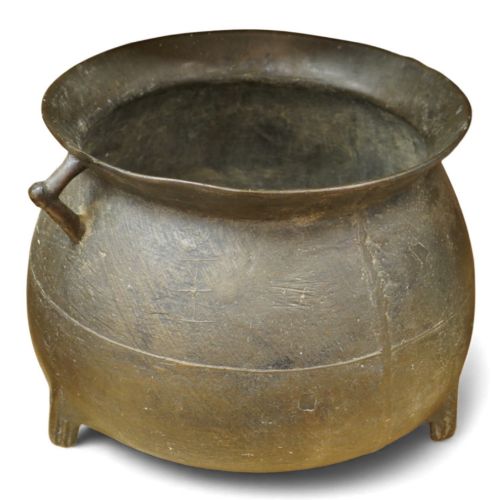
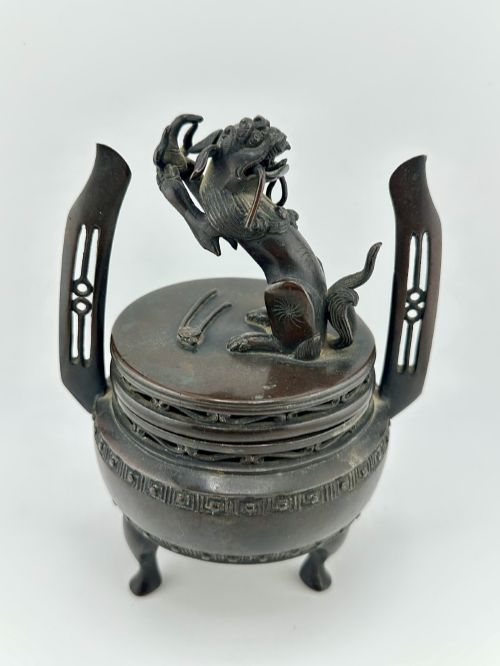
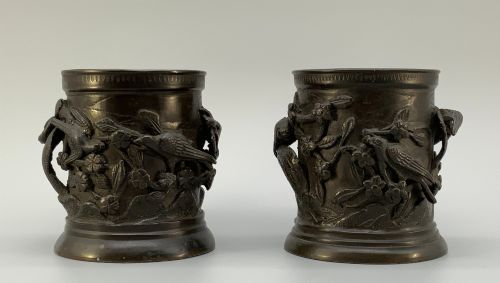
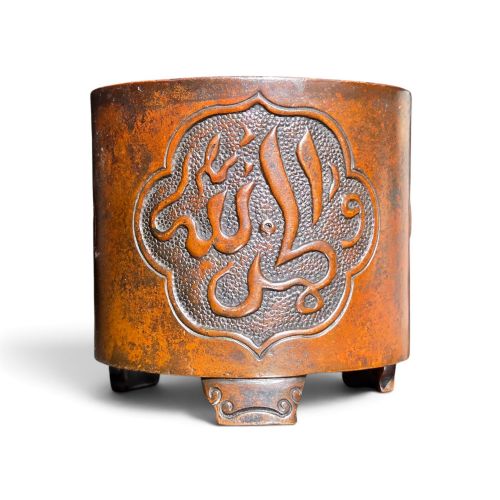
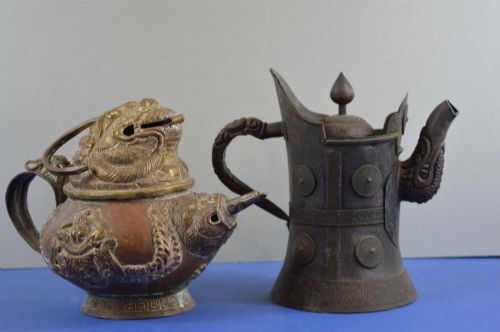
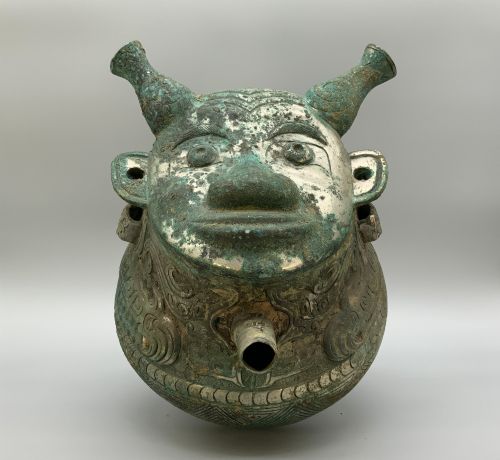
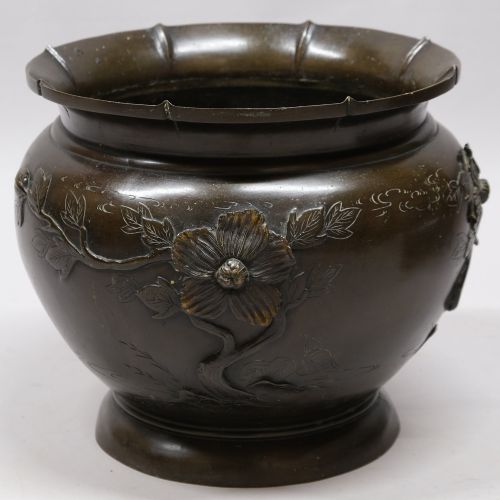
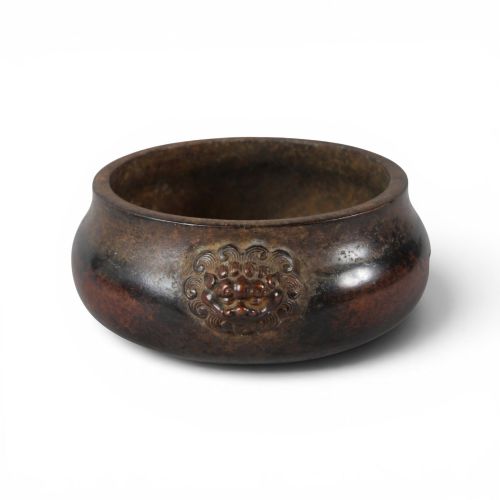
When you examine an antique bronze pot on this page, you encounter forms ranging from English seventeenth-century cooking vessels and apothecary mortars to Japanese Meiji jardinieres and Chinese Qing dynasty incense burners.
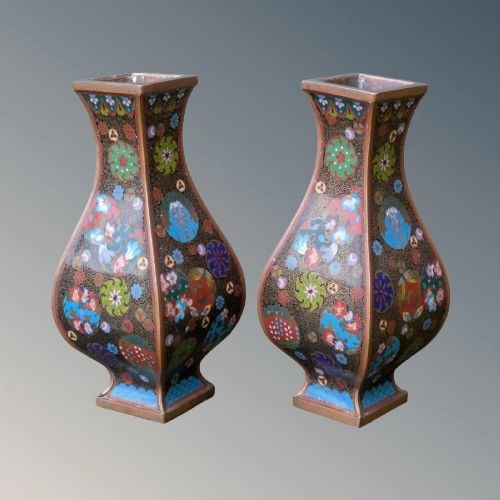
Domestic utilitarian items like preserving pans, skillets, and cauldrons sit alongside decorative vases, ritual vessels, and scholar's studio censers featuring detailed patination.
Continental European and Asian origins dominate the selection, spanning periods from the seventeenth century through the Victorian era and into the early twentieth century.
Materials and construction methods
Metalworking techniques recorded in these listings include sand casting for heavy utilitarian cauldrons and lost-wax casting for intricate oriental censers and ritual vessels.
Surface treatments vary from hand-chased and engraved decoration to applied patinated bronze, ormolu mounts, champleve enamelling, and polished brass highlights.
Heavier leaded bronze and bell metal alloys provide the structural integrity required for early cooking pots, while finer copper and bronze mixes support delicate scholar's items.
Listings feature items cast in bronze, brass, patinated bronze, and gilt bronze, combined with materials like marble, enamel, and porcelain.
Assessing quality and craftsmanship
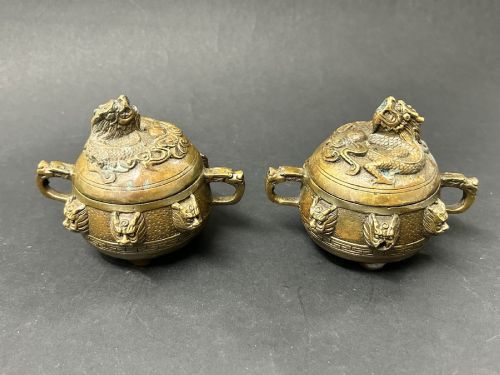
The distinction between ordinary utility items and exceptional pieces rests upon the crispness of the cast ornamentation, such as dragon handles, lion masks, and relief motifs.
Substantial weight in scholar's censers and uniformity in wall thickness during casting indicate superior workshop standards from periods like the late Ming or Qing dynasties.
The stability of the natural patina, the integration of maker or reign marks, and the preservation of original companion pieces like zitan stands elevate specific examples.
The Antique Bronze Pot Glossary
- Censer
- A vessel used for burning incense during religious rituals or scholarly contemplation. Many examples feature tripod supports and perforated lids decorated with mythical beasts.
- Jardiniere
- An ornamental pot or stand designed to hold growing plants or flowers. These items often appear in large, decorative formats from the Victorian and Meiji periods.
- Cauldron
- A large metal cooking pot with a rounded base and carrying handles, frequently cast from leaded bronze in the seventeenth century.
- Patina
- The surface sheen and colour developed over centuries through oxidation, handling, and age. A fine patina signals genuine antiquity and careful preservation.
- Ormolu
- Gilded bronze ornamentation applied to decorative furnishings and inkstands, popular during nineteenth-century French manufacturing.
Antique Bronze Pot: Frequently Asked Questions
What is an antique bronze pot used for?
These versatile metal vessels served diverse functions depending on their origin, ranging from ritual incense burning and tea preparation to household cooking, jam preserving, and ink storage.
Today, collectors utilise them as decorative planters, desk accessories, or standalone display objects that showcase historical metalworking techniques.
How do I identify the age of a bronze pot?
Dating relies on stylistic markers, manufacturing techniques, foundry marks, and historical context. Seventeenth-century pieces often display sand-cast utility forms, whereas nineteenth-century works frequently incorporate intricate chased surfaces or Japanese Meiji period motifs.
Matching surface wear, alloy composition, and documented reign marks helps narrow down the period of origin.
Are bronze pots safe for plants?
Many antique jardinieres and decorative bowls accommodate potted plants, though direct planting can expose historical metal to moisture and soil acidity.
Placing a modern liner inside the vessel protects the bronze interior while allowing you to display greenery safely.
How should I clean an antique bronze pot?
Preserving the original surface is essential, so active cleaning should remain minimal to avoid removing the historical patina. Dusting with a soft, dry cloth and applying occasional neutral wax maintains the metal without altering its age-acquired finish.