


Antique Bronze Platter
An antique bronze platter brings weight and craft to a table, uniting metalwork with the distinct aesthetics of the nineteenth century.
Antique Bronze Platter
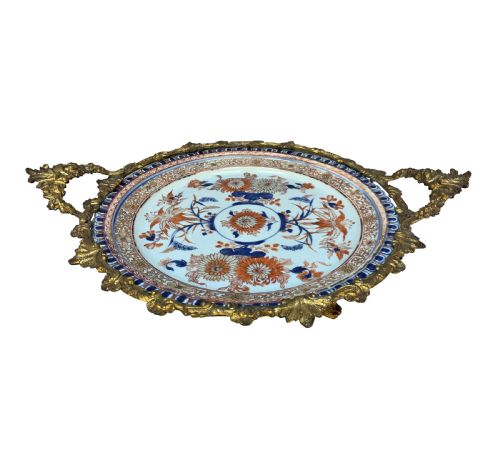
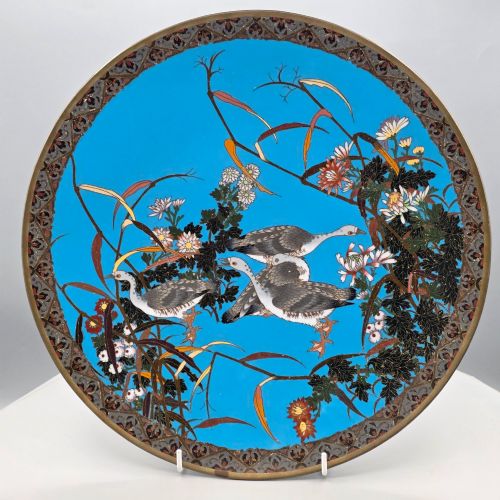
An antique bronze platter spans heavy decorative chargers, centrepieces, and plates designed to command attention in a room. These pieces range from large Japanese enamel cloisonné chargers depicting dragons, geese, and chrysanthemums to European neo-classical and French rococo platters.
You will frequently meet Japanese Meiji period works alongside nineteenth-century French and English decorative vessels. Makers utilised various materials, mounting bronze with porcelain, enamel, and copper to create elaborate display objects.
The form stretches from shallow decorative dishes to substantial centrepieces weighing several kilograms. Each vessel served primarily as a showpiece of decorative art rather than everyday tableware.
How they were made
Artisans built these platters using bronze, copper, and brass as foundational metals, often applying silver plating, ormolu, or gilt mounts. Techniques like repoussé work allowed metalworkers to hammer intricate low-relief designs into the surface.
At least one heavy bronze plate weighs in at a solid four kilograms, demanding a very strong shelf indeed.
What varies in quality
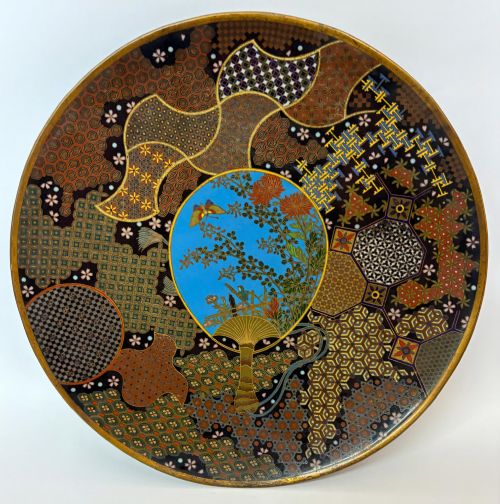
Quality rests in the crispness of the chasing, the depth of the repoussé relief, and the complexity of the enamel work. Superior Japanese cloisonné displays dense, perfectly uniform wire cells and subtle colour transitions in depictions of flora and fauna.
European examples rely on the architectural precision of the cast mounts and the harmony between the bronze frame and the central porcelain or enamel plaque. Heavy, substantial casting and signed artist pieces sit at the upper end of the scale.
Faulkner Bronze Company·Kinkozan·Louis Pierre Malpass
The Antique Bronze Platter Glossary
- Cloisonné
- An enamelling technique where metal wire is soldered to a metal base to form compartments filled with enamel paste. This method creates intricate patterned illustrations across chargers and plates.
- Ormolu
- Gilt bronze mounted on decorative objects, created by applying a mercury and gold amalgam to cast bronze. The technique gives the metal a rich, golden finish popular in French decorative arts.
- Repoussé
- A metalworking method where an artist hammers metal from the reverse side to form a raised design in relief. It yields tactile, dimensional ornament on platters and shields.
- Champlevé
- An enamelling process where troughs or cells are hollowed out of the metal surface and filled with enamel before firing. It produces bold patterns contrasted against thick metallic borders.
- Charger
- A large decorative plate or platter used traditionally for display rather than dining. These substantial pieces showcase the highest skill of the metalworker or ceramist.
Antique Bronze Platter: Frequently Asked Questions
How were antique bronze platters used?
These large vessels served primarily as decorative chargers, centrepieces, and display platters on sideboards or dining tables. They functioned as statements of wealth and artistic taste rather than practical dining ware.
Many examples remained static centrepieces in grand rooms, holding fruit or simply showing off intricate enamel and repoussé decoration to visiting guests.
How do I identify Meiji period cloisonne?
Meiji period cloisonné chargers typically feature naturalistic motifs such as dragons, chrysanthemums, geese, and auspicious symbols. The enamel work is dense, and many superior pieces bear artist signatures on the reverse or base.
These Japanese works often contrast sharply with European revival styles of the same era, showing exceptional control over wirework and colour gradation.
What is Cairo Ware?
Cairo Ware refers to nineteenth-century metalwork produced in Egypt, characterised by heavy bronze, copper, and brass inlaid with silver and other metals. These pieces draw on Islamic design traditions.
They offer a distinct aesthetic compared to European neoclassical or Japanese Meiji platters, focusing on intricate geometric and calligraphic inlay patterns.
How should I display a heavy bronze charger?
Due to the substantial weight of these objects, which can exceed several kilograms, sturdy wall brackets or secure plate stands are essential. Position them away from direct sunlight to protect enamel and porcelain components.
Allowing sufficient space around the platter ensures the chased details and patinated metal surfaces remain the focal point of the room.