




Antique Bronze Mantel Decor
Antique bronze mantel decor brings nineteenth-century foundry craft to a room, offering sculptural presence and patinated weight to a hearth.
Antique Bronze Mantel Decor
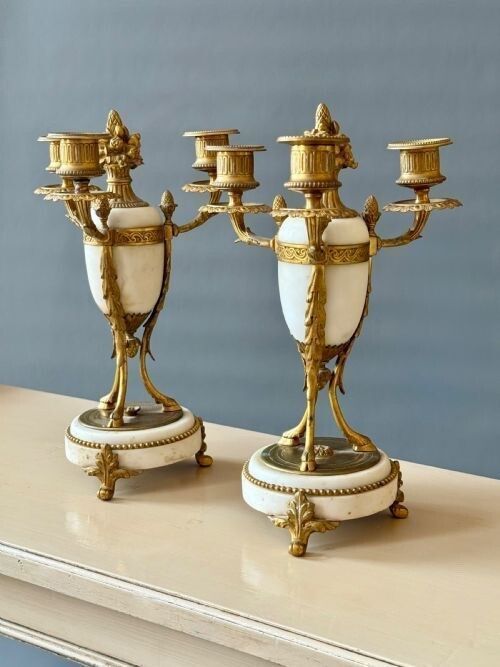
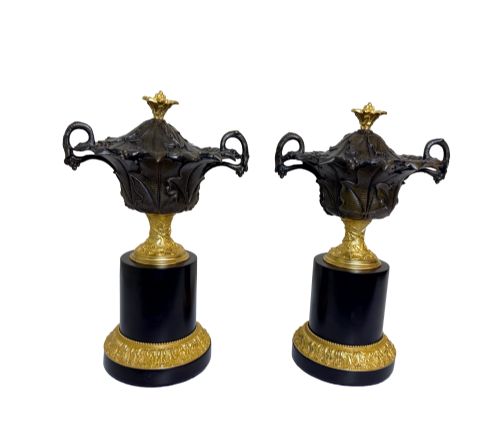
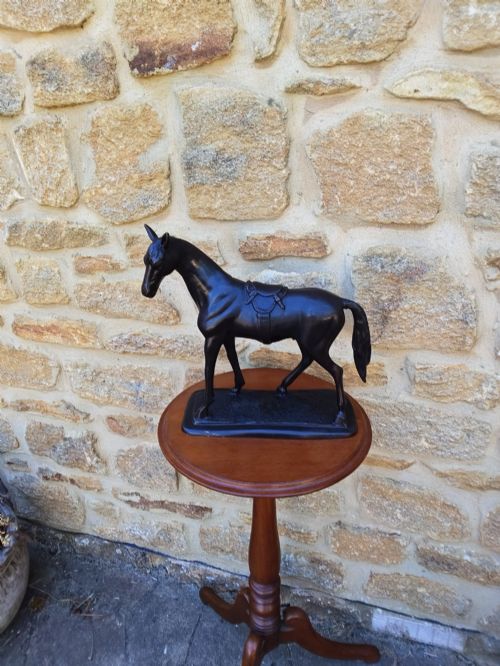
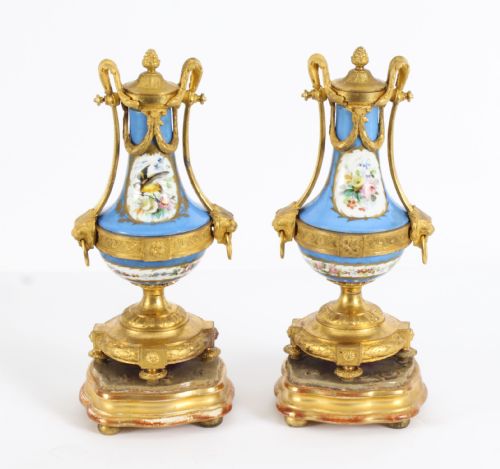
Antique bronze mantel decor encompasses a range of domestic ornamental objects spanning the eighteenth and nineteenth centuries, including the Regency and Victorian eras. Buyers pursuing antique bronze mantel decor encounter utilitarian items and purely decorative pieces, such as candlesticks, decorative urns, portrait busts, and animalier sculptures. Many examples incorporate contrasting materials, pairing cast metal figures with marble plinths or pedestals.
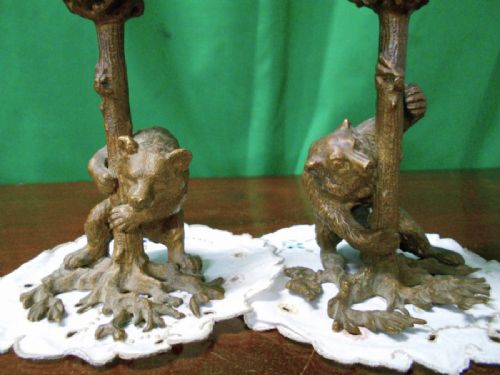
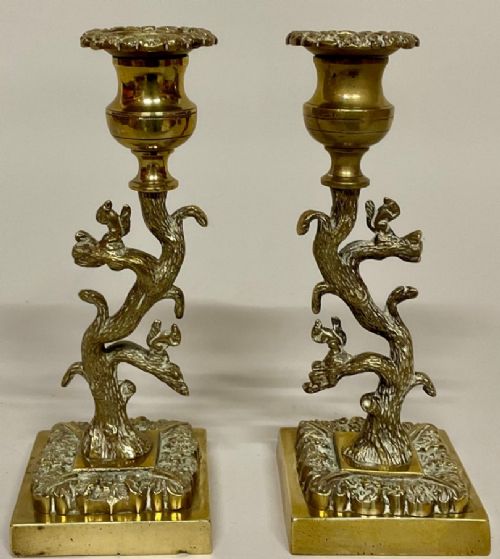
The selection ranges from neoclassical revival designs and French empire work to egyptian revival sphinxes and black forest bear figures. Candlesticks often feature sculptural details like trees with squirrels, while urns draw upon grand tour influences and classical motifs. These objects served as focal points on nineteenth-century mantelpieces, combining utility with decorative ambition.
Materials and technique
Makers of antique bronze mantel decor utilised cast bronze, patinated bronze, and gilt bronze, frequently mounting figures and urns upon marble bases. Ormolu and gilt metal surface treatments appear alongside natural dark patination, creating tonal depth across the sculptural forms. Certain pieces combine cast metalwork with carved stone plinths, requiring precise joinery between the metal components and the marble bases.
Foundries employed traditional casting methods to achieve fine detail in subjects ranging from animalier wildlife to classical architectural urns. The application of fire gilding or chemical patination finished the metal surface, accentuating the chased details of hair, foliage, and drapery. These techniques produced durable domestic ornaments designed to withstand the heat and handling associated with fireplace placement.
Listings feature nineteenth-century items in bronze, gilt bronze, and marble, spanning neoclassical, empire, and black forest styles.
Judging the work
The distinction in antique bronze mantel decor lies in the crispness of the casting and the sensitivity of the subsequent chasing. Superior examples display sharply defined fur, feathers, and classical ornament without the softening of detail often seen in secondary production runs. The quality of the surface finish - whether deep patination or retained fire gilding - further separates standard decorative foundry output from exceptional studio work.
Integration between the metal sculpture and its supporting marble plinth indicates the overall standard of manufacture. Well-executed pieces demonstrate secure mechanical mounting and carefully selected stone bases that complement the proportions of the bronze. The weight of the metal and the stability of the assembly distinguish robust foundry pieces from lighter decorative substitutes.
Michel Decoux
The Antique Bronze Mantel Decor Glossary
- Animalier
- A nineteenth-century artistic style focusing on the realistic depiction of animals, particularly predators and game. Animalier bronzes capture beasts in motion or repose with anatomical accuracy.
- Ormolu
- Finely ground high-carat gold applied to a bronze base using a mercury amalgamation technique, producing a rich golden finish. This historic gilding method yields a durable and luminous surface.
- Patinated bronze
- Metal treated with chemical solutions to produce a controlled surface colour, ranging from deep brown to verdigris. Patination protects the bronze while enhancing its visual depth.
- Campana
- A classical bell-shaped vessel form frequently utilised for decorative urns and the sconces of candlesticks. The profile derives from ancient Roman pottery traditions.
- Grand Tour
- The nineteenth-century practice of affluent travellers collecting classical souvenirs and architectural bronzes across Europe. These objects often found permanent homes on domestic mantelpieces.
Antique Bronze Mantel Decor: Frequently Asked Questions
How do I clean antique bronze?
Dust bronze objects gently with a soft, dry brush to prevent the accumulation of dirt within the chased details. Avoid chemical cleaners or metal polishes that can strip historic patination or damage applied gilding.
Applying a microcrystalline wax can protect the metal surface from atmospheric moisture. Consult a specialist conservator if an object requires deeper intervention or removal of stubborn residue.
Where were these pieces displayed?
Nineteenth-century interiors featured these bronze objects prominently on mantelpieces above fireplaces, flanked by mirrors or clocks. Their weight and reflective surfaces made them natural centerpieces for formal reception rooms and parlours.
Beyond the hearth, collectors placed smaller sculptures and urns on pedestals, side tables, and cabinet tops. Their scale suited domestic display spaces where fine detail could be closely appreciated.
What is animalier bronze?
Animalier bronze refers to sculptural work depicting animals, popularised in nineteenth-century France by artists who studied wildlife closely. These pieces capture bears, panthers, horses, and birds with dynamic realism and careful attention to musculature.
Foundries cast these subjects to serve as mantel ornaments and desk accessories. The style reflects a broader Victorian fascination with natural history and exotic fauna.
How do I date a bronze mantel piece?
Dating relies on stylistic markers, such as the classical revival motifs of the Regency period or the naturalistic themes of late nineteenth-century animalier work. Examining the method of construction, the wear on the base, and the composition of the marble plinth provides further chronological clues.
Documentation linking a piece to a known foundry or sculptor helps narrow the production window. Comparing the casting quality to dated examples in museum archives offers a reliable benchmark.