

Victorian Gilt Urns
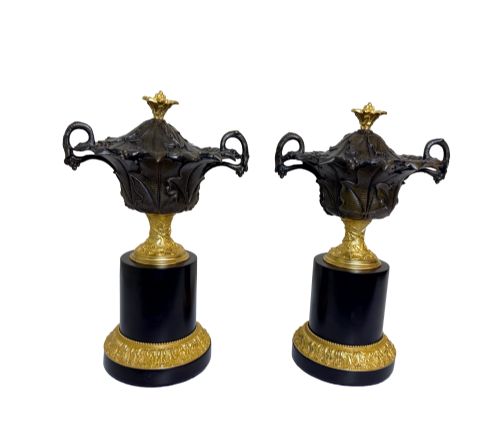
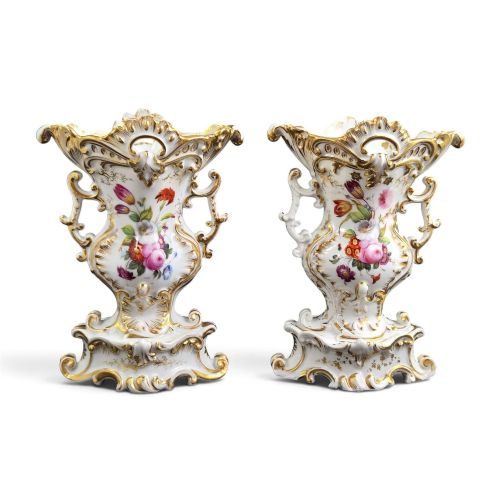
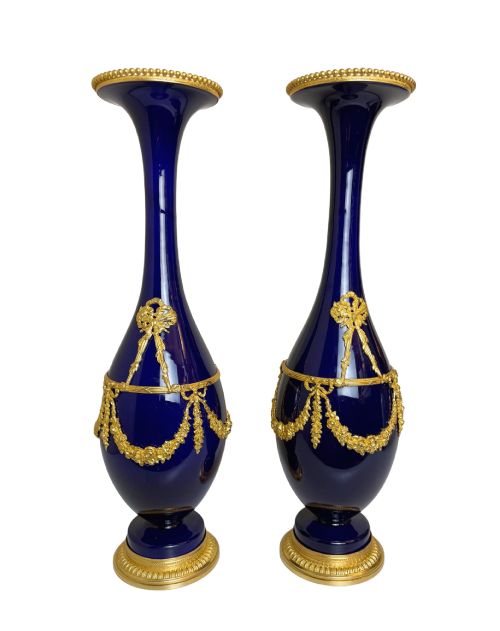
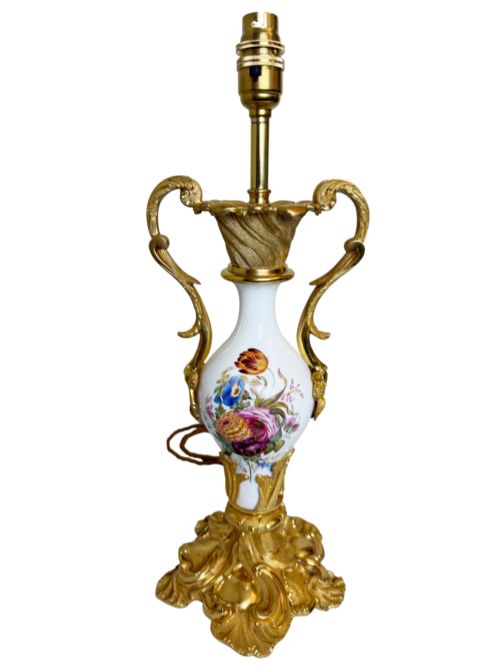
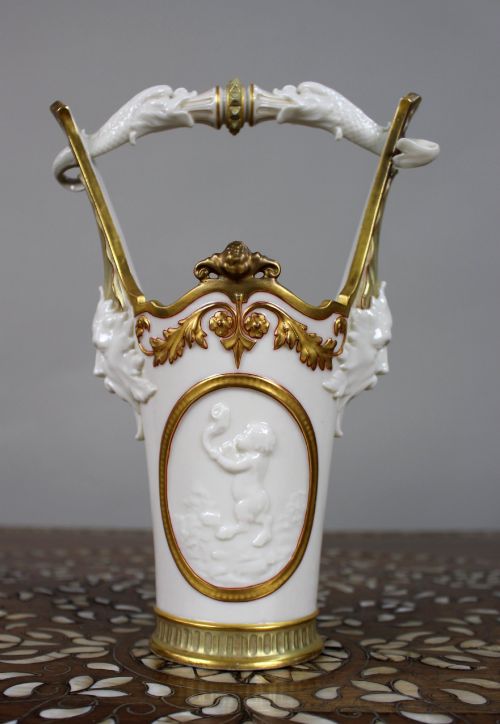
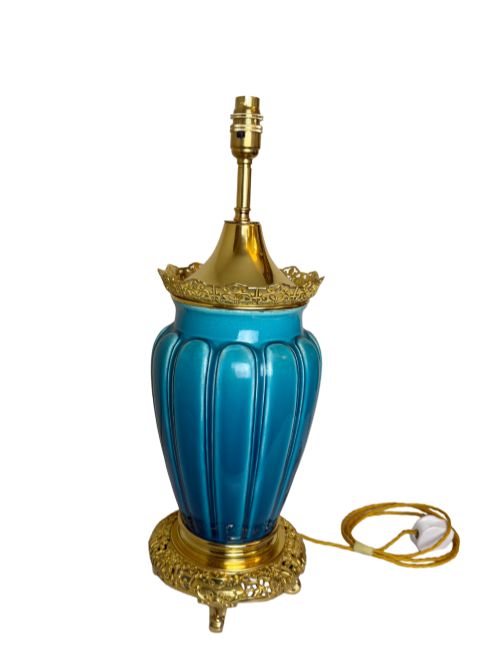
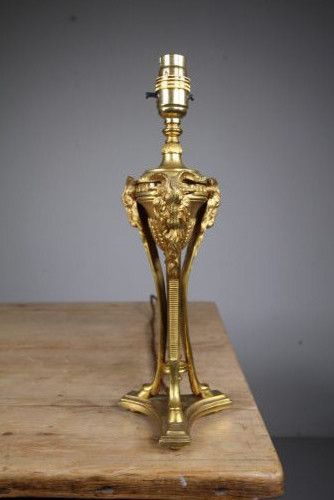
These victorian gilt urns bring monumental presence and gleaming metallic warmth to a room, cast in bronze, porcelain, and glass.
Victorian Gilt Urns
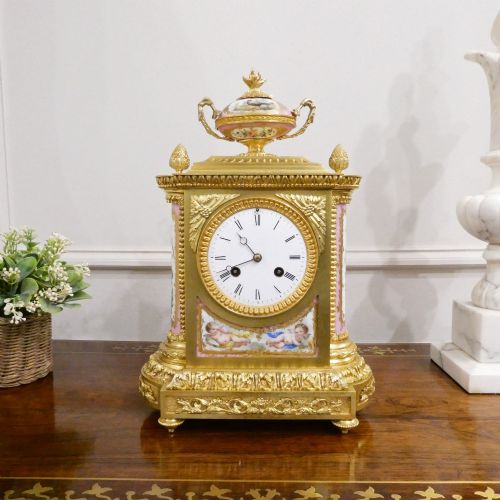
When searching for victorian gilt urns, a buyer encounters a diverse group of ornamental vessels, decorative vases, and clock garnitures produced during the nineteenth century. These objects draw heavily on French Rococo Revival, Neoclassical, and Adam styles, reflecting a Victorian appetite for ornate continental design.
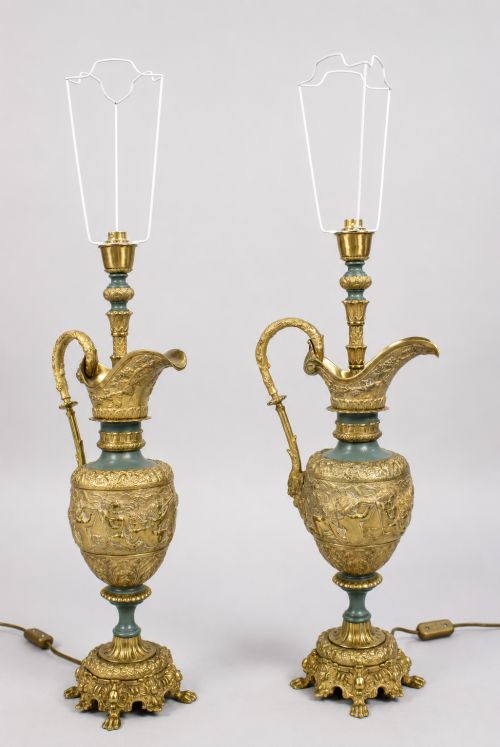
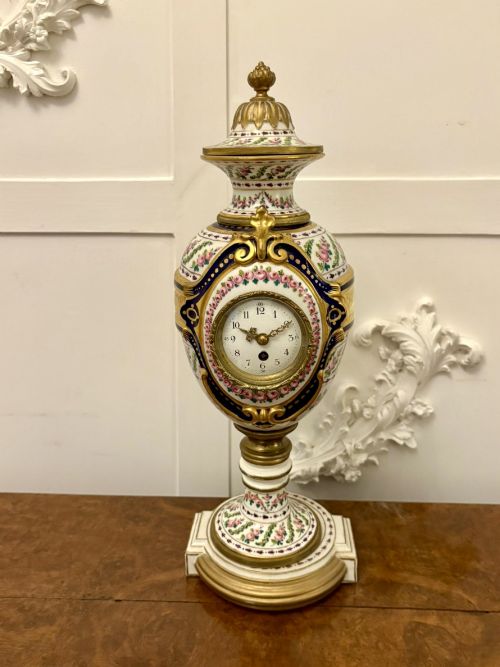
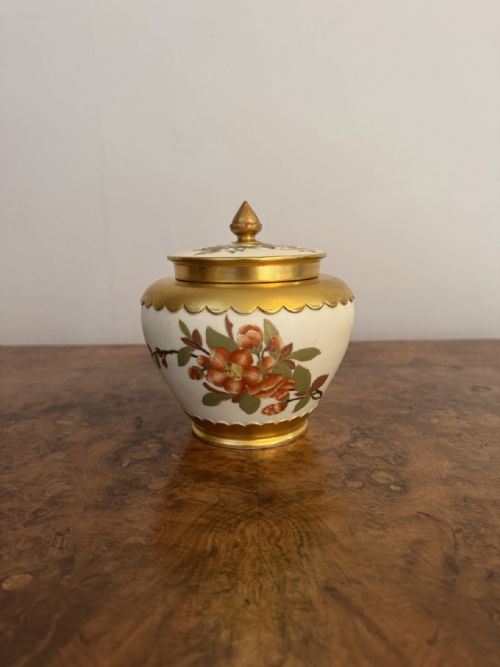
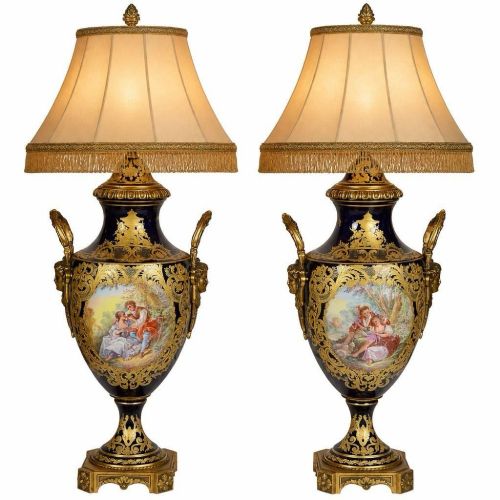
The pieces on this page span from the middle decades of the nineteenth century through to nineteen hundred, encompassing English and continental origins. Forms range from lidded potpourri pots and campana shapes to pairs of decorative vases mounted with gilt bronze trims.
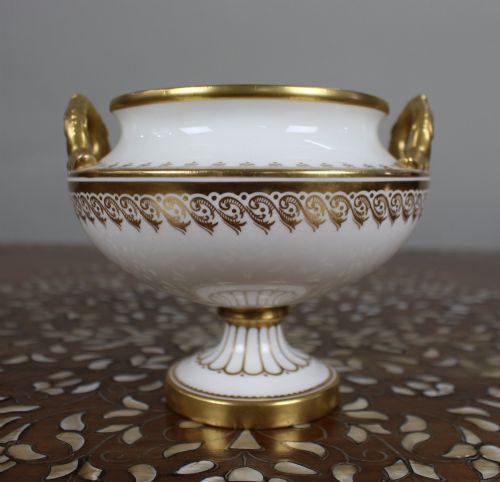
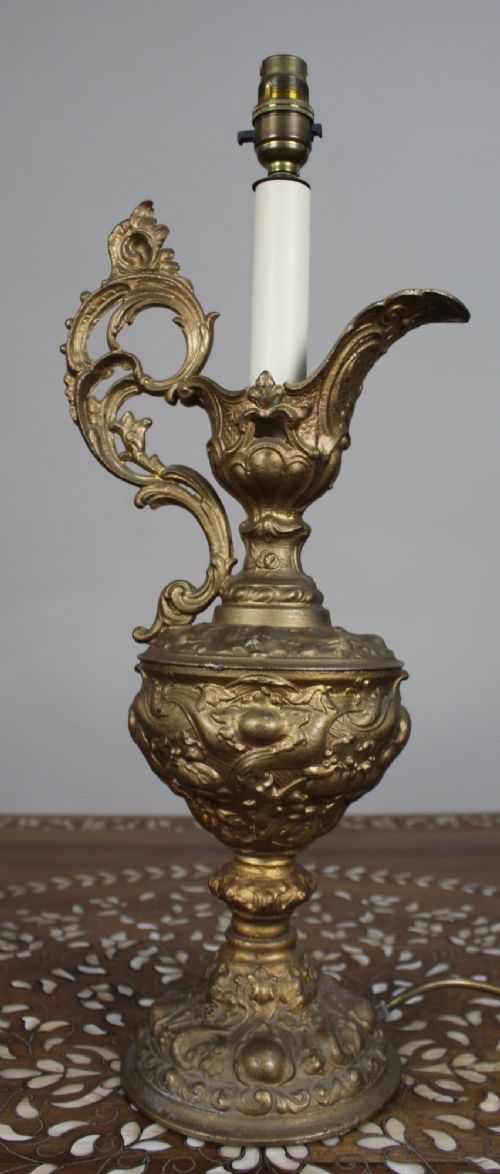
Makers and factories such as Royal Worcester, Jacob Petit, and Sevres style potteries dominate the ceramic output, often paired with metal mountings. Buyers frequently find these vessels functioning as mantel centrepieces or converted into table lamps.
How they were made
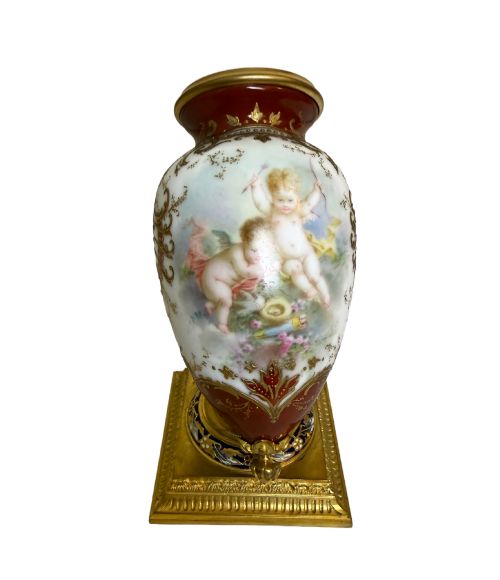
The creation of these objects relied upon skilled casting of bronze and brass, combined with hand-painted porcelain bodies. Artisans applied gold leaf, gilding, and parcel-gilt details to accentuate classical motifs such as rams' heads and floral swags.
Enamelling techniques like champleve appear alongside intricate ceramic glazing in turquoise, pink, and blush ivory. Marble pedestal bases frequently support bronze coupes and clock garnitures, adding substantial weight and structural contrast.
Listings feature periods spanning from eighteen fifty to nineteen hundred, alongside styles such as Rococo Revival, Neoclassical, and Adam.
What varies in quality
The refinement of the hand-painted decoration and the crispness of the bronze casting separate standard production pieces from exceptional exhibition works. Finer examples display meticulous attention to detail in floral motifs and figural scenes.
The weight and purity of the materials, from block marble bases to heavy fire-gilt bronze mounts, determine the overall solidity and visual impact of each vessel.
Jean-Baptiste Delettrez·Jacob Petit·Royal Worcester·A.B. Daniell And Son·Helena Wolfsohn·Elkington Mason And Co
The Victorian Gilt Urns Glossary
- Ormolu
- Gilt bronze mounted onto decorative objects. This technique involves applying a finely ground high-carat gold mercury amalgam to bronze.
- Cassolette
- A dual-purpose decorative vessel that functions as a perfume burner or transforms into a lidded vase when turned.
- Campana
- A bell-shaped urn or vase form popular in classical antiquity and revived during the nineteenth century.
- Champleve
- An enamelling technique where troughs are gouged into a metal surface and filled with vitreous enamel before firing.
- Garniture
- A set of three or more matching ornamental vases or figures designed to sit together on a mantelpiece.
Victorian Gilt Urns: Frequently Asked Questions
What were victorian gilt urns used for originally?
These pieces served primarily as decorative garnitures on mantelpieces, often accompanying clocks or placed in pairs on pedestals and console tables. Some functioned as potpourri containers or wine coolers rather than simple display items.
Their presence signalled refinement and wealth in a nineteenth-century interior, catching candle and gas light through their gilded surfaces.
How can I tell a french urn from an english one?
French pieces frequently utilise champleve enamel and fine porcelain from Sevres alongside heavier gilt bronze mounts. English examples often showcase the work of potteries like Royal Worcester or employ Adam revival motifs in gilded brass and ceramics.
Examining the underlying clay body and any stamped registry marks helps clarify the geographic origin of the piece.
Are these urns suitable for holding fresh flowers?
Most antique examples feature delicate hand-painted surfaces, gilding, or internal metal components that water would damage over time. They remain best suited for dry displays or as standalone decorative objects.
Using liners is sometimes necessary if a buyer wishes to use them for botanical arrangements without risking the antique interior.
How do I clean gilded bronze and porcelain safely?
Dusting gently with a soft, dry brush prevents the accumulation of grime without abrading delicate gold leaf or hand-painted enamel. Moisture and commercial cleaning agents should be avoided entirely to preserve the original finish.
Professional consultation is recommended if an object requires deeper conservation work or structural repair.