
Antique Bronze Horse
An antique bronze horse captures the power and elegance of the animal through enduring metal, ranging from French animalier statuary to Japanese foundry work.
Antique Bronze Horse
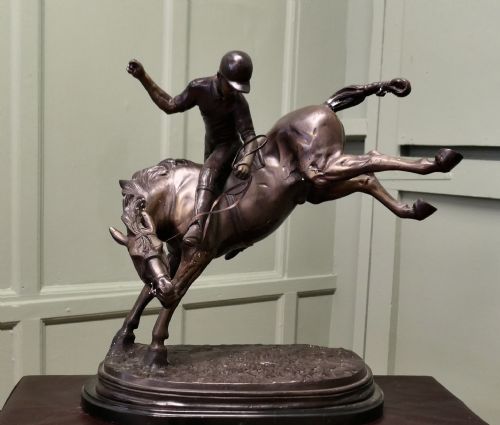
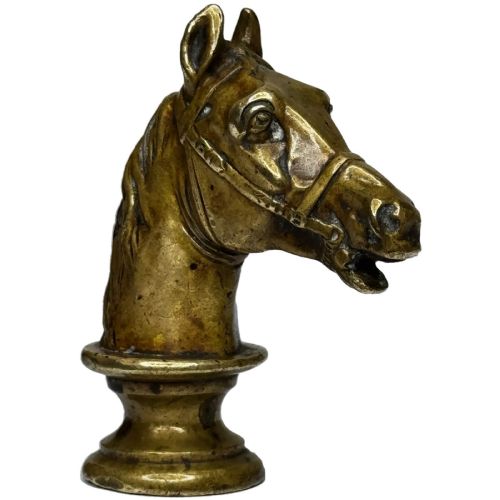
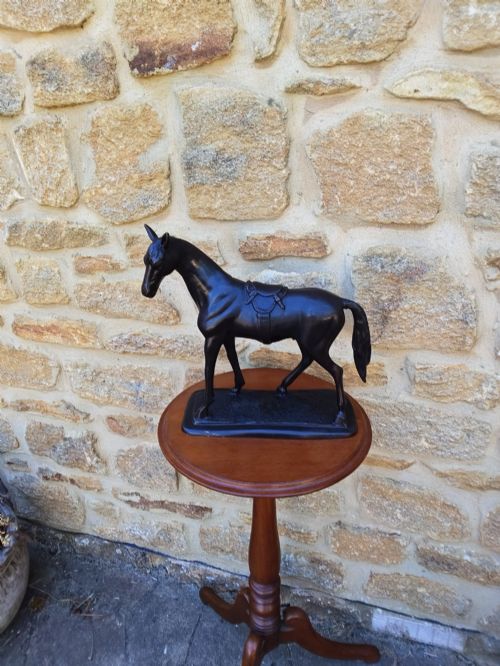
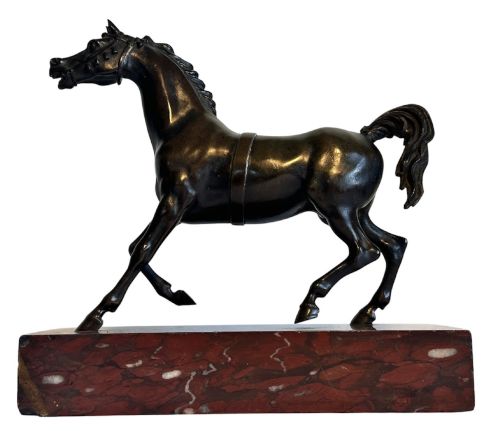
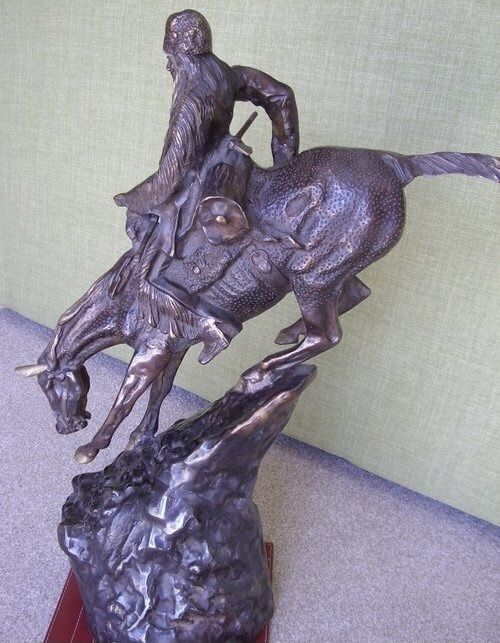
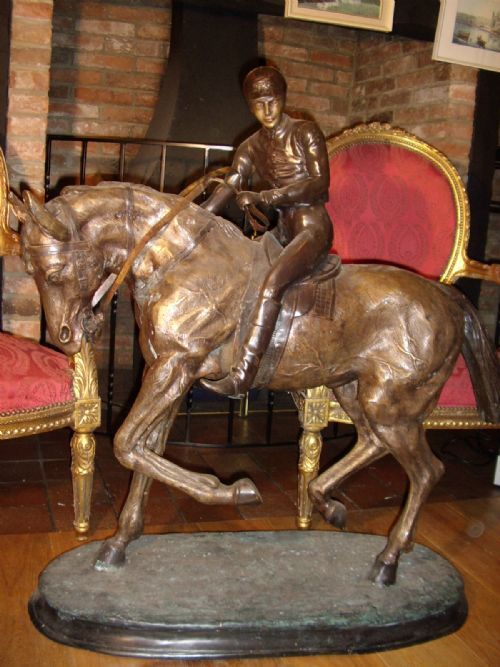
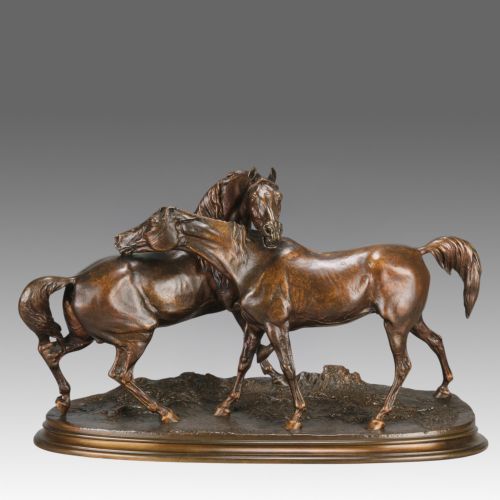
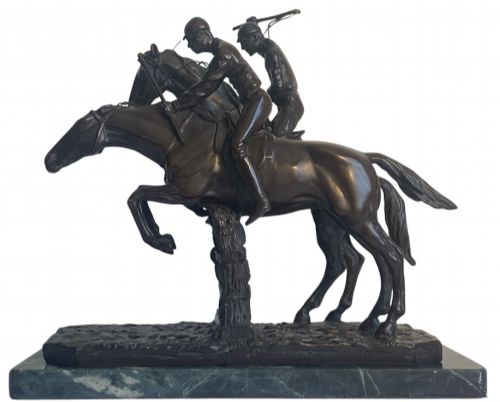
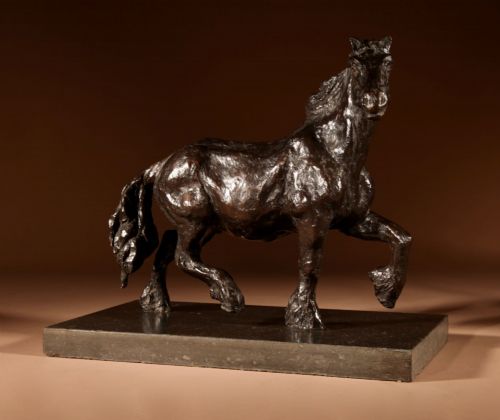
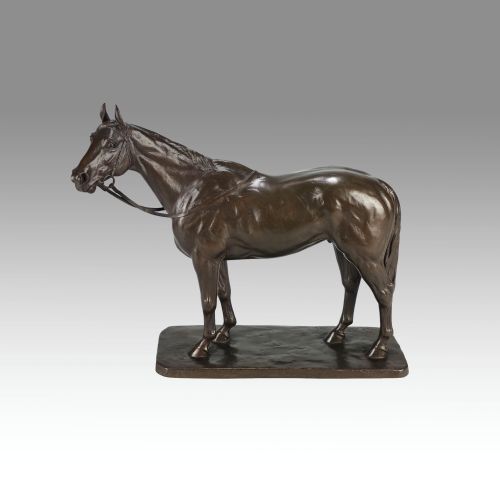
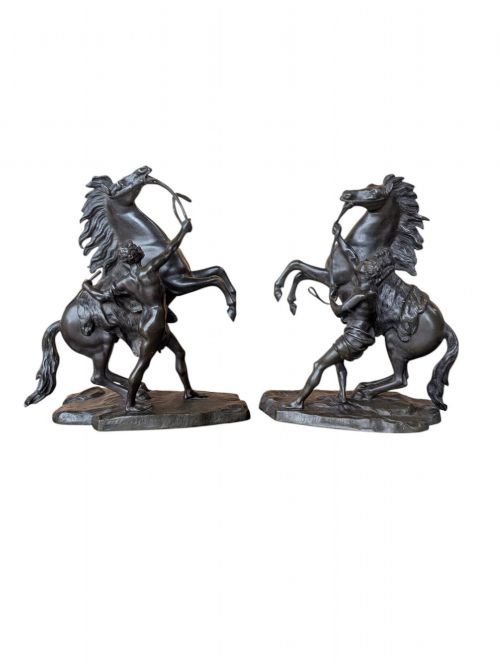
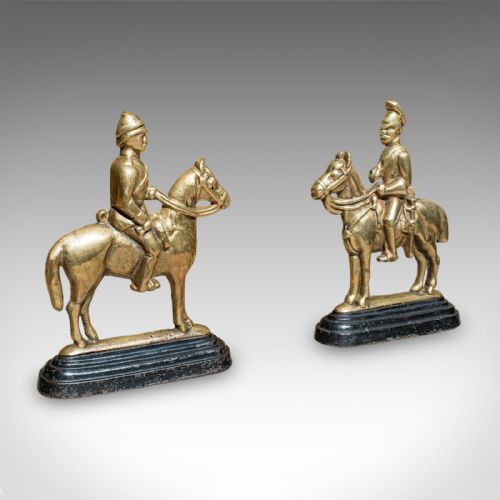
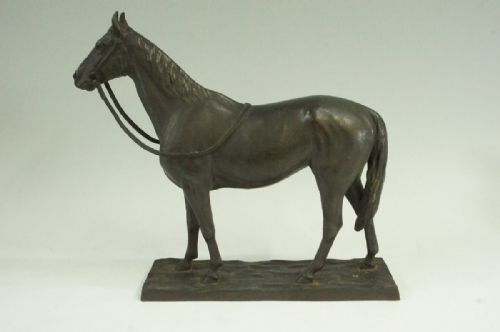
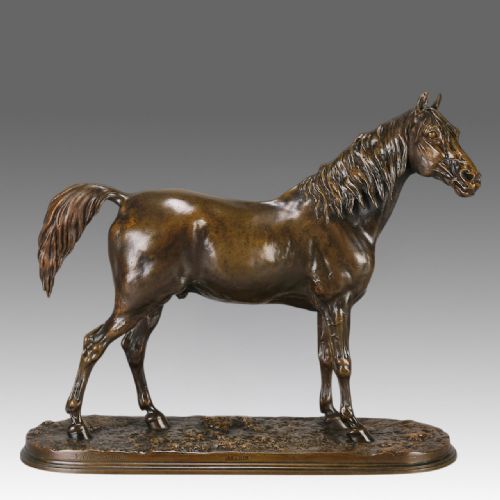
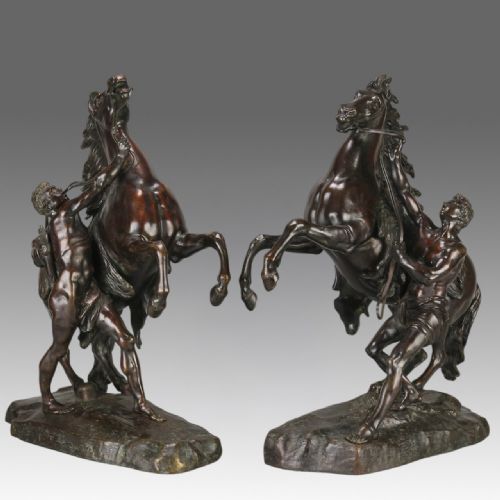
When searching for an antique bronze horse, collectors encounter a diverse array of sculptural forms, functional objects, and decorative pieces produced across multiple centuries. The selection encompasses freestanding sculptures of stallions and racehorses, historical copies of the Marly horses, and equestrian figures depicting jockeys, polo players, and warriors. Buyers also find utilitarian items integrating equine figures, such as desk seals, bookends, inkwells, mantel clocks, and sewing companions.
The objects span periods from the seventeenth century through the Victorian era and into the mid-twentieth century, with nineteenth-century French animalier works and early twentieth-century pieces forming a substantial portion of the available range. European foundry traditions are strongly represented by French, Italian, and Austrian makers, alongside distinct sculptural traditions from Japanese and Chinese makers. These pieces vary widely in scale, from small desk accessories and paperweights to large monumental sculptures mounted on marble or wood plinths.
How they were made
The primary material across these pieces is bronze, utilised both in its natural patinated state and as cold-painted bronze, gilt bronze, or ormolu. Artisans also combined bronze with contrasting structural and decorative elements, mounting figures upon bases of marble, alabaster, wood, or sienna marble. Some functional items incorporate brass, cast iron, or silvered finishes alongside the core bronze elements.
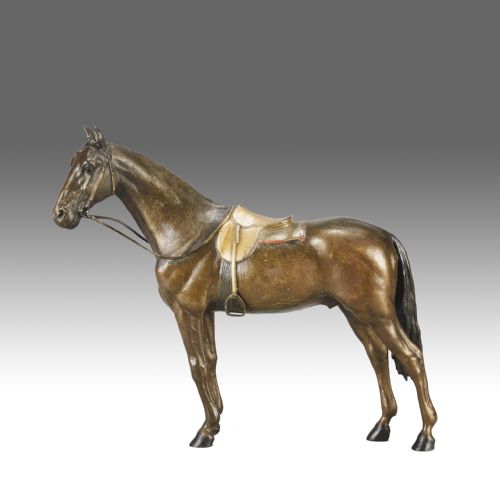
Foundries employed traditional casting techniques to capture fine anatomical details, drapery, and textures in the metal. Cold-painted Austrian bronzes received polychrome paint applied over the metal surface, while French animalier bronzes relied on chemical patination to achieve subtle gradations of brown, green, and black tones on the equine hide.
Even a humble bronze seahorse occasionally sneaks in among the thundering hooves and charging stallions.
What varies in quality
Quality in these sculptures rests upon the fidelity of the casting and the sensitivity of the chasing work performed after the metal cooled. Superior examples display precise anatomical articulation in the musculature, veins, and expression of the horse, whereas lesser pieces exhibit softer definition and blurred surface details. The crispness of the signature or foundry mark and the quality of the surrounding base material further distinguish finer works from standard commercial production.
The nuance of the patination or the precision of the cold-painted surface plays a vital role in the overall success of the piece. Master founders achieved deep, layered patinas that interacted harmoniously with light, while mass-produced or later decorative castings often display flat, uniform coloration lacking depth.
Pierre Jules Mene·Franz Bergman·Kunio Ito·Isidore Jules Bonheur·John Willis Good
The Antique Bronze Horse Glossary
- Animalier
- A nineteenth-century artistic movement and style focusing on the realistic portrayal of animals, particularly horses, lions, and hounds. Sculptors in this tradition studied live animals closely to capture natural movement.
- Cold-painted bronze
- A technique where bronze sculptures are painted with polychrome oil paints after casting and firing at a low temperature. This method was notably utilised by Viennese foundries to create vibrantly coloured figures.
- Patinated bronze
- Metal treated with chemical solutions to produce a specific surface colour or oxide layer. This finish protects the bronze while enhancing its visual depth and highlighting sculptural contours.
- Grand Tour
- A traditional trip through Europe undertaken by upper-class young men in the eighteenth and nineteenth centuries to study classical art and culture. Souvenirs purchased on these journeys frequently included small bronze studies of famous monuments and sculptures.
- Marly Horses
- A famous pair of monumental marble sculptures depicting unruly horses restrained by grooms, originally created by Guillaume Coustou for the Château de Marly. Reduced bronze versions became immensely popular subjects for nineteenth-century decorative casting.
Antique Bronze Horse: Frequently Asked Questions
How do I identify an animalier bronze horse?
Animalier bronzes focus on anatomical realism and dynamic movement, often depicting horses in action such as racing, jumping, or pulling against restraints.
Look for expressive detailing in the musculature and textures, and check the base for artist signatures or foundry marks typical of nineteenth-century European production.
What is a cold painted bronze horse?
A cold painted bronze is a piece decorated with polychrome paint applied directly onto the metal surface without high-temperature firing.
These pieces, frequently associated with Austrian workshops, require careful handling to preserve the delicate paint layers over time.
Were these pieces used as everyday objects?
Many bronze horse figures served dual purposes as decorative art and functional desk accessories, including inkwells, bookends, paperweights, and match strikes.
Others were created purely as sculptural statuary or architectural desk seals intended for display in libraries and studies.
How should I clean an antique bronze horse?
Dust the surface gently with a soft, dry cloth to remove accumulated particles without disturbing the underlying patina.
Avoid chemical polishes or water, as harsh cleaning agents can strip away historical patination and damage cold-painted finishes.