




Antique Bronze Firedogs
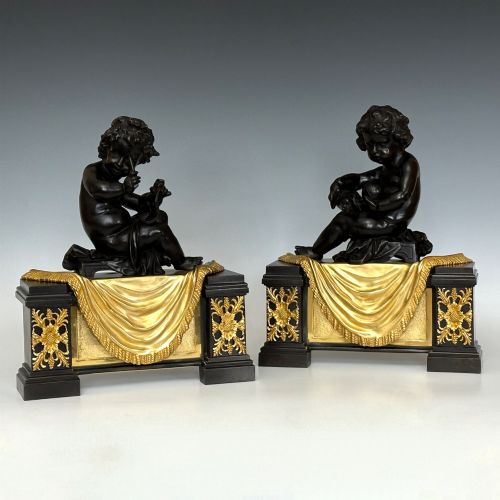
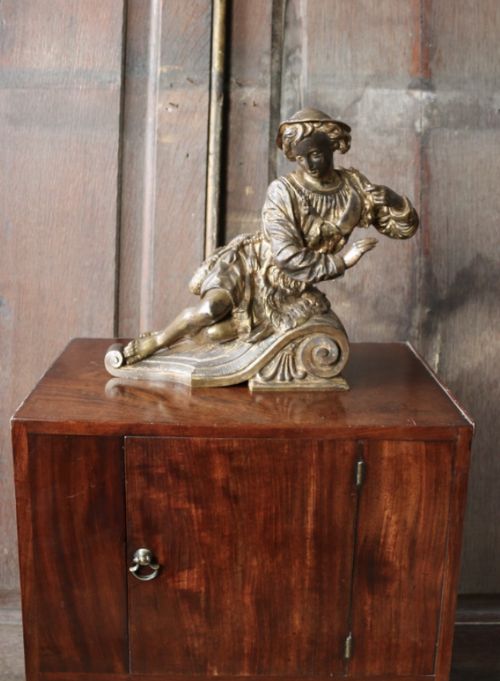
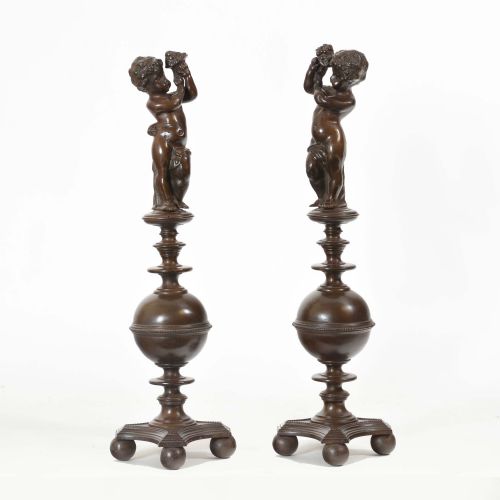
These antique bronze firedogs are hearth furniture built to support logs, appearing here in nineteenth-century French and Italian styles.
Antique Bronze Firedogs
When you search for antique bronze firedogs, you encounter functional hearth furniture designed to hold firewood above the hearth floor. These pieces serve both a practical role in supporting logs and a decorative purpose within the fireplace setting.
How they were made
The construction of these fireplace accessories relies on metal casting techniques using bronze, brass, and iron. Artisans shaped molten metal into structural billets and decorative figures, frequently combining wrought iron frames with cast bronze or ormolu mounts.
Surface finishing involved patination, gilding, and fire-gilding to create contrasting tones of bright ormolu and dark patinated bronze. Steel and brass components were integrated to handle the intense heat of the hearth.
Some pairs double as fire tool rests, keeping the hearth tidy while the fire burns.
What varies in quality
Weight and structural integrity also separate the output, as heavier cast components and secure joints ensure durability under daily hearth use. The richness and preservation of the original ormolu and gilt surfaces further define the better examples.
The Antique Bronze Firedogs Glossary
- Chenet
- An alternative term for a firedog or andiron, frequently used in French contexts. These upright ornaments sit at the front of the hearth.
- Ormolu
- Finely ground high-carat gold applied to a bronze base using a mercury amalgamation technique. This method produces a brilliant, durable golden surface.
- Andiron
- A horizontal support iron fitted with an upright front standard, designed to hold logs in an open fireplace. They are often found in matched pairs.
- Patinated bronze
- Bronze that has been treated chemically to produce a specific surface coloration, typically deep brown or green. This finish protects the metal and highlights sculptural contours.
Antique Bronze Firedogs: Frequently Asked Questions
How do I use them in a modern fireplace?
These pieces stand within the hearth opening to support logs for burning, provided the scale matches your fireplace dimensions. Many buyers simply place them in decorative hearths without burning wood.
Ensure the iron billets and stands are stable on your hearth floor before loading any fuel.
What is the difference between chenets and andirons?
The terms are largely interchangeable, though chenet typically denotes the French ornamental style of firedog. Both types serve the dual purpose of supporting firewood and decorating the hearth.
Traditional andirons often feature longer horizontal bars running back into the fireplace, while decorative chenets focus on the upright front display.
How do I clean patinated bronze safely?
Dust the surfaces gently with a soft, dry cloth to remove soot and surface debris. Avoid harsh commercial metal cleaners that strip away historic patination or delicate gilding.
Professional conservation wax can be applied sparingly if the bronze requires protection against atmospheric moisture.
How do I identify French Rococo revival styles?
French Rococo revival pieces display asymmetrical scrollwork, C-scrolls, and naturalistic shell motifs. These designs draw inspiration from eighteenth-century French decorative arts.
The casting often incorporates exuberant floral elements and figural statuary typical of nineteenth-century interpretations.