
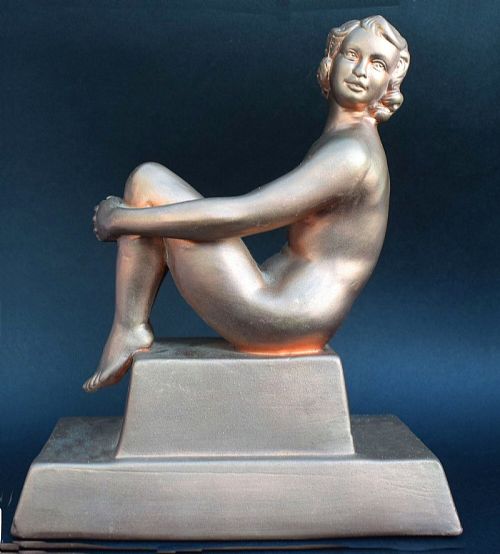


Antique Bronze Desk Object
These antique bronze desk object pieces bring centuries of metalwork into the workspace, offering useful forms and small sculptures crafted for the study or table.
Antique Bronze Desk Object
An antique bronze desk object encompasses small utilitarian and decorative items designed for writing tables and studies, ranging from inkwells and paperweights to brush rests and seals. The selection spans several centuries and cultural traditions, reflecting both European Grand Tour souvenirs and Asian scholar's studio items.
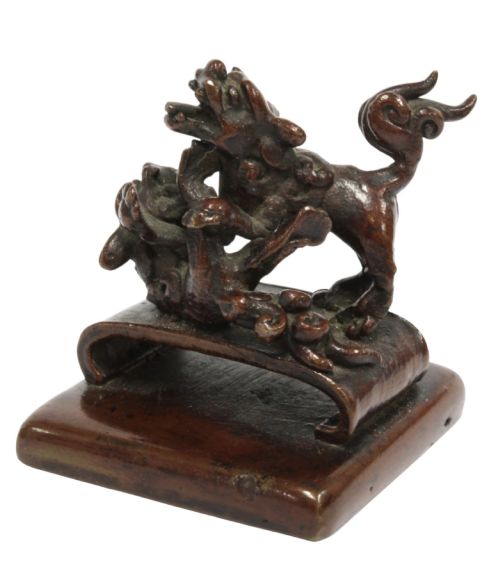
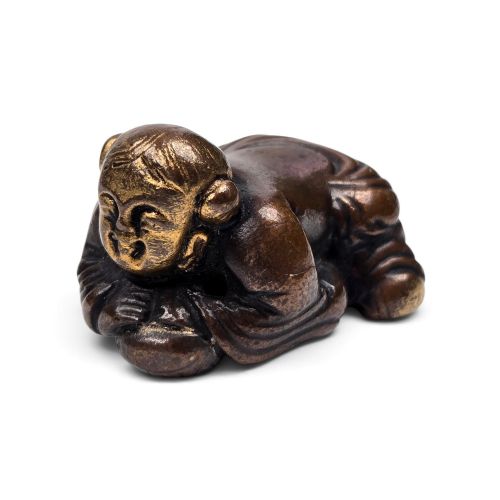
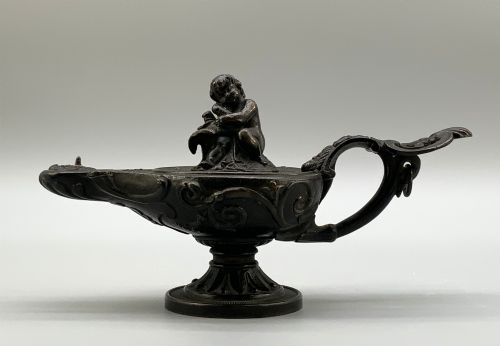
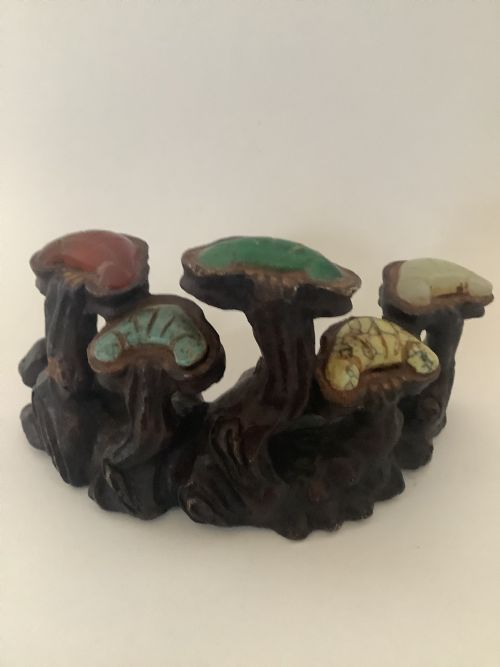
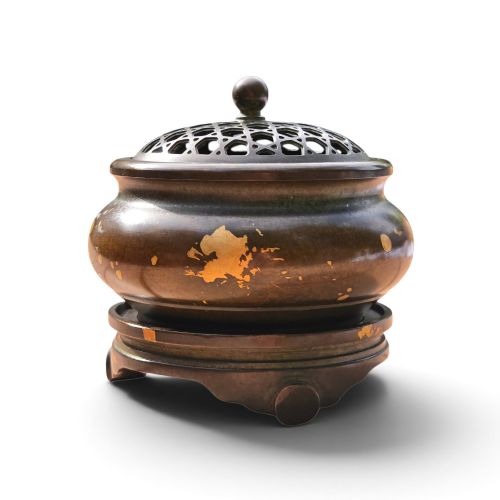
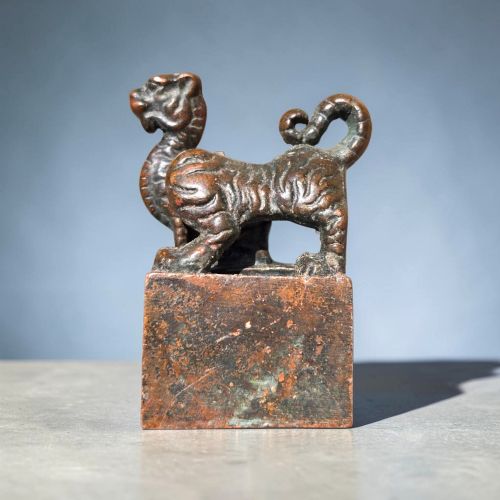
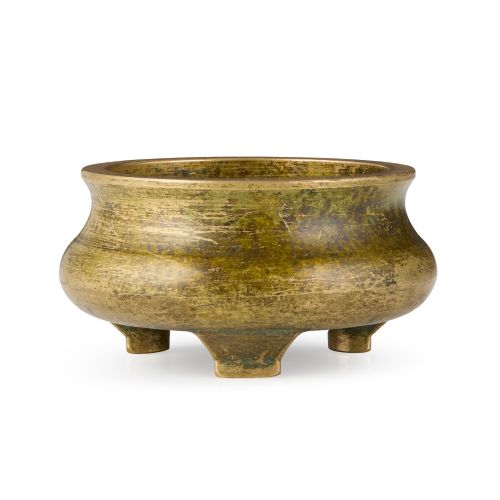
The most common versions met on this page include Chinese bronze scholar's desk items such as censers, seals, and brush rests, alongside European animalier sculptures, novelty paperweights, and neoclassical desk accessories.
Pieces from the nineteenth century frequently draw on earlier historical styles, including French Empire designs and Japanese Meiji period metalwork, while sixteenth to eighteenth-century examples lean towards Chinese scholar's studio pieces.
Materials and construction methods
Makers utilised bronze, copper alloy, and cast metal as the primary structural foundations for these items, often applying patinated surfaces to achieve deep brown or dark green tones. Select pieces incorporate fire-gilding, gold leaf, or gold-splashed finishes that highlight specific decorative details.
Advanced casting techniques allowed for intricate detail, seen in solid-cast animal figures, multi-part scholar's seals, and delicately formed incense burners. Combinations of materials appear regularly, pairing the primary metal with veined marble bases, hardstone elements, or mixed metal accents.
Listings span the sixteenth to the twentieth centuries, featuring Chinese scholar's items, nineteenth-century European animalier figures, and Grand Tour models.
Distinguishing quality across the range
The standard of chasing and finishing separates everyday production from superior examples, visible in the sharpness of cast details, the smoothness of handling surfaces, and the crispness of maker signatures or studio marks. A well-executed patination demonstrates careful chemical application and long-term stability rather than flat, uniform painting.
Integration with secondary materials also indicates higher execution quality, such as tightly fitted marble bases, secure multi-part joins in lidded censers, and balanced weight distribution in functional desk items like paperweights and brush rests.
Ferrand·Antoine Bofill
The Antique Bronze Desk Object Glossary
- Animalier
- A nineteenth-century artistic style and genre focusing on the realistic portrayal of animals, frequently applied to small bronze sculptures and desk figures.
- Scholar's object
- Traditional implements and decorative items used within the Chinese literati studio, including brush pots, rests, seals, and censers.
- Grand Tour
- A traditional trip through Europe undertaken by upper-class individuals in the eighteenth and nineteenth centuries, resulting in the collection of bronze models and antiquities.
- Patinated metal
- Metal treated with chemicals, heat, or burial to produce a decorative surface oxidation layer that alters the original colour.
- Tripod censer
- A small bowl raised on three feet, utilised for burning incense within a study or reception room.
Antique Bronze Desk Object: Frequently Asked Questions
What is a scholar's seal?
A scholar's seal is a carved stamp utilised in traditional Asian studies for signing documents and artworks. These items are frequently cast in bronze and topped with figural animals or mythical creatures.
They served both a practical administrative function and a contemplative role on the scholar's desk, often kept alongside brush rests and incense burners.
How do I identify a Grand Tour bronze?
Grand Tour bronzes typically replicate famous classical architecture, sculptures, or historical monuments encountered by European travellers abroad. They were produced during the eighteenth and nineteenth centuries as portable souvenirs.
These pieces often sit on marble plinths and display a dark, warm patina developed through decades of handling.
What is an animalier bronze?
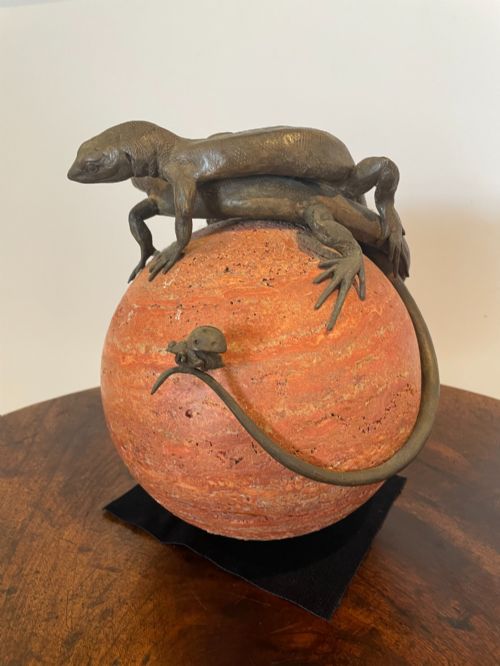
An animalier bronze depicts animals in naturalistic poses, capturing movement and anatomical accuracy without human subjects. This style gained prominence in nineteenth-century France through dedicated workshops.
Desk objects in this category range from reclining frogs and lizards to sphinxes and larger feline figures adapted as paperweights.
How should I clean antique bronze?
Antique bronze relies on its historic surface patination for character and protection. Harsh chemical cleaners or abrasive polishes strip away this valuable outer layer.
Dusting gently with a dry, soft brush or microfiber cloth is generally sufficient to maintain the metal safely over time.