

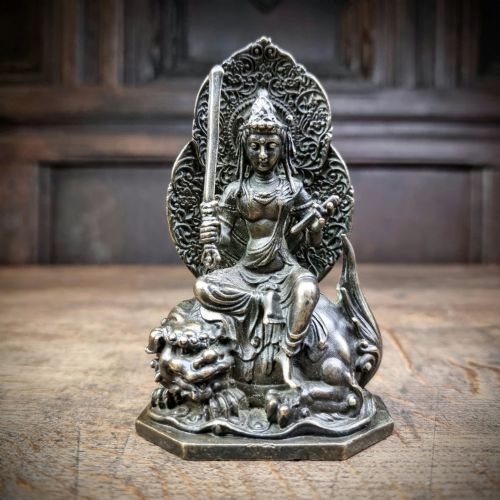


Antique Bronze Deity Figures
These antique bronze deity figures embody centuries of sacred devotion across Asian and European traditions, prized for their intricate craftsmanship and spiritual presence.
Antique Bronze Deity Figures
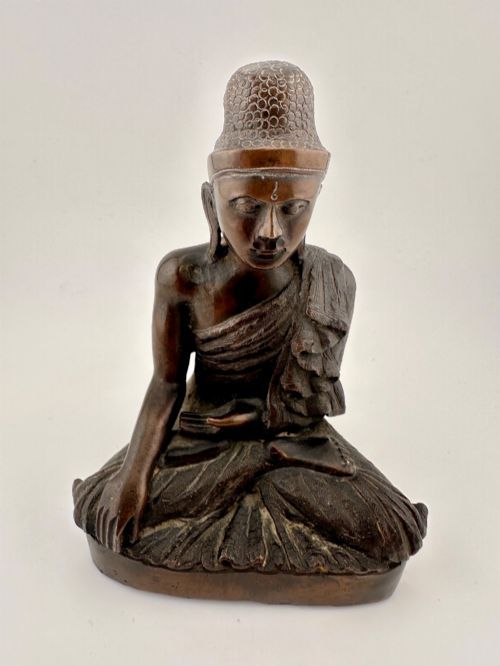
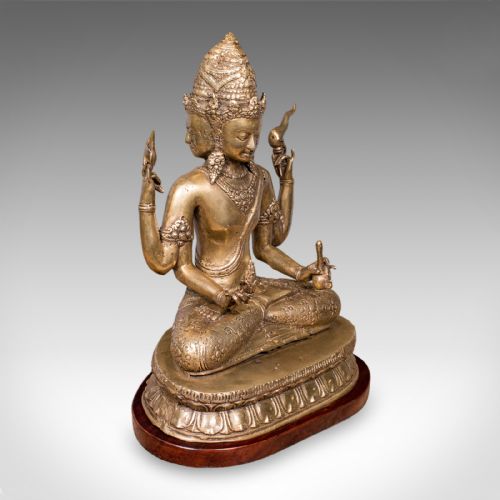
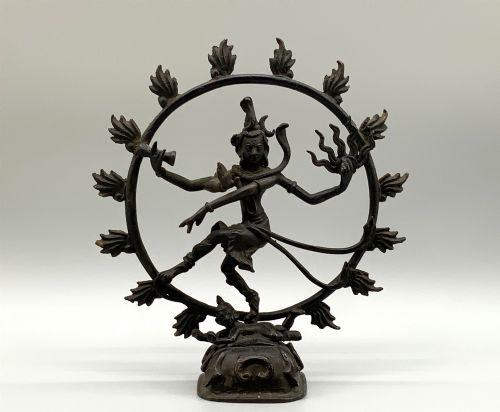
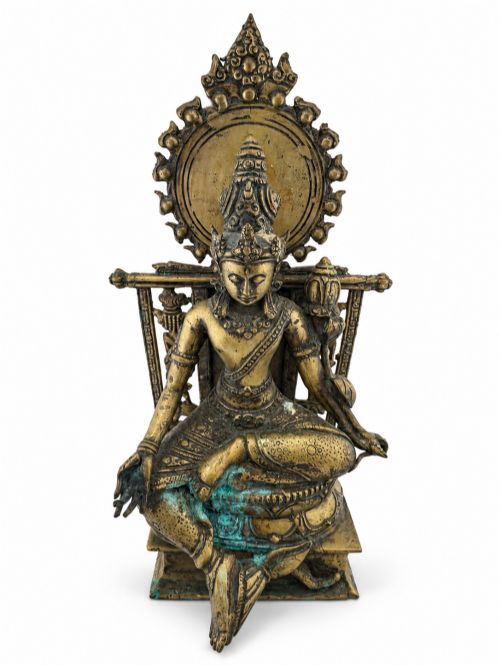
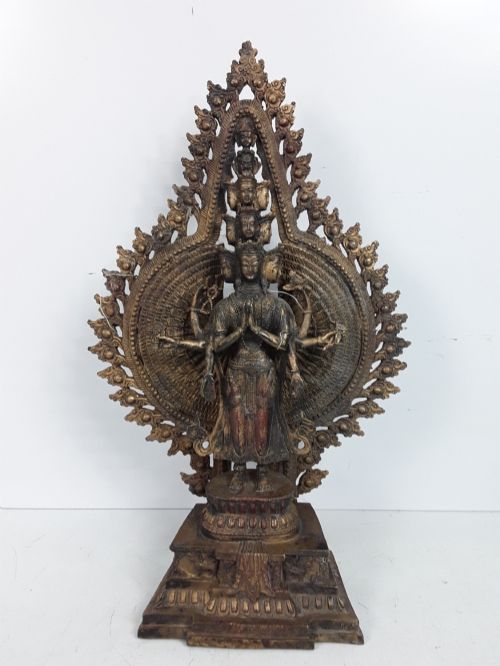
When you examine antique bronze deity figures, you encounter representations of Buddhist, Hindu, Jain and classical mythological figures spanning multiple centuries. The selection ranges from compact shrine statues to substantial temple sculptures originating from Tibet, India, China, Japan, Java and European workshops.
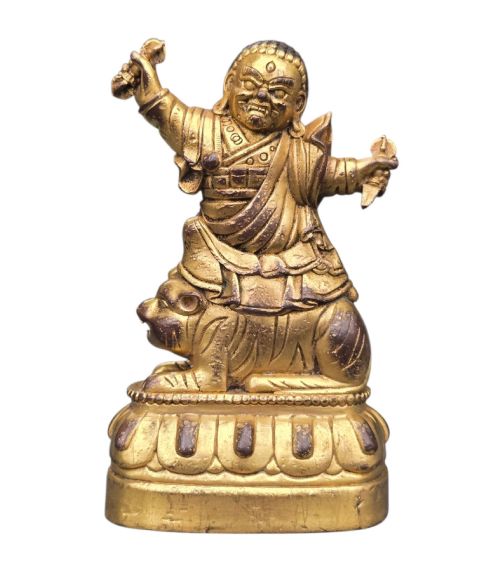
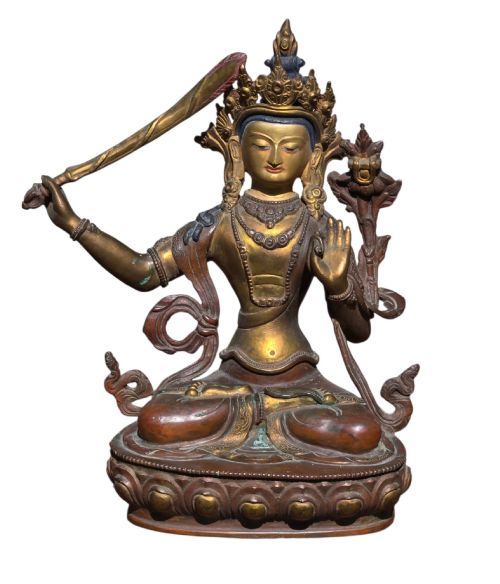
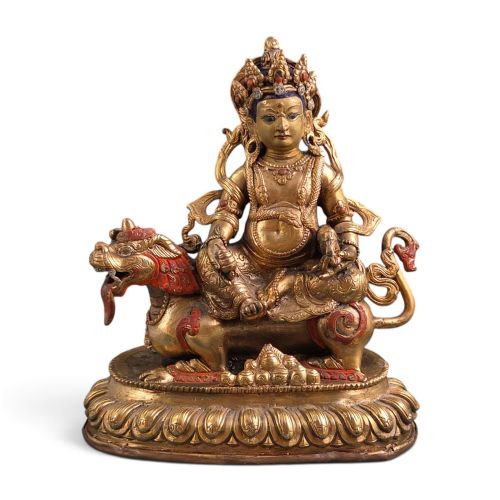
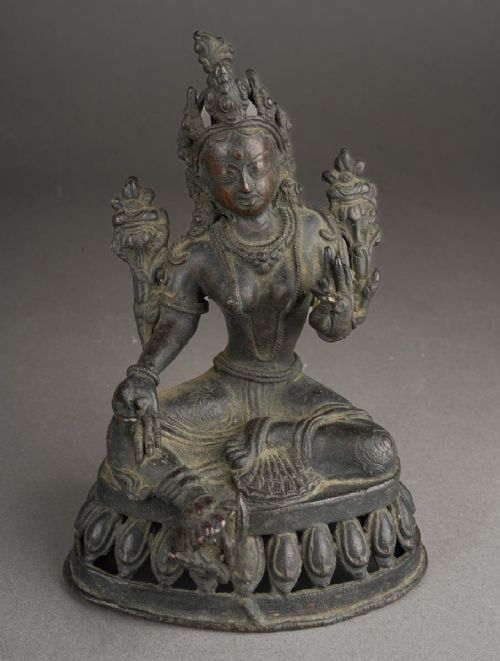
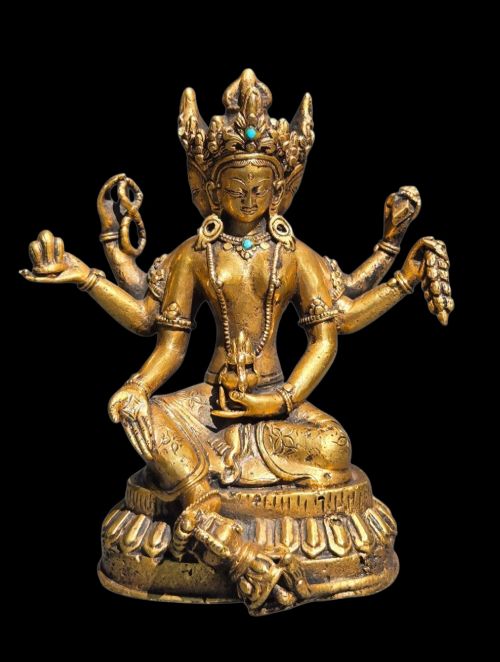
You will frequently meet Tibetan and Sino-Tibetan Buddhist figures, such as Tara, Avalokiteshvara and various manifestations of the Buddha, often cast with distinct regional iconography. Indian Hindu bronzes depicting deities like Shiva, Vishnu and Ganesh appear alongside Southeast Asian examples from Java and Thailand.
The assortment also includes Japanese works, Javanese classical pieces dating back to earlier centuries, and European Grand Tour interpretations of classical deities. These sculptures served devotional, ritual or decorative purposes in their original contexts and now function as collected works of art.
How they were made
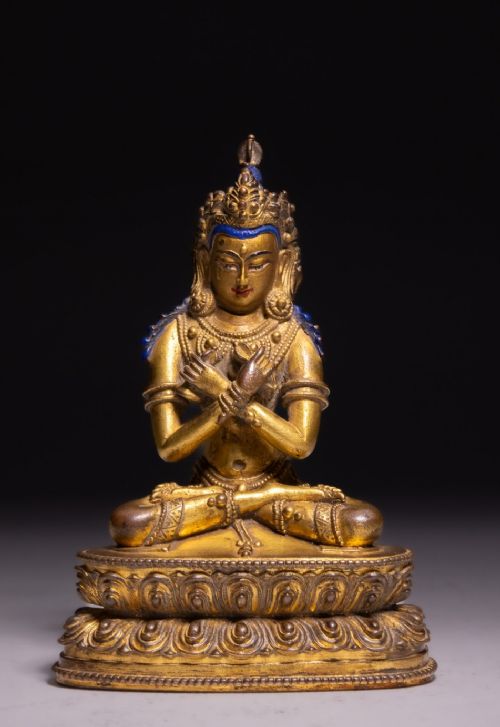
The makers utilised bronze, copper alloy and brass, often applying fire gilding to create a brilliant golden surface finish. Many pieces incorporate surface treatments such as dark patination, traces of original pigment and mineral inlays including turquoise.
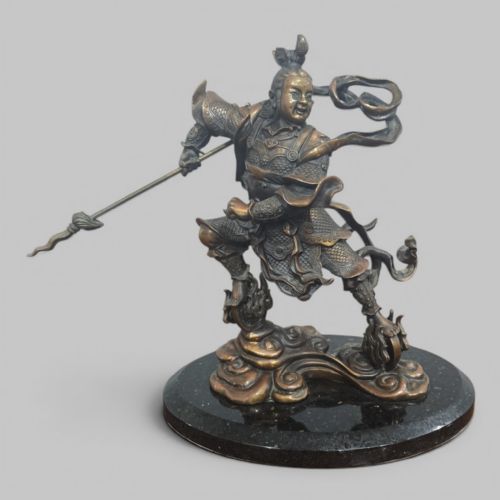
Cast using traditional methods like lost-wax casting, these figures achieve remarkable detail in garments, hair and ornamentation. Accompanying materials like marble occasionally provide bases for the heavier statues.
Antique Bronze Deity Figures Retail Price Guide 2026
Typical asking prices for bronze deity figures among the pieces listed under this phrase on Sellingantiques today, from the lower quarter to the upper quarter. They describe what is for sale here now, not the wider market.
The listings span from pre-sixteenth-century Javanese statuettes to twentieth-century Sino-Tibetan shrine figures.
What varies in quality
The distinction between ordinary and superior antique bronze deity figures lies in the crispness of the casting and the depth of the chased detail. Master craftsmen achieved delicate facial expressions and elaborate drapery that remain sharp even after centuries of handling.
The application of surface embellishments, from the durability of the gilt-bronze layer to the secure setting of mineral inlays, defines the execution standard. Heavier cast weight, harmonious proportions and well-preserved ritual patination further distinguish higher-grade examples.
Unno Shomin
The Antique Bronze Deity Figures Glossary
- Bodhisattva
- An enlightened being who delays nirvana to assist others. These figures are typically depicted with princely ornaments and rich jewellery.
- Gilt bronze
- Metal cast with a layer of gold applied through a mercury amalgamation process. This technique produces a lasting golden lustre.
- Lost-wax casting
- A metalworking method where a molten alloy is poured into a mould created from a wax model. This allows for intricate undercut details.
- Iconography
- The traditional imagery and symbolic visual elements associated with a subject. Understanding these attributes helps identify specific deities.
- Patination
- The natural or artificial surface coloration developed over time through oxidation and handling. It adds visual depth to the metal.
Antique Bronze Deity Figures: Frequently Asked Questions
How were these figures used originally?
In their original contexts, these statues functioned as focal points for private devotion, household shrines and temple worship. Offerings and prayers were directed toward them to invite spiritual protection and merit.
Some larger examples stood within temple complexes as permanent architectural and devotional anchors, while smaller portable pieces travelled with practitioners.
How do I identify the period?
Dating relies on stylistic conventions, casting techniques, regional iconographic shifts and material patination. Earlier pieces often display distinct wear patterns and alloy compositions characteristic of their century of origin.
Consulting stylistic markers of specific dynasties, such as Sino-Tibetan or Javanese classical eras, provides a reliable framework for determining age.
How do I care for bronze statues?
Maintenance involves keeping the metal in a stable environment away from excessive moisture and direct sunlight. Gentle dusting with a soft, dry cloth prevents particulate accumulation.
Avoid using chemical cleaners or abrasive polishes, as these can strip away historic patination and damage delicate gilt or inlaid surfaces.