

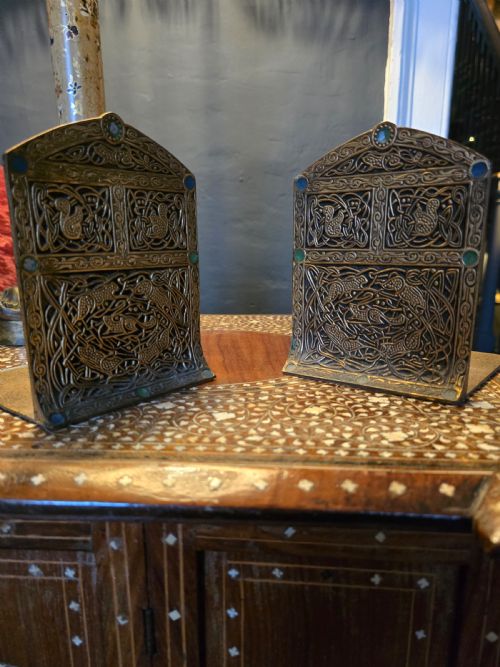
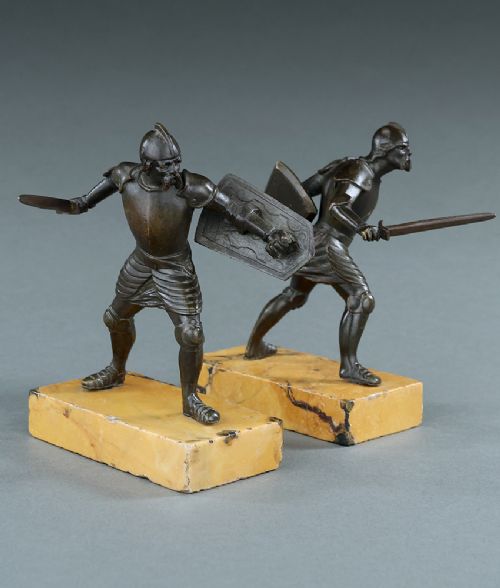
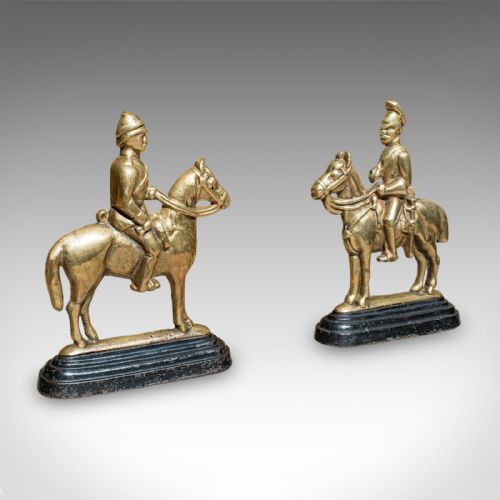
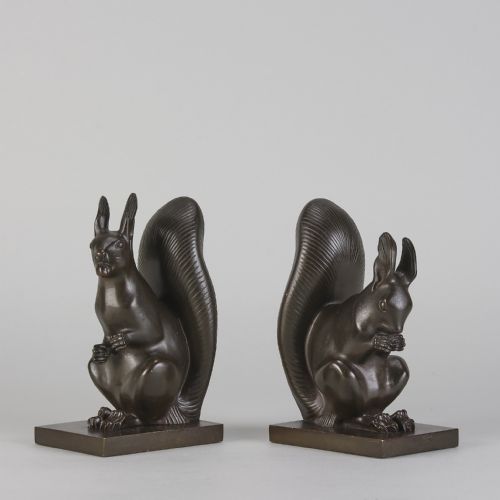


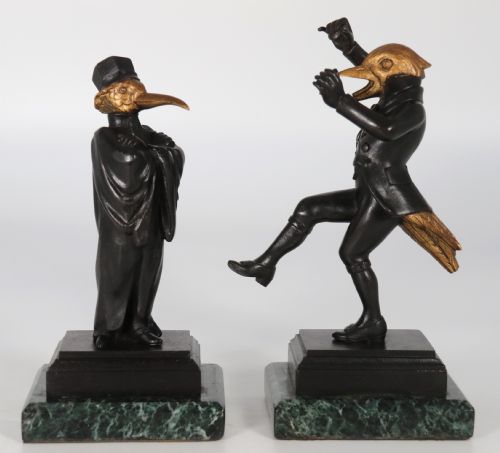
Antique Bronze Bookends
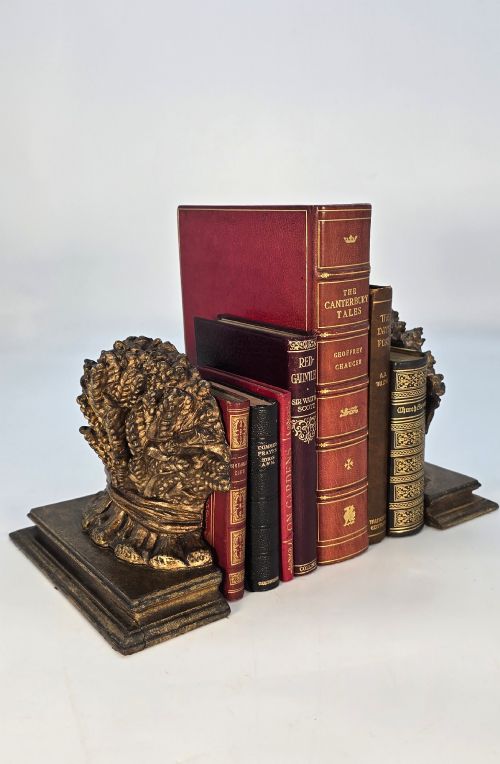
These antique bronze bookends anchor a study shelf with heavy cast metal, patinated surfaces and sculptural weight.
What antique bronze bookends are
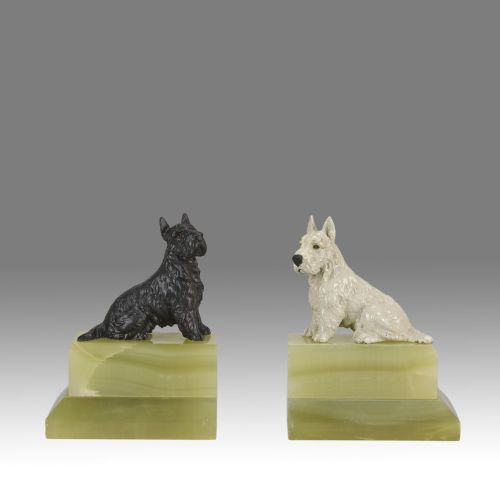
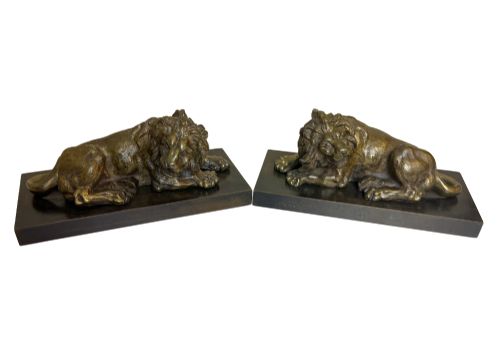
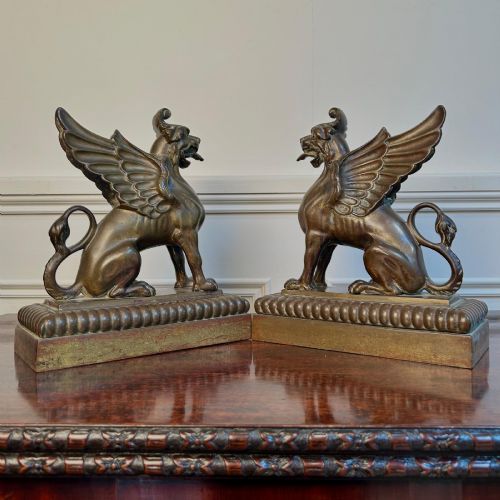
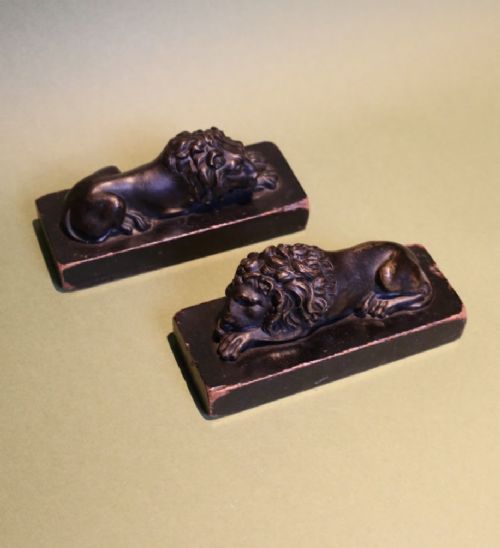
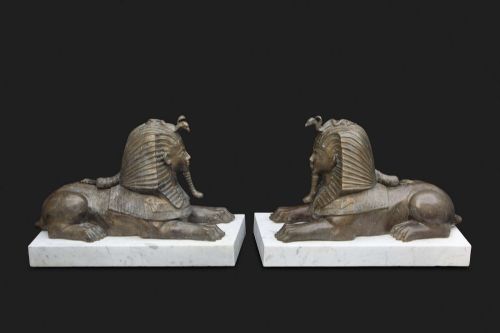
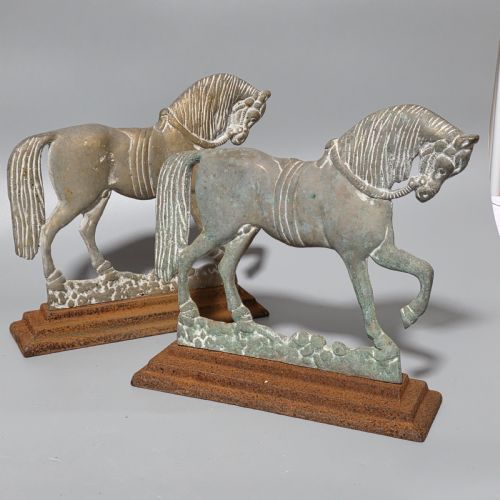
When you search for antique bronze bookends, you encounter sculptural pairs designed to support rows of volumes on a desk or shelf. These pieces range from classical figures and resting lions to sea lions, elephants, deer and bulldogs.
The versions most commonly met on this page span the late nineteenth century, the Edwardian period and the early twentieth century. They combine utility with decorative sculpture, often featuring substantial marble bases alongside the metal castings.
How they were made
These items rely on metal casting techniques to produce durable figures in bronze and spelter bronze. Artisans frequently mounted the heavy metal sculptures onto fitted marble bases to provide the necessary weight for holding upright rows of books.
Surface finish techniques include cold painting applied directly to the metal after casting, creating polychrome effects on subjects such as bulldogs. Patination treatments bring out the deep tones of the bronze across resting lions, elephants and classical subjects.
Retail Price Guide 2026
Typical UK retail prices for bronze bookends, calculated from the Sellingantiques database of over a million retail prices indexed since 2003. This retail price guide relies exclusively on Sellingantiques data; no external sources or auction records are used, so the figures do not describe the wider market.
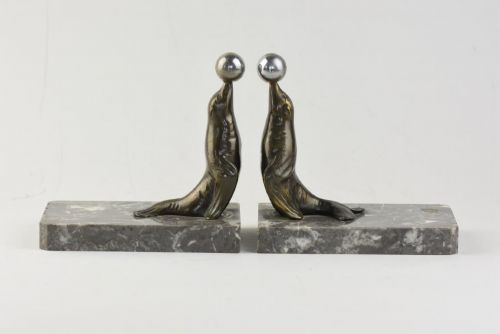
Sea lions take a turn at holding up heavy literature alongside classical cupids and bulldogs.
What varies in quality
Material combination also defines the standard of the piece, particularly the quality and weight of the integrated marble bases. Superior castings display careful chasing and well-preserved cold painted or patinated surfaces that endure across the decades.
K and O·C Omin
The Antique Bronze Bookends Glossary
- Bronze
- A copper alloy traditionally used for durable metal sculptures and heavy decorative objects. It forms a stable patinated surface over time.
- Cold Painted
- A decorative technique where oil or enamel paint is applied to cold metal without subsequent firing. This finish appears on animal figures such as bulldogs.
- Spelter
- A zinc alloy utilised as an alternative to bronze for ornamental castings. It offers a lighter, more economical medium for figural bookends.
- Patina
- The surface sheen and coloration developed through age and handling on bronze. It provides a visual indicator of authenticity and long exposure to the air.
Frequently Asked Questions
What periods do these bookends represent?
The listings span the late nineteenth century through to the Edwardian era and the early twentieth century. This covers periods like eighteen-eighty and nineteen-twenty.
Designs reflect Victorian taste, neoclassical revival styles and early twentieth-century animalier subjects.
How heavy are these bookends?
These pieces use heavy cast bronze and spelter to provide the necessary weight for supporting volumes. Many examples incorporate dense marble bases to increase stability.
This substantial mass keeps large rows of books secure on a shelf.
What subjects appear most often?
Animal subjects dominate the selection, including resting lions, sea lions, elephants, deer and bulldogs. Classical figures and cupid sculptures also feature prominently among the pairs.
These motifs served both decorative and utilitarian purposes in period studies and libraries.
How do I identify cold painted finishes?
Cold painting involves the application of non-fired pigments directly onto the cast metal surface. This technique produces detailed polychrome coats on figurative subjects.
Careful handling preserves these delicate surface colours over time.