





Bronze Lion Statues
Bronze lion statues bring weight and authority to a room, ranging from grand tour souvenirs to temple guardians cast across the nineteenth century.
Bronze Lion Statues
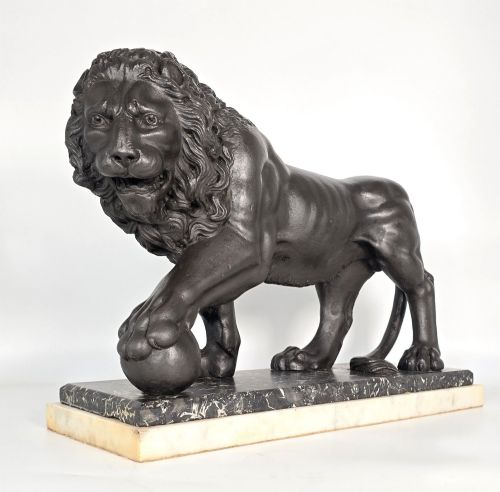
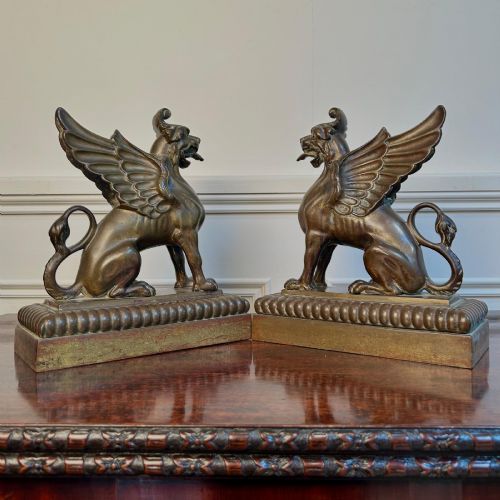
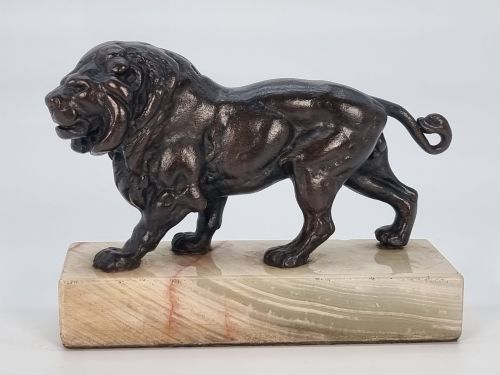
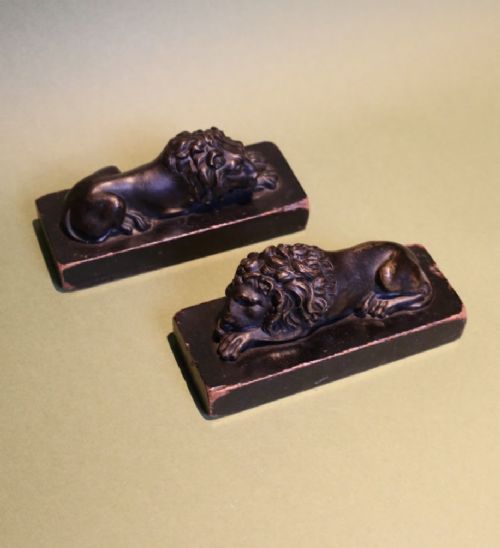
Bronze lion statues encompass figures, pairs, and functional pieces like inkstands produced across the nineteenth century and into the early twentieth century. These sculptures draw heavily on classical archetypes, notably the Medici and Canova models originating in Italy, alongside French animalier studies and Asian temple figures.
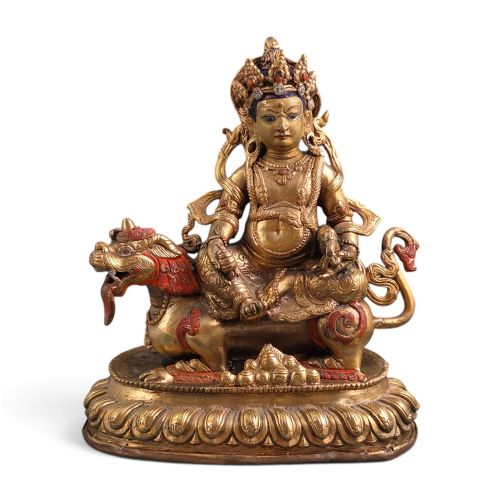
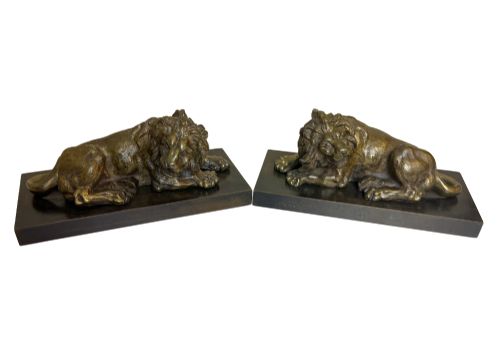
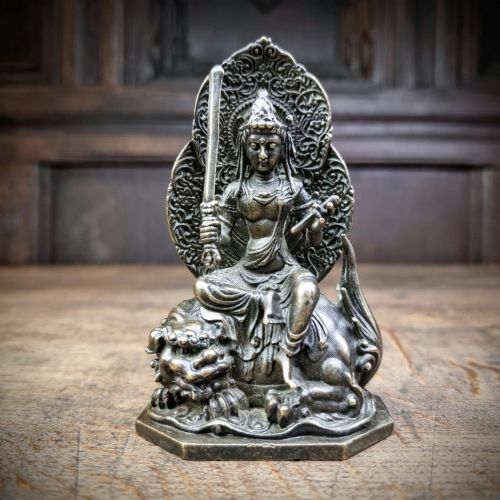
Buyers will most frequently encounter pairs of resting or seated lions, often mounted on marble or onyx plinths, reflecting the grand tour taste of the period. Alongside European neoclassical interpretations, listings include Sino-Tibetan and Burmese temple lions, sometimes referred to as foo dogs, cast in bronze and gilt bronze.
The scale of these works varies widely from small cabinet pieces to large temple figures weighing many kilograms. Whether cast as roaring predators or dignified guardians, the form demands careful attention to anatomical detail and casting quality.
Materials and Casting Methods
The primary material is copper alloy, commonly identified as bronze, alongside gilt bronze and brass, sometimes enhanced with cold-painted pigments or patinated metal finishes. Many European animalier bronzes rely on specialised foundry work to capture muscular tension and fur texture, utilising patination to create depth of tone.
Asian temple lions and figures incorporate gilt bronze and detailed chasing, reflecting distinct regional casting traditions from Tibet, Japan, and Burma. Bases often utilise contrasting natural materials such as marble, onyx, or stone plinths to support the weight of the cast metal.
Surface treatment ranges from dark brown chemical patination to bright gilding and applied paint, preserving the underlying metal while defining the contours of the subject. The finish often indicates the geographical origin and period style of the sculpture.
Some nineteenth-century bronze lions double as inkstands, ensuring that even correspondence carried a hint of neoclassical menace.
Evaluating Quality and Execution
The relationship between the bronze subject and its base dictates the integrity of the piece, particularly where marble or onyx plinths are integrated into the design. Heavy, well-balanced casts demonstrate superior foundry oversight compared to lighter, hollow alternatives lacking anatomical conviction.
Paul-Édouard Delabrièrre·Unno Shomin·G. Gardet·Louis Riche·Al Barye
The Bronze Lion Statues Glossary
- Animalier
- A nineteenth-century artistic movement focusing on the realistic depiction of animals, particularly predators in motion or repose. This style produced some of the most anatomically precise bronze sculptures of the era.
- Grand Tour
- A cultural journey undertaken by wealthy Europeans to classical sites in Italy, returning with souvenirs such as reduced bronze models of famous sculptures. These small bronzes often replicated iconic Roman and Venetian monuments.
- Medici Lion
- One of a pair of marble lion sculptures, one original Roman and the second a sixteenth-century pendant, housed in the Loggia dei Lanzi in Florence. Numerous nineteenth-century bronze casts replicate these specific guardians.
- Patination
- The chemical or natural coloration applied to the surface of bronze to alter its tone and protect the metal. A well-preserved patina enhances the sculptural depth of the piece.
- Okimono
- A Japanese term for a decorative object or standalone sculpture designed for display. These metal and iron works demonstrate exceptional metallurgical skill.
Bronze Lion Statues: Frequently Asked Questions
What is an animalier bronze?
An animalier bronze is a nineteenth-century sculpture focused on realistic representations of animals, often capturing dynamic movement or naturalistic poses. These works were produced by specialised sculptors and foundries across Europe.
The style prioritises anatomical accuracy and textural detail in the fur and muscle structure of the subject.
How do I identify a grand tour lion?
Grand tour bronzes are typically smaller scale reductions of famous classical monuments, such as the Medici lions in Florence or the Canova lions. They were acquired by travellers visiting Italy during the nineteenth century.
These pieces frequently feature dedicated marble or onyx plinths to serve as cabinet or desk ornaments.
Where were temple lions made?
Temple lions, sometimes called foo dogs or guardian lions, originate from Asian traditions including Sino-Tibetan, Burmese, and Japanese metalwork. They were cast to guard sacred spaces and doorways.
These sculptures often feature gilt bronze surfaces and intricate ceremonial ornamentation distinct from European animalier styles.