





Cast Bronze Bookends
Cast bronze bookends are heavy, characterful library weights shaped by the Victorian and Art Deco eras, prized for anchoring shelves with solid metal presence.
Cast Bronze Bookends
When you search for cast bronze bookends, you encounter heavy functional sculptures designed to support rows of volumes on open shelves. These pieces frequently double as figurative sculptures and doorstops, reflecting the versatile metalwork of the nineteenth and early twentieth centuries.
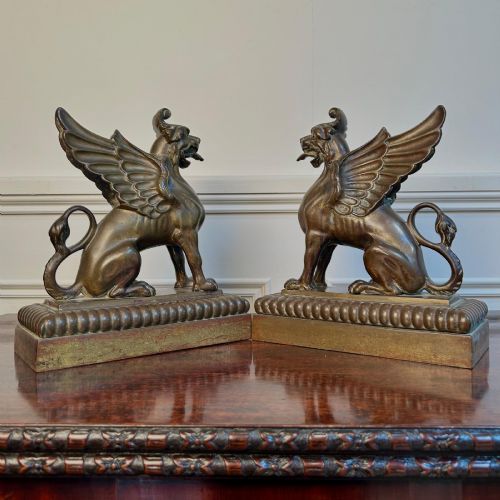
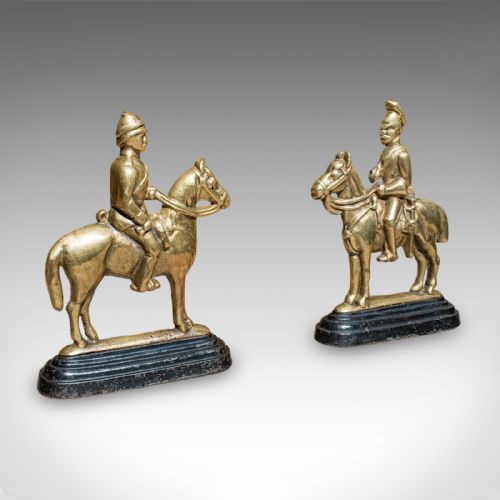
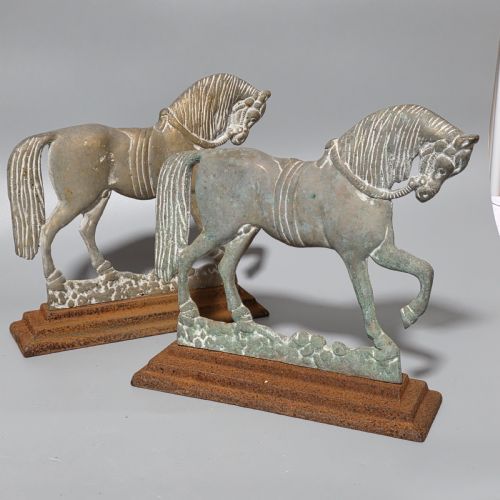
The versions most commonly met on this page date from the Victorian period through the early twentieth century, spanning 1890 to the 1920s. They take diverse forms, including classical lions, griffins, squirrels, sea lions, bulldogs, elephants, horses, and historical figures like William Shakespeare.
Stylistically, these objects draw on Neoclassical, Victorian Gothic Revival, Grand Tour, and Art Deco traditions. Their origins range from English workshops to Austrian foundries, incorporating mounted stone bases and patinated metal surfaces.
How they were made
These pieces rely primarily on traditional metal casting techniques, utilising bronze, brass, and cast iron poured into moulds to achieve solid, weighty forms. Many examples receive a patinated metal surface or cold painted details to add depth and naturalistic colour to the figures.
Certain pairs incorporate contrasting natural materials such as marble and wood for the mounting bases, providing structural stability and visual balance. The combination of heavy cast metal and dense stone or timber ensures the objects remain stable under the weight of heavy books.
Cast Bronze Bookends Retail Price Guide 2026
Typical asking prices for cast bronze bookends among the pieces listed under this phrase on Sellingantiques today, from the lower quarter to the upper quarter. They describe what is for sale here now, not the wider market.
Listings feature periods spanning from the Victorian era and the 1890s through to the 1920s.
What varies in quality
Surface finishing marks the difference between standard production and superior work. Hand-applied patination, careful cold painting, and high-grade patinated metal elevate the visual depth of the animal or figural subjects.
Franz Gruber·C Omin
The Cast Bronze Bookends Glossary
- Cast bronze
- An alloy of copper and tin poured into a mould to create durable, detailed three-dimensional objects. This material provides the substantial weight necessary for holding upright rows of books.
- Patinated metal
- A chemically induced or naturally aged surface colour on metalwork. It gives the bronze or brass a deeper, weathered tone that accentuates the contours of the casting.
- Cold painted
- A decorative technique where paint is applied to metal without subsequent high-temperature firing. This method preserves delicate polychrome details on figures like animals or literary subjects.
- Grand Tour
- A cultural tradition of travel through continental Europe that inspired souvenir sculptures and architectural models. These miniature figures often found a second life as heavy library ornaments.
- Victorian Gothic Revival
- A nineteenth-century design movement inspired by medieval architecture and ornamentation. It imparts severe, historicist character to domestic metalwork and desk accessories.
Cast Bronze Bookends: Frequently Asked Questions
How were they used?
These pieces served on library desks, sideboards, and open bookshelves to anchor heavy volumes in place. Their substantial metal weight prevented books from sliding or tipping over.
Beyond simple shelf utility, they functioned as decorative desk ornaments and miniature sculptures reflecting the personal tastes of their owners.
How do I live with them?
Living with these objects involves placing them on sturdy shelves or tabletops where their substantial weight can safely anchor your books. They fit naturally into traditional studies, libraries, and eclectic modern interiors alike.
Maintenance requires only gentle dusting with a soft cloth to protect the patinated surface and any cold painted details from unnecessary wear.
How can I tell periods apart?
Distinguishing between periods relies on observing the prevailing artistic styles and manufacturing techniques of each era. Victorian pieces often display ornate Gothic Revival or heavy classical influences, while early twentieth-century examples frequently adopt streamlined Art Deco lines.
Examining the base materials, such as marble mounts or cast iron foundations, also helps align a piece with its production era.