





Heavy Metal Bookends
Heavy metal bookends anchor shelves with substantial weight and presence, offering both functional support and sculptural form.
Heavy Metal Bookends
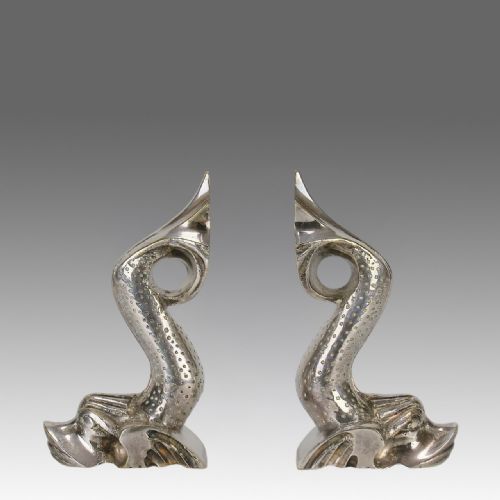
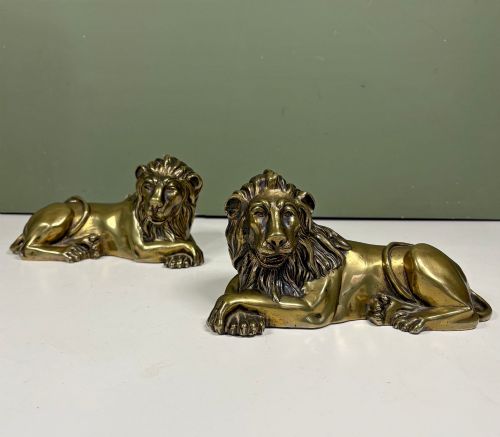
Heavy metal bookends serve to keep volumes upright on shelves while introducing decorative subjects into a room, drawing on forms made across the nineteenth and early twentieth centuries. When searching for heavy metal bookends, buyers encounter solid examples cast in brass, iron, spelter, and bronze, often paired with bases of marble.
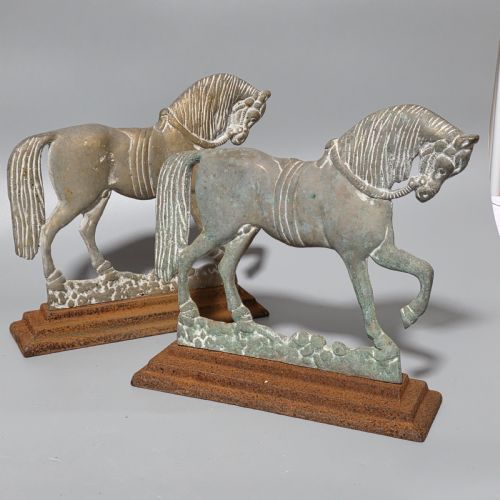
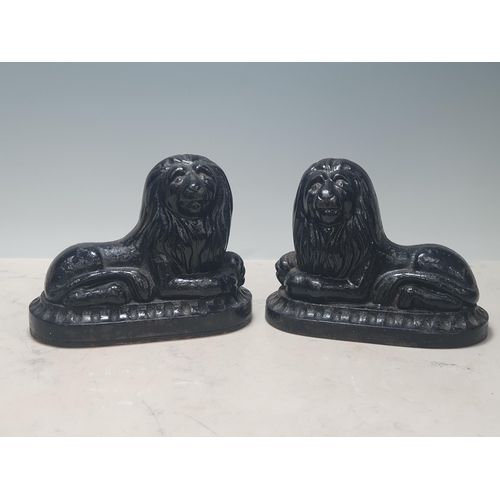
The selections available here span Victorian, Edwardian, and Art Deco periods, encompassing both dedicated bookends and heavy items like doorstops adapted for the shelf. Animal subjects dominate these groupings, featuring lions, owls, sea lions, dogs, and fish rendered in sculptural detail.
How they were made
Foundries produced these pieces using metal casting techniques, pouring molten brass, cast iron, bronze, or spelter into moulds to create defined animal and decorative forms. Many items received surface treatments such as silvering, black paint, or cold painting to add colour and texture to the metal.
Heavier compositions incorporate marble bases to provide the necessary counterweight for supporting rows of books. Makers often combined materials, mounting cast metal sculptures directly onto stone plinths for stability.
Listings span the nineteenth century through the Art Deco period, incorporating brass, cast iron, bronze, and marble.
What varies in quality
Quality rests in the crispness of the casting and the fidelity of the sculptural detail, distinguishing finely rendered animal subjects from softer, more generic productions. Superior examples retain their original surface finishes, whether patinated metal, cold paint, or silvering, rather than later repainting.
The integrity of the construction also separates tiers of production, particularly in how securely the metal figures attach to their marble or metal bases. Weight distribution matters equally, as denser metals and solid mounting ensure the piece functions reliably as a bookend.
F Abella & Sons·C Omin
The Heavy Metal Bookends Glossary
- Spelter
- An alloy of zinc and lead or tin, frequently used as a cost-effective alternative to bronze for decorative sculptures and bookends. It takes patination and paint well but possesses a lighter weight and softer structure.
- Cold painted
- A technique where bronze or metal figures are painted with oil or enamel paints without being fired in a kiln. This finish is delicate and often shows wear on older decorative items.
- Patinated metal
- A surface appearance produced by oxidation or chemical treatment over time, giving the metal rich colouration and depth. It indicates age and handling rather than a fresh factory finish.
- Cast iron
- A strong, heavy iron-carbon alloy poured into moulds to create rigid forms. It provides the substantial mass required for holding heavy volumes in place on a shelf.
Heavy Metal Bookends: Frequently Asked Questions
What materials are used?
These pieces utilise metals including brass, cast iron, bronze, and spelter, occasionally combined with marble for added weight and support.
Surface finishes range from natural patination and silvering to black paint and cold painted details.
How heavy are they?
They are cast with substantial mass, utilising dense metals and stone bases specifically designed to hold rows of books upright.
Due to their weight, some items catalogued as doorstops function equally well as heavy shelf supports.
How do I date them?
Dating relies on stylistic markers from periods such as the Victorian, Edwardian, and Art Deco eras, alongside manufacturing techniques.
Materials like spelter and cold painted bronze point toward specific late nineteenth and early twentieth-century production methods.
Can doorstops be used as bookends?
Yes, many robust items originally cast as doorstops or door porters share the same weight and sculptural form required for heavy shelves.
Their substantial bases provide the necessary stability to support large volumes without tipping.