
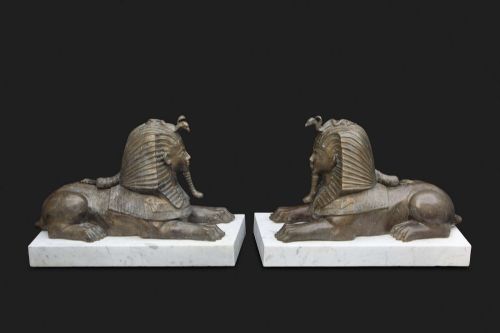


Patinated Bronze Bookends
Patinated bronze bookends are heavy, characterful anchors for your shelves that combine sculptural form with practical weight.
Patinated Bronze Bookends
When you search for patinated bronze bookends, you encounter substantial metal sculptures designed to hold volumes upright on desks and shelves. These pieces often take the form of animals, classical figures, or architectural elements cast in heavy metal.
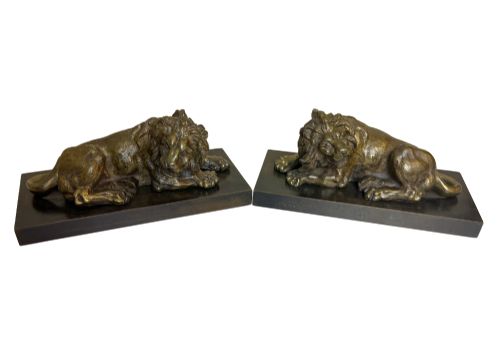
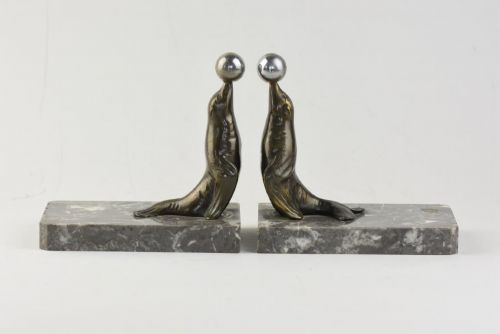
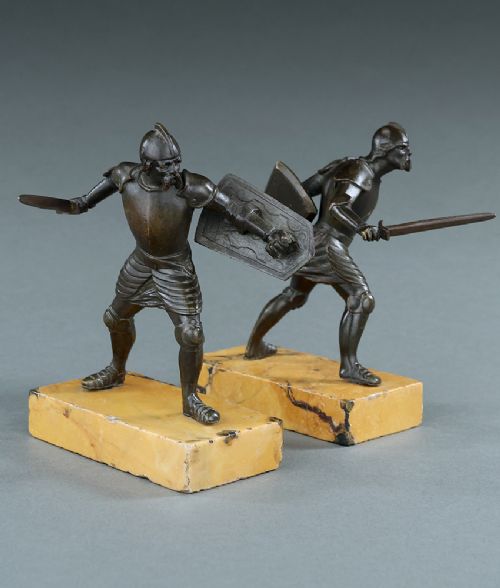
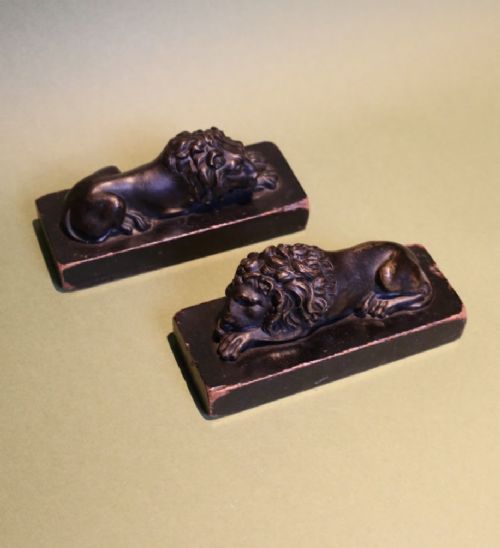
The selections here span from the nineteenth century through the art deco period, incorporating neoclassical, renaissance revival, and egyptian revival designs. You are most likely to meet animal pairs such as lions, dogs, and squirrels, alongside classical figures mounted on stone bases.
Many examples combine the metalwork with contrasting plinths made from marble, such as sienna or carrara, or timber. These combinations reflect the decorative tastes of the victorian era and the subsequent twentieth century movements.
How they were made
The primary material in these pieces is bronze, often complemented by marble or timber bases, alongside related metals like spelter or chrome. Artisans shaped these materials through casting methods to produce detailed figures with considerable heft.
Surface finishes are achieved through patination, which creates darkened or weathered tones on the metal surfaces over time. This chemical or natural treatment enhances the definition of the cast details, from fur textures to architectural motifs.
Listings feature periods ranging from the georgian era through the nineteenth century to art deco and the mid twentieth century.
What varies in quality
The choice of mounting also dictates the calibre of the object, as solid marble plinths and heavier metal gauges provide greater stability and tactile appeal than lighter alternatives. The harmony between the bronze sculpture and its base demonstrates the thoughtfulness of the original design.
K and O
The Patinated Bronze Bookends Glossary
- Patinated
- Treated or aged metal surface showing a specific coloration or weathered appearance. This process protects the bronze while adding depth to the visual texture.
- Spelter
- An alloy of zinc and copper often used as a less expensive substitute for bronze. It mimics the appearance of heavier metals but typically feels lighter.
- Carrara Marble
- A type of white or blue-grey marble quarried in Italy, frequently used for sculptural bases. It provides a dense, cool foundation that contrasts with dark metal.
- Grand Tour
- A cultural journey undertaken by wealthy Europeans to collect art and antiquities. Pieces from this tradition often draw directly from classical sculpture.
- Egyptian Revival
- A nineteenth and twentieth century decorative style inspired by the motifs of ancient Egypt. This aesthetic appears frequently in sphinx sculptures and architectural bookends.
Patinated Bronze Bookends: Frequently Asked Questions
What periods do these bookends cover?
The pieces span from the georgian era through the nineteenth century and into the art deco period of the early twentieth century. This timeline covers diverse revival styles including neoclassical and renaissance motifs.
Different decades brought distinct aesthetic choices, moving from classical animal sculptures to streamlined twentieth century designs.
Are all these items solid bronze?
While many pieces utilise bronze, the selection also includes items made from spelter, patinated metal, and chrome. These metals are frequently paired with marble plinths or timber bases to add weight and contrast.
Checking the material descriptions helps clarify the exact composition of each pair.
How heavy are bronze bookends?
These bookends are cast to provide substantial weight, making them effective at holding rows of heavy books in place. The inclusion of dense stone plinths further increases their overall heft.
This weight is a functional necessity for supporting volumes securely on open shelving.
What styles are most common?
Animal subjects appear frequently, including lions, dogs, rams, and squirrels rendered in classical or art deco styles. Architectural and mythological themes, such as sphinxes and winged figures, also recur across the selection.
These designs reflect the dominant decorative tastes of their respective periods.