



Desk Book Supports
These desk book supports hold volumes upright on a shelf or tabletop while adding character to a room through varied sculptural forms.
Desk Book Supports
Desk book supports encompass heavy pairs designed to keep rows of volumes orderly, appearing predominantly as figural bookends alongside occasional whatnots. Buyers encounter pieces spanning from the Regency period through the nineteenth century and into the early twentieth century.
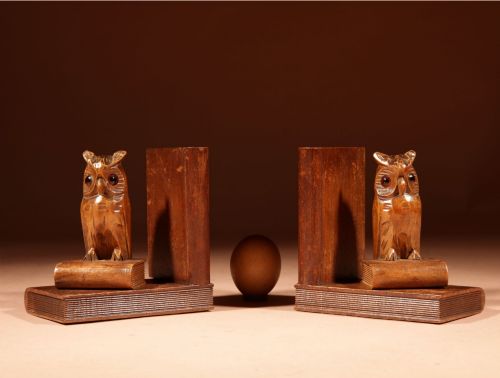
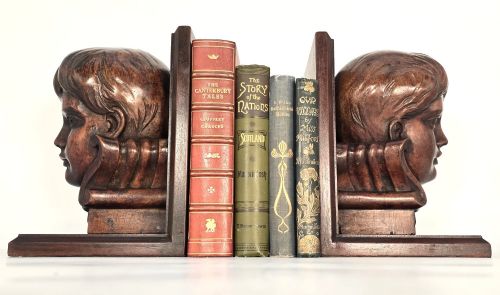
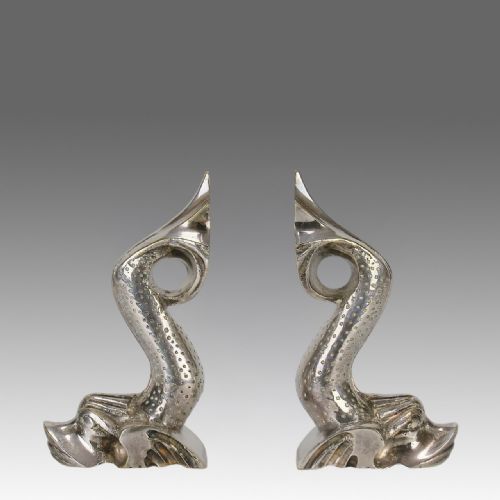
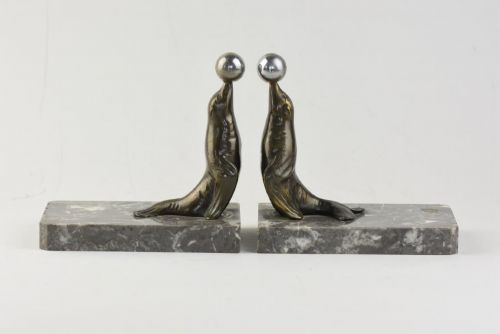
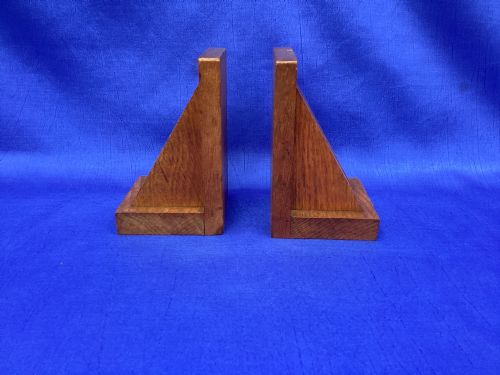
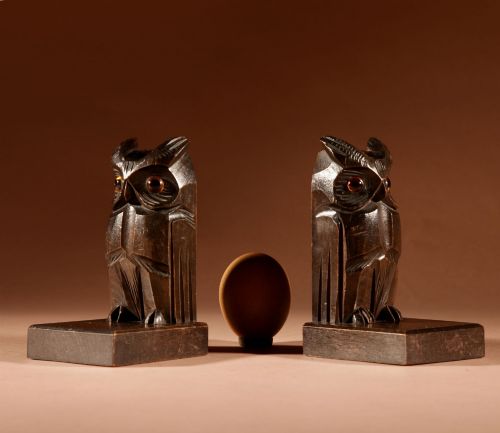
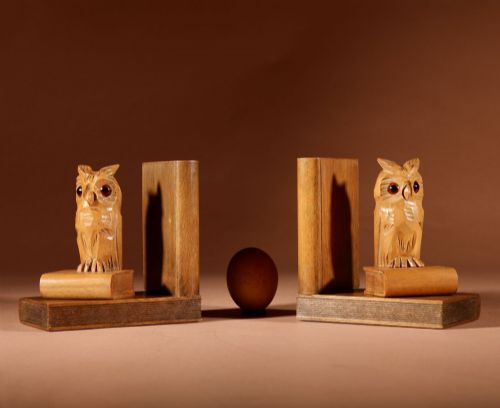
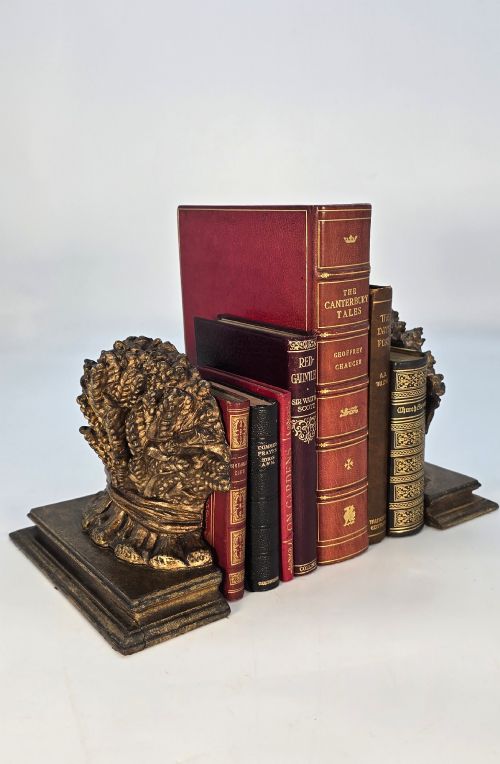
The selection ranges from carved Black Forest animals and Gothic Revival library timber to sleek Art Deco metalwork and cold painted bronze figures. These accessories reflect the decorative tastes of their respective eras, moving from stately wood and brass to playful animal studies and modernist metal forms.
Materials and Craftsmanship
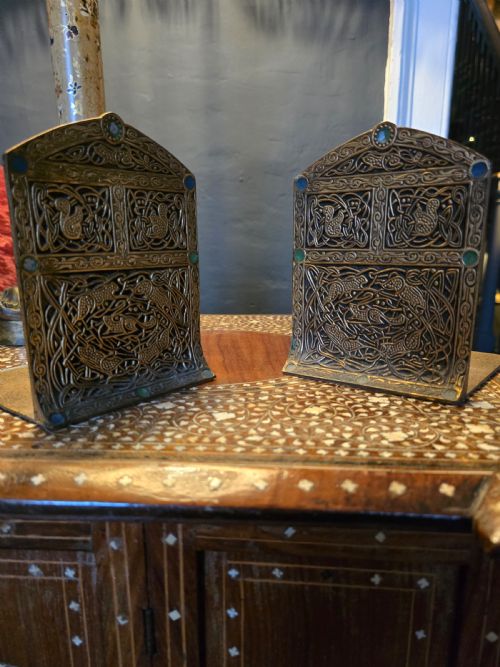
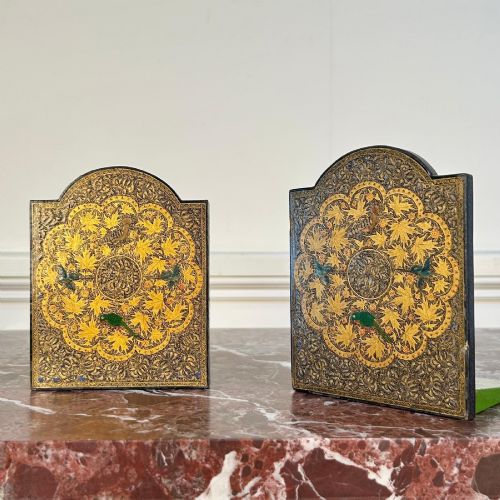
Craftsmen utilised a wide variety of materials including marble, bronze, glass, linden wood, oak, brass, spelter, and alabaster. Natural timbers underwent detailed hand carving, particularly in Black Forest and Anglo-Indian workshops.
Metal pieces utilised casting techniques in bronze, brass, and spelter, often finishing surfaces with silvering or cold painting. Artisans combined stone bases with metal figures to provide the necessary weight for holding volumes firmly in place.
Desk Book Supports Retail Price Guide 2026
Typical asking prices for desk book supports among the pieces listed under this phrase on Sellingantiques today, from the lower quarter to the upper quarter. They describe what is for sale here now, not the wider market.
Materials represented across the inventory include marble, bronze, glass, linden wood, oak, brass, and spelter.
Assessing Quality
Quality rests upon the crispness of the carving in wood pieces and the definition of the casting in metal examples. Superior items display careful attention to anatomical detail in animal and human figures rather than simplified mass production.
The choice of base materials also distinguishes the range, with solid hardwoods, heavy bronzes, and genuine alabaster or marble providing superior stability and tactile presence compared to lighter alloys and softwoods.
F Abella & Sons·Franz Gruber·C Omin·Thornton Smith Co.·Herzig
The Desk Book Supports Glossary
- Cold painted bronze
- A method of decorating bronze sculptures with non-heat-set paint applied over a metallic base. This finish requires careful handling to preserve the original pigment.
- Spelter
- A zinc alloy commonly utilised as a less expensive alternative to bronze for figural castings. It often received bronze-tone or polychrome finishes to mimic more costly metals.
- Black Forest carving
- Woodwork originating from central Europe, noted for realistic representations of local fauna such as bears and owls. These pieces were hand-carved from linden wood and other regional timbers.
- Whatnot
- A piece of open shelving designed for displaying ornaments or holding books within easy reach. They appear alongside dedicated bookends in period interiors.
Desk Book Supports: Frequently Asked Questions
What materials are desk book supports made from?
These supports utilise a diverse range of materials including cast bronze, brass, spelter, and carved woods such as oak and linden.
Combinations of stone bases like alabaster and marble appear frequently alongside metal or wooden sculptural elements.
How do I date a pair of book supports?
Dating relies on stylistic indicators such as the geometric lines of Art Deco pieces or the ornate detailing of Victorian Gothic Revival examples.
Material choices and signatures from known makers also help anchor pieces within specific decades like the nineteen-twenties or thirties.
Were these items used only for books?
While primarily manufactured to keep volumes upright on desks and tables, some designs doubled as letter stands.
Their heavy bases made them suitable for organising correspondence as well as small reference libraries.
How should I care for antique metal supports?
Metal surfaces benefit from gentle dusting with a soft dry cloth to prevent the accumulation of grime.
Harsh cleaning agents should be avoided, particularly on cold painted or silvered finishes which are sensitive to abrasion.