




Antique Breakfast Tableware
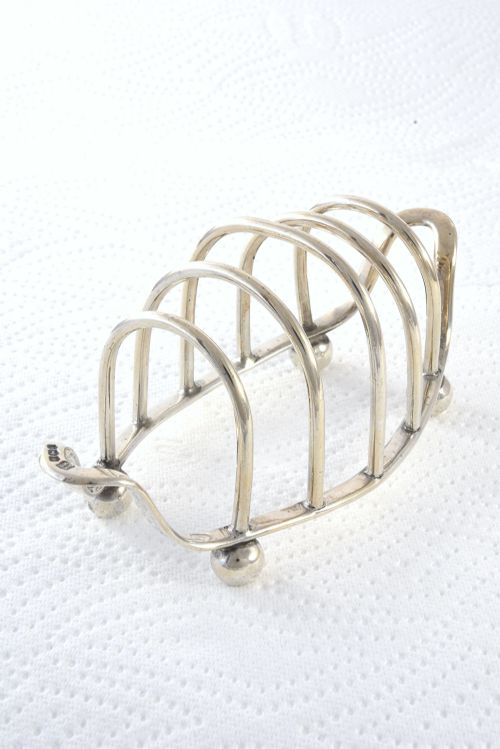
Antique breakfast tableware spans silver toast racks and egg cruet sets designed to organise the morning meal with practical elegance.
Antique Breakfast Tableware
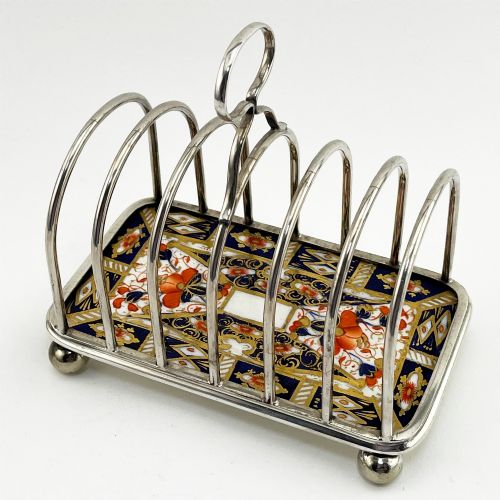
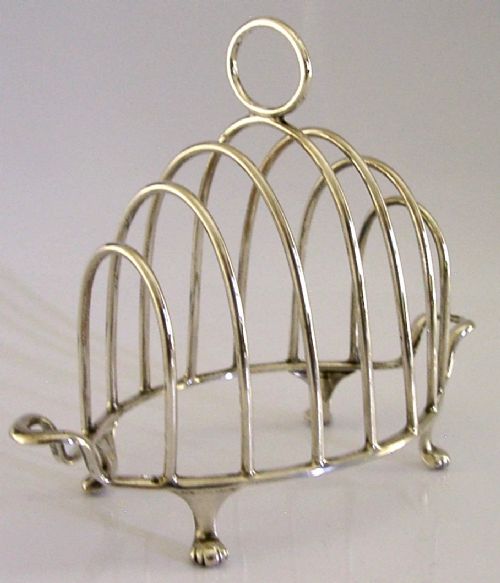
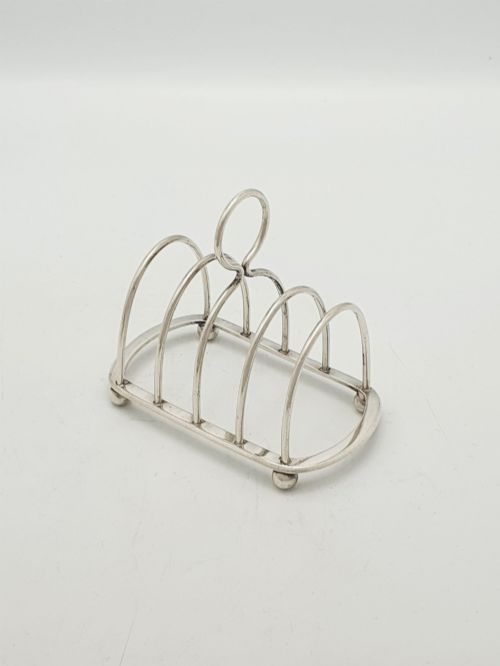
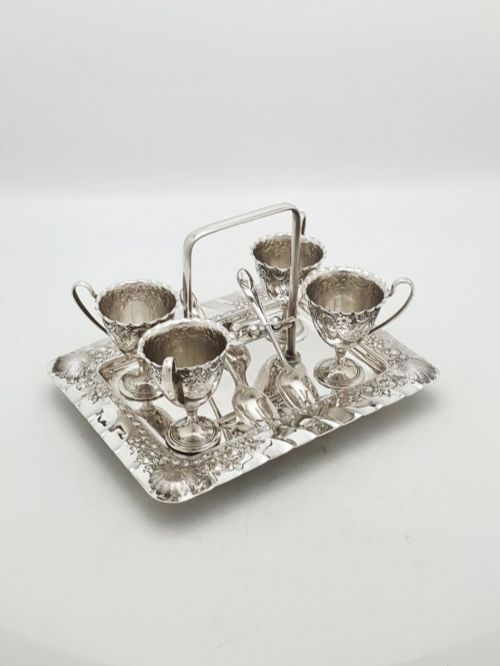
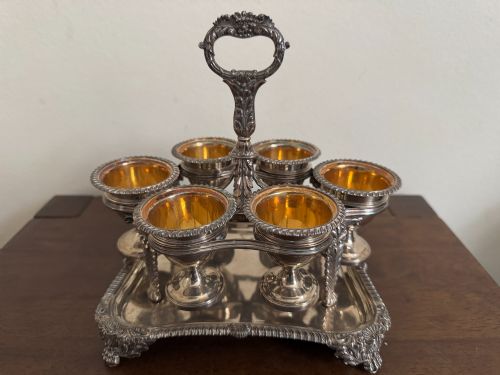
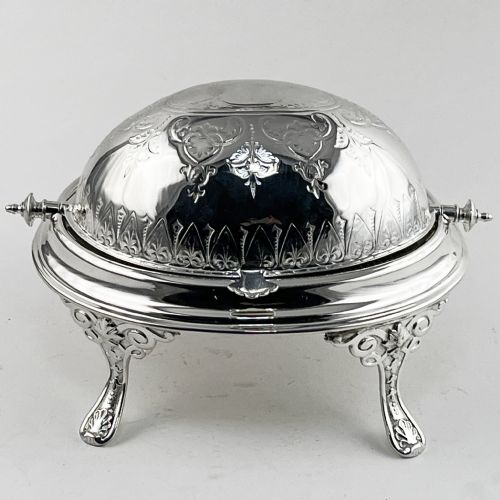
Antique breakfast tableware comprises specialised serving pieces created for the morning meal during the Georgian, Victorian, Edwardian and Art Deco periods. The selection focuses heavily on sterling silver and silver-plated toast racks, alongside fitted egg cruet sets and butter dishes.
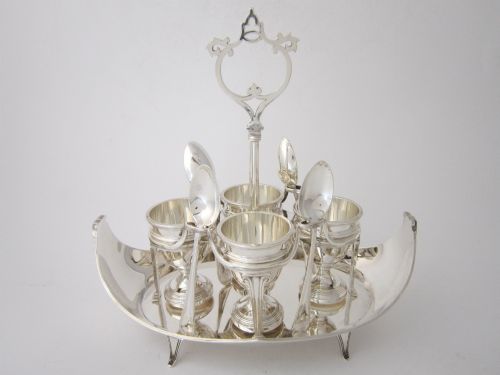
Buyers encounter functional forms ranging from simple four-slice toast racks to elaborate revolving egg cruet stands incorporating oak, glass and treen. These items reflect the domestic routines of nineteenth and early twentieth century dining tables.
The objects span practical serving dishes, grapefruit spoons and condiment holders designed specifically for morning hospitality. Pieces like the equestrian toast rack or the novelty caravan design demonstrate how makers brought imagination to breakfast items.
How these pieces were made
Silversmiths constructed toast racks and cruet frames using sterling silver or electroplated nickel silver over a base metal. Workshops utilised traditional forming techniques such as soldering wire frames, stamping bases and raising metal for serving dishes.
Alternative materials appear in specific forms, combining silver mountings with cut glass preserve pots, oak stands and turned yew wood. Makers also employed copper and gold gilt finishes to enrich the appearance of egg cups and spoons.
An eccentric Victorian novelty toast rack shaped like a railway wagon brings a touch of miniature transport to the morning table.
What varies in quality
Quality rests in the weight of the metal, the crispness of the wirework in toast racks and the integrity of the silver plating over the base metal. Substantial gauge silver provides structural rigidity to items subjected to daily use.
Design distinction elevates certain examples, such as marked pieces by notable makers like Christopher Dresser or Elkington, or novelty forms requiring intricate construction. The retention of original glass inserts and matching spoons also influences the standing of cruet sets.
William Burwash·Mappin and Webb·Hamilton and Inches·Picards·Roberts and Belk·Elkington·Christopher Dresser·Hukin and Heath
The Antique Breakfast Tableware Glossary
- Toast rack
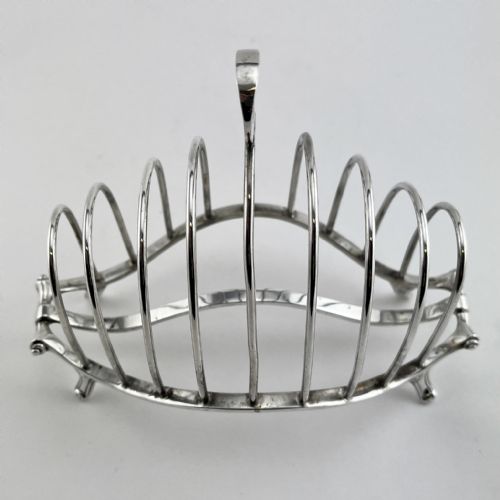
- A table article featuring parallel metal dividers designed to hold slices of toast upright and prevent condensation. These pieces range from simple four-slice wire designs to novelty shapes.
- Egg cruet set
- A fitted frame holding multiple egg cups, often accompanied by matching spoons and compartments for salt or seasoning. They appear in silver plate, sterling silver and oak.
- Electroplated nickel silver
- A method of coating a base metal alloy of nickel, copper and zinc with a thin layer of pure silver using electrical current. This technique allowed manufacturers to produce durable tableware more affordably.
- Treen
- Small handmade wooden domestic objects fashioned from materials like yew or oak. In breakfast wares, this includes turned revolving stands for eggs.
- Serveware
- Utensils and vessels intended for presenting food at the table rather than individual dining. This category includes entree dishes, tureens and preserve pots.
Antique Breakfast Tableware: Frequently Asked Questions
What is an egg cruet set?
An egg cruet set is a dedicated frame designed to hold several boiled egg cups together on the breakfast table. They typically include integrated slots for spoons and occasionally small cellars for salt.
These sets were produced in sterling silver and silver plate, often incorporating wooden bases or revolving mechanisms for ease of passing during the morning meal.
How do I date a silver toast rack?
Dating a silver toast rack involves examining the hallmarks stamped into the metal, which indicate the assay office, the specific year letter and the maker's mark. Sterling silver pieces carry these official stamps by law.
For silver-plated items without standard hallmarks, dating relies on the registration marks, the manufacturing style, and the company marks associated with the maker.
Were toast racks used for anything else?
Toast racks were specifically engineered to hold hot toast upright so that steam could escape, keeping the slices crisp rather than soggy. Their distinctive parallel metal bars serve this exact culinary function.
While occasionally repurposed on modern tables for letters or napkins, their physical dimensions and architecture remain entirely tied to serving morning toast.
What is silver plate on these items?
Silver plate refers to a base metal, such as nickel silver, that has undergone an electrochemical process to bond a thin layer of sterling silver to its surface. This technique provided the appearance and lustre of solid silver at a lower cost.
Introduced widely in the nineteenth century, silver plating allowed manufacturers to produce elaborate breakfast tableware like entree dishes and toast racks for a broader market.