

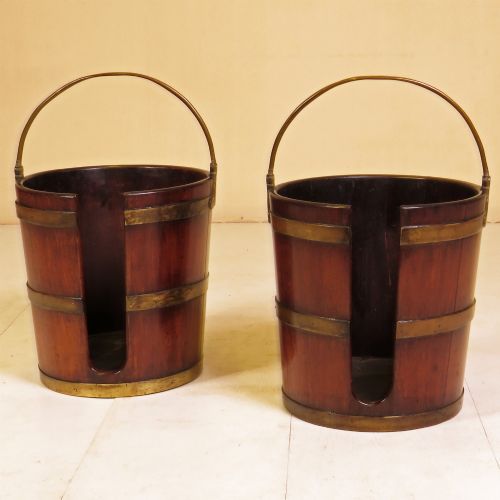
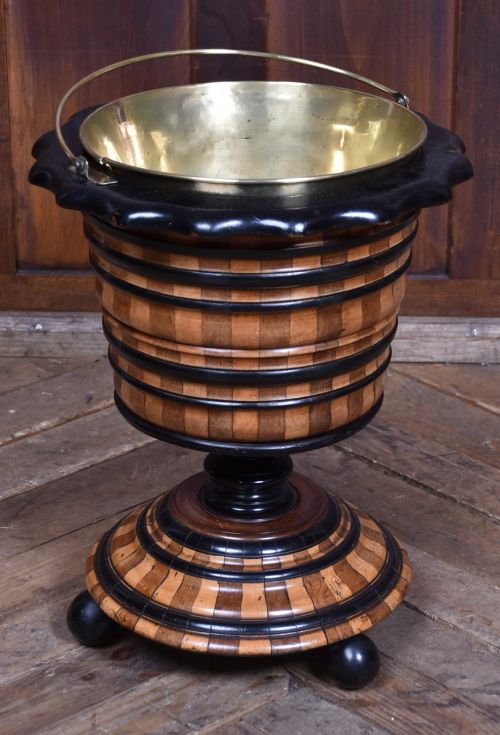
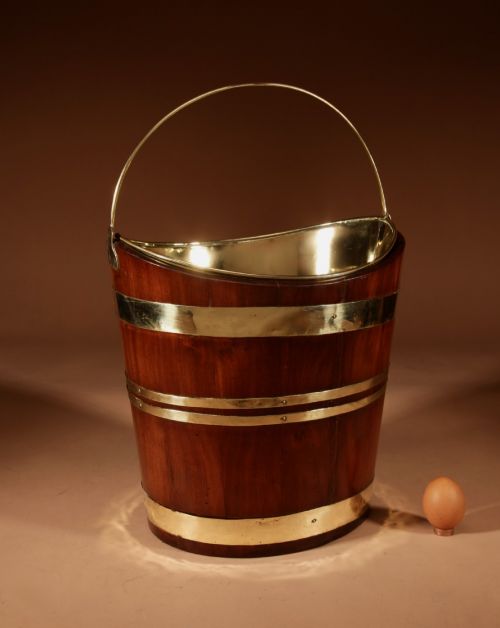
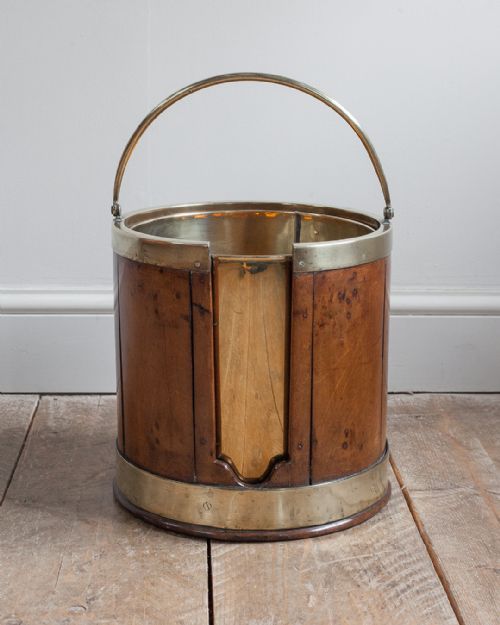

Antique Brass Wine Bucket
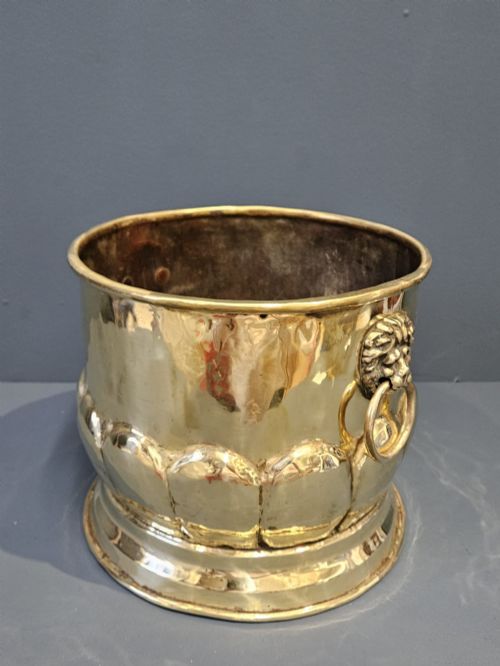
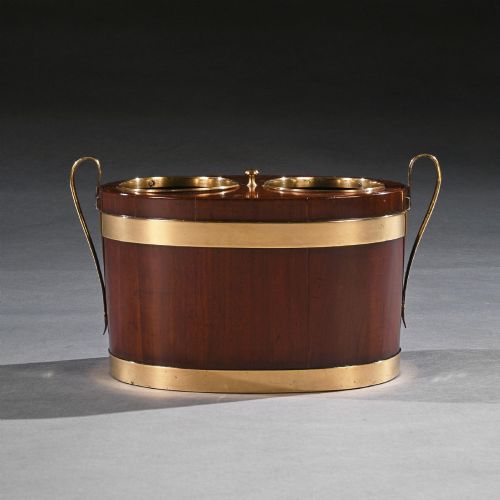
An antique brass wine bucket brings functional heritage to a dining room, offering sturdy metalwork and rich timber construction designed to chill bottles for the table.
Antique Brass Wine Bucket
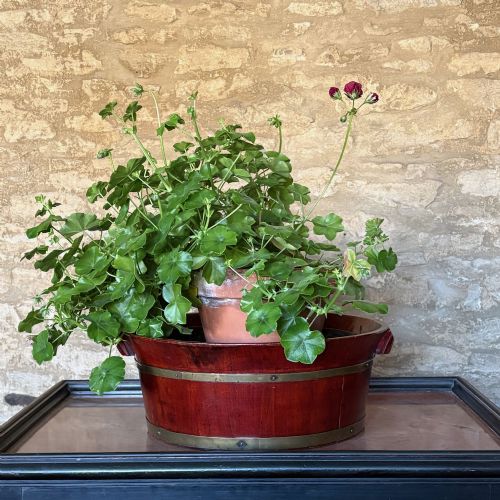
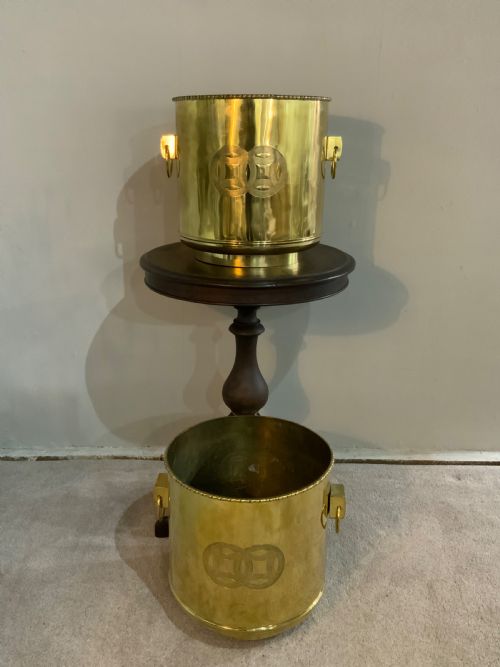
When searching for an antique brass wine bucket, collectors encounter sturdy vessels intended for holding ice and cooling bottles during formal dining. These items frequently overlap in form with peat buckets, tea stoves, and larger plant jardinieres due to their similar coopered construction and metal linings.
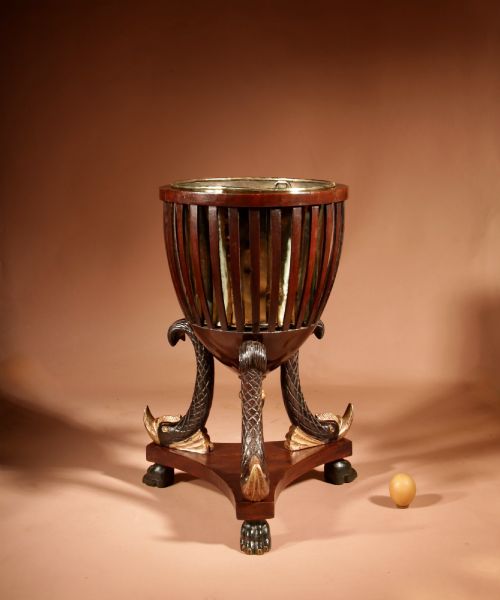
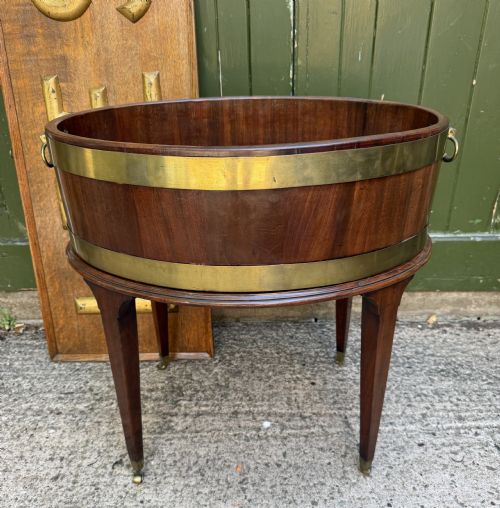
The pieces appearing on this page span from the Georgian and Regency eras through the Victorian and Edwardian periods, crossing British, Dutch, and French workshops. Alongside standard table coolers, buyers find campaign vessels, boat-shaped schuitjes, and floor-standing cellarettes supported on original stands.
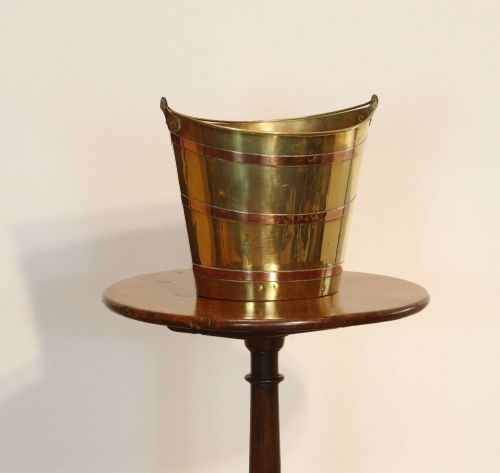
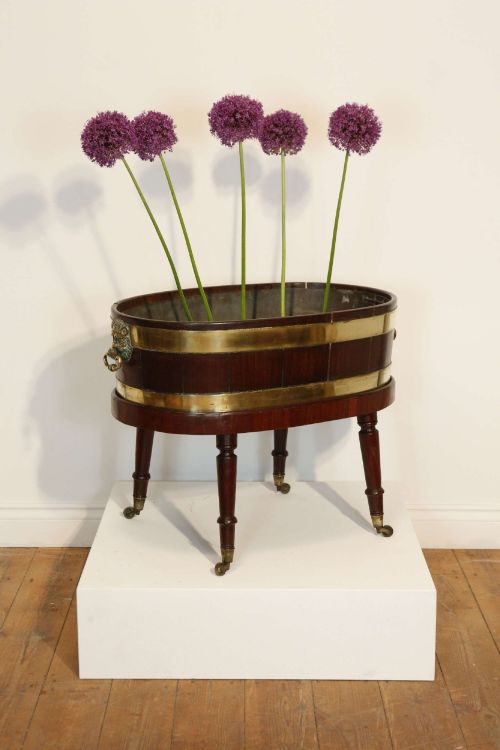
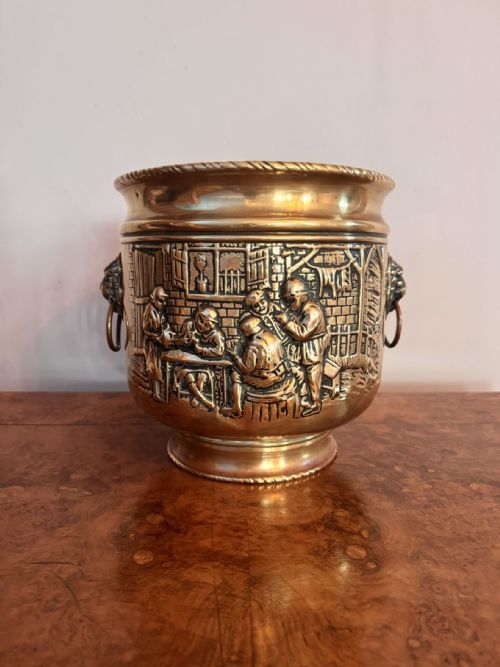
Many examples combine heavy timber staves with robust brass bands, handles, and liners, reflecting utilitarian origins that evolved into highly decorative drawing room accessories. Form follows function closely, resulting in oval, round, and flared silhouettes built to withstand damp environments.
How they were made
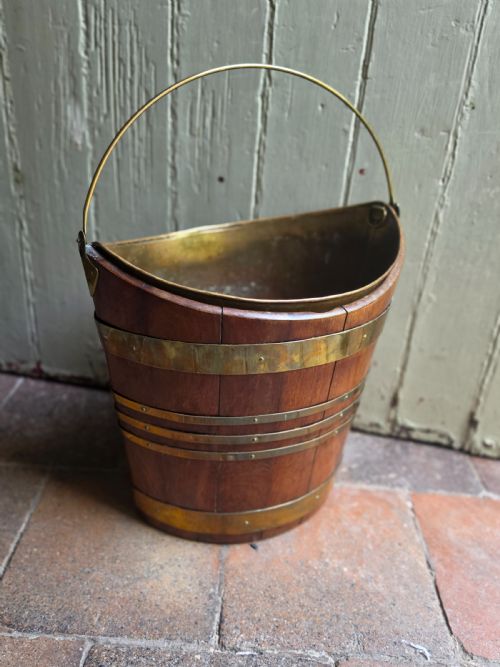
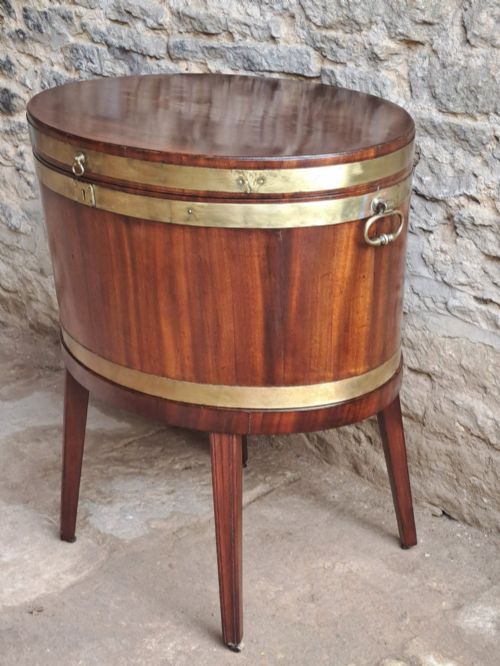
The primary construction method relies on cooperage, where skilled artisans shape individual staves of mahogany, oak, or walnut to form tight cylindrical or oval bodies held together by tension. Metal bands of brass or copper are heated, fitted tightly around the timber, and left to contract firmly as they cool.
Internal waterproofing is achieved through fitted metal liners made of zinc, copper, or brass, protecting the underlying wood from moisture damage during use. Brass mounts, carrying handles, and claw feet are cast separately and fastened securely to the wooden bodies using traditional fixings.
Antique Brass Wine Bucket Retail Price Guide 2026
Typical asking prices for brass wine bucket among the pieces listed under this phrase on Sellingantiques today, from the lower quarter to the upper quarter. They describe what is for sale here now, not the wider market.
Listings feature 18th-century, Georgian, and Victorian periods, utilising brass, mahogany, copper, oak, and zinc across various forms.
What varies in quality
Quality rests heavily on the integrity of the timber selection and the precision of the cooper's jointing, which ensures the vessel remains stable over centuries. Finer items display dense, figured mahogany or quarter-sawn oak with tight, seamless staves that require minimal modern intervention.
The weight and finish of the brass components distinguish standard utility pieces from high-status items commissioned for wealthy households. Hand-chiselled mounts, original cast liners, and well-preserved surface patinas elevate the status of a piece within its period.
The Antique Brass Wine Bucket Glossary
- Coopered
- Constructed from curved wooden staves joined edge-to-edge, similar to barrel-making. This technique provides structural strength for vessels designed to hold liquids or heavy materials.
- Cellarette
- A lockable container used to store wine bottles near the dining table. They frequently double as wine coolers and rest either on the floor or on dedicated wooden stands.
- Schuitje
- A boat-shaped vessel, often used for peat or tea storage in Dutch households. These feature distinct tapered ends and deep wooden bodies bound in brass.
- Jardiniere
- An ornamental pot or stand designed to hold plants or flowers. Many antique brass wine buckets were repurposed for this role due to their waterproof metal linings.
- Patina
- The surface sheen and colour developed by wood and metal over decades of handling and polishing. A deep patina indicates age and careful historical maintenance.
Antique Brass Wine Bucket: Frequently Asked Questions
What is the difference between a wine cooler and a cellarette?
A wine cooler is generally an open-topped vessel designed specifically for chilling bottles in ice or water at the table. A cellarette often refers to a larger, sometimes lockable storage box used to keep multiple bottles secure.
In historical listings, the terms frequently overlap because both utilised coopered wooden bodies bound in brass to serve dining room functions.
Were these buckets originally lined with metal?
Yes, authentic period examples feature internal metal liners made of zinc, copper, or brass. These liners protected the wooden staves from water damage and melting ice.
Survivors retain their original drop-in liners, while others have been restored with replacement metal inserts to maintain utility.
How do I distinguish a Georgian bucket from a Victorian one?
Georgian and Regency pieces tend to utilise dense, heavily figured mahogany with refined brass banding and delicate bracket feet or tapered stands. Victorian examples often incorporate heavier cast mounts, broader proportions, and sometimes alternative timbers like oak or walnut.
Dutch-influenced items from the nineteenth century frequently display distinctive brass studwork and flared boat shapes associated with peat storage.
Can I use an antique wine bucket for actual entertaining?
Many of these vessels remain structurally sound and waterproof enough to hold ice and bottles during modern gatherings. Checking the condition of the internal metal liner ensures the wooden staves stay safe from moisture.
Their robust construction makes them practical for serving drinks alongside their decorative appeal.