



18th Century Brass Vessel
These heavy metal vessels bring domestic warmth and ritual focus to a room, ranging from hearthside kettles to scholar's censers.
18th Century Brass Vessel
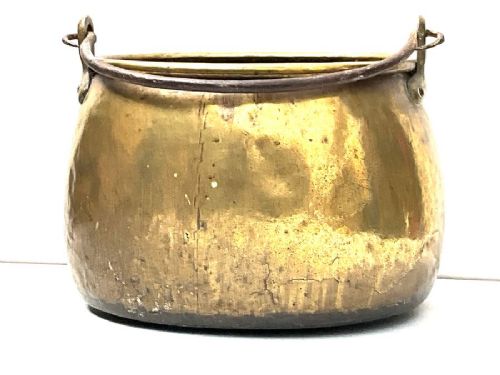
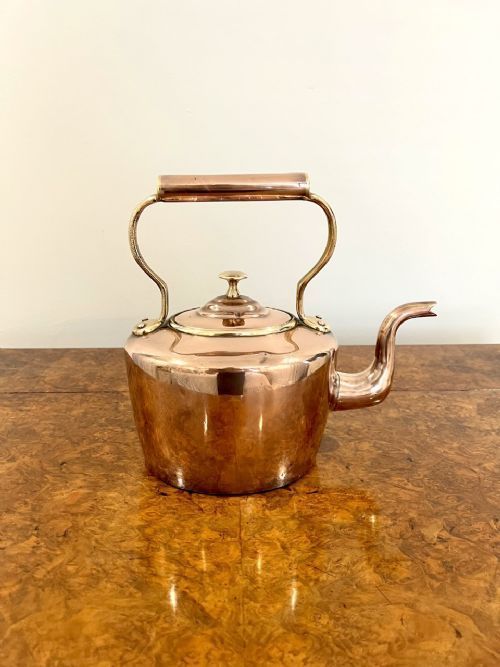
An 18th century brass vessel encompasses utilitarian and ritual objects designed for daily service or scholarly contemplation. The selection frequently includes utilitarian kitchen and hearth equipment alongside domestic vessels intended for liquids or dry goods.
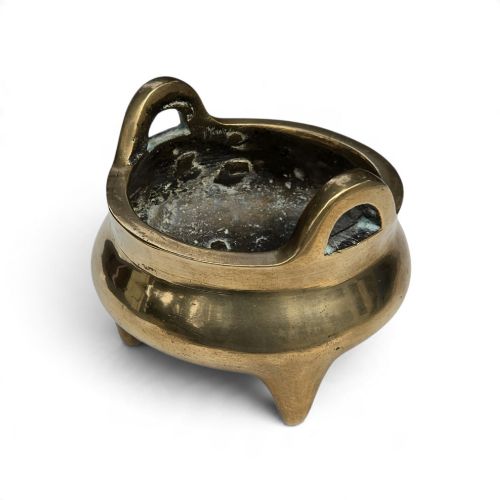
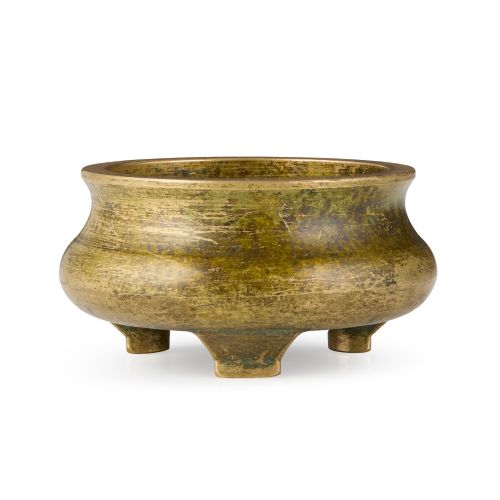
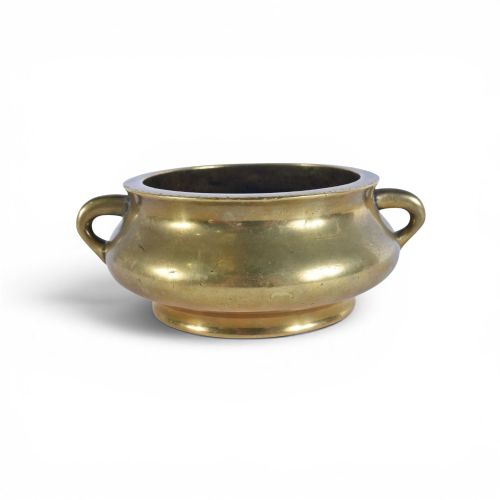
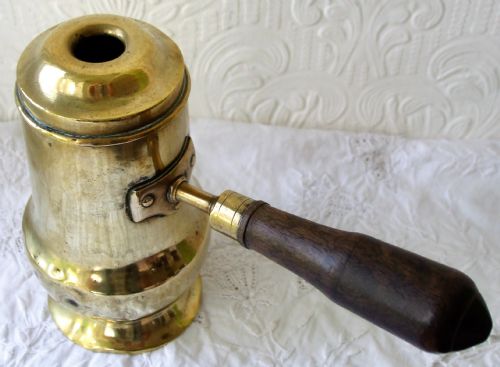
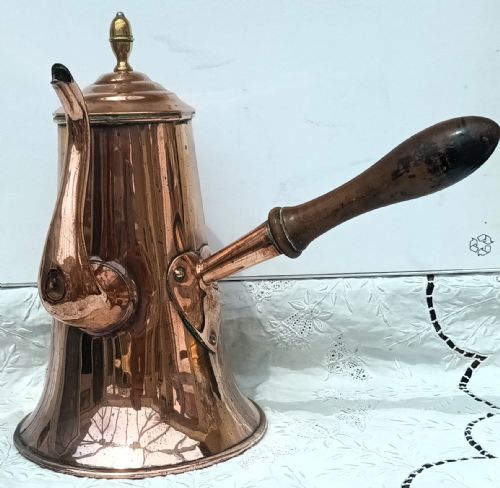
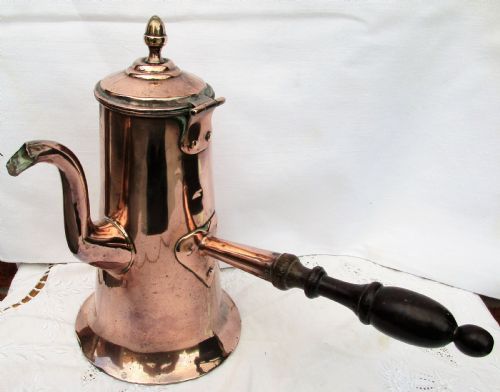
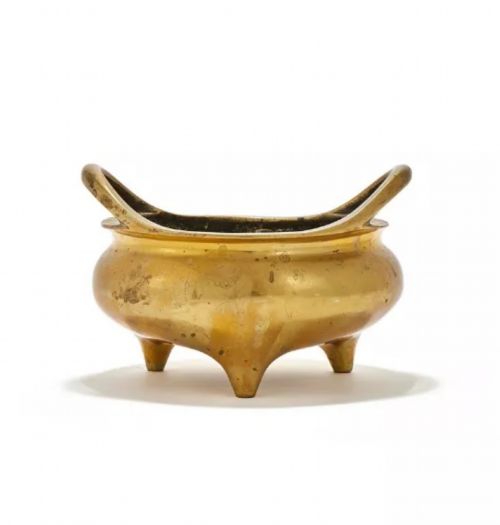
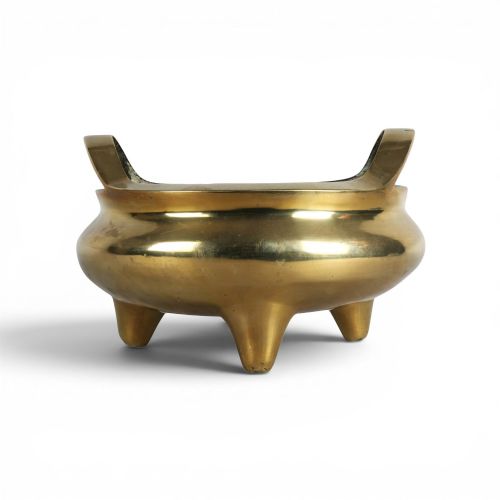
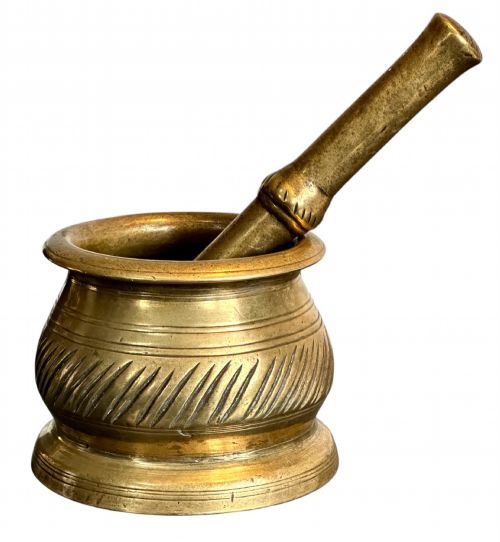
Vessels emerge in bronze, brass, and copper from British, Dutch, and Chinese workshops. You encounter robust mortars for grinding, slender coffee pots, heavy water urns, and tripod censers bearing distinct studio marks.
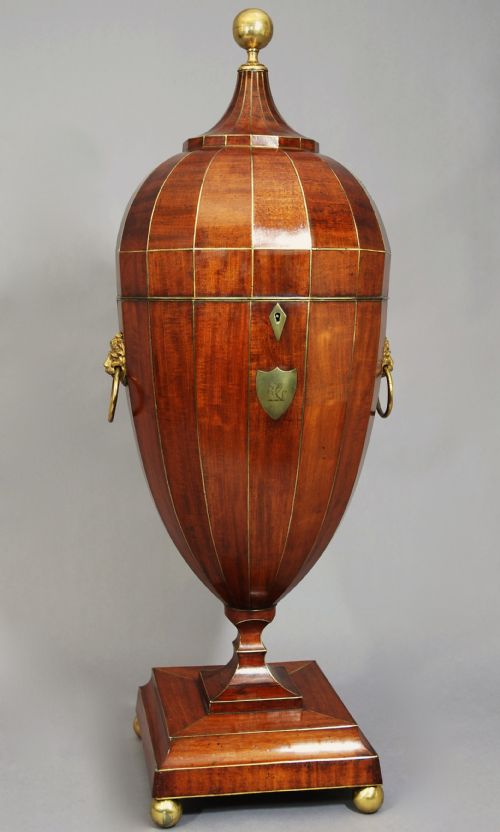
Domestic forms span the Georgian period and the broader eighteenth century, alongside related pieces in mahogany, iron, and tin-glazed earthenware. The domestic focus remains centred on vessels that held liquids, heat, or aromatic materials.
Materials and construction
Metalworking relies on casting and hammering copper-alloy metals, creating thick walls for bronze censers and durable sheet construction for copper kettles and samovars. Foundries poured molten bronze and brass into moulds for heavy tripod bases and mortar bowls.
Secondary materials supplement the metalwork, incorporating turned mahogany for utility items and iron for handles or fittings. Surface finishes display polished highlights or patinated patinas developed through centuries of handling.
18th Century Brass Vessel Retail Price Guide 2026
Typical asking prices for 18th century brass vessel among the pieces listed under this phrase on Sellingantiques today, from the lower quarter to the upper quarter. They describe what is for sale here now, not the wider market.
Materials across the inventory span brass, bronze, copper, mahogany, and wrought iron.
Distinctions in quality
Mass and wall thickness determine the substance of cast items, separating substantial scholarly censers and apothecary mortars from lighter domestic wares. Precision in the founding of handles, spouts, and tripod legs dictates the balance and visual line of the object.
Engraved or cast inscriptions, such as Xuande or Wu Bangzuo marks, separate standard production items from pieces bearing maker or studio attribution. The integrity of the surface metal, free from intrusive modern repairs, preserves the historical character of the piece.
William Soutter And Sons·Wu Bangzuo
The 18th Century Brass Vessel Glossary
- Censer
- A vessel used for burning incense, frequently supported on three legs in Chinese bronzes. These pieces often feature specific studio or reign marks on the base.
- Mortar and pestle
- A grinding set comprising a heavy bowl and a handheld club used by apothecaries and in domestic kitchens. Bronze examples date from the seventeenth and eighteenth centuries.
- Monteith
- A scalloped washing bowl designed for chilling wine glasses by their stems along the rim. This form appears in brass among domestic serving items.
- Samovar
- A heated metal container traditionally utilised to boil water for tea. Georgian examples utilise heavy copper and brass construction with spigots.
- Bombé
- A swelling, rounded profile characteristic of certain eighteenth-century bronze censers. This curved form creates a robust silhouette.
18th Century Brass Vessel: Frequently Asked Questions
How do I clean an old brass vessel?
Surface cleaning requires only a soft cloth to remove dust and maintain the existing patina. Avoid aggressive metal polishes that strip away age and historical surface character.
Leaving the darker patination intact preserves the visual depth accumulated over centuries of domestic or ritual use. Gentle care ensures the metal retains its authentic appearance.
Were these pieces used in kitchens?
Kettles, water urns, and pans served active domestic roles near the hearth for heating water and preparing food. Heavier copper and brass vessels were built to withstand daily heat and regular handling.
Other items, such as censers and scholarly vessels, served ceremonial or meditative functions rather than utilitarian kitchen duties. Their placement was typically in studies or reception rooms.
How do I identify a Chinese censer?
Chinese censers typically feature cast bronze construction, tripod feet, and specific studio or dynastic marks on the base. Forms such as the bombé profile distinguish them from European kitchen vessels.
Inscriptions and seal marks offer direct links to traditional workshops and historical periods. The weight and metal composition further indicate their Asian origin.
What is the difference between brass and bronze?
Brass is an alloy primarily composed of copper and zinc, yielding a brighter golden tone suited to domestic kettles and decorative items. Bronze combines copper with tin, producing a heavier, darker metal traditionally chosen for censers and mortars.
Both materials weather distinctively, developing stable surface patinas over time. The choice of alloy usually aligns with the intended function of the object.