


Antique Brass Top Bed
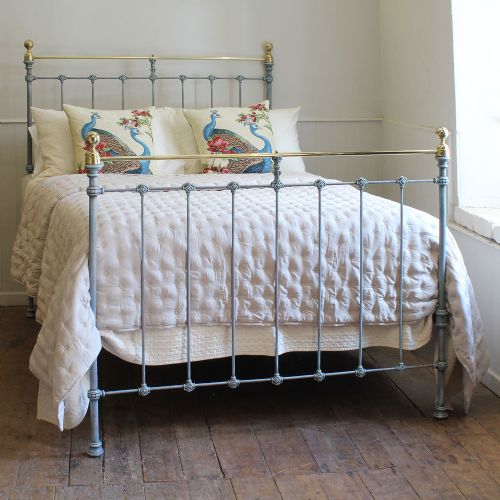
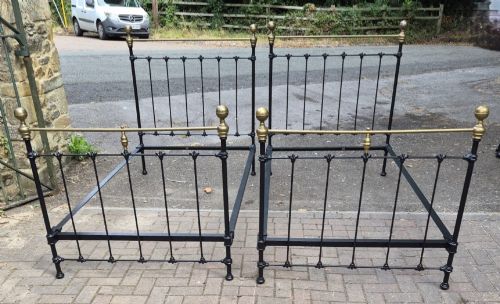
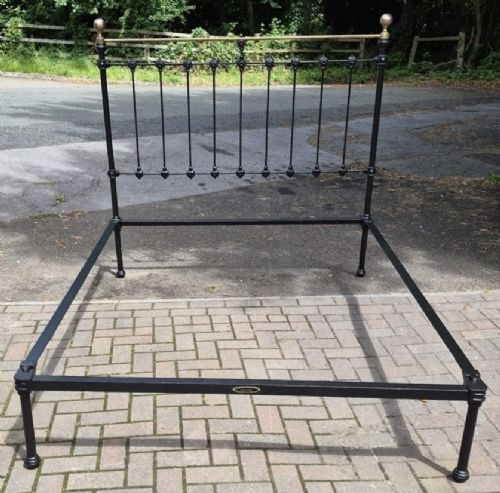
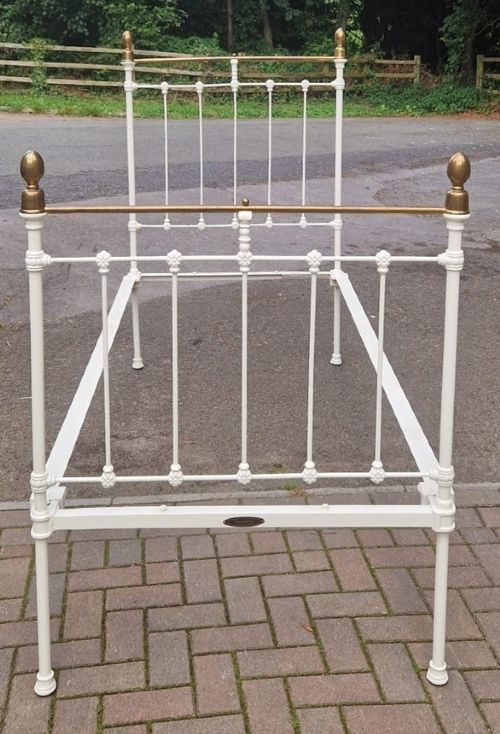
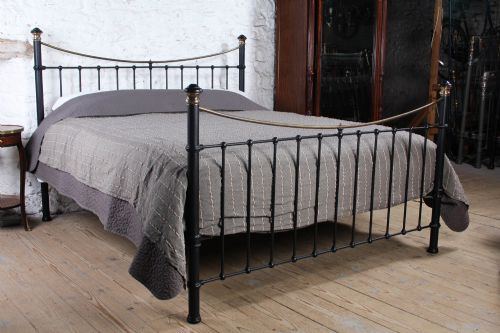
These antique brass top bed designs bring together robust iron frameworks and gleaming brass detailing from the Victorian and Edwardian eras.
Antique Brass Top Bed
When you search for an antique brass top bed, you find sturdy bed frames combining iron and brass, spanning the Victorian period through to nineteen ten. These pieces include single, double, king, and super king sizes, alongside occasional variations such as campaign tables and reading stands.
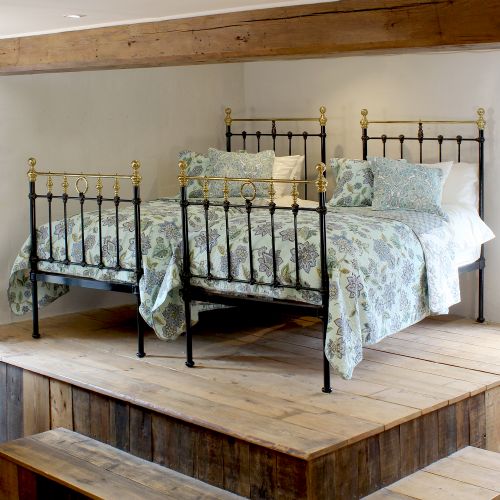
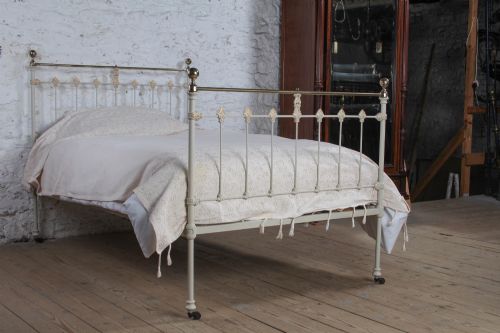
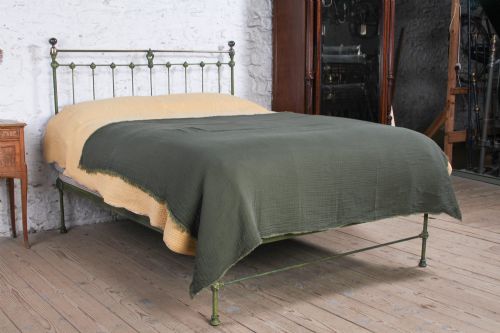
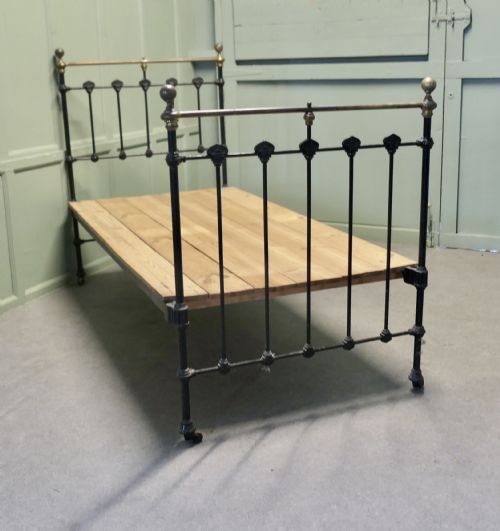
The most common forms on this page pair black or white painted cast iron or wrought iron frames with polished brass top rails and decorative brass castings. Makers built these to serve domestic bedrooms with durable construction and ornamental appeal.
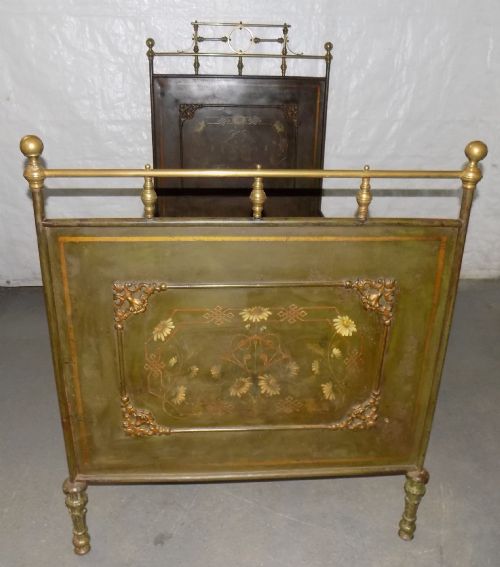
Origin styles range from standard British Victorian designs to Austrian nineteen-century pieces and French neoclassical works. Buyers select these beds for their historic character and robust sleeping proportions.
How they were made
Makers constructed these frames using cast iron, wrought iron, and sheet metal, often finishing the ironwork with black or white paint. Brass components, including top rails, mounts, and decorative castings, were integrated with the metal frames to provide structural support alongside visual contrast.
Wood also appears in related items, utilising mahogany, walnut, and kingwood with original marble tops. Craft techniques combined metal casting, joinery, and applied brass detailing to produce durable furniture designed for everyday household use.
Several Victorian single beds on offer can be joined together, proving that modular furniture solutions existed long before flat-pack assembly.
What varies in quality
Quality in these beds rests upon the crispness of the brass castings and the preservation of the original painted iron finishes. Better examples display heavier gauge metalwork, intact decorative brass details, and retained castors.
The degree of ornamentation on the top rail and the retention of original matching components set superior pieces apart from standard utilitarian frames. Craftsmanship shows in the secure assembly of the brass elements to the iron structure.
Heals
The Antique Brass Top Bed Glossary
- Cast Iron
- A strong, rigid iron alloy poured into moulds to create decorative bed frames and structural components. This material forms the primary support for many nineteenth-century bedsteads.
- Dip Rail
- A bed frame top rail that curves downwards towards the centre. This styling detail appears frequently on Victorian and Edwardian bed designs.
- Toleware
- Painted or lacquered metalware popular in the nineteenth century. It appears on specific single bedsteads within these listings.
- Campaign Table
- Portable furniture constructed for travel, typically featuring folding mechanisms or modular parts. A mahogany reading stand represents this category here.
Antique Brass Top Bed: Frequently Asked Questions
Will a standard modern mattress fit these beds?
Many nineteenth-century bed frames were built to dimensions that differ slightly from modern standard mattress sizes. It is advisable to check the specific width and length of each bedstead before purchasing a mattress.
Custom mattress makers can supply bespoke sizes to fit older frames if standard dimensions do not align with the historic proportions.
How do I assemble an antique iron and brass bed?
These beds typically utilise iron side rails that wedge or bolt directly into the headboard and footboard posts. The weight of the structure helps lock the components into place once the frame stands upright.
Two people make assembly straightforward, ensuring the side rails square up correctly before adding slats or a base to support the mattress.
Can these beds be dismantled for moving?
Yes, the headboard, footboard, and side rails separate into distinct sections for transport and relocation. This modular construction made moving large Victorian furniture practical.
Care should be taken with painted iron surfaces and brass components when slotting the wedge joints apart to avoid chipping the finish.
How do I clean polished brass top rails?
Polished brass benefits from gentle dusting and occasional cleaning with a mild, non-abrasive metal cleaner formulated for antiques. Avoid harsh chemical dips that strip away the aged patina accumulated over the decades.
Preserving the natural lustre keeps the brass looking authentic without removing the subtle marks of its nineteenth-century origins.