
Antique Brass Railing
An antique brass railing brings solid structural definition and warm metallic shine to a room, whether fitted to a fender, a bedstead or a wall-mounted coat rack.
Antique Brass Railing
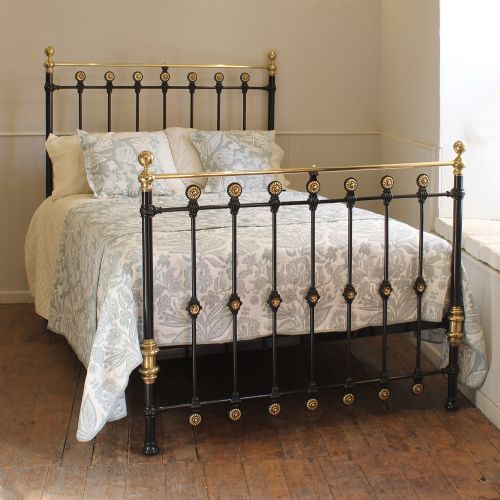
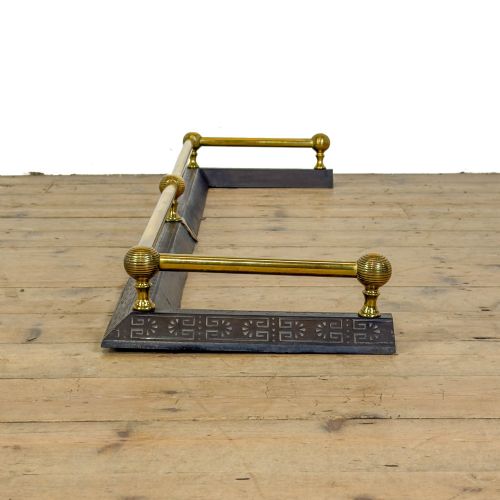
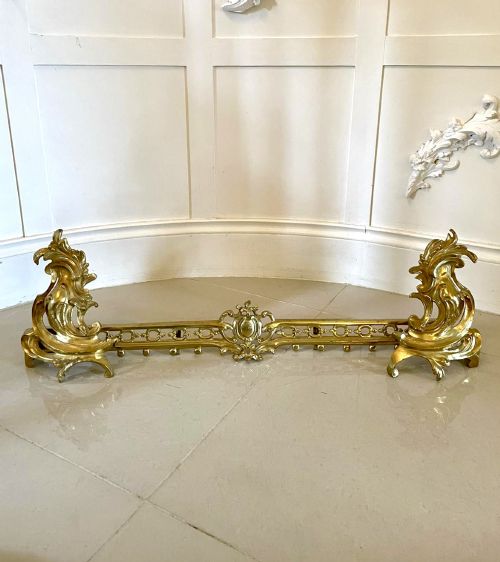
An antique brass railing encompasses various structural and decorative guard elements found across nineteenth-century and early twentieth-century furnishings. These pieces range from adjustable fireplace fenders and club fenders with upholstered seats to wall-mounted coat racks and the defining top bars of iron bedsteads.
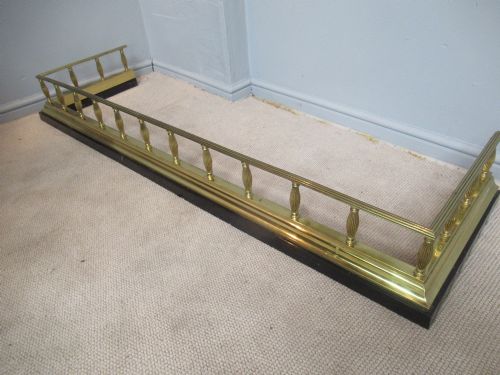
The version most frequently met on this page is the functional domestic railing attached to fireguards, hearth curbs or wooden hallway backboards. Victorian and Edwardian examples predominate, alongside earlier Regency influences and occasional French designs.
Buyers look for these items to anchor period interiors with authentic hardware, utilising sturdy brass tubing, cast mounting plates and integral hooks. Each form serves a distinct domestic purpose, from protecting a hearth to organising hallway garments.
How they were made
Makers constructed these railings primarily from brass, often combining heavy tubular or solid metal bars with supportive elements of cast iron, wrought iron or timber backboards in mahogany, pine and oak. Ceramic components frequently appear as contrasting details on coat hooks or fender mounts.
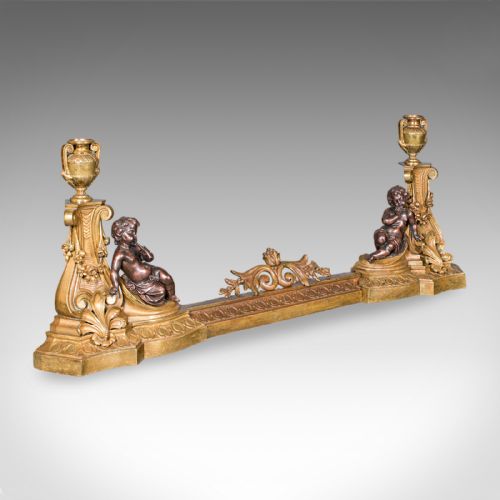
Techniques relied on solid casting for decorative mounting plates and brackets, paired with turned or drawn metal rails secured by traditional fixings. Surface finishes ranged from polished golden metal to gilt applications and patinated bronze effects.
Listings feature brass railings integrated into diverse forms including fireplace fenders, wall-mounted coat racks, sideboards and iron bedsteads.
What varies in quality
The distinction between ordinary and superior pieces rests on the weight of the metal and the crispness of the casting. Substantial brass tubing and deeply detailed mounting plates separate high-grade workshop output from lighter commercial production.
Material integration also dictates standard, with finer items uniting brass rails to mature hardwoods like mahogany or incorporating supportive leather seating and hand-finished ceramic inserts rather than basic softwood backings.
Coalbrookdale
The Antique Brass Railing Glossary
- Fender
- A low metal guard placed around a hearth to contain sparks and ashes. Many feature extended brass rails or upholstered leather seating surfaces.
- Club fender
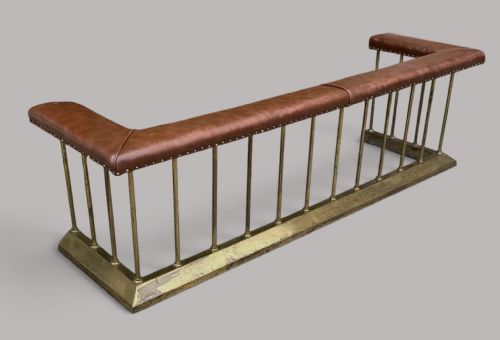
- A specialised hearth fender featuring low padded seats flanking the fireplace, incorporating sturdy brass support rails.
- Dip rail
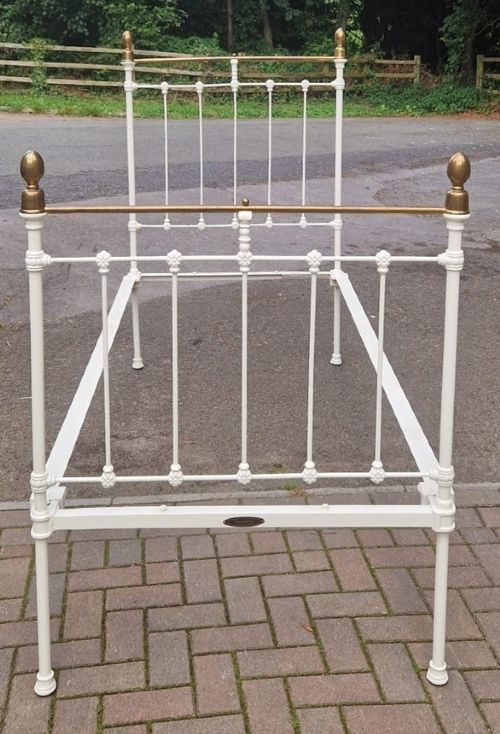
- A downward curving top bar commonly found on the headboards and footboards of nineteenth-century iron and brass bedsteads.
- Fusee
- A conical pulley mechanism used in clock movements to maintain equal driving power as the mainspring unwinds.
- Pelmet
- A rigid decorative framework mounted above a window to conceal curtain fixtures, occasionally rendered in gilt brass.
Antique Brass Railing: Frequently Asked Questions
What is a club fender?
A club fender is a low hearth guard equipped with cushioned leather seats on either side. It allowed people to sit close to the fire while protected from embers.
These pieces combine functional brass railings with upholstered top surfaces, serving as both furniture and safety barriers in traditional rooms.
How do I date a brass railing?
Dating relies on stylistic clues, manufacturing techniques and associated materials like mahogany backboards or cast iron frames. Victorian and Edwardian examples often feature heavy brass casting and specific decorative motifs.
Comparing the construction methods of the mounting plates and the composition of the underlying wood helps place the piece within the nineteenth or early twentieth century.
Where were coat racks used?
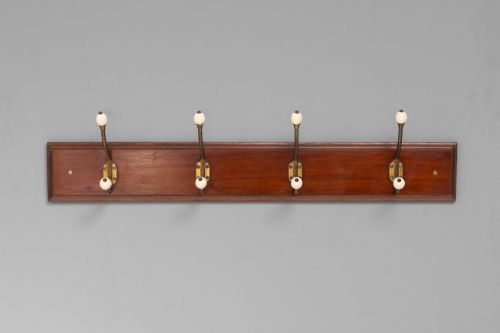
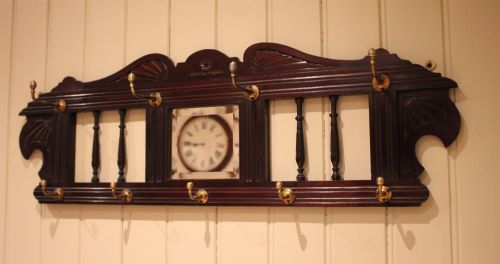
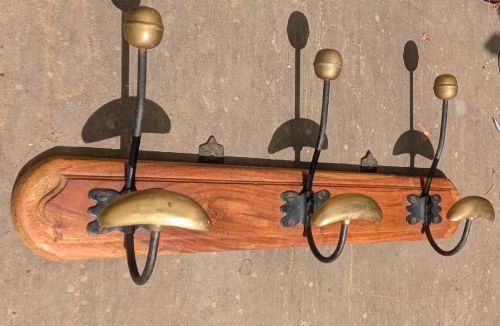
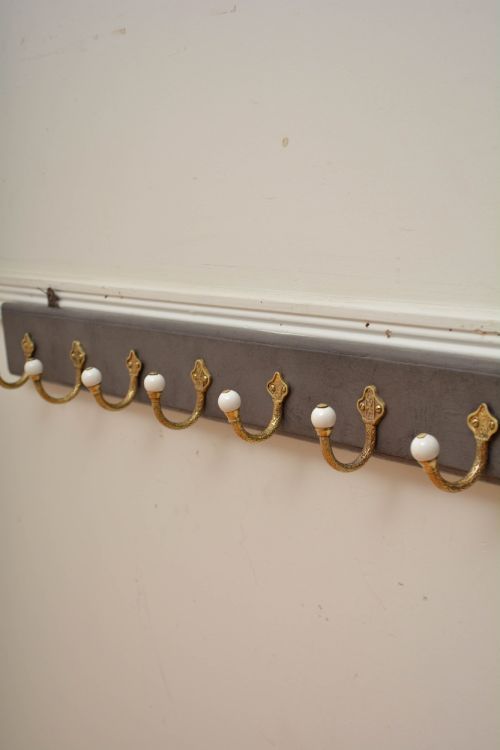
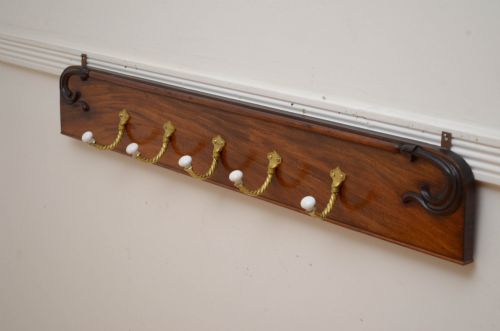
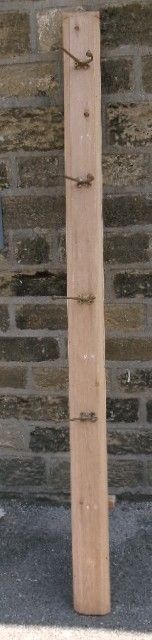
Wall-mounted coat racks with brass railings and hooks were standard fixtures in hallways, cloakrooms and nurseries. They provided sturdy hanging space for heavy garments and hats.
The inclusion of ceramic or brass hooks mounted on timber backboards indicates domestic utility from the Victorian era onward.
How do I care for antique brass?
Maintaining antique brass involves dusting gently and preserving the natural accumulated patina rather than applying harsh modern chemical polishes. Gentle cleaning keeps the metal stable without stripping its age.
If mounted to wood or leather, ensure cleaning products do not come into contact with the surrounding materials to prevent staining.