

Antique Brass Light
An antique brass light brings the warmth of cast metal and crystal into a room through chandeliers, wall sconces, and heavy table lamps.
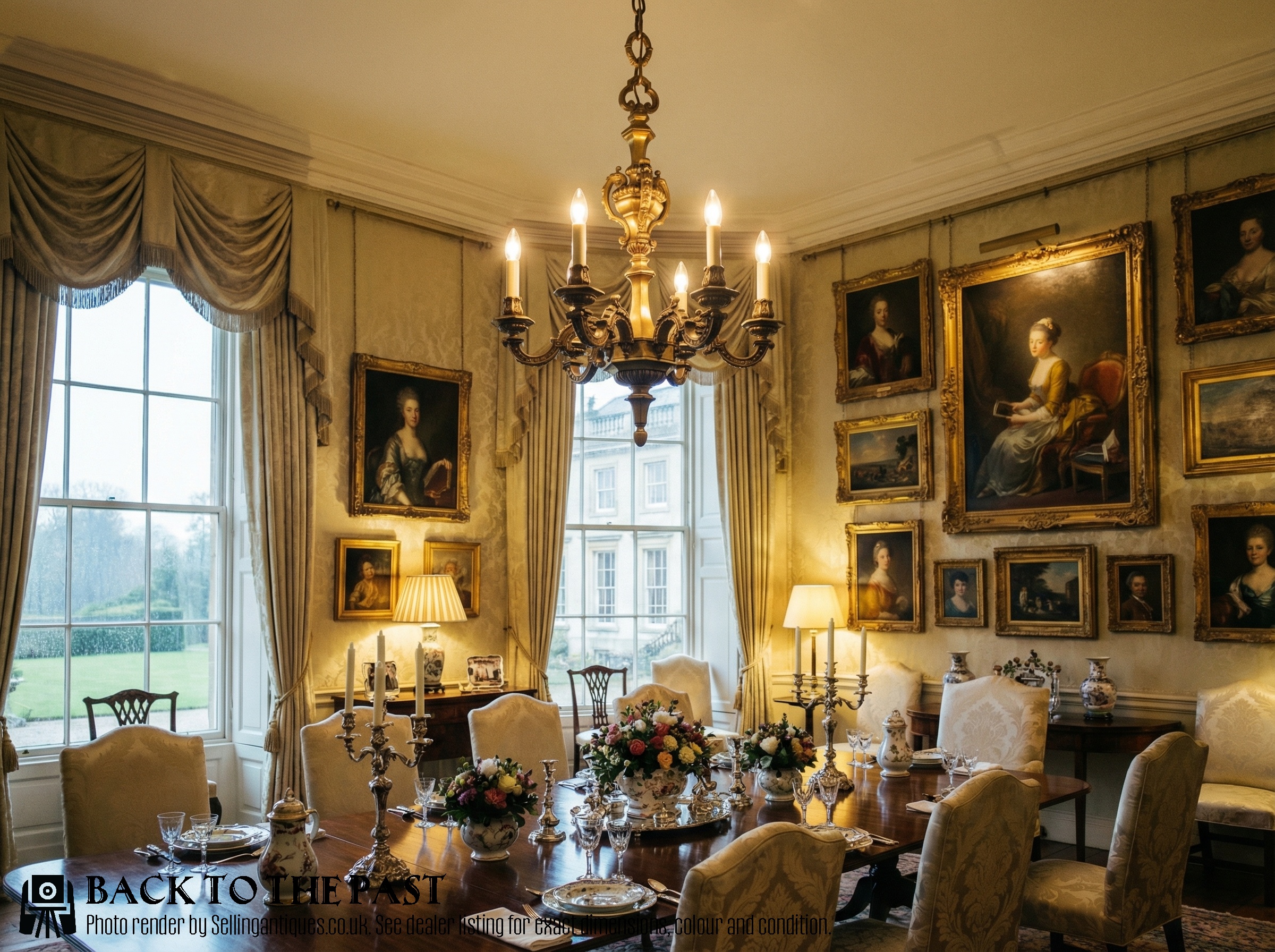
Antique Brass Light
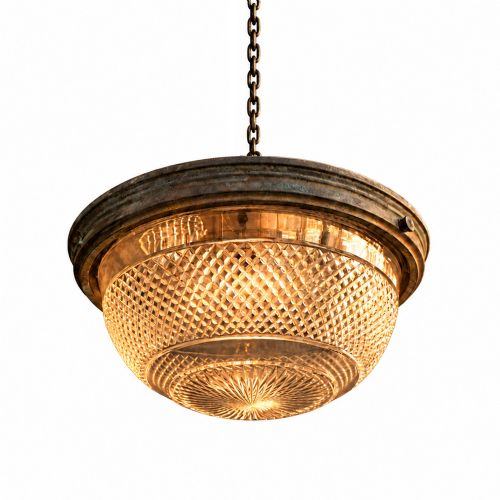
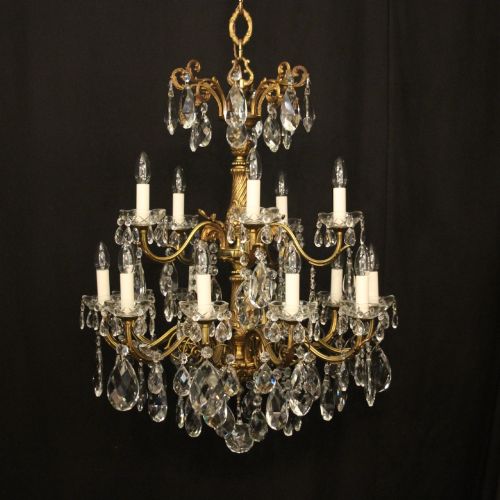
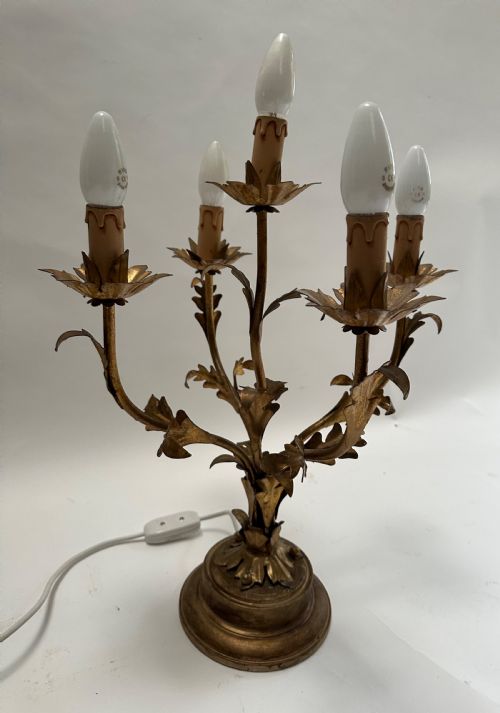
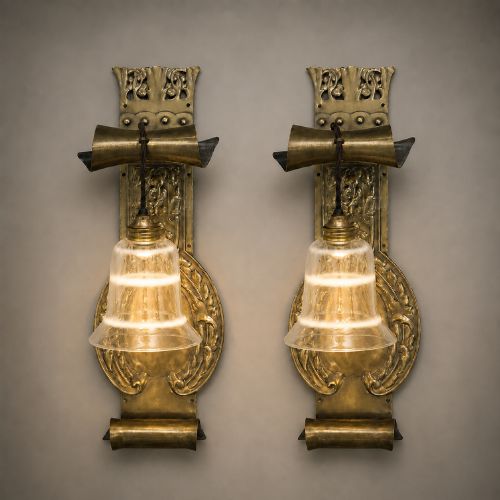
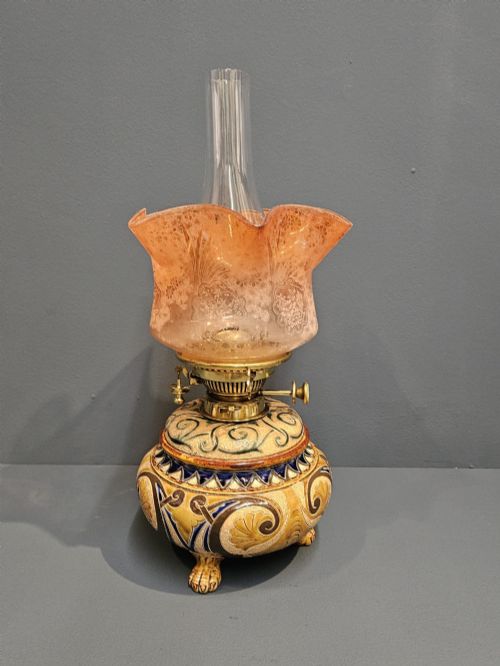
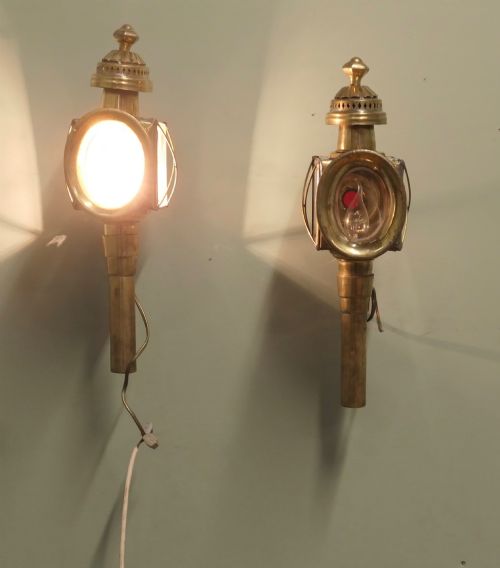
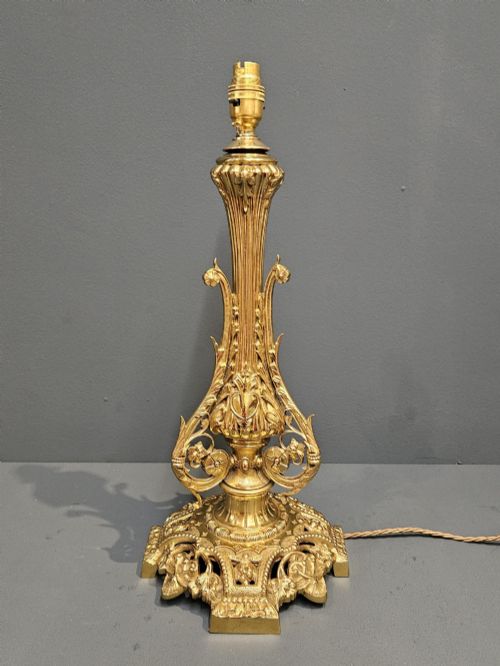
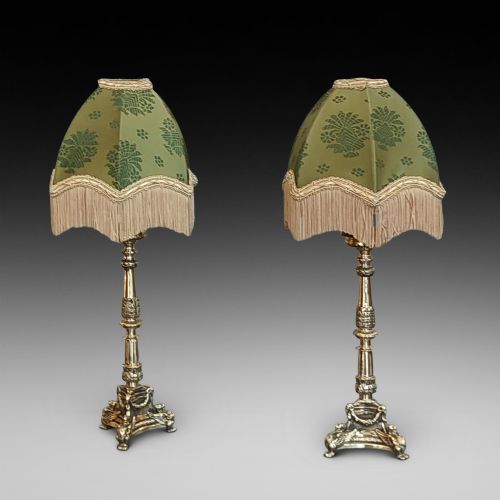
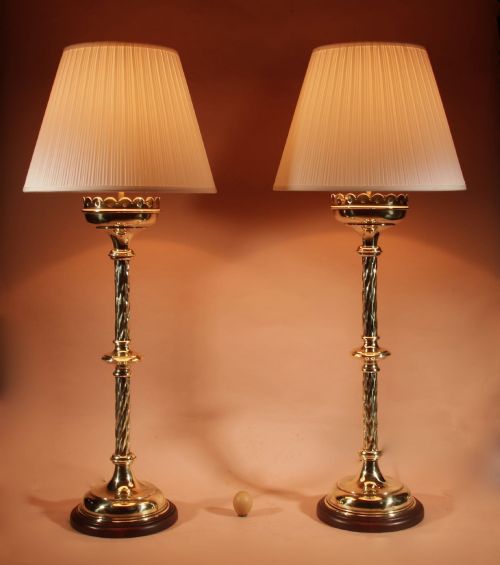
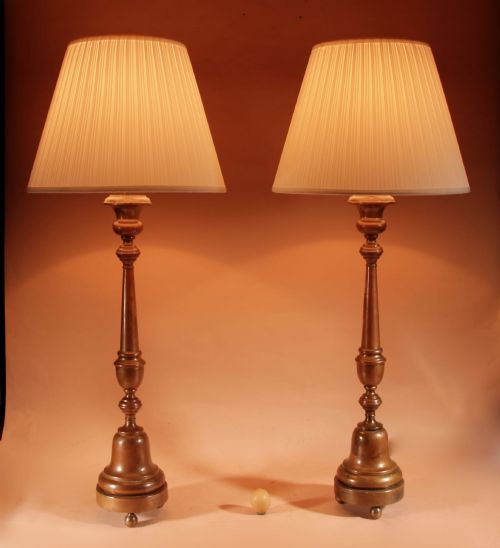
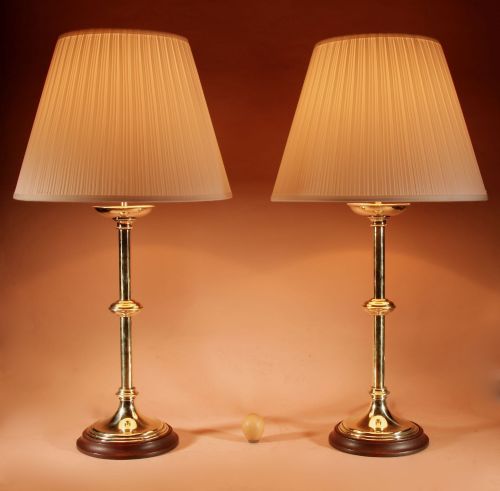
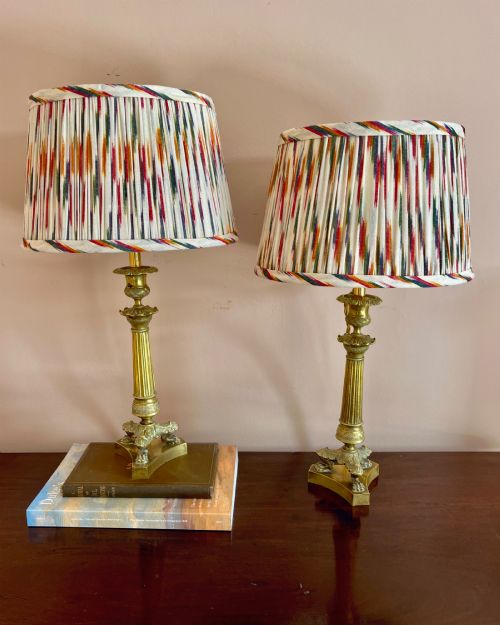
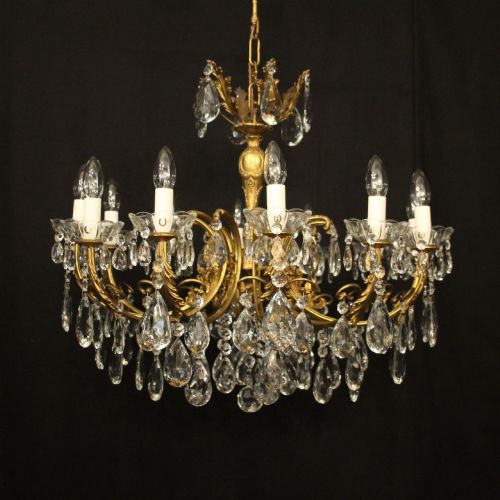
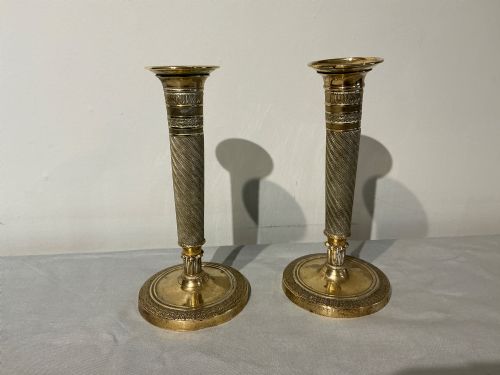
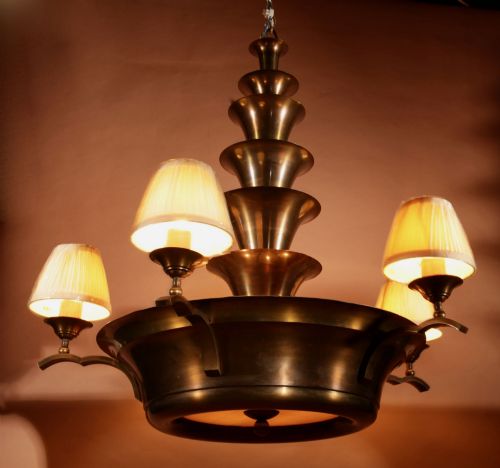
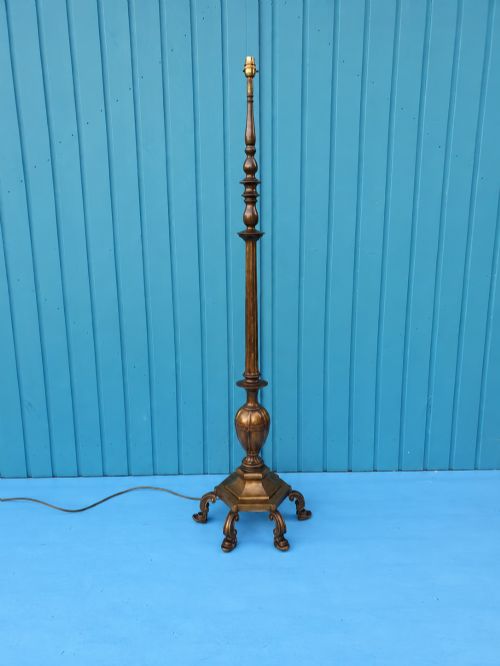
When you search for an antique brass light, you encounter a wide selection of fittings spanning from nineteenth-century columnar table lamps to grand multi-armed twentieth-century chandeliers. The pieces on this page lean heavily towards French output, particularly multi-light gilded bronze chandeliers and twin-arm wall lights designed in various revival styles. Alongside these ceiling and wall fixtures, domestic illumination takes the form of sturdy candlesticks, heavy table lamps, and hanging hall lanterns.
Makers and designers worked within distinct aesthetic movements, producing items that range from clean Arts and Crafts brass frames to elaborate Rococo and Neoclassical gilt bronze creations. Many examples incorporate cut crystal drops, porcelain flowers, or enamel work alongside the primary metal structure. Whether configured for candles originally or adapted for electricity, these objects retain the specific weight and hand-finished character of their period of origin.
Materials and construction methods
Makers utilised cast brass, gilt bronze, and ormolu as the structural foundation for these lighting fixtures, often combining them with cut glass and crystal pendants to amplify the illumination. Metal components were cast in sections, chased by hand to sharpen the detail of foliage or classical motifs, and then gilded or polished.
Secondary materials such as porcelain, onyx, and enamel appear frequently in table lamps and decorative sconces, introducing colour and varied texture to the metallic framework. Wiring and electrical components found on current pieces generally represent later updates to historic frames that were originally built for candles or oil.
Antique Brass Light Retail Price Guide 2026
Typical asking prices for brass light among the pieces listed under this phrase on Sellingantiques today, from the lower quarter to the upper quarter. They describe what is for sale here now, not the wider market.
One exceptional nineteenth-century table lamp repurposes a cavalry sabre into its supporting stem.
Assessing quality in historical lighting
Quality in these fixtures rests primarily on the crispness of the metal casting and the depth of the subsequent hand-chasing. Superior examples display sharply defined ornamentation without the softening of detail often seen in secondary production runs.
The integrity of the construction also distinguishes finer items, evident in the secure mounting of arms, the weight of the cast components, and the quality of associated crystal drops rather than moulded glass substitutes.
Maison Bagues·Fratelli Toso
The Antique Brass Light Glossary
- Ormolu
- Gilded bronze produced by applying a mixture of mercury and gold to a cast bronze object and heating it until the mercury evaporated. This technique yields a characteristic warm, durable golden surface seen on many French fittings.
- Champlevé
- An enamelling technique where troughs are dug into the surface of a bronze or brass object and filled with vitreous enamel powder before firing. It frequently decorates nineteenth-century table lamps and candlesticks.
- Chandelier
- A branched, suspended lighting fixture designed to hold multiple candles or bulbs. Historical variants often feature central metal stems surrounded by glass crystals and scrolled arms.
- Sconce
- A wall-mounted lighting fixture with one or more arms directing light outward into a space. These often match the decorative vocabulary of larger ceiling fixtures from the same period.
- Pricket candlestick
- A candlestick featuring a sharp central spike designed to impale the base of a candle rather than sitting inside a socket. These tend to appear in heavier brass forms.
Antique Brass Light: Frequently Asked Questions
How do I choose the right size chandelier?
Scale depends on the dimensions of the room and the height of the ceiling. Multi-arm fixtures with numerous lights require adequate clearance below to sit comfortably within a domestic space.
Larger spaces accommodate heavier multi-tiered frames, while modest rooms suit compact twin-arm wall sconces or single-bulb pendants.
Were these lights originally electrified?
Most historical lighting fixtures were constructed long before domestic electricity became standard. Early examples were designed exclusively for wax candles or oil combustion.
Surviving frames have typically undergone subsequent rewiring to allow safe operation with modern electrical supplies while retaining their original metalwork.
How do I care for antique brass?
Maintenance requires gentle dusting with a soft dry cloth to prevent the accumulation of grime on intricate castings. Aggressive cleaning agents or abrasive polishes can strip historic patina and damage gilt surfaces.
Preserving the finish means leaving natural oxidation undisturbed where possible, particularly on older patinated bronze and brass elements.
What styles dominate antique lighting?
French revival aesthetics heavily influence the market, featuring prominent Louis XV, Rococo, and Empire decorative vocabulary. These styles emphasise scrolled arms, naturalistic foliage, and symmetrical mountings.
Alternative movements such as Art Nouveau and Arts and Crafts introduce more organic, linear forms and unadorned hammered metal surfaces.