








Antique Brass Inkwell
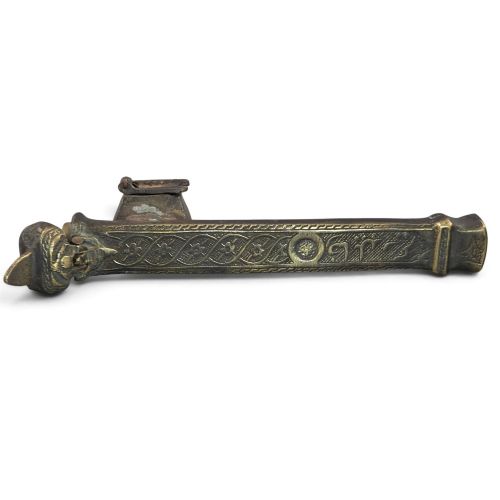
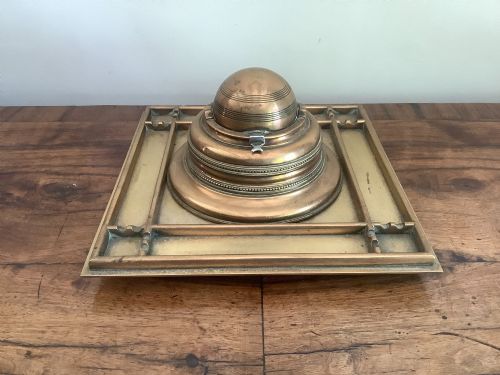
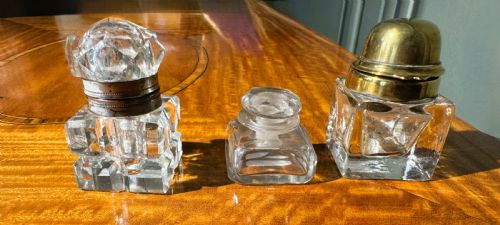
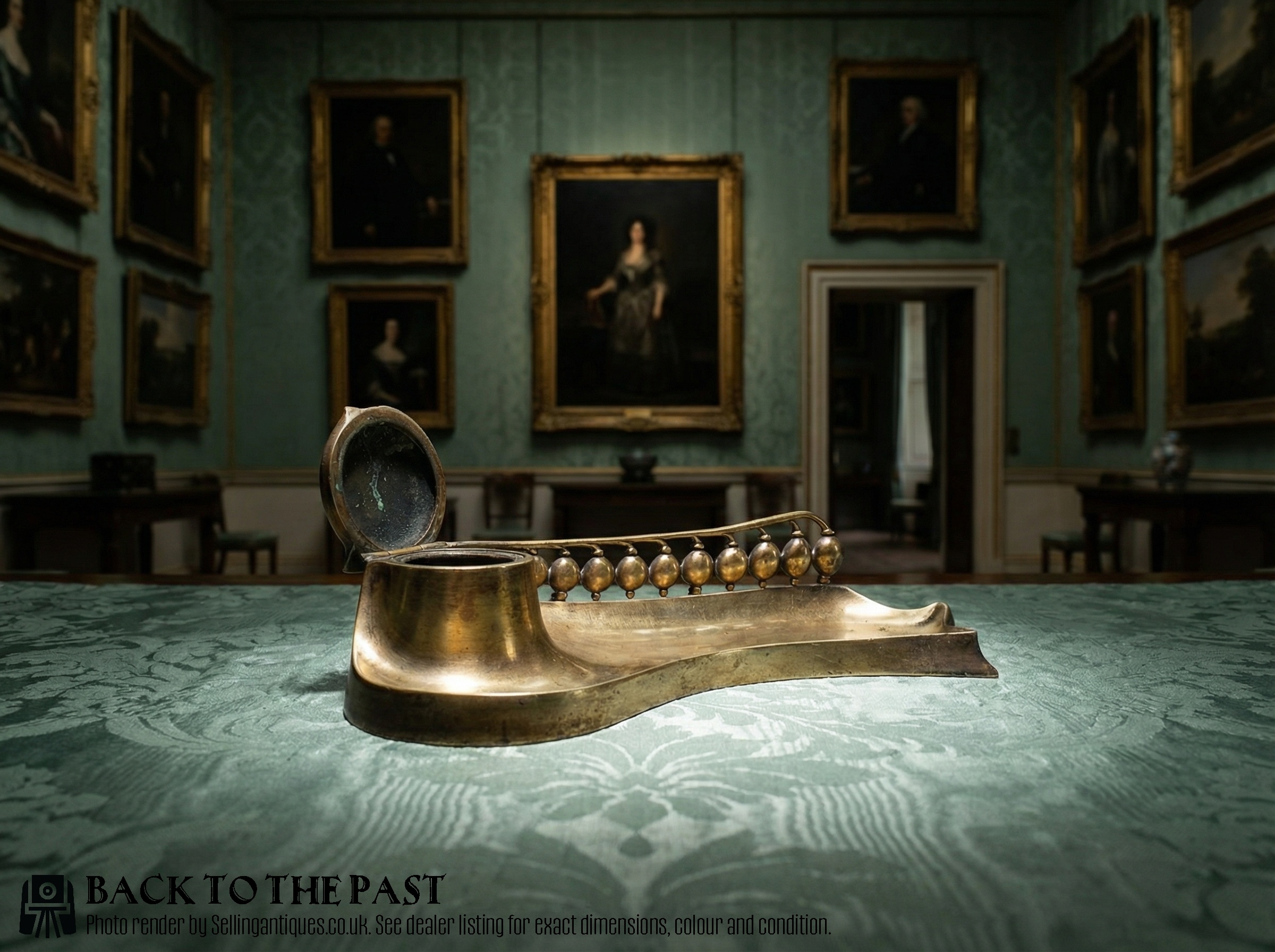
An antique brass inkwell brings tactile weight and period character to a desk through cast metal and fitted glass.
Antique Brass Inkwell
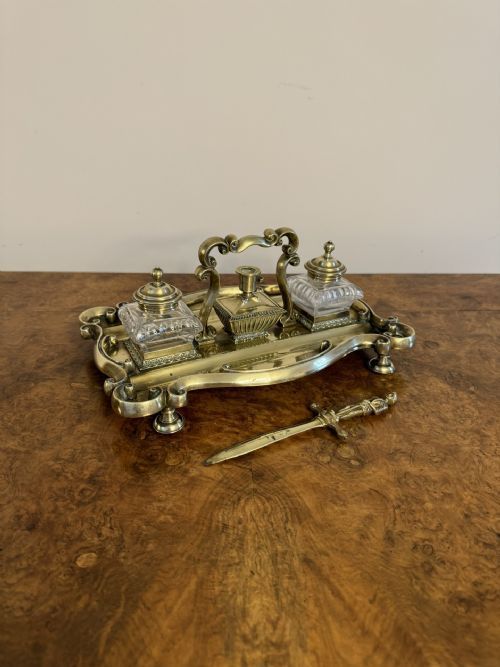
The antique brass inkwell encompasses single vessels, fitted inkstands, and complex desk sets spanning the eighteenth, nineteenth, and early twentieth centuries.
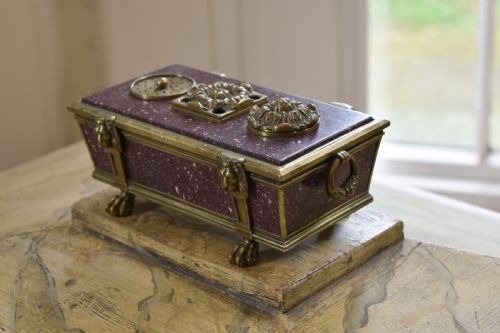
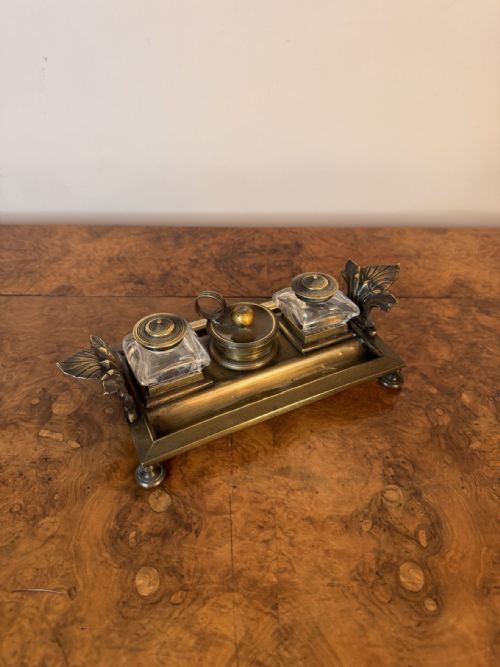
Pieces frequently combine cast brass with cut glass inserts, marble bases, or wooden chassis constructed from walnut, oak, and coromandel.
Victorians favoured elaborate figural designs featuring animals, reptiles, and novelty mechanics alongside classical French ormolu and neoclassical bronze models.
How They Were Made
Foundry work relied on sand-casting or lost-wax methods for brass and bronze components, followed by hand-chasing to sharpen surface detail and ornamentation.
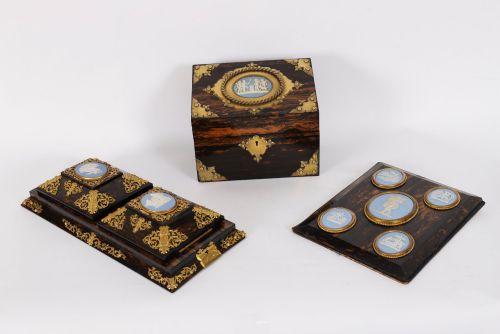
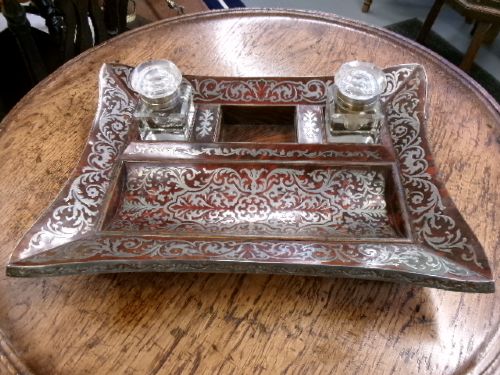
Glass elements were mouth-blown and heavy-cut to form precise faceted wells, while decorative surfaces integrated champlevé enamel, boulle marquetry, or inlaid mother-of-pearl.
Mounts and hinges utilised threaded brass screws or pinned joints to secure glass inserts within heavy metal frames and wooden trays.
Antique Brass Inkwell Retail Price Guide 2026
Typical asking prices for brass inkwell among the pieces listed under this phrase on Sellingantiques today, from the lower quarter to the upper quarter. They describe what is for sale here now, not the wider market.
Art Nouveau examples showcase organic bronze forms and specialised glass inserts from makers like Kralik and Loetz.
What Varies in Quality
Casting depth and hand-finishing determine the crispness of chased details, separating mass-produced items from deeply modelled figural pieces and bespoke desk sets.
The integration of materials dictates overall harmony, where high-grade heavy cut glass, genuine marble or onyx bases, and intact glass eyes elevate simple utilitarian items.
Originality of components, including matching ink inserts and undamaged hinged lids, marks the distinction between heavily altered examples and well-preserved survivals.
The Antique Brass Inkwell Glossary
- Inkstand
- A fitted tray or stand holding one or more inkwells alongside pen rests and sometimes a sander or bell. These desk accessories formed the centrepiece of formal writing furniture.
- Ormolu
- Gilded bronze produced by applying a mercury-gilding process to cast brass or bronze. The technique yields a rich, durable golden surface seen on French empire and Victorian pieces.
- Encrier
- The French term for an inkstand or inkwell. These pieces often incorporate decorative mounts, porcelain plaques, or enamel work.
- Standish
- An early portable or stationary desk stand equipped with ink and powder containers. Georgian and Victorian examples frequently feature raised feet and carrying handles.
- Boulle work
- Marquetry technique utilising brass and tortoiseshell inlaid in ornate floral or arabesque patterns. This decorative surface adorned luxury nineteenth-century desk stands.
- Champlevé
- Enamelling method where troughs are hollowed into a metal surface and filled with vitreous enamel before firing. The resulting coloured patterns decorate nineteenth-century French pieces.
Antique Brass Inkwell: Frequently Asked Questions
What is the difference between an inkwell and an inkstand?
An inkwell is a single container designed specifically to hold liquid writing ink, usually featuring a hinged lid to prevent evaporation. A desk stand or inkstand incorporates the inkwell alongside trays for pens, wafers, and sand.
Standalone inkwells often served for travel or bedside use, whereas larger inkstands remained stationary on library desks and writing tables.
How do I identify a Victorian figural inkwell?
Victorian figural pieces typically cast animals such as owls, dogs, cats, and tortoises in solid brass or bronze. Many incorporate glass inset eyes and hinged heads that lift to reveal the ink container.
These novelty designs gained immense popularity during the late nineteenth century, combining whimsical subjects with functional desk accessories.
What materials are commonly found with brass inkwells?
Brass frames frequently house heavy cut-glass or crystal pots to hold the ink without corrosion. Bases often employ decorative stones like Sienna marble, green onyx, or agate mounts.
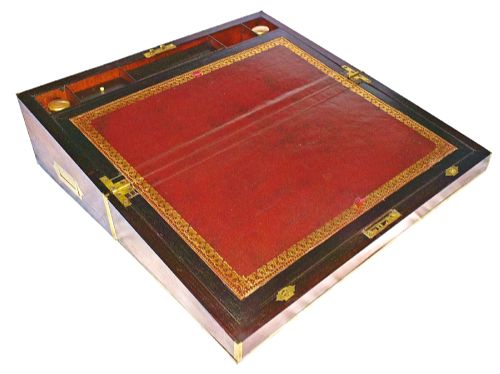
Fitted desk sets also incorporate cabinet woods including walnut, coromandel, oak, and mahogany, sometimes highlighted with mother-of-pearl and inlaid brass.
Are travel inkwells different from desk models?
Travel inkwells feature secure, threaded screw-tops and leather travel cases to prevent leakage during transit. Campaign and pocket versions were engineered to remain sealed in luggage.
Stationary desk models prioritize decorative bases and heavy stone or wooden mounts over portable sealing mechanisms.