


Antique Brass Footboard
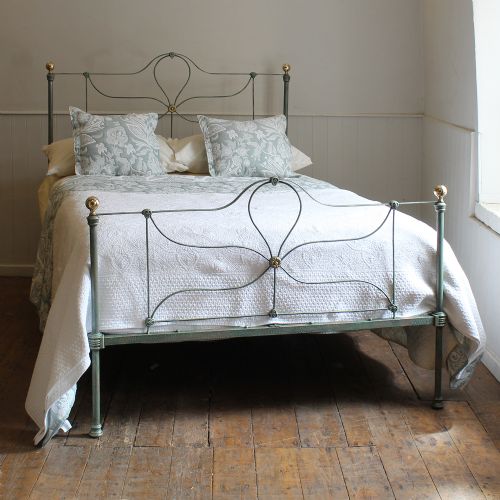
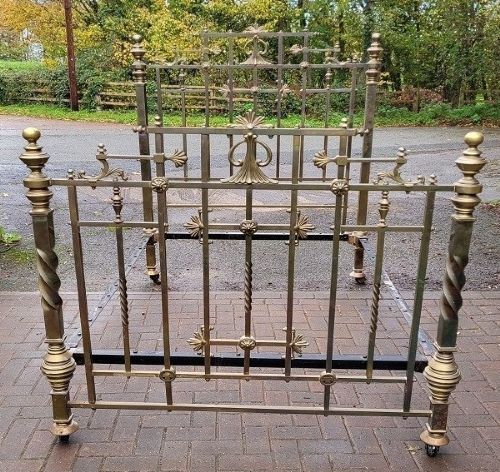
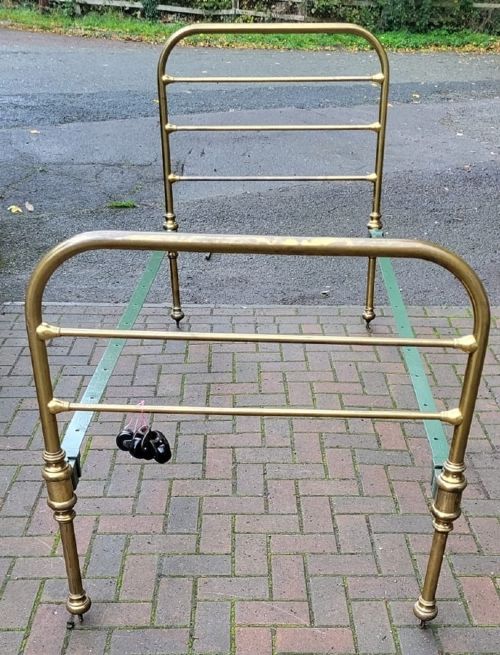
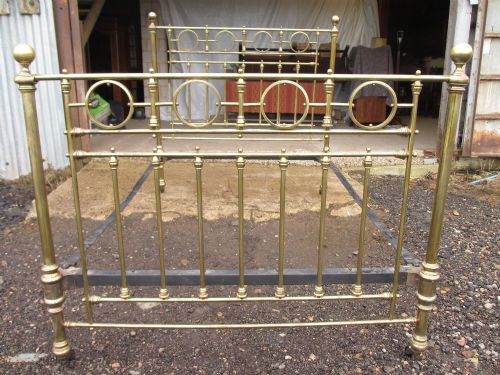
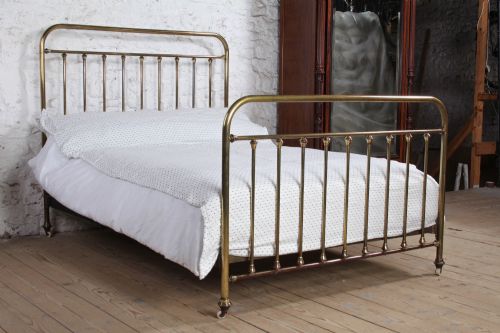
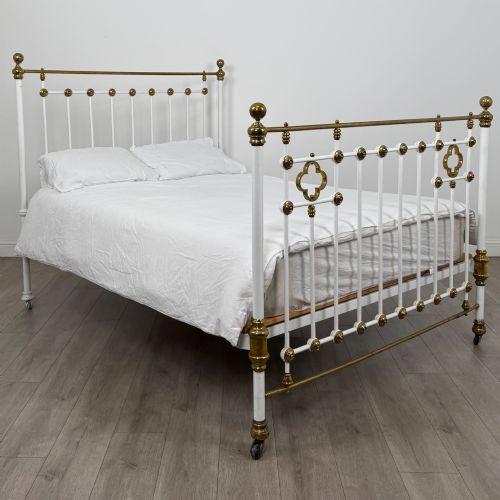
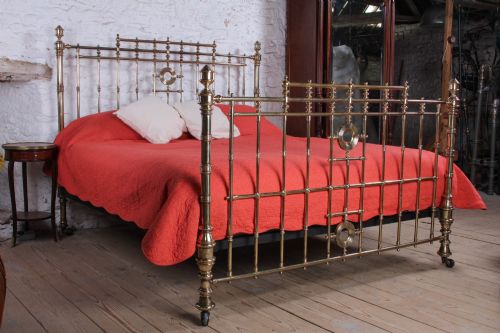
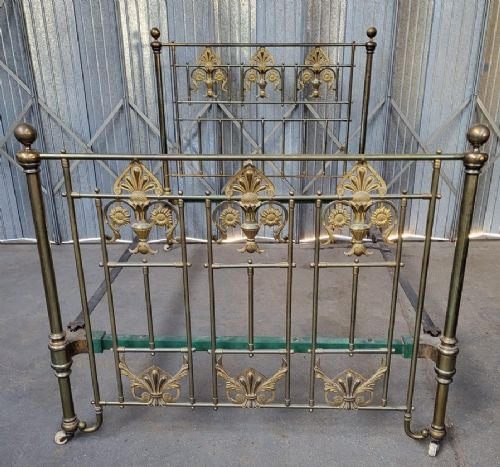
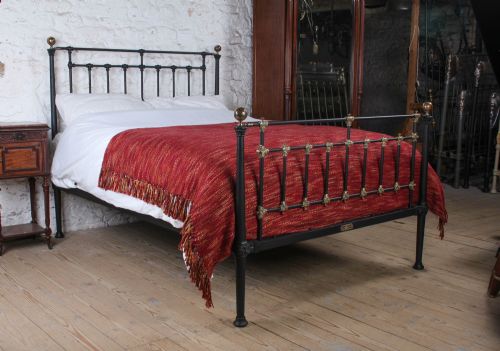
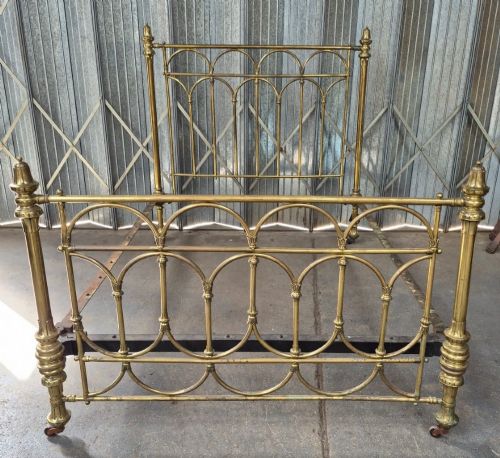
An antique brass footboard anchors a traditional bedstead, combining polished metal framework with sturdy iron support to bring genuine period character into a bedroom.
Antique Brass Footboard
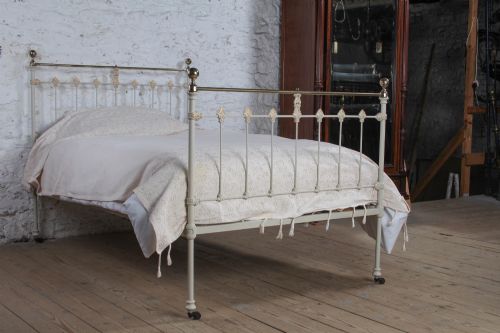
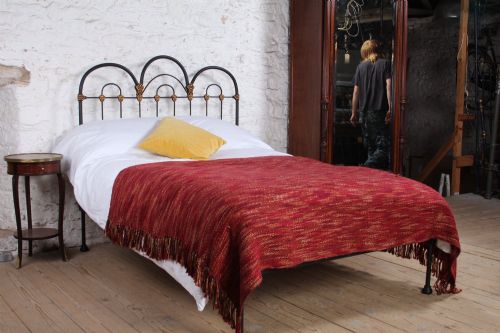
An antique brass footboard appears within listings primarily as a component of larger Victorian and Edwardian bedframes, often paired with matching headboards. Buyers searching for an antique brass footboard encounter complete iron and brass bedsteads spanning single, double, queen, king, and super king sizes.
The pieces originate predominantly from the nineteenth and early twentieth centuries, reflecting diverse design movements such as Gothic Revival, Aesthetic Movement, and Arts and Crafts. Standard configurations include traditional high-end footboards alongside low-end or no-end styles designed to create a more open feel in a room.
Materials and Construction
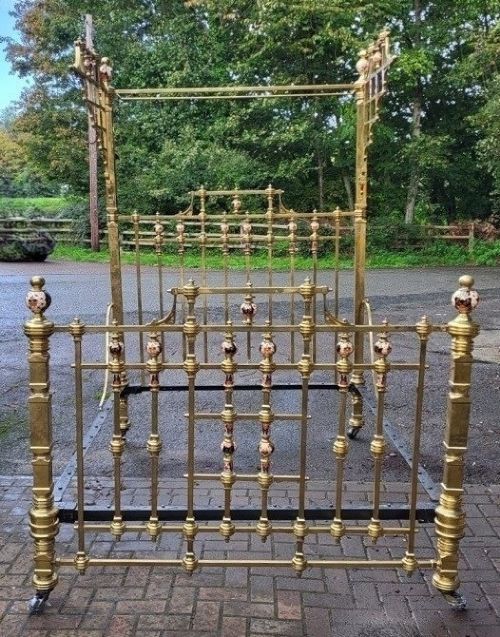
Makers constructed these frames using a combination of polished brass tubing and structural cast or wrought iron, occasionally incorporating wooden elements such as maple or ceramic details. Iron side rails slot into position, supporting the overarching metal framework that often rests upon small castors.
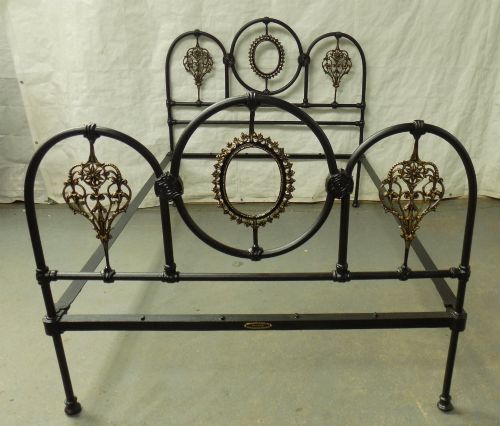
Casting techniques allowed workshops to produce ornate joints, decorative finials, and tapered posts that secured the metal components together firmly. Painted metal and cream finishes frequently complemented the polished brass surfaces, adding contrast and durability to the framework.
Listings feature bedsteads spanning eight distinct periods from the 1860s through to 1910, constructed in brass, cast iron, wrought iron, and maple wood.
Design and Execution
The distinction between standard manufacturing and exceptional production lies in the intricacy of the metal detailing and the reputation of the supplying house. Pieces bearing maker stamps from prominent firms exhibit superior casting quality and more complex decorative motifs.
Proportion and structural integrity define the higher tiers of surviving bedsteads, where heavy-gauge brass tubing and substantial iron frames remain straight and uncompromised. Simpler, utilitarian models offer sturdy daily service without the elaborate embellishments found on exhibition-grade examples.
Winfield·Maple and Co·James Shoolbread and Co
The Antique Brass Footboard Glossary
- Bedstead
- A framework of a bed upon which the mattress is placed. This term encompasses the headboard, footboard, and connecting side rails.
- Half Tester
- A type of bedstead featuring a canopy that extends only partway over the head of the bed. It provides a striking vertical element without enclosing the entire sleeping area.
- Gothic Revival
- An architectural and decorative style drawing inspiration from medieval forms. Pieces in this category display pointed arches, trefoils, and ecclesiastical motifs.
- Aesthetic Movement
- A late nineteenth-century design phase emphasising visual beauty over narrative subject matter. Furniture from this period focuses on refined lines and decorative surface design.
- Arts and Crafts
- A movement prioritising traditional craftsmanship and honest construction methods. Items reflecting this ethos showcase simpler, robust forms with visible attention to detail.
Antique Brass Footboard: Frequently Asked Questions
How do I measure for a modern mattress?
Historic bedsteads often deviate slightly from contemporary standard mattress dimensions due to nineteenth-century sizing conventions. Careful internal measurement of the side rails ensures a proper fit.
Custom mattress suppliers can accommodate specific frame widths and lengths if the antique dimensions do not match standard retail sizes.
Are these beds stable for daily use?
Original iron and brass frames offer robust structural support when assembled correctly with their designated slot-in side rails. The heavy metal components provide substantial weight and rigidity.
Regular checks to ensure the joints remain tight will keep the bedstead secure and steady during everyday sleeping use.
How should I clean polished brass?
Polished brass surfaces respond best to gentle dusting with a soft cloth to prevent the accumulation of airborne grime. Avoid harsh chemical abrasives that can strip the protective lacquer.
Preserving the original patina requires minimal intervention, allowing the metal to age naturally over decades of domestic use.
Can I mix these beds with modern decor?
The metallic sheen and architectural lines of Victorian and Edwardian bedframes complement minimalist contemporary interiors effectively. The contrast between old and new highlights the craftsmanship of the period.
Neutral bedding and simple surroundings allow the ornate details of the footboard to serve as a natural focal point in the room.
What distinguishes Victorian from Edwardian frames?
Victorian designs frequently incorporate heavier ornamentation, gothic influences, or elaborate Aesthetic Movement detailing. The construction relies on robust, complex casting methods.
Edwardian pieces often lean towards simpler French styles and lighter overall proportions, reflecting a shift in domestic taste toward airier bedroom furniture.