
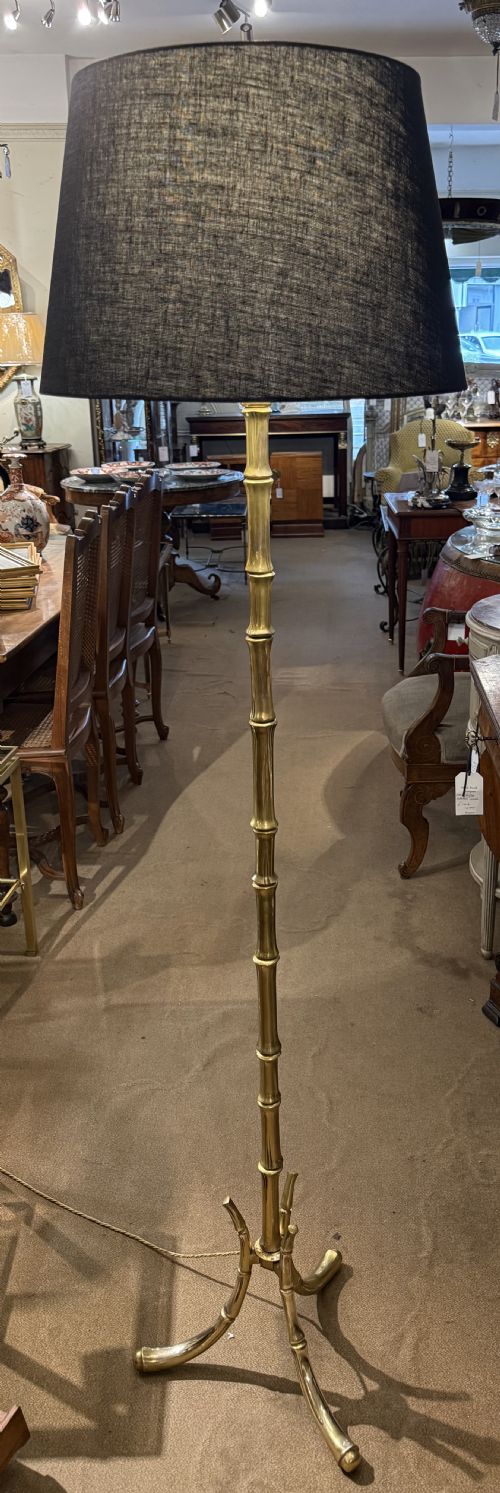

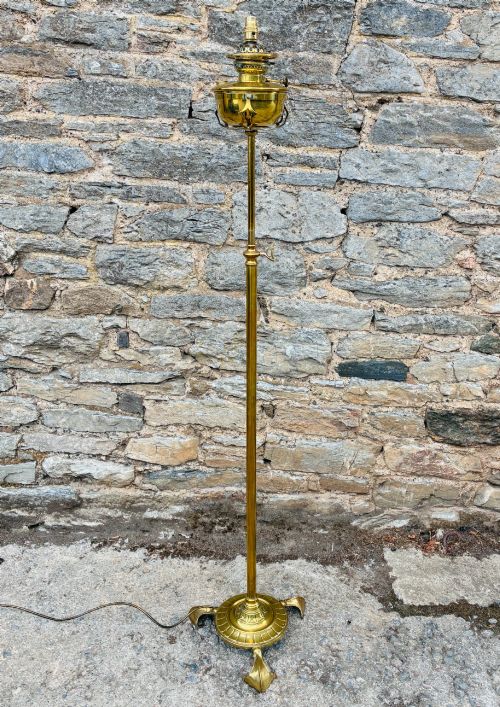
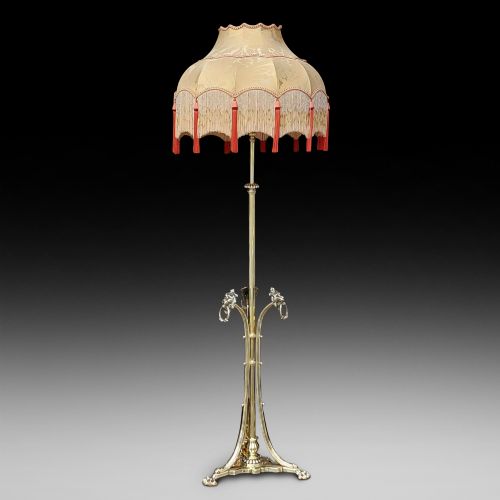
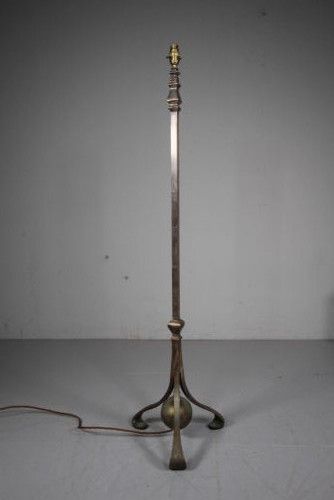
Antique Brass Floor Lighting
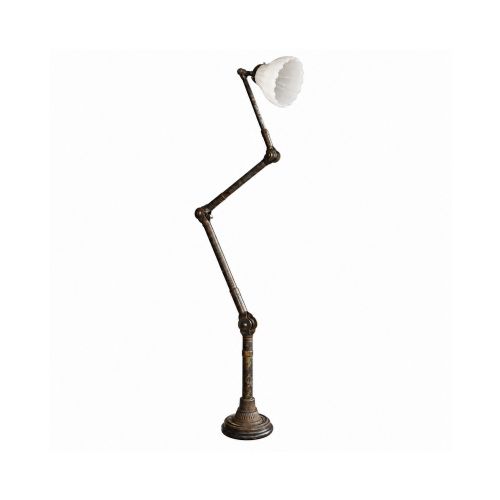
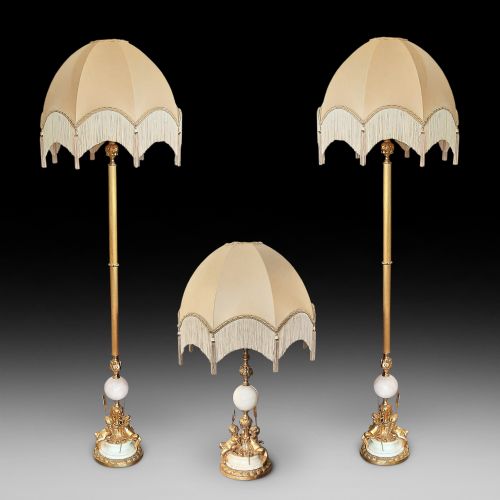
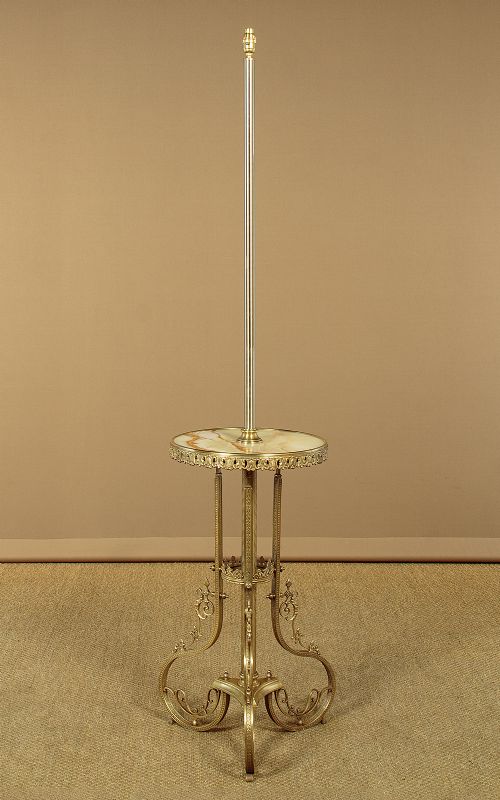
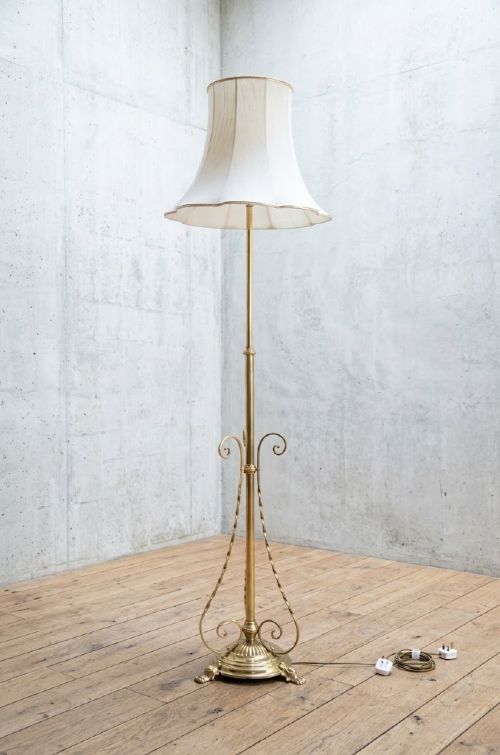
Antique brass floor lighting brings height and warmth to a room, spanning Victorian oil standards to Art Nouveau designs.
Antique Brass Floor Lighting
Antique brass floor lighting encompasses standard lamps, floor lamps, and converted oil lamps that rise from heavy metal bases to illuminate large spaces. You will frequently encounter Victorian and Edwardian examples alongside pieces from the 1920s and 1930s.
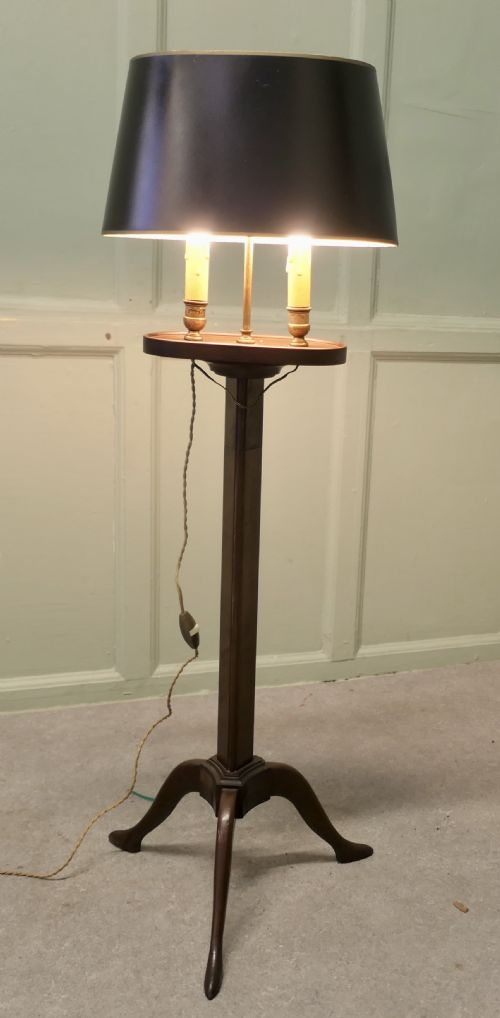
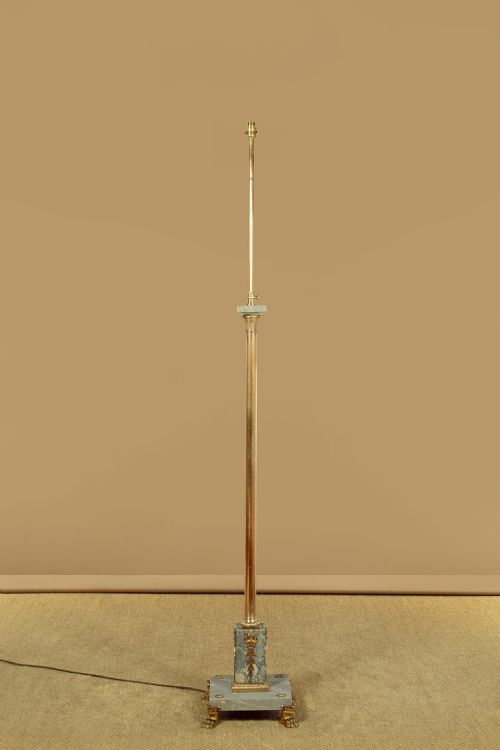
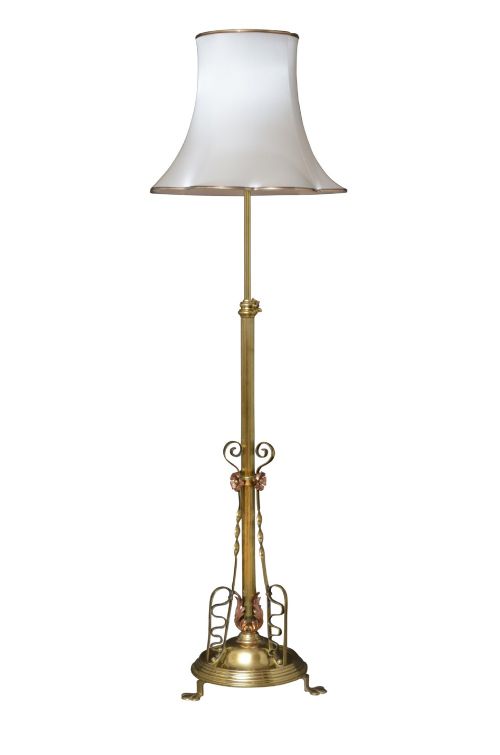
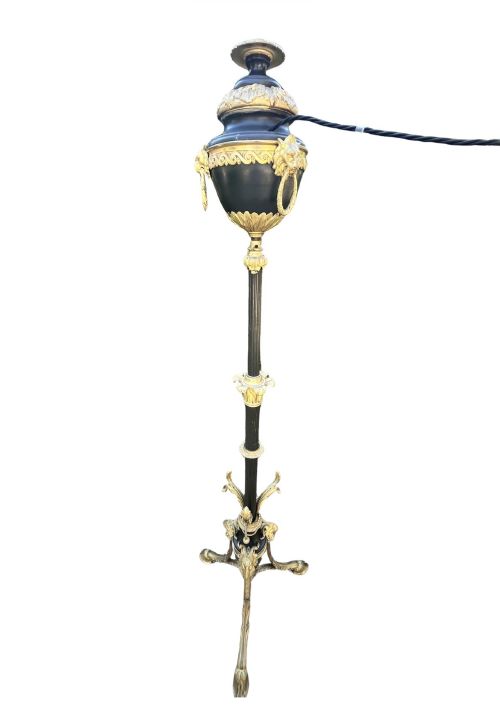
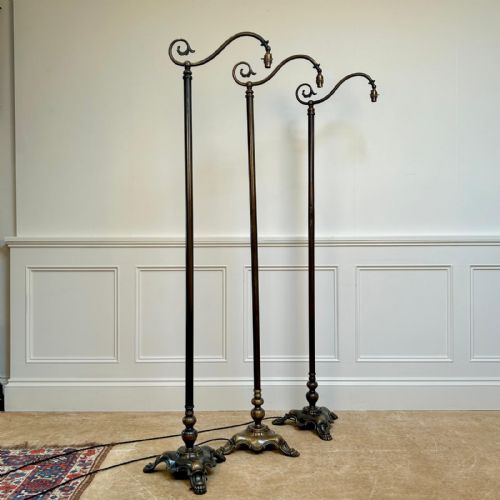
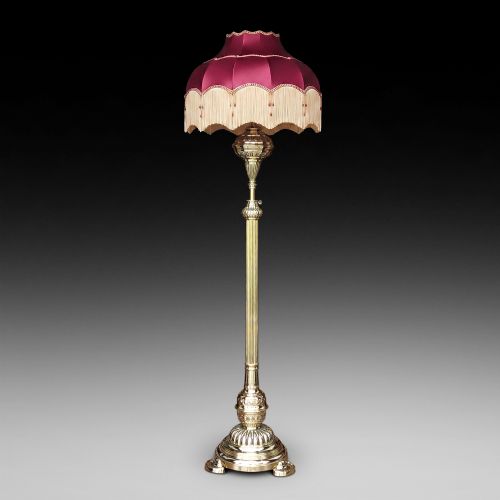
The selection ranges from Corinthian column standards and telescopic oil lamps to tripod designs and bouillotte twin candle configurations. Many pieces bear stylistic influences from Neoclassical, Art Nouveau, and Arts and Crafts traditions.
Earlier versions often show conversion from oil burning to electricity, while later twentieth-century pieces introduce uplighter forms and searchlight styles. French and English origins predominate across the inventory.
Evaluating Quality and Proportion
Substantial weight in the base distinguishes superior standards from lighter alternatives, ensuring the tall frame remains stable when extended. The precision of the screw keys and the smoothness of the telescopic action indicate the standard of original manufacture.
Casting definition separates standard production from finer workshop output, particularly in the crispness of acanthus leaves on Corinthian capitals or openwork floral bases. Integrity of materials matters, with solid brass columns holding more substance than plated substitutes.
Listings span the Victorian era through the 1930s, featuring brass, copper, glass, and cast iron across floor lamps and standard lamps.
Hinks of B'ham·Maison Bagues·Bleriot
The Antique Brass Floor Lighting Glossary
- Telescopic
- An adjustable stem design allowing the height of the lamp to extend or lower through a sliding inner tube. This mechanism is frequently secured with a side thumbscrew.
- Corinthian Column
- A classical architectural column form featuring an ornate capital decorated with carved acanthus leaves. It serves as a popular upright shaft for formal standard lamps.
- Standard Lamp
- A traditional British term for a floor-standing lamp designed to hold a single large bulb and shade. These fixtures typically stand beside armchairs or in room corners.
- Bouillotte
- A style of adjustable multi-candle or light fitting originating in France, often featuring twin candle arms and a central metal shade. It derives from traditional card game lighting.
- Uplighter
- A floor lamp configuration directing light upward toward the ceiling rather than downward through a shade. This form gained popularity during the 1920s.
Antique Brass Floor Lighting: Frequently Asked Questions
How do I operate a telescopic floor lamp?
Telescopic standards feature an internal sliding shaft secured by a small thumbscrew or key on the upper column. Loosening this fastener allows you to raise or lower the lamp to the desired height before tightening it again.
Care should be taken to support the upper section with one hand while adjusting the screw to prevent sudden drops. Ensure the electrical cord has sufficient slack inside the column before extending the height.
Were these lamps originally electric?
Many Victorian and Edwardian examples began life as oil lamps or candle stands before being converted to electricity later in their lifespan. You will often see burner assemblies adapted to house lamp holders and wiring.
This conversion process preserves the decorative brass reservoir and telescopic mechanism while updating the piece for modern domestic use. Fully original electric standards become more common as you move into the 1920s and 1930s.
How do I style a standard lamp at home?
Floor lighting works effectively in corners or beside seating areas where overhead illumination proves too harsh. Their height helps to balance large pieces of furniture and introduces vertical emphasis to a room.
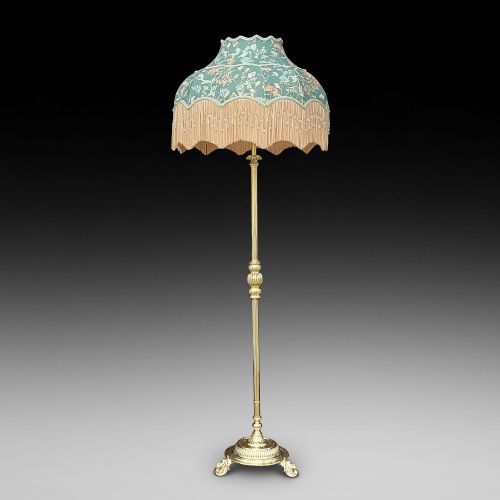
Pairing a brass standard with fabric shades diffuses the light warmly across traditional or eclectic interiors. The metallic finish complements dark wood furniture and period architectural details.
How do I date an antique brass floor lamp?
Dating relies on combining the stylistic details of the base, such as Art Nouveau whiplash curves or Neoclassical fluting, with the engineering methods used in the stem. Heavy cast iron bases and Corinthian capitals frequently point toward the nineteenth century.
Markings on the wick winders or weighted bases can sometimes identify specific makers like Hinks. The presence of simpler geometric lines and uplighter bowls generally suggests a 1920s or 1930s origin.