
Antique Brass Door Cabinet
An antique brass door cabinet brings warmth and polished metal detail to a room, holding books or china with quiet authority.
Antique Brass Door Cabinet
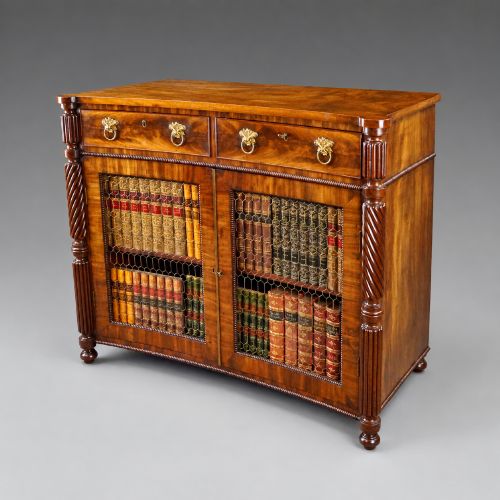
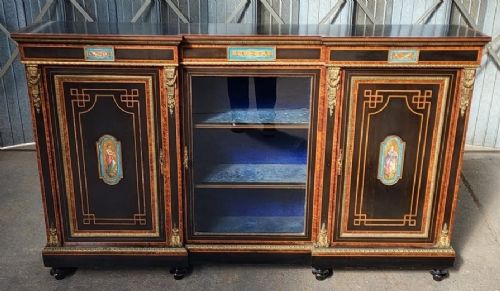
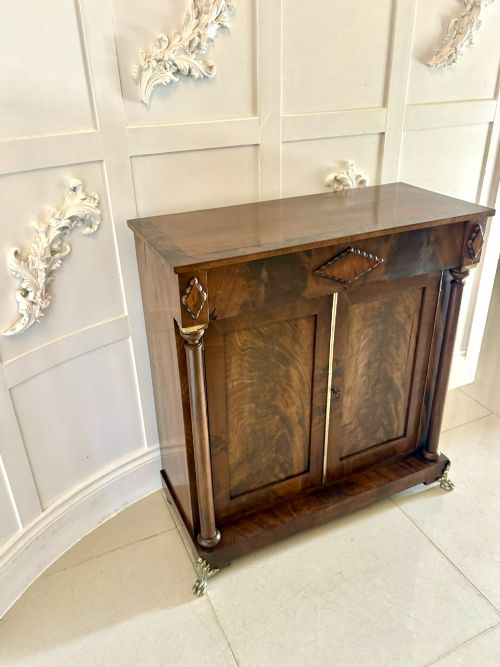
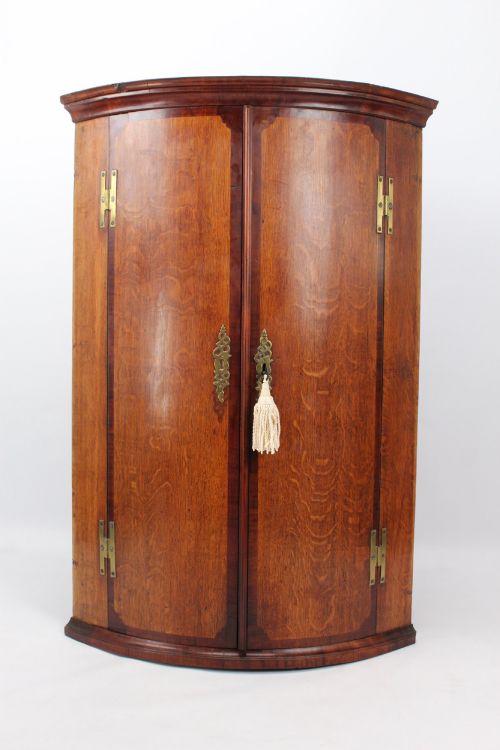
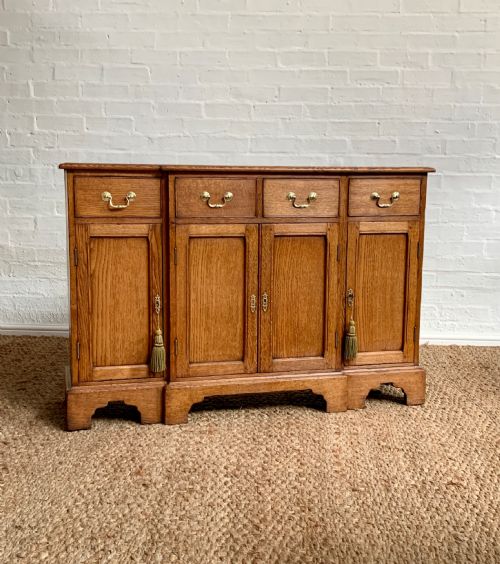
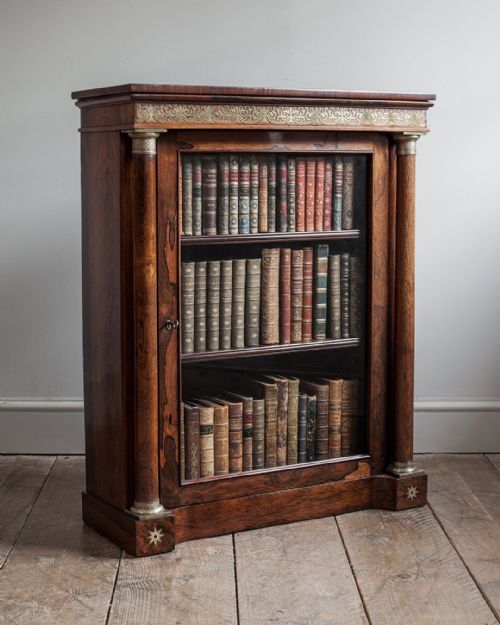
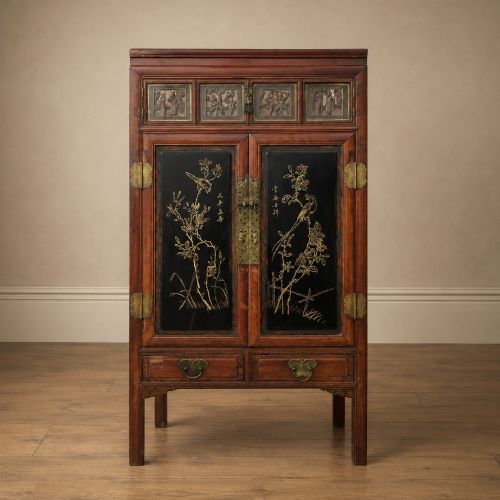
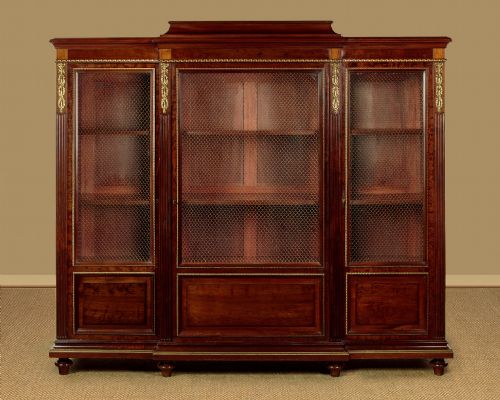
When you search for an antique brass door cabinet, you are looking at timber furniture fitted with metallic mounts, grilles, or panels. These pieces take many forms across the inventory, ranging from compact pier cabinets and corner cupboards to expansive breakfront bookcases and sideboards.
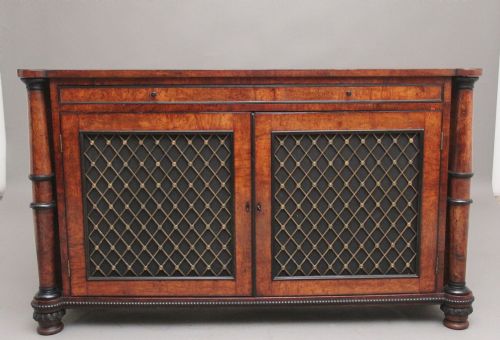
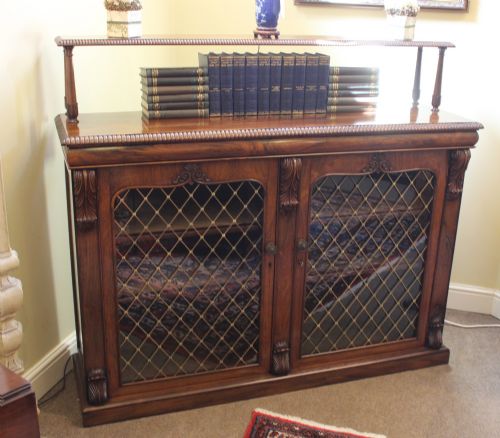
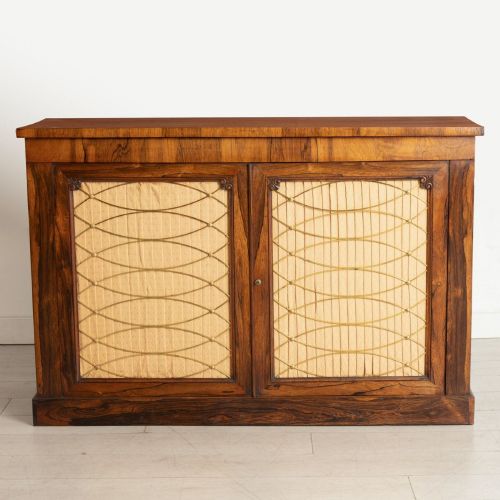
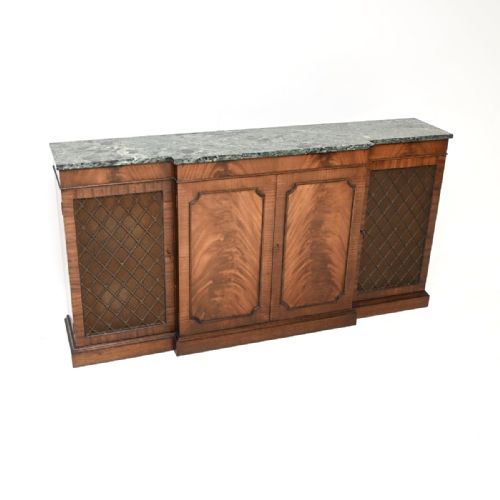
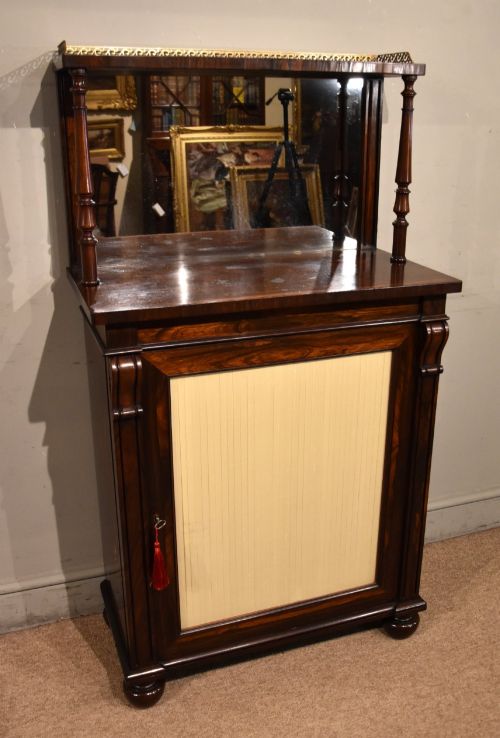
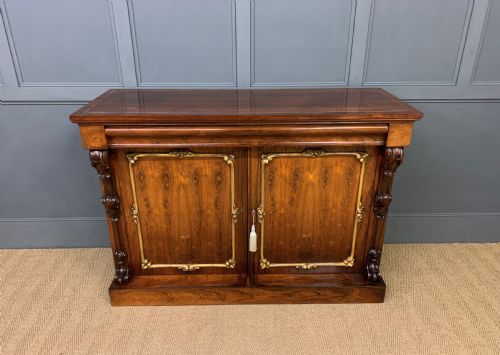
The most frequent encounter on this page is the rosewood or mahogany chiffonier and side cabinet from the Regency and Victorian eras, often fitted with brass grilles or stringing. Cabinets from this selection serve equally as display surfaces or enclosed storage in a traditional interior.
Makers and cabinetmakers built these storage pieces across multiple centuries, including Georgian, Regency, and Victorian periods, alongside later Arts and Crafts interpretations. Each period imparts distinct proportions and timber choices to the finished carcase.
Materials and Construction
Craftsmen built the carcases of these cabinets using dense native and exotic hardwoods such as mahogany, rosewood, pollard oak, and burr walnut, frequently laid over secondary pine or oak foundations. These timbers provided a stable base for fine cabinet work and elaborate marquetry.
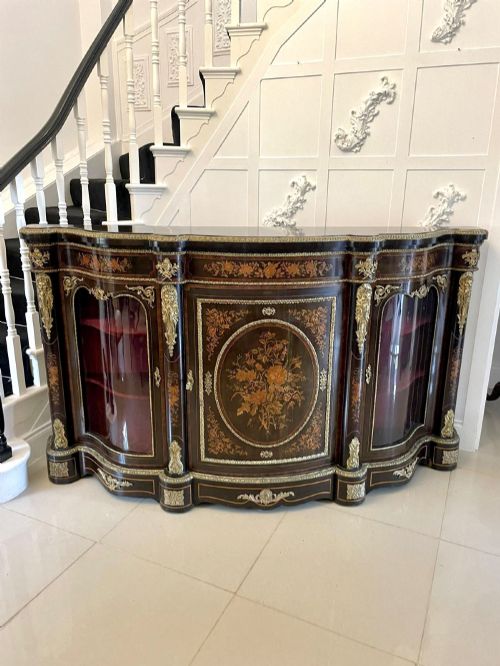
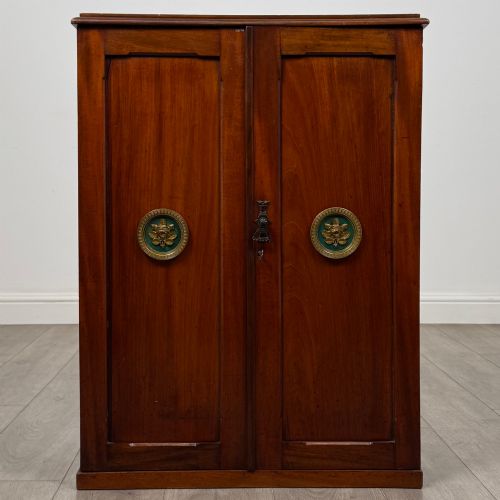
Metalwork defines this category through cast or gilt ormolu mounts, brass stringing inlaid into the wood, and woven wire grilles set into door frames. These brass elements required precise hand-fitting by specialist metalworkers working alongside the cabinetmaker.
The listings on this page span the 17th century style through to the 1930s, featuring walnut, mahogany, rosewood, and oak.
Distinctions in Quality
Quality rests in the precision of the cabinetmaker's joinery and the crispness of the brass inlay or cast ormolu mounts. Finer pieces demonstrate seamless integration between the metal hardware and the surrounding timber grain, without gaps or crude fixings.
The selection of veneers creates another clear division, with top-tier examples utilising highly figured rosewood, burr walnut, or pollard oak matched symmetrically across the door panels. Poorer specimens rely on flat, unfigured boards with minimal secondary detail.
Louis Constantin Le Gaigneur·Liberty & Co.
The Antique Brass Door Cabinet Glossary
- Ormolu
- Gilded bronze or brass applied as decorative mounts to furniture. This technique was widely utilised during the Regency and Victorian periods to accent dark hardwoods.
- Pier cabinet
- A small display or storage cabinet designed specifically to fit the wall space between windows. These pieces often feature glass or brass grille doors.
- Chiffonier
- A low sideboard or cabinet developed in the early nineteenth century, frequently equipped with shelves or a superstructure on top. They typically enclose space behind two doors.
- Stringing
- Thin lines of contrasting wood or brass inlaid into the surface of a piece. It outlines panels and drawers to create geometric patterns.
- Breakfront
- A piece of furniture where the central section projects forward from the flanking wings. This architectural arrangement adds depth and shadow to large bookcases and sideboards.
Antique Brass Door Cabinet: Frequently Asked Questions
What rooms suit an antique brass door cabinet?
These cabinets suit living rooms, dining rooms, and studies where enclosed storage meets display requirements. Their timber carcases and metal accents complement both traditional and contemporary interiors.
The compact proportions of pier cabinets and corner cupboards allow them to fit into tighter spaces, while larger breakfront bookcases require substantial wall expanses.
How do I tell Regency from Victorian cabinets?
Regency pieces often display classical restraint, featuring symmetrical brass inlay, rosewood veneers, and architectural brass grilles reflecting early nineteenth-century taste. Proportions tend to be lighter and more linear.
Victorian cabinets generally exhibit heavier timber selections like burr walnut and ebonised finishes, alongside more exuberant marquetry, elaborate ormolu mounts, and deeper carcase depths.
Were brass grilles always used for books?
Brass wire grilles served multiple functions, allowing air circulation in music cabinets and visibility in bookcases while protecting fragile contents from damage. They also added textural contrast to polished mahogany and rosewood doors.
Cabinetmakers paired these metal lattices with fabric linings behind the mesh in some instances, obscuring the contents while retaining the metallic aesthetic on the exterior.