




Antique Brass Castor Stool
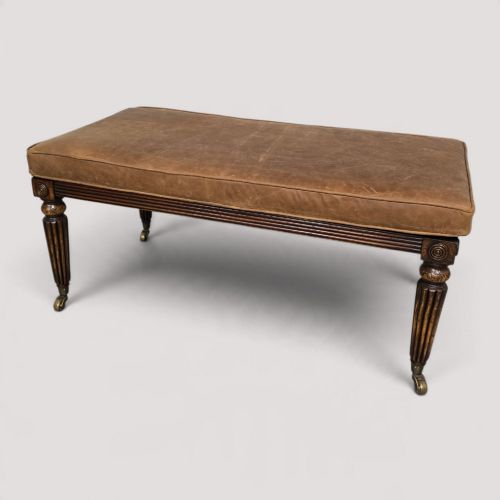
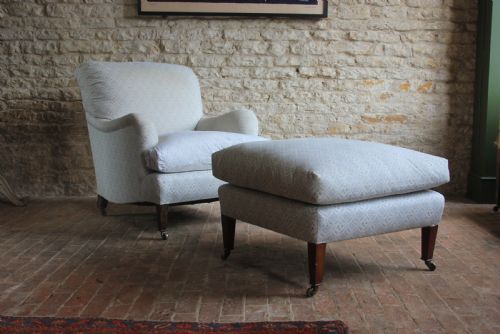
These antique brass castor stool pieces are low seating forms raised on small wheels, offering movable comfort and period charm.
Antique Brass Castor Stool
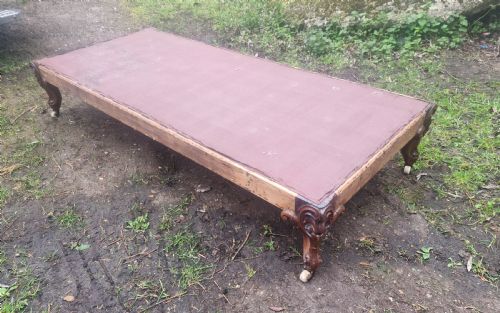
When you search for an antique brass castor stool, you encounter low seating forms designed for comfort and mobility near the hearth or window. The selection spans compact footstools, gout stools, ottomans, and window seats from Georgian, Regency, and Victorian periods.
You are most likely to meet mahogany, walnut, or rosewood frames resting on small metal wheels, often upholstered in chenille, fabric, or awaiting fresh upholstery. These pieces originate from English country house workshops and cabinet makers of the nineteenth century.
Materials and construction
Cabinet makers utilised dense timbers like mahogany, walnut, and rosewood to build sturdy frames capable of supporting heavy upholstery and daily use. These wooden structures frequently feature carved details, buttoned padding, and enclosed storage spaces in box ottomans.
Metal components include turned brass castor wheels attached to the feet to allow smooth movement across carpets and wooden floors. Upholstery techniques rely on traditional webbing and stuffing finished in textiles such as chenille.
Antique Brass Castor Stool Retail Price Guide 2026
Typical asking prices for brass castor stool among the pieces listed under this phrase on Sellingantiques today, from the lower quarter to the upper quarter. They describe what is for sale here now, not the wider market.
Some Victorian gout stools arrived with adjustable inclinations so gentlemen could rest their sore ankles in absolute luxury.
Judging quality and craftsmanship
The distinction between ordinary and exceptional examples rests upon the crispness of the timber carving and the architectural proportions of the frame. Superior pieces display refined joinery in hardwoods like rosewood and walnut, paired with original, well-cast brass mounts.
The integrity of the internal stuffing and the presence of maker signatures, such as those from Howard and Sons or James Shoolbred, elevate the standing of a piece. Finer examples maintain their original framework and castor mechanisms without structural alterations.
Howard & Sons·James Shoolbred
The Antique Brass Castor Stool Glossary
- Castor
- A small wheel mounted on a swivel attached to the legs of furniture to permit easy rolling. These fittings are commonly made of brass in nineteenth-century seating.
- Gout stool
- A specialised low footstool featuring an adjustable sloping top designed to elevate and support the foot of a person suffering from gout. These are typically encountered in walnut or mahogany.
- Ottoman
- A low upholstered seat or box without arms or a back, frequently fitted with a hinged lid for storage. Regency and Victorian examples often incorporate brass castors for mobility.
- Window seat
- A long, narrow upholstered bench designed to fit within the recess of a window. These forms appear in Georgian and Victorian styles with timber frames.
- Chenille
- A fuzzy, tufted pile fabric frequently utilised for the upholstery of nineteenth-century stools and chairs. It provides a tactile texture to the seating surface.
Antique Brass Castor Stool: Frequently Asked Questions
What is a brass castor stool?
A brass castor stool is a low nineteenth-century seat raised on small metal wheels for easy movement.
These pieces include footstools, gout stools, and ottomans framed in mahogany or walnut.
How do I date a footstool?
Dating relies on timber choices, leg styles, and construction methods characteristic of Georgian, Regency, or Victorian eras.
Earlier pieces show restrained mahogany frames, while mid-to-late nineteenth-century examples often feature walnut or rosewood with deep buttoning.
Were these stools used for storage?
Certain forms, particularly Regency box ottomans, incorporate internal compartments beneath hinged upholstered lids.
Standard footstools and window seats remain solid structures focused entirely on seating and foot support.
Can I reupholster an antique stool?
Many nineteenth-century stools arrive ready for new fabric or retain historical upholstery like chenille.
Reupholstery allows you to match existing room decor while preserving the underlying wooden frame and castor mechanisms.