

Antique Brass Brackets
Antique brass brackets hold up shelves, frame clocks, and support wall lights across Georgian and Victorian interiors.
Antique Brass Brackets
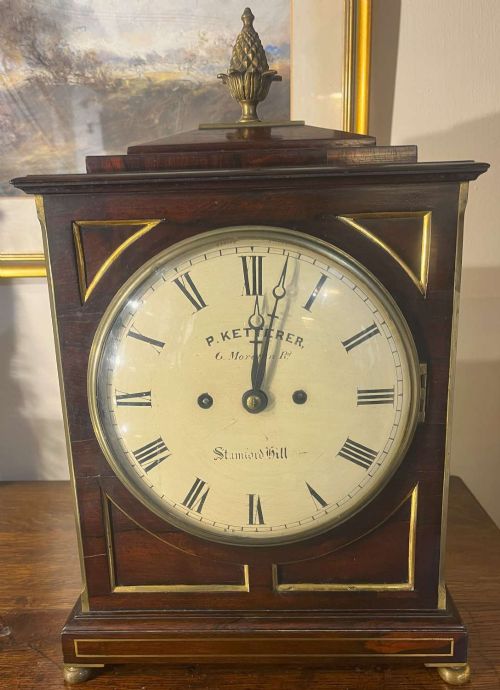
When you search for antique brass brackets, you encounter hardware and architectural fittings designed to support wall hanging shelves, heavy furniture feet, and bracket clocks from the Georgian, Victorian, and Edwardian periods.
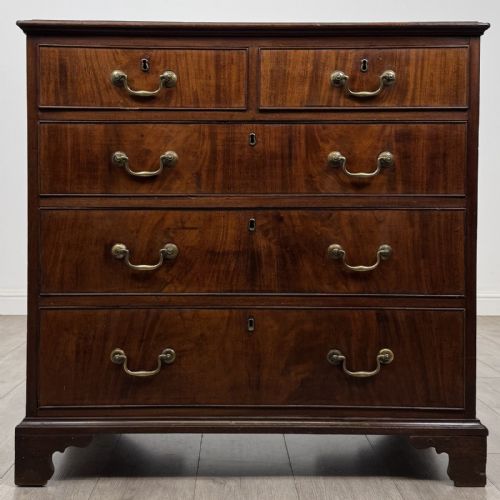
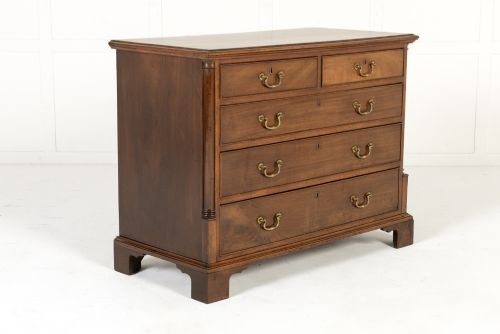
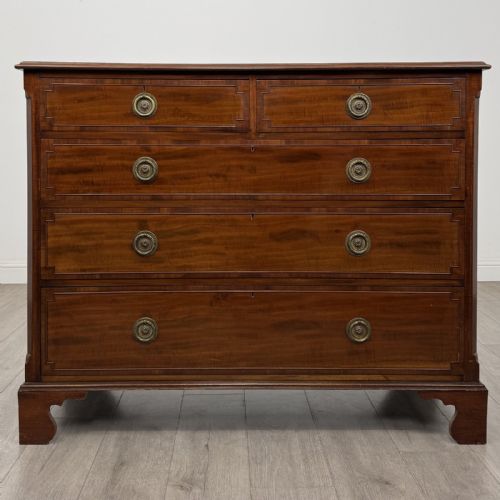
The versions most common on this page appear as functional supports integrated into mahogany chests of drawers, clock movements, and wall sconces.
Makers utilised brass alongside timber to provide structural strength and decorative contrast on functional items.
Materials and construction
Pieces combine cast or sheet brass with timbers such as mahogany, oak, walnut, and ebonised wood.
Metal components undergo casting and hand-finishing, while wooden elements feature dovetail joints, inlay, and polished surfaces.
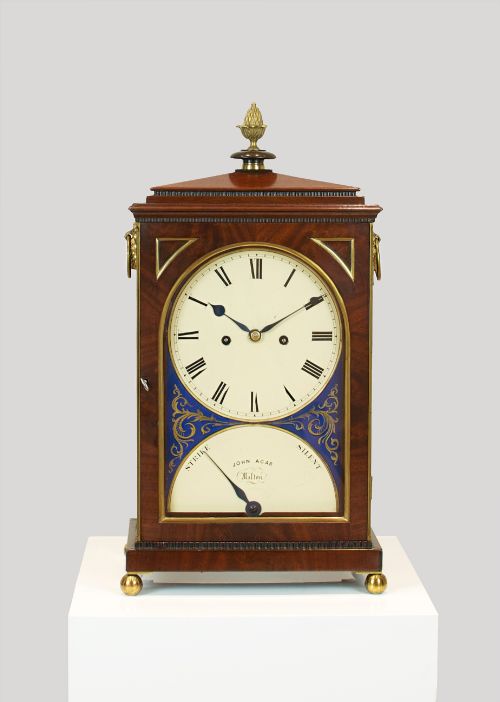
Listings combine brass hardware with Georgian and Victorian mahogany furniture, alongside striking bracket clocks from London makers.
Factors of quality
The distinction between tiers rests on the crispness of the metal casting, the density of the timber, and the precision of the joinery.
Earlier pieces from the eighteenth century demonstrate hand-filed brass work and finely figured mahogany or walnut veneers that outlast later mass-produced alternatives.
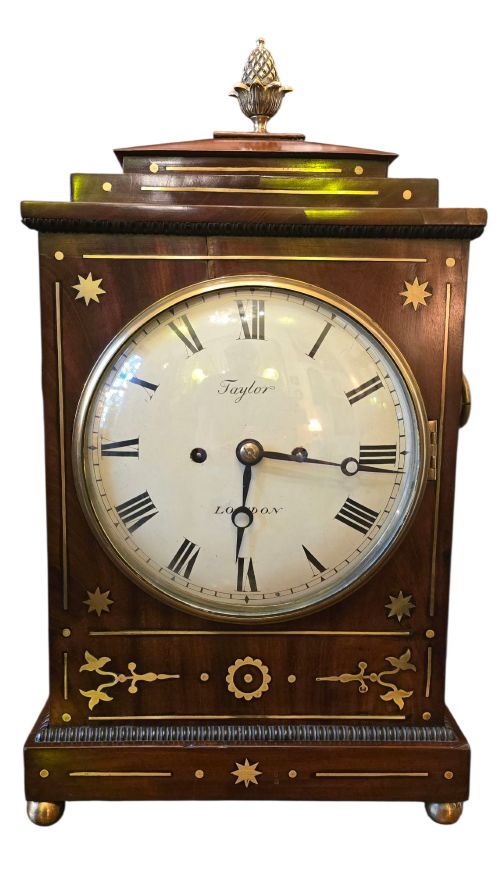
Taylor of London·W & H·Thomas Howard·Thomson of London·Cousens & Whiteside·Lenzkirch
The Antique Brass Brackets Glossary
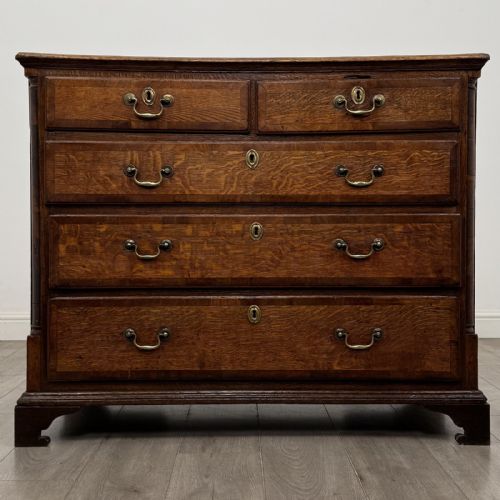
- Bracket foot
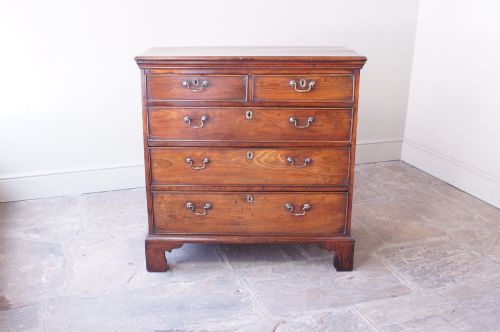
- A foot beneath a chest of drawers or cabinet that mitres at the corner and supports the weight above. This form is typical of Georgian case furniture.
- Bracket clock
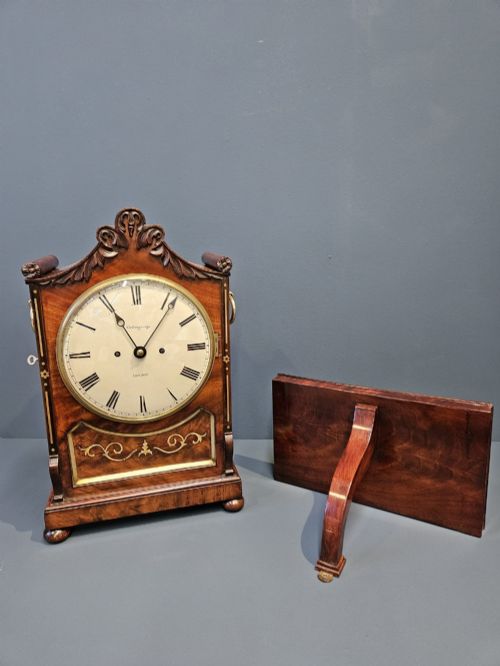
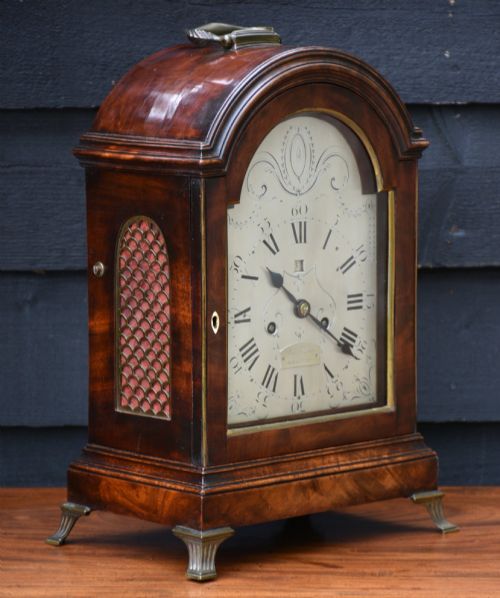
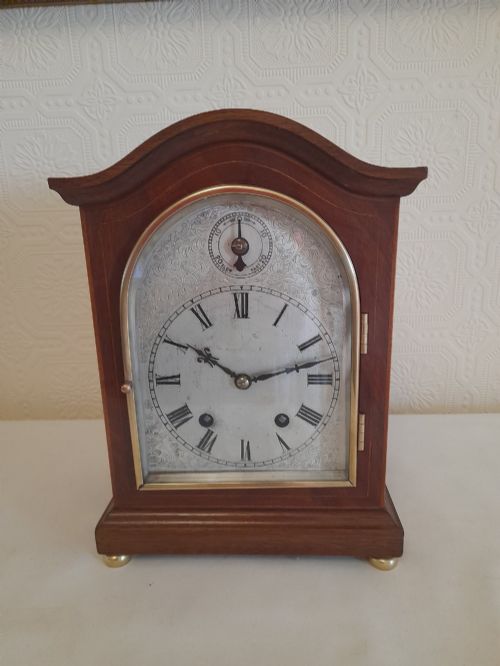
- A portable table or shelf clock originally designed to sit on a bracket to project sound. These movements often feature striking mechanisms and brass dials.
- Fusee
- A conical pulley within a clock movement that equalises the declining power of the mainspring. This mechanism ensures consistent timekeeping.
- Brushing slide
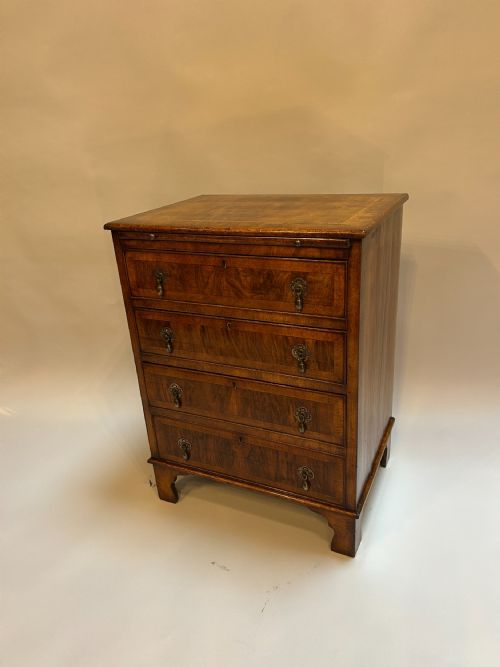
- A pull-out shelf integrated into the upper section of a chest of drawers. It functions as a temporary writing or grooming surface.
Antique Brass Brackets: Frequently Asked Questions
What is a bracket clock?
A bracket clock is a spring-driven clock built to stand on a shelf or wall bracket. These timepieces often include intricate brass dials and striking mechanisms.
Historically, owners placed them on matching brackets to allow the sound of the bell to travel effectively through the room.
How do I identify a Georgian chest of drawers?
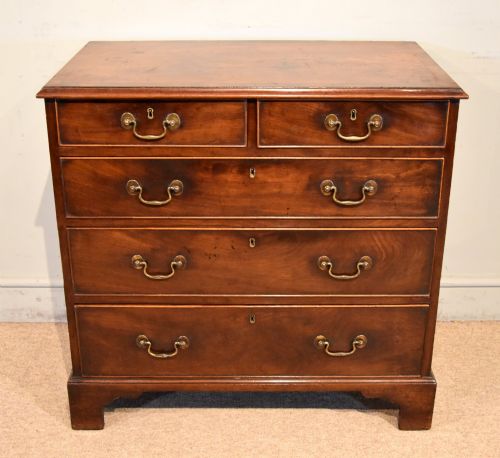
Georgian chests typically feature dense timbers like mahogany or walnut, hand-cut dovetail joints, and brass drawer pulls. Many rest on distinct bracket feet or incorporate brushing slides.
Proportions remain balanced, and secondary woods like oak appear inside the drawer linings.
Where were wall brackets placed?
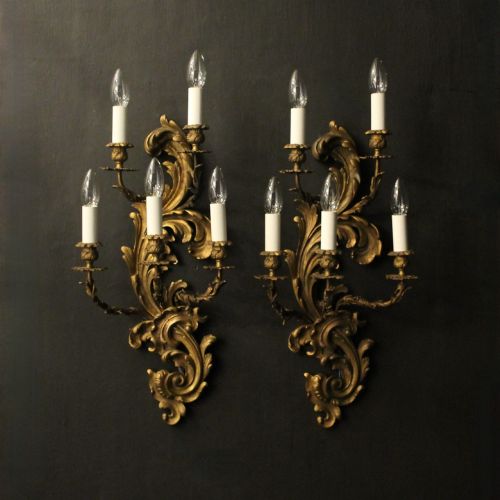
Wall brackets and hanging shelves supported small decorative objects, clocks, or lighting in parlours and hallways. They maximised floor space in period rooms.
Installations relied on secure fixings into masonry or timber studs to bear the weight of brass and hardwood.
What timber is most common?
Mahogany dominates the listings, appearing in various forms from Cuban mahogany to figured veneers. Walnut and oak also feature prominently in earlier pieces.
Cabinetmakers selected these hardwoods for their stability and capacity to accept fine polish and brass mounts.