


Antique Box with Games
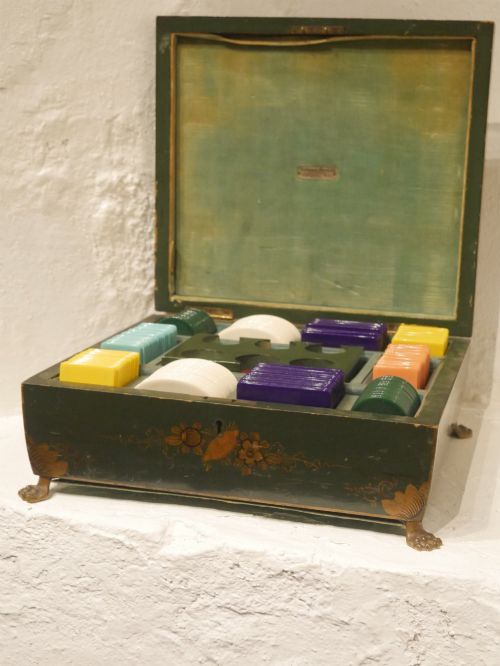
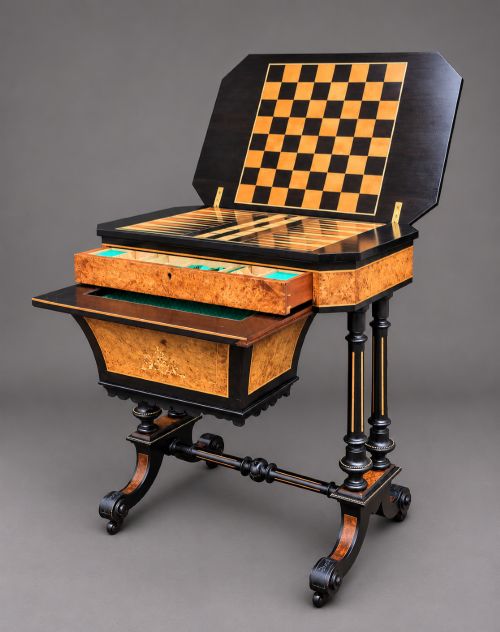
An antique box with games brings parlour entertainment straight to the table, housing chess sets, boards, and compendiums inside fitted wooden compartments.
Antique Box with Games
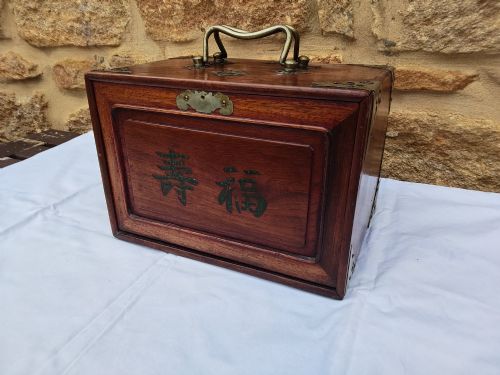
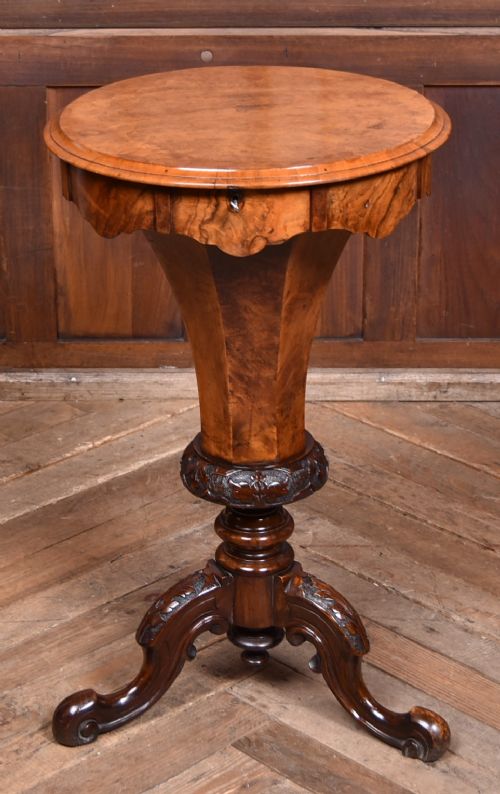
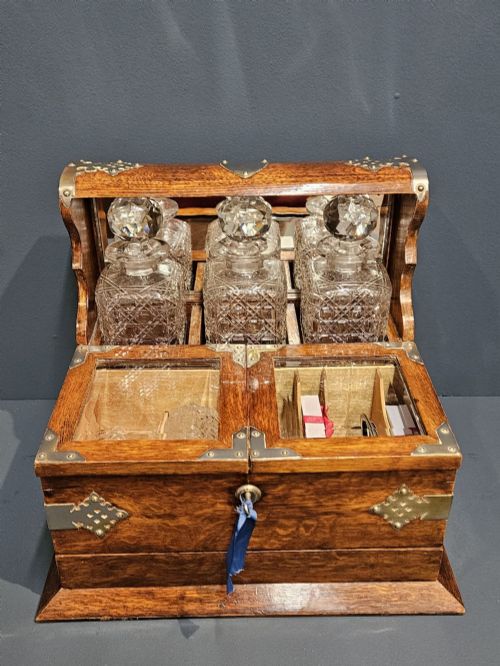
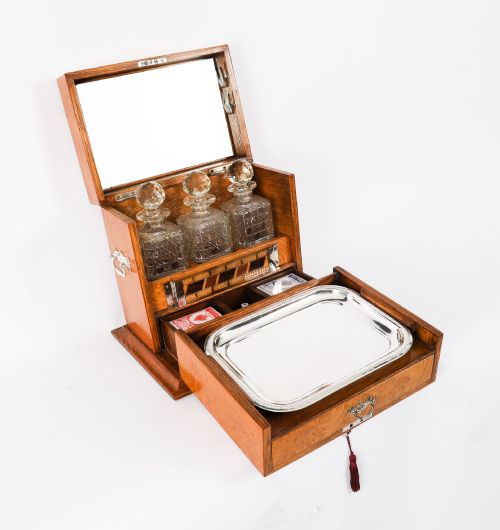
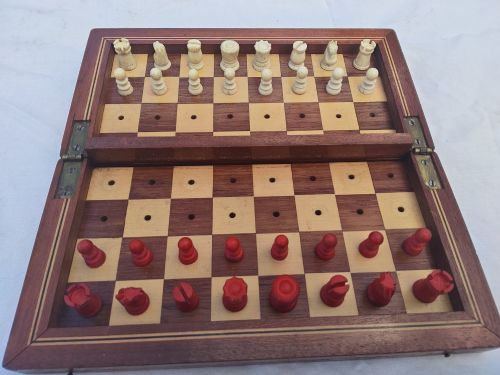
When you search for an antique box with games, you encounter fitted wooden caskets, compendiums, and folding boards designed for nineteenth and early twentieth century parlour entertainment. These pieces range from Victorian walnut boxes and Edwardian folding chess boards to 1880 golden oak tantalus dry bar games compendiums.
The most common examples on this page date from the nineteenth century, including Victorian periods, William IV, and 1880. They combine storage and play, often housing chess sets, draughts, and backgammon interiors within mahogany, walnut, or rosewood casings.
How they were made
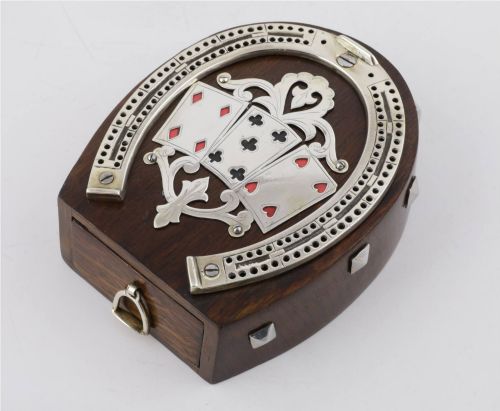
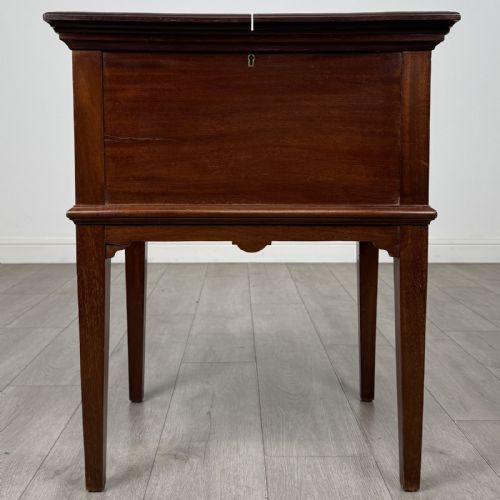
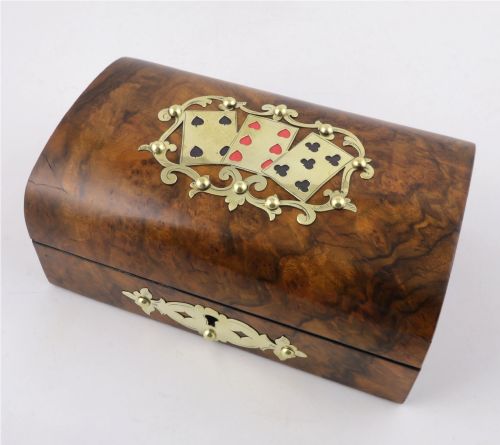
Cabinet makers utilised dense hardwoods such as mahogany, walnut, rosewood, and oak to construct the exterior boxes and tables, often incorporating brass hardware for hinges and locks. Interiors frequently featured inlaid wood or paper components to organise the playing pieces.
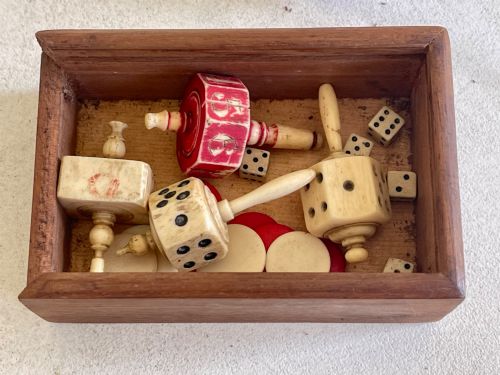
Game pieces themselves were turned and carved from boxwood, ebony, and bone, alongside specialised items like mother of pearl chessboards. Instructions and score markers utilised printed paper.
Antique Box with Games Retail Price Guide 2026
Typical asking prices for box with games among the pieces listed under this phrase on Sellingantiques today, from the lower quarter to the upper quarter. They describe what is for sale here now, not the wider market.
Some nineteenth century game sets arrived complete with instruction manuals, ensuring parlour disputes over rules could be settled instantly.
What varies in quality
The distinction between standard pieces and finer examples rests on the selection of timber veneers and the precision of the internal fittings. Superior items exhibit carefully matched grain patterns in walnut or rosewood and robust construction that withstands decades of opening and closing.
Another measure of quality lies in the execution of the game pieces and boards, such as finely turned boxwood and ebony chess sets or detailed mother of pearl inlays. Comprehensive sets retaining their original components and instructions hold greater integrity than composite assemblies.
F. H. Ayres·Calvert Pattern
The Antique Box with Games Glossary
- Compendium
- A collection of several different games housed within a single fitted box or cabinet. These multi-game sets typically include boards and pieces for chess, draughts, and backgammon.
- Tantalus
- A locking drink decanter stand frequently integrated into nineteenth century games compendiums. It displays spirits behind a secure wooden and brass framework while preventing unauthorised access.
- Boxwood
- A dense, pale wood commonly utilised for turning chess pieces and gaming counters. Its fine grain allows for sharp detail in carved elements.
- William IV
- A British design period spanning the early nineteenth century between Regency and Victorian eras. Furniture from this era displays robust classical proportions and rich rosewood timbers.
- Staunton chess set
- A standardised style of chess piece introduced in the mid nineteenth century featuring distinct, recognisable silhouettes. These sets became the definitive tournament standard.
Antique Box with Games: Frequently Asked Questions
What games are typically found inside these boxes?
These boxes commonly house chess sets, draughts, and backgammon boards within their fitted wooden compartments. Some larger compendiums also incorporate cards, dice, and complete instructions.
More elaborate examples combine games with dry bar sections and decanters, reflecting nineteenth century parlour hospitality.
How do I date a Victorian games box?
Dating relies on examining the timber species, construction methods, and hardware styles utilised in the box. Victorian pieces often feature walnut or rosewood veneers alongside brass hinges and locks specific to the nineteenth century.
Maker marks, stamped signatures, or accompanying paper instructions provide further chronological clues.
Are the game pieces usually original to the box?
Many boxes retain their original turned boxwood, ebony, or bone pieces, particularly when housed in fitted interior trays. However, because these items were heavily used for entertainment, some sets include replacement pieces gathered over time.
Inspecting the wear and material match between the pieces and the board helps determine originality.
How should I care for a wooden games box?
Keep the wood away from direct sunlight and fluctuating heat sources to prevent the veneers from splitting or warping. Dust gently with a dry cloth and avoid harsh liquid polishes that might damage antique finishes.
Store playing pieces in their designated compartments to avoid friction damage against the internal linings.