
Antique Box on Stand
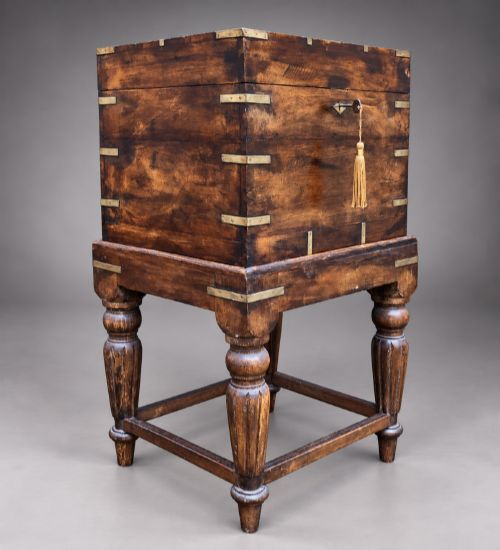
An antique box on stand brings portable writing boxes, strong boxes and storage chests off the floor on dedicated legs.
Antique Box on Stand
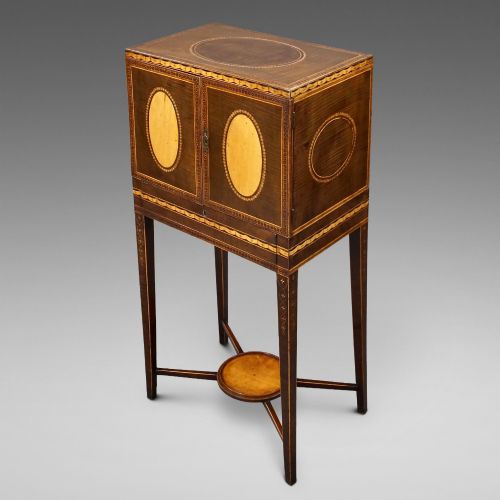
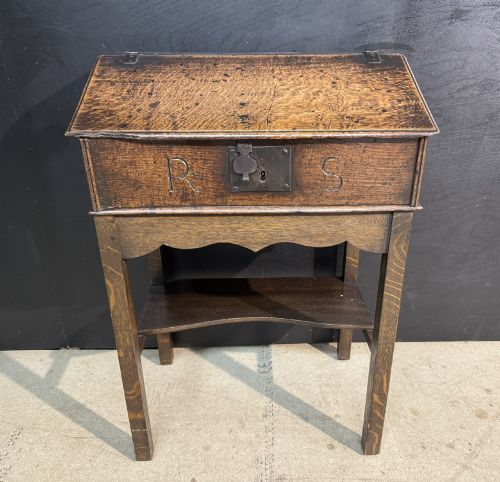
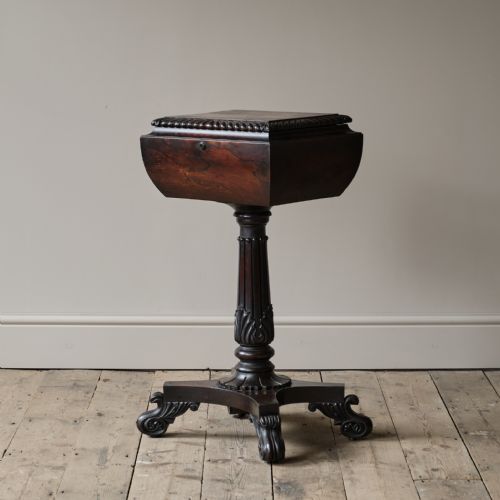
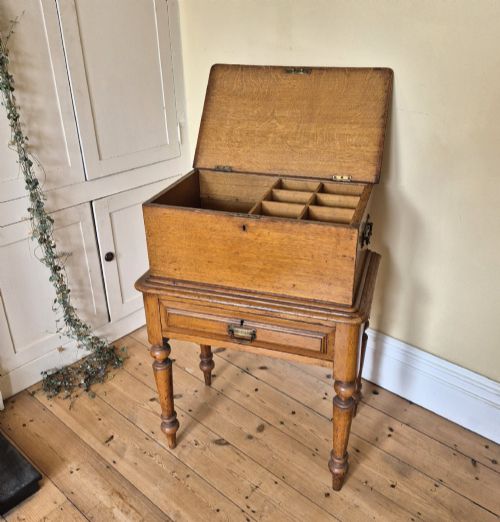
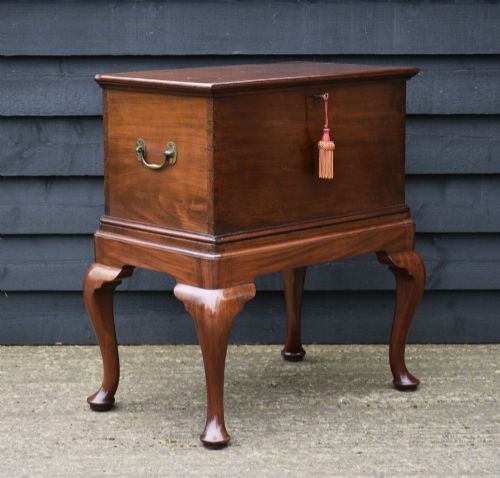
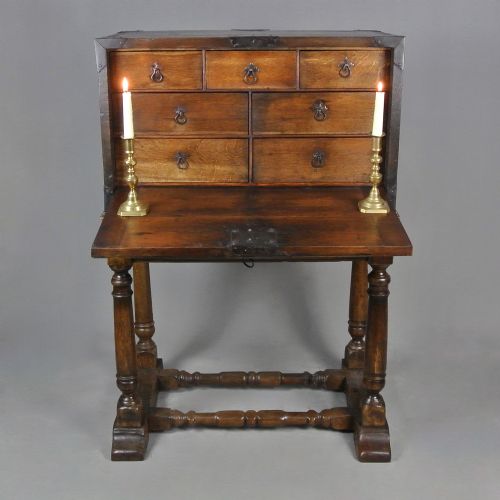
An antique box on stand combines a lidded chest, Bible box or writing slope with a fitted support, elevating desk accessories and small storage containers to a comfortable working height. Pieces range from sturdy 17th Century oak Bible boxes on stands to refined Georgian and Victorian iterations in mahogany, walnut and lacquered finishes.
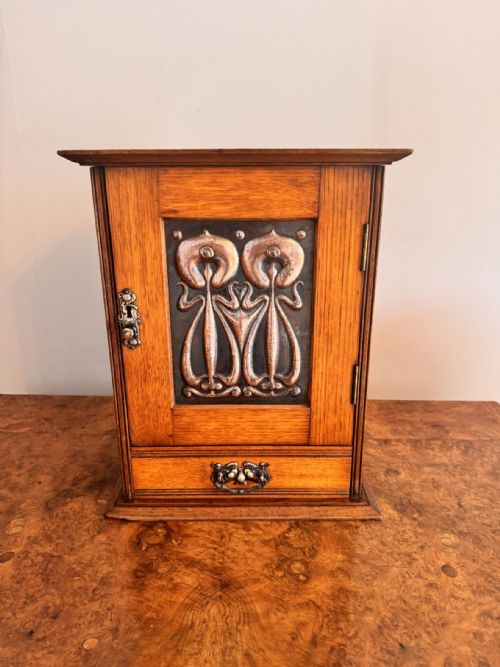
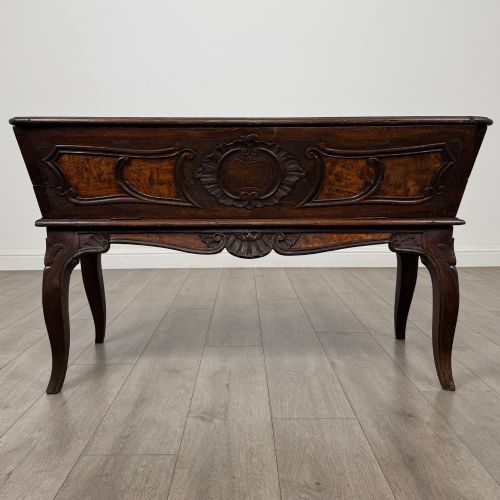
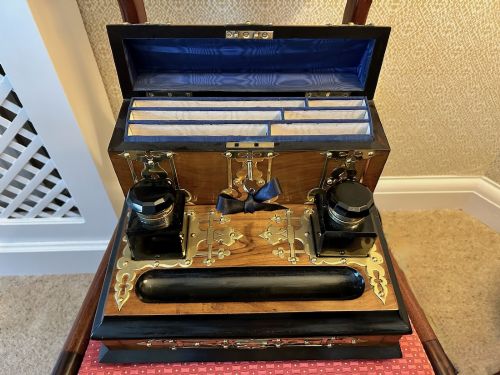
The version most commonly met on this page is the utilitarian or decorative chest mounted on legs, often originating from periods spanning the 17th Century through to the Edwardian era. These pieces served various domestic functions, from holding household documents and silver to storing stationery and writing materials.
Makers and craftsmen utilised regional timbers like oak and mahogany, occasionally pairing older boxes with later stands to create functional pieces of furniture. The underlying form remains remarkably adaptable, appearing in styles from simple country oak to elaborate Regency Chinoiserie and French polished surfaces.
Materials and Construction
Cabinet makers constructed the boxes using traditional joinery, dovetailing hardwood boards of mahogany, oak, walnut and satinwood to ensure durable corners. Lids often feature pegged or hinged construction designed to withstand frequent opening, while interiors incorporate fitted compartments for inkwells, papers and valuables.
Stands were fashioned to match or complement the upper box, utilising turned legs, bracket feet or stretchers for structural stability. Brass handles, hinges and mounts were frequently integrated to reinforce the corners and facilitate lifting, alongside decorative inlay in boxwood and harewood.
Listings feature oak, mahogany, walnut and satinwood constructions spanning the 17th Century to the Edwardian period.
Distinctions in Quality
Quality in these pieces is dictated by the harmony between the box and its support, distinguishing items where the stand is contemporary to the box from marriages created at a later date. Superior examples exhibit cohesive timber selection, where the grain and colour of the box flow naturally into the structure of the stand.
The refinement of the interior fittings and the crispness of any carved decoration or inlay set finer examples apart from simpler utility boxes. Expert execution of dovetail joints, original brass hardware and untouched patination on the timber surfaces elevate certain pieces above standard regional work.
Lesage
The Antique Box on Stand Glossary
- Bible Box
- A small wooden chest traditionally used for storing sacred texts and documents, frequently featuring a sloping lid that doubled as a reading desk.
- Stand
- A separate or integrated base with legs designed to elevate a box, chest or cabinet off the floor.
- Stationery Box
- A desk accessory fitted with interior dividers and pigeonholes specifically designed for holding writing paper, envelopes and correspondence.
- Inlay
- A decorative technique where contrasting woods, metals or mother-of-pearl are inserted into recessed cavities on the surface of the timber.
Antique Box on Stand: Frequently Asked Questions
What is an antique box on stand used for?
These pieces functioned primarily as secure storage for valuable household documents, correspondence, Bibles and writing implements in domestic settings.
Elevating the container on legs allowed the box to serve as a convenient writing surface or desk without requiring a larger, fixed piece of furniture.
Are the box and stand always from the same period?
Not necessarily, as many surviving boxes from the 17th Century were paired with custom or standard stands made during later centuries to improve usability.
Examining the timber species, wear patterns and construction methods helps determine whether the upper box and lower support originated together.
What woods were commonly used for these pieces?
Oak was the predominant timber for earlier 17th Century examples, offering durability for heavy Bible boxes and storage chests.
By the Georgian and Victorian periods, cabinet makers shifted towards figured hardwoods like mahogany, walnut, satinwood and rosewood for a more refined domestic appearance.
How do I care for wooden surfaces on a box on stand?
Maintain the timber by keeping the piece away from direct heat sources and sudden fluctuations in humidity that can cause wood to warp or split.
Apply traditional beeswax periodically to nourish the grain and preserve the historic patina without stripping the surface finish.